Spring Turkey Hunting in South Carolina
The sweet symphony of a gobbler hammering from the roost is an experience few things in the outdoors can match, but let's be honest, hunting turkeys in South Carolina comes with its own unique set of challenges. Between the sometimes-sweltering early season weather, the thick Lowcountry swamps, and the nuanced regulations that seem to change just often enough to keep us on our toes, it can feel overwhelming trying to plan a successful spring hunt. This comprehensive guide is here to cut through the confusion and equip you with the knowledge and tactics you need to confidently pursue and tag a Palmetto State longbeard.
Understanding South Carolina's Spring Turkey Season
Spring turkey hunting in South Carolina is a treasured tradition, but it’s crucial to understand the state's specific rules before heading afield. Unlike some states with a blanket season, South Carolina has carefully crafted regulations designed to manage its turkey population, which means hunters need to pay close attention to dates, bag limits, and new restrictions. It’s not just about knowing when to go, but also knowing where and for how long.
Navigating Season Dates and Zones
South Carolina doesn't have multiple turkey zones like it does for deer; instead, the statewide season opens at a set time for private lands, with different dates for Wildlife Management Areas (WMAs). For private lands, the season typically kicks off around March 22nd, running through May 5th. This gives private land hunters a generous window to chase birds, often starting when gobblers are still tightly flocked and moving into solo breeding behavior. However, the WMAs, which are invaluable public hunting grounds, usually have a more restricted season, opening on April 1st and closing May 5th. This later start date on WMAs is often a point of frustration for hunters who want to hit the woods earlier but are limited to private access. It's a critical distinction to remember when planning your hunts, especially if you're relying on public land. Always double-check the current year's regulations with the South Carolina Department of Natural Resources (SCDNR) as dates can occasionally shift.
For hunters who primarily focus on public lands, this later WMA start means adjusting your tactics. You might miss some of the earliest gobbling activity, but it also means the birds have had a bit more time to settle into their breeding patterns. You might also find less hunting pressure initially on private lands, but as April rolls around, WMA hunters will join the fray. Understanding these nuances helps you mentally prepare for the type of bird behavior and hunting pressure you might encounter during your specific hunting window.
Bag Limits and Reporting Requirements
The statewide turkey bag limit in South Carolina has seen some changes recently, reflecting a proactive approach to managing the population. As of recent regulations, the statewide bag limit for spring turkey is a total of two (2) gobblers per hunter. This is a significant reduction from previous years, and it's essential for every hunter to adhere to this limit. It’s a conservation effort aimed at bolstering the turkey population, which has seen some declines in recent years. This means you need to be selective and make those two tags count. Remember, each harvested gobbler must be reported to the SCDNR through their online Game Check system. This system is crucial for wildlife biologists to gather accurate harvest data, which in turn helps inform future management decisions. You can access the system via the SCDNR website or through their mobile app.
Reporting your harvest isn't just a legal requirement; it's a vital part of conservation. The data collected helps the SCDNR understand population trends, hunting pressure, and success rates across the state. Failing to report a harvested bird could lead to penalties, but more importantly, it skews the data, making it harder for wildlife managers to make informed decisions for the future of the species. You typically have 24 hours to report your kill, so it's a good habit to take care of it as soon as you get out of the woods and have cell service or access to a computer. For more information on what exactly is required, check out the guide on South Carolina Turkey Reporting Through Game Check.
The No-Harvest Window and Jake Restrictions
One of the most significant changes in South Carolina turkey regulations involves the protection of young birds and a specific "no-harvest" window. Historically, hunters could harvest jakes, which are juvenile male turkeys. However, starting in 2025, South Carolina has implemented a ban on harvesting jakes. This means only adult gobblers (those with a beard visible externally) are legal to take. This decision, aimed at improving the poult-to-hen ratio and overall turkey recruitment, is a direct response to declining turkey populations observed over several decades. The hope is that by letting more jakes survive, they will mature into gobblers and contribute more effectively to breeding. For more insight into this, read Why South Carolina Banned Jake Harvest.
Furthermore, South Carolina has also introduced a specific "no-harvest" window for a portion of the spring season. From opening day until April 10th, hunters are allowed to hunt, but cannot harvest a gobbler before April 10th. This means if you're hunting on private land between March 22nd and April 9th, you can call in birds, work them, and enjoy the experience, but you absolutely cannot pull the trigger. This measure is intended to allow for maximum breeding activity to occur before birds are harvested. It can be incredibly frustrating to have a prime gobbler strutting at 30 yards and not be able to shoot, but these regulations are in place for the long-term health of the turkey population. Adhering to these rules is paramount for the future of South Carolina Spring Turkey Season Rules.
Essential Gear for South Carolina Gobblers
Hunting turkeys in South Carolina means being prepared for a variety of conditions, from humid mornings to sudden downpours, and encountering birds in dense cover or wide-open fields. Having the right gear isn't just about comfort; it's about maximizing your chances of success and staying safe. From the shotgun you carry to the clothes you wear, every piece plays a role in your spring turkey adventure.
Shotgun and Ammunition Choices
When it comes to shotguns for South Carolina turkeys, reliability and pattern density are your best friends. Most hunters opt for a 12-gauge, though 20-gauge shotguns have become increasingly popular, especially with the advancements in modern ammunition. The key is to find a shotgun and choke combination that throws a dense pattern out to 40 yards, ideally with a good number of pellets still capable of penetrating a turkey's vitals. Many hunters choose a tight, "turkey-specific" choke tube, often in the .650-.670 constriction range, to achieve this. Popular shotgun brands like Mossberg, Remington, and Benelli are common sights in the turkey woods, but ultimately, it's about what you shoot accurately and confidently.
Ammunition has revolutionized turkey hunting. While lead loads still work, many hunters have switched to denser, non-toxic options like Tungsten Super Shot (TSS). TSS, though more expensive, offers significantly higher pellet counts and superior penetration at longer ranges, effectively extending a 20-gauge's reach to that of a 12-gauge using lead. This can be a game-changer when a gobbler hangs up at 50 yards. Pattern your chosen gun and ammo combination extensively before the season. Shoot at different distances – 20, 30, and 40 yards – to understand your gun's effective range and pattern consistency. Knowing exactly where your core pattern hits and how many pellets are in a 10-inch circle at 40 yards will boost your confidence immensely when that gobbler finally steps into range. This meticulous patterning is crucial because every gun shoots every load a little differently.
Mastering Turkey Calls
No turkey hunt is complete without a variety of calls, and South Carolina gobblers can be notoriously finicky, sometimes responding to one call type and ignoring another. Carrying a selection of calls allows you to adapt to the bird's mood and the terrain. Mouth calls (diaphragms) are perhaps the most versatile, allowing hands-free operation and a wide range of sounds, from soft yelps to aggressive cutting. Slate, glass, or aluminum pot calls are excellent for clear, consistent yelps and purrs, and can produce significant volume. Box calls are simple to operate and great for loud, attention-grabbing sounds that can reach distant birds, especially when scouting.
The trick isn't just owning calls; it's mastering the nuances. A soft, subtle cluck and purr might seal the deal with a bird that's already close and wary, while aggressive cutting and yelping might be needed to get a distant gobbler interested. Practice is key, not just in making the sounds, but in knowing when to make them and how to gauge a gobbler's response. Often, less is more, especially with pressured birds. Start soft, listen, and escalate only if needed. Understanding when to be quiet is just as important as knowing when to call. The guide on Turkey Calls Worth Carrying in South Carolina dives deeper into the specific types and techniques.
Decoys and Blind Setups
Turkey decoys can be incredibly effective, especially in areas with good visibility or on public lands where you want to draw a gobbler into a specific shooting lane. A simple jake and hen setup is often a go-to, as it can entice a dominant gobbler to come in and confront the "intruder." However, realistic, high-quality decoys that mimic natural turkey postures tend to work best. Full-strut gobbler decoys can be very aggressive and might intimidate submissive gobblers, so use them wisely. On public land, where other hunters might be present, consider a less aggressive setup or even no decoys at all to avoid drawing in human attention.
Ground blinds are invaluable, particularly for hunting with kids, in inclement weather, or when you need to minimize movement. A good pop-up blind provides concealment, allows for comfortable sits, and keeps you hidden from sharp turkey eyes. If you're not using a blind, ensure your back is against a large tree wider than your shoulders to break up your silhouette and protect your back. Remember, safety first: always be aware of your surroundings and other hunters, especially when using decoys. Never carry an exposed gobbler decoy through the woods.
Warm-Weather Clothing and Snake Protection
South Carolina spring weather can be a mixed bag, but often leans towards warm and humid, even in March and April. Lightweight, breathable camouflage is essential to stay comfortable and prevent overheating. Early mornings might start cool, but by midday, temperatures can climb into the 70s or 80s, especially in the Lowcountry. Layering is always a good strategy; start with a moisture-wicking base layer and add or remove outer layers as needed. Look for quick-drying fabrics.
Beyond comfort, safety is paramount, particularly when it comes to snakes. South Carolina is home to several venomous species, including rattlesnakes, cottonmouths, and copperheads, which become active in spring. Investing in a good pair of snake boots or snake gaiters is highly recommended, especially if you're hunting in thick brush, swamp edges, or areas with tall grass. Always be mindful of where you step, where you place your hands, and where you sit. Carrying a small first-aid kit with an emergency snake bite kit (though these are for initial care and you still need immediate medical attention) is a wise precaution. Bug spray is also a must-have; ticks and mosquitoes can be relentless.
Key Tactics for Diverse South Carolina Habitats
South Carolina's varied landscape—from the steep foothills of the Upstate to the flat, swampy Lowcountry—means that a one-size-fits-all approach to turkey hunting simply won't cut it. Understanding the specific challenges and opportunities each habitat presents is crucial for consistent success.
Roost Hunting Strategies
Catching a gobbler on the roost is arguably one of the most exciting parts of spring turkey hunting. It allows you to pinpoint a bird's location before daylight and set up close, but not too close. In the Upstate, turkeys often roost in tall pines or hardwoods along ridgelines or near creek bottoms. Access can be challenging due to topography, so silent entry is paramount. Use the darkness and natural terrain features to get within 100-150 yards of a roosted bird. Listen intently for fly-down cackles, limb-hangs, and initial gobbling. Your first calls should be soft tree yelps, mimicking a hen waking up. As the light increases and the bird gets closer to flying down, you can increase intensity. Patience is key; don't overcall.
In the Lowcountry, roost trees are typically towering pines or cypress trees, often found near swamp edges, river bottoms, or old rice fields. The terrain is generally flatter, but water can be a major barrier. Scouting these areas for roosting locations before the season is invaluable. Birds in these areas can be just as callable off the roost, but sometimes they may fly down across a creek or into thick cover, making them harder to work. Always try to set up where a bird can easily come to you without having to cross significant obstacles. Remember the guide on Roost Hunting South Carolina Gobblers for more localized tips. The early morning hours, often still chilly, can be deceptively humid, so managing your scent and sound is critical when sneaking in.
Run-and-Gun Tactics on Public Land
"Run-and-gun" is a highly effective tactic, especially on South Carolina's larger public land tracts like the Francis Marion National Forest or parts of the Sumter National Forest. This involves covering a lot of ground, stopping frequently to call, listening for a response, and then quickly moving towards any gobbling. It's a proactive approach that suits expansive areas where birds might be spread out. You'll need to be physically fit and carry a lightweight setup. A good pair of comfortable hunting boots, a light vest with essential calls, and a shotgun are your primary tools.
When employing run-and-gun, use loud, shock gobble calls like crow calls or owl hoots to locate birds from a distance. Once you get a response, quickly and quietly move to get closer, setting up against a wide tree that offers concealment and a clear shot lane towards where you expect the bird to appear. Avoid calling too aggressively until you're in a good position. Sometimes, just a few soft yelps are enough to bring a curious gobbler in after he's initially responded to your locator call. This dynamic style is perfect for covering ground and finding birds that might not respond to stationary calling. It also helps you avoid areas with high hunting pressure. Check out Run-and-Gun Turkey Tactics on Public Land for a deeper dive into this exciting method.
Dealing with Pressured Birds and Midday Lulls
Public land turkeys, especially those on popular WMAs, are often "call-shy" or "hunter-educated." They've heard every yelp and cluck in the book and may become wary of approaching unfamiliar sounds. When dealing with pressured birds, subtlety is often your best bet. Tone down your calling, use softer yelps, clucks, and purrs, and be incredibly patient. Sometimes, a series of soft calls and then complete silence will be more effective than aggressive calling. Set up in out-of-the-way spots that other hunters might overlook, like deep in a swamp or far off a main trail.
Midday lulls are a real thing in South Carolina, especially once the morning gobbling fades. Don't give up! Turkeys often re-group and may become more active again as the afternoon progresses. Instead of heading back to the truck, use the midday to power-scout. Walk logging roads, look for fresh sign, or simply pick a spot in the shade and call infrequently, listening for a distant gobble. Often, a gobbler that was henned up in the morning might be alone and more receptive to calling later in the day. Sometimes, a persistent soft calling strategy during the midday can coax in a bird that's just loafing around. Many successful midday hunts happen when hunters stick with it while others have headed home.
Scouting for Success Before Opening Day
You can have the best gear and the most polished calling skills, but without knowing where the turkeys are, your chances of success dwindle significantly. Effective scouting, both before the season opens and even during, is the backbone of consistent turkey hunting success in South Carolina. It’s about more than just finding a gobbler; it’s about understanding his habits and his home.
Pre-Season Roosting and Locating
The absolute best time to figure out where turkeys are is before the season begins. This involves early morning and late evening trips to potential hunting areas to listen for gobblers on the roost. Get out an hour before daylight and listen from several different vantage points. Gobblers will often give a "pre-dawn" gobble or two before hitting the ground, and then again after fly-down. Similarly, in the evenings, listen for "fly-up" gobbling as birds head to their roost trees for the night. This intel is golden. If you can consistently locate a bird roosting in a particular area, you've got a fantastic starting point for opening morning.
When you're trying to locate a bird, don't be afraid to use locator calls like an owl hooter or a crow call. These sounds often provoke a shock gobble without alerting the bird to your presence as a potential threat. Pay attention not only to where the bird gobbles but also to the direction of his travel when he flies down, if you can determine it. Are there fields, creek bottoms, or open woods nearby that he's likely to head towards? This pre-season reconnaissance is critical for formulating an effective hunting plan. Remember, locating a gobbler isn't about calling him in at this stage, it's purely about finding out where he lives.
Interpreting Turkey Sign
Turkeys leave a plethora of clues, and learning to read this sign can tell you a lot about their presence and activity. Fresh tracks in mud or soft dirt are obvious indicators. Look for the distinct three-toed pattern, and note the size. Larger tracks usually belong to gobblers. Droppings are another key sign: gobbler droppings are typically J-shaped, while hen droppings are more coiled or blob-like. Finding fresh gobbler droppings under a roost tree confirms that a male bird is using that spot.
Scratchings are perhaps the most common sign. Turkeys scratch through leaf litter and pine straw looking for insects, acorns, and seeds. Gobbler scratchings are often larger and more aggressive-looking than hen scratchings, sometimes resembling small, overturned dinner plates. Look for these in open hardwood bottoms, along logging roads, or on the edges of fields. Dusting bowls—small depressions where turkeys roll in dirt to clean their feathers and rid themselves of parasites—are also excellent indicators of active turkey use. Look for feathers in these bowls. The fresher the sign, the more recent the activity, giving you a better chance of encountering birds in that area.
Utilizing Mapping Tools and Apps
Modern technology has become an indispensable tool for scouting, even for traditional pursuits like turkey hunting. Mapping apps like OnX Hunt or GoHunt are absolute game-changers for South Carolina hunters. These apps allow you to view satellite imagery, topo maps, and parcel lines, which is incredibly helpful for navigating both public and private lands. You can mark potential roost sites, identify travel corridors, locate food sources, and even mark "no-go" zones with excessive hunting pressure. Using these tools, you can virtually scout an area from your couch, saving valuable time and boot leather.
Before hitting the field, use these apps to identify potential access points, note changes in terrain, and pinpoint natural funnels that birds might use. If you're hunting on a WMA, these maps can help you understand the boundaries and identify areas that might be overlooked by other hunters due to difficult access. During your hunt, the GPS functionality helps you navigate silently and find your way back, especially in dense woods or unfamiliar territory. Downloading offline maps is crucial, as cell service can be spotty in many of South Carolina's prime turkey hunting areas. These digital tools, when combined with traditional scouting, provide a powerful advantage.
Public Land Opportunities for Spring Turkey Hunters
South Carolina offers a decent amount of public hunting land, primarily through its Wildlife Management Areas (WMAs) and National Forests. These lands provide critical access for many hunters, but they also come with specific rules, regulations, and often higher hunting pressure. Understanding how to navigate these public resources is key to a successful spring turkey hunt.
Hunting Wildlife Management Areas
South Carolina's WMAs are managed specifically for wildlife and offer diverse habitats, from coastal marshlands to upland pine forests. Many of these areas hold healthy turkey populations. However, WMA turkey seasons often have different opening dates and sometimes different bag limits or rules compared to private land. As mentioned earlier, WMAs typically open on April 1st, giving private land hunters a head start. It's imperative to always check the specific regulations for the WMA you plan to hunt, as rules can vary from one area to another. Some WMAs may require a special WMA permit in addition to your regular hunting license and big game permit.
Pressure on WMAs can be intense, especially during the first few weeks of the season. To find success, consider hunting mid-week if possible, or focusing on areas that require a longer walk or more difficult access. Many hunters stick to easy-to-reach areas, so venturing deeper can often put you on less pressured birds. Look for areas with diverse habitat, such as the intersection of pine plantations and hardwood bottoms, or creek drainages that provide roosting and feeding opportunities. Utilizing your mapping apps, like those available on the GoHunt platform, to identify remote corners or natural barriers can give you an edge in finding undisturbed turkeys. The guide on South Carolina WMA Turkey Rules provides more detailed regulations.
Navigating National Forest Lands
Both the Francis Marion National Forest in the Lowcountry and the Sumter National Forest in the Upstate offer extensive public hunting opportunities for turkeys. These vast tracts of timber can be intimidating, but they hold good turkey numbers for those willing to put in the effort. In the Francis Marion, you'll find a mix of pine flatwoods, cypress swamps, and hardwood drains. Turkeys here often frequent the edges of the swamps, using them for cover and roosting near the towering pines. Access can be limited by water, so be prepared for wet conditions.
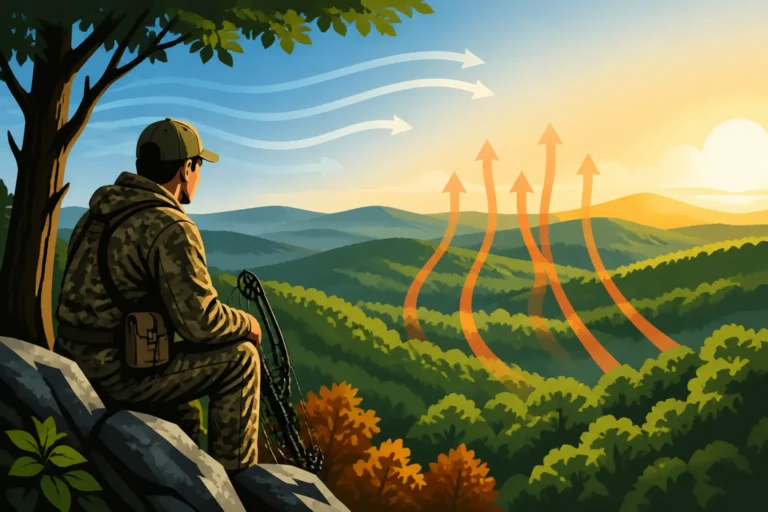
The Sumter National Forest, particularly the Enoree and Long Cane Ranger Districts, offers a different experience with rolling hills, mature hardwoods, and pine plantations. Turkeys here will often use ridge tops for strutting and lower bottoms for feeding. When hunting the Sumter, pay close attention to topography and thermals. Birds will often work their way up or down a ridge. Locator calls are very effective in these larger areas to find birds. As with WMAs, expect some pressure, especially near main roads. Don't be afraid to put some miles on your boots and explore areas away from easy access points. Remember that camping is often allowed in National Forests, which can be a great way to be on site for those early morning gobblers.
Understanding Quota Hunts and Regulations
Some of South Carolina's most prized public lands, particularly certain WMAs, operate under a quota hunt system for turkeys. This means access is limited to a certain number of hunters who are drawn through an application process. These hunts are often highly sought after because they typically offer reduced hunting pressure and a higher chance of success. Examples include some of the coastal WMAs like Donnelley WMA or Webb Wildlife Center, which are renowned for their wildlife management. Applying for these quota hunts often involves a specific application window, typically in the late winter or early spring, and a draw lottery.
If you are fortunate enough to be drawn for a quota hunt, make sure you understand all the specific rules for that particular area. They often have very strict regulations regarding entry, exit, vehicle use, and even permitted calling methods. Attending any mandatory pre-hunt meetings or reading all the provided material is crucial. While quota hunts can be fantastic experiences, getting drawn can be competitive, so don't put all your eggs in that basket. Always have a backup plan for open-access WMAs or National Forest land. The South Carolina DNR website is the best place to find information on specific quota hunt opportunities and application deadlines.
Calling Strategies for South Carolina Turkeys
Effective calling is often the deciding factor in whether a gobbler finishes the distance or hangs up just out of range. South Carolina turkeys, like birds everywhere, can be unpredictable, but understanding foundational calling strategies and knowing when to adjust your approach will significantly increase your odds.
Aggressive Vs. Subtlety
Knowing when to be aggressive and when to be subtle with your calls is an art form honed over many seasons. Early in the season, when gobblers are still eager to find hens and haven't been pressured much, aggressive calling can be very effective. Loud, excited cutting and a series of sharp yelps might be just what it takes to pique a gobbler's interest and draw him in from a distance. However, as the season progresses and birds become more "educated" by other hunters, or if a gobbler is already henned up, aggressive calling can often backfire, making him wary and pushing him away.
This is where subtlety comes into play. Soft tree yelps off the roost, followed by gentle clucks and purrs once he's on the ground, can be incredibly effective on pressured birds. Mimic the contented sounds of a hen that's simply going about her business. If a gobbler is hung up at 100 yards, a few soft purrs and clucks, followed by total silence, can often be the best approach. Let his curiosity get the better of him. Sometimes, not calling at all for extended periods, especially after an initial response, can make him think the hen is moving away and force him to come looking. It's a game of psychology, and learning to read the bird's mood through his gobbling and strutting is key.
Locator Calls for Distant Gobblers
Locator calls are an indispensable tool for covering ground and finding gobblers that aren't actively gobbling on their own. As discussed earlier, owl hoots and crow calls are fantastic for provoking a "shock gobble" from a roosted or ground-based bird. These calls mimic natural sounds that turkeys hear regularly and don't associate with a threat. Early mornings are prime for owl hoots, while crow calls can work throughout the day. Some hunters also use hawk or pileated woodpecker calls effectively.
When using a locator call, pause after each series to listen intently. Gobblers often respond with a delayed gobble, or a softer one that's easy to miss if you're not paying attention. Once you get a response, pinpoint the direction and distance as best you can. Then, move quietly and strategically to get closer before switching to hen calls. Remember that the goal of a locator call is purely to locate; avoid using turkey-specific calls at this stage, as it can alert the bird to your presence before you're in a favorable setup position.
Deciphering Gobbler Responses
Listening to a gobbler isn't just about hearing a gobble; it's about interpreting what that gobble tells you. The intensity, frequency, and cadence of a gobbler's response can provide valuable clues about his mood and his willingness to commit. A gobbler that hammers back at every call, cutting you off, is often a hot, aggressive bird that's looking for a fight or a hen. This bird might respond well to aggressive calling.
On the other hand, a gobbler that only gobbles occasionally, or offers a soft, distant gobble, might be henned up, wary, or simply not very interested. For these birds, a more subtle approach, or even setting up and waiting him out, might be more effective. If a gobbler is moving away, his gobble will sound more distant and perhaps less enthusiastic. If he's getting closer, his gobble will become louder and more distinct. Pay attention to how his gobble changes in volume and direction. Is he gobbling from the same spot, indicating he's hung up or strutting in place? Or is his gobble shifting, meaning he's moving? Learning to "talk" back and forth with a gobbler and adjust your calling based on his responses is the hallmark of a skilled turkey hunter. The resource on Turkey Gobbling Activity Timing can help you understand when birds are most vocal.
Post-Harvest Care and Reporting
Bringing a gobbler home is the culmination of all your hard work, but the process isn't over when the shot rings out. Proper post-harvest care ensures you get the best quality meat, adhere to legal requirements, and contribute to sound wildlife management.
Field Dressing in Warm Weather
South Carolina's spring turkey season can bring some warm temperatures, and warm weather is not a friend to fresh game meat. As soon as you retrieve your bird, the priority should be to cool it down as quickly as possible. Many hunters opt to breast out the bird in the field, leaving the legs and wings to save weight and space, though you might want to keep the legs for stew meat if you're interested. Remove the entrails immediately, as this helps the carcass cool faster. If you're planning to have the bird mounted, be extremely careful not to damage the feathers, especially around the breast and tail.
Once the bird is field-dressed, get it into a cooler with ice as soon as possible. If you're going to be out for an extended period, consider carrying game bags designed to protect the meat while allowing it to breathe. The goal is to prevent bacterial growth, which accelerates in warm conditions. Even a seemingly cool spring day can warm up quickly, especially if your bird is sitting in direct sunlight. A little effort in the field can make a huge difference in the quality of your wild turkey dinner.
Transporting Your Turkey Legally
Transporting your harvested turkey legally in South Carolina is straightforward but requires attention to detail. The most critical aspect is ensuring that the sex of the bird (male) is easily identifiable during transport. This means leaving one leg with the spur, or the beard, attached to the bird until you reach your home or processing facility. This allows game wardens to verify that you have harvested a legal gobbler and not an illegal hen or jake (if the season is before 2025). Never fully process your bird in the field to the point where the sex cannot be identified if you are still in transit.
Once you're home and ready to fully process the bird, you can remove the leg and beard. Keep your hunting license, big game permit, and proof of harvest reporting handy, even after the bird is processed, just in case. If you're traveling across state lines, be aware of differing regulations in other states regarding the transport of game, as some have specific rules about CWD zones or interstate transport. Always check these rules in advance to avoid any issues. The guide on Transporting a Tagged Turkey Home has further tips.
Reporting Your Harvest via Game Check
As noted earlier, reporting your turkey harvest to the SCDNR via the Game Check system is a mandatory and crucial step. You have 24 hours from the time of harvest to complete this report. The process is simple and can be done online through the SCDNR website or via their mobile app, "Go Outdoors SC." You'll need to provide your license number, the date and time of harvest, the county where you killed the bird, and confirm it was a gobbler. This information is vital for the SCDNR's wildlife management efforts, allowing them to track population trends, harvest rates, and the overall health of the state's turkey population.
Think of it as your final contribution to conservation for that particular bird. The data helps biologists make informed decisions about future season structures, bag limits, and habitat management strategies. If you fail to report your harvest, you could face a citation, but more importantly, you're hindering the state's ability to effectively manage its turkey resource. Make it a habit to report your bird as soon as you have cell service or access to the internet. It's a quick step that has a big impact on the future of turkey hunting in South Carolina.
| Call Type/Method | Best Use Case | Sound Description | When to Use |
|---|---|---|---|
| Mouth Call (Diaphragm) | Versatile, hands-free | Yelps, clucks, purrs, cuts | Close-range, when needing to keep hands free, soft calls |
| Slate/Pot Call | Consistent, clear tones | Yelps, clucks, purrs | Mid-range, when needing clear, sharp sounds |
| Box Call | Loud, easy to use | Yelps, cuts, gobbler yelps | Long-range, windy days, locator calls |
| Owl Hooter | Locator call | Hooting sequence | Pre-dawn, early morning |
| Crow Call | Locator call | Loud crow caws | Mid-morning, midday |
| Subtle Clucks & Purrs | Wary birds, close-range | Soft, contented turkey sounds | Hung-up birds, late season, quiet approaches |
| Aggressive Cuts & Yelps | Eager birds, distant calls | Loud, excited, fast yelps | Early season, unpressured birds, to challenge a gobbler |
Disclaimer
Hunting is an inherently dangerous activity. Always prioritize safety, understand and follow all applicable laws and regulations, and respect wildlife and fellow hunters. This guide is for informational purposes only and should not replace official regulations published by the South Carolina Department of Natural Resources (SCDNR). Always refer to the most current SCDNR hunting digests and regulations before planning any hunt.