Why South Carolina Banned Jake Harvest
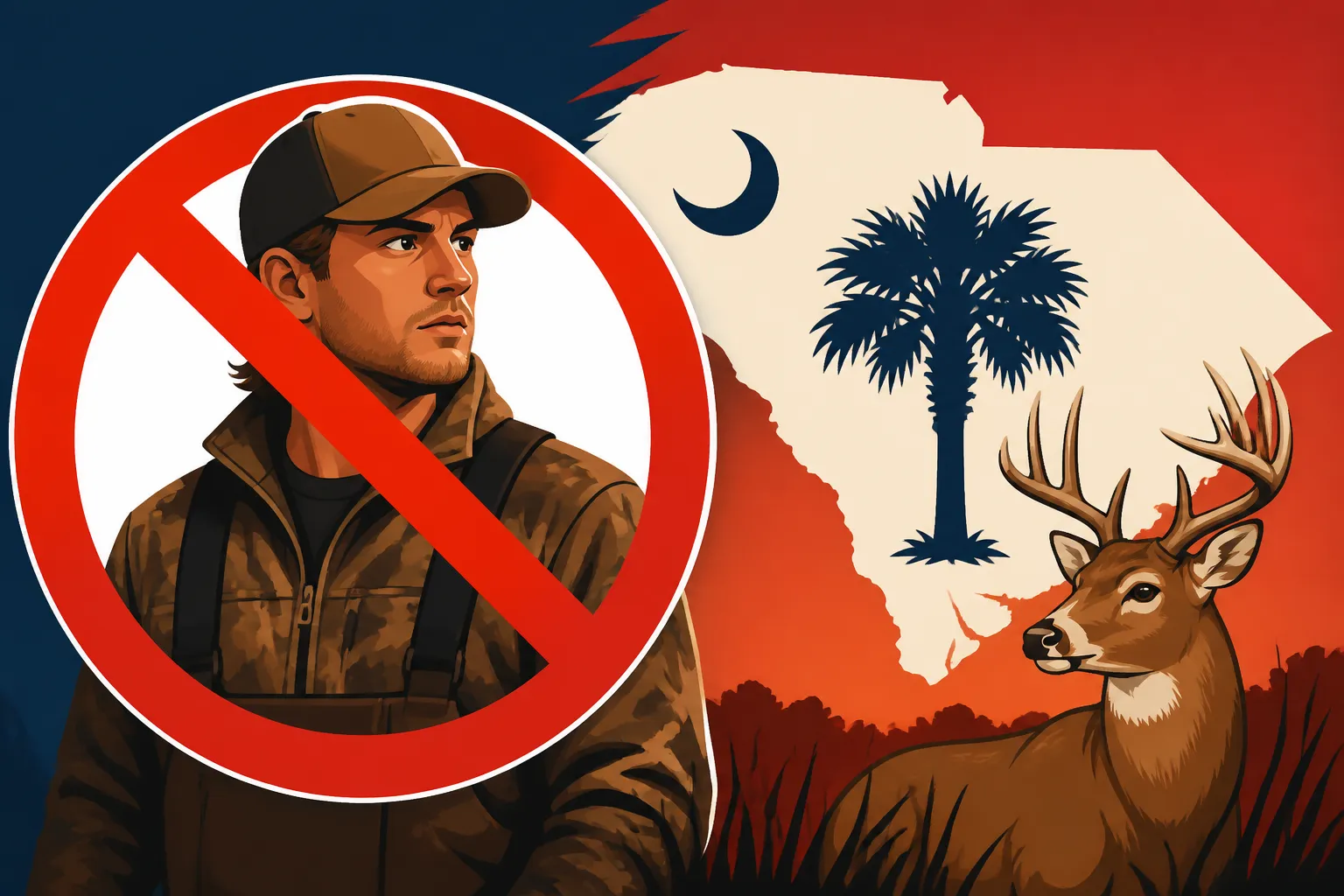
It’s always a little jarring when you open the new South Carolina hunting regulations pamphlet and see a significant change. One minute you’re making plans based on years of tradition, and the next, a crucial piece of the puzzle is different. For many turkey hunters, the news about banning jake harvest in South Carolina has been one of those head-scratchers, leaving folks wondering why the rules suddenly shifted. This guide will dive deep into the reasoning behind this decision, exploring the biological and management factors that led to this important change for our wild turkey population.
Understanding the Shift in Turkey Hunting Regulations
Navigating the world of wildlife regulations can sometimes feel like trying to hit a moving target, especially when the changes directly impact how you pursue your passion. The decision to prohibit the harvest of jakes, or juvenile gobblers, in South Carolina didn't come out of nowhere; it's a direct response to some concerning trends our wildlife biologists have been observing in the state's wild turkey population. This wasn't a snap judgment but rather a considered step to ensure the future of turkey hunting in the Palmetto State.
The Historical Context of Turkey Management in SC
For decades, South Carolina was a shining example of successful wildlife restoration. Starting in the mid-20th century, wild turkeys were practically non-existent in many parts of the state. However, thanks to ambitious trap-and-transfer programs spearheaded by organizations like the South Carolina Department of Natural Resources (SCDNR) and dedicated conservationists, turkeys were reintroduced and thrived. We saw an incredible comeback, with populations booming across diverse habitats, from the coastal swamps to the upstate mountains. This success led to generous bag limits and long seasons, a testament to the thriving populations. Hunters grew accustomed to these opportunities, and many of us, myself included, probably took for granted that the good times would just keep rolling. It felt like we had an endless supply of gobblers, and the thought of strict regulations seemed a distant, unnecessary concern.
This period of abundance truly spoiled us. I remember seasons where it felt like you couldn't walk through a piece of woods without hearing a gobble, and filling tags felt less like a challenge and more like a standard outcome. This era of plenty shaped a generation of turkey hunters, making the idea of restrictions on something as common as jakes feel almost foreign. It’s hard to imagine that the very success of those restoration efforts might have inadvertently set the stage for later challenges, but when a resource seems limitless, it's easy to overlook subtle shifts in its underlying health.
What is a "Jake" and Why Are They Important?
So, what exactly is a jake in the turkey world? Simply put, a jake is a yearling gobbler, typically around one year old. They're basically the teenagers of the turkey flock, still learning the ropes and often less wary than their older, more experienced counterparts. You can usually identify them by their shorter beard, often referred to as a "pencil beard," which rarely exceeds a few inches, and a fan that isn't fully developed, with the central tail feathers being noticeably longer than the outer ones. They often look a bit gangly and are notorious for coming into calls aggressively, sometimes even running in with a group of other jakes.
Biologically, jakes play a crucial role as the next generation of potential breeders. While they don't typically have the same breeding success as a dominant, mature two-year-old or older gobbler, they are still capable of breeding hens, especially if older gobblers are scarce or if they get lucky. Their presence in the population is an indicator of successful nesting and poult survival from the previous year. When you harvest a jake, you're not just taking a turkey; you're removing a bird that, given another year, would likely become a fully mature, strutting gobbler with a robust beard and fan. These are the birds that contribute significantly to the gene pool and provide those thrilling, chest-thumping gobblers we all dream of calling into shotgun range.
The Troubling Decline in South Carolina's Turkey Population
The decision to ban jake harvest wasn't a sudden, arbitrary move by the SCDNR. It stemmed from years of diligent monitoring and a growing pile of data that painted a clear, concerning picture: South Carolina's wild turkey population was experiencing a sustained decline. This isn't just a hunch or anecdotal observation; it's backed by scientific surveys and harvest reports that reflect a significant downturn from the heydays of turkey hunting in our state.
Analyzing Recent Harvest Data and Trends
For quite some time now, South Carolina has seen a steady dip in its overall turkey harvest numbers. While specific annual figures fluctuate due to weather and hunting pressure, the long-term trend has been undeniable. If you look back at the annual harvest reports from the SCDNR, you'll see peaks in the early 2000s, followed by a gradual, yet persistent, decrease. This isn't just happening in one isolated corner of the state; these declines are being observed across multiple game zones, though some areas, particularly in the coastal plain, have felt the impact more acutely. This broad-based decline suggests systemic issues rather than localized problems.
Imagine fewer birds being checked in at the end of the season, year after year. Hunters are reporting fewer gobblers, less consistent calling activity, and simply fewer encounters with turkeys overall. This consistent downward trend is a massive red flag for wildlife managers. It signifies that fewer turkeys are surviving to harvestable age, fewer are reproducing successfully, or a combination of both. When these trends persist, it's a clear signal that the management strategies that once worked so well might need serious reconsideration to prevent further depletion of the resource. You can often track these changes in more detail by looking at the official South Carolina Turkey Population Trends reports.
The Critical Role of Poult-to-Hen Ratios
Perhaps the most critical piece of the puzzle in understanding the turkey population decline is the poult-to-hen ratio. This isn't just some abstract biological metric; it's arguably the most important indicator of how well our turkey populations are recruiting new birds. Simply put, it's the number of poults (young turkeys, typically less than a year old) observed per hen during the summer months. A healthy, reproducing turkey population needs a high poult-to-hen ratio to sustain itself and offer robust hunting opportunities. Biologists generally look for ratios above 2.0 or 2.5 poults per hen to indicate a growing or stable population.
Unfortunately, South Carolina has consistently seen poult-to-hen ratios fall below these critical thresholds for several years running. This signifies poor nesting success, poor poult survival, or often, both. When hens aren't successfully hatching clutches, or when too many poults are lost shortly after hatching due to predation, disease, or unfavorable weather conditions, the number of new birds entering the population plummets. This directly impacts the number of jakes available the following spring, and subsequently, the number of mature gobblers in future seasons. If you're curious to dive deeper, understanding Poult-to-Hen Ratios and What They Mean is crucial for grasping turkey population dynamics. These low recruitment rates are the fundamental driver behind the current management changes.
The Impact of Jake Harvest on Population Recovery
Given the declining turkey numbers and consistently low poult-to-hen ratios, wildlife managers had to evaluate every factor influencing the population. The harvest of jakes, once considered a relatively minor part of the overall take, came under increased scrutiny as a potential hurdle to population recovery. It's a tough pill for some hunters to swallow, especially those who enjoy the excitement of calling in a less wary young gobbler, but the biological arguments for protecting these birds are compelling.
The Biological Argument Against Harvesting Young Gobblers
At its core, the biological argument against harvesting jakes is simple: these birds represent the future. When you take a jake, you're removing a turkey that, with another year of growth, would almost certainly become a two-year-old gobbler – a prime breeder and a much more desirable trophy for most hunters. While jakes are capable of breeding, they are generally outcompeted by older, more dominant gobblers. However, in areas where the older gobbler population is already stressed, jakes might play a more significant role in breeding. More importantly, protecting jakes ensures a larger cohort of mature birds entering the breeding population in subsequent years, which directly translates to more gobbling, more breeding activity, and ultimately, more poults.
Consider a scenario where the overall turkey population is struggling due to poor poult survival. If hunters are also consistently removing a significant portion of the few jakes that do make it to their first spring, it creates a double-whammy effect. It’s like trying to fill a bucket with a hole in it while also siphoning off water from the incoming tap. By allowing jakes to live another year, we're giving the population a chance to build a stronger foundation of mature breeding birds. This doesn't guarantee immediate recovery, as many other factors are at play, but it’s a direct action that can improve the demographics of the male turkey population.
Addressing Hunter Opportunity vs. Long-Term Health
It's entirely understandable that many hunters feel a sense of loss with the jake harvest ban. For many, taking a jake provides a wonderful hunting opportunity. They’re often more responsive to calls, less cautious, and can offer an exciting challenge, especially for new hunters or youth hunters experiencing their first turkey hunt. The thrill of calling in any gobbler, regardless of age, is what keeps us coming back season after season. So, when that opportunity is removed, it can certainly feel frustrating and even a bit discouraging. We spend countless hours scouting, practicing calls, and dreaming of those spring mornings, and any restriction feels like it diminishes the experience.
However, the reality of wildlife management often requires making tough choices that balance short-term hunter opportunity with long-term population health. When a species is in decline, prioritizing the future of the resource becomes paramount, even if it means some sacrifice in the present. The SCDNR, like other state agencies facing similar turkey declines, made the decision that allowing jakes to mature was a necessary step to bolster the overall gobbler population and ensure future hunting seasons remain viable. It’s a classic conservation dilemma, and in this case, the long-term health of our wild turkeys won out, aiming to ensure that future generations of hunters will still have vibrant populations to pursue. It's a commitment to the species itself, ensuring that the magic of a spring gobble echoes in our woods for decades to come.
Broader Factors Contributing to Turkey Decline
While the jake harvest ban is a direct response to declining turkey numbers, it's important to understand that this single change isn't a silver bullet. The health of our wild turkey population is influenced by a complex web of environmental factors. Biologists continuously study these broader issues to gain a holistic understanding of why turkeys are struggling, and how best to manage their habitats and populations for the long haul.
Habitat Degradation and Fragmentation
One of the most significant, yet often overlooked, factors contributing to turkey decline is habitat degradation and fragmentation. Turkeys need specific types of habitat to thrive: open woodlands with a good understory for foraging, dense cover for nesting, and forested areas for roosting. Unfortunately, South Carolina's landscape is constantly changing due to development, urbanization, and shifts in agricultural and forestry practices. Expansive tracts of suitable turkey habitat are often broken up into smaller, isolated parcels, making it harder for turkeys to find everything they need within a safe home range.
Modern timber harvesting practices, while economically vital, can sometimes reduce habitat quality for turkeys if not managed with wildlife in mind. Clearcuts, for example, can be beneficial for a short period as they grow back, providing dense bugging areas for poults. However, the long-term conversion of diverse forests into monoculture pine plantations with little understory can severely limit foraging and nesting opportunities. Crucially, the decline of the longleaf pine ecosystem, which historically covered vast areas of the Southeast, has impacted many ground-nesting birds, including turkeys and quail. You can learn more about how crucial this habitat is by reading up on South Carolina Longleaf Pine and Quail Habitat. These changes mean fewer safe places for hens to nest, fewer insects for growing poults, and less food overall for the flock.
Predator Pressures and Their Role
Another major contributing factor to the decline in poult-to-hen ratios and overall turkey numbers is increased predator pressure. While predators are a natural and necessary part of any ecosystem, the balance can shift, especially with the explosion of certain predator populations. Coyotes, for instance, were not historically abundant in South Carolina but have spread rapidly across the state in recent decades. They are incredibly efficient predators, and while they primarily impact deer fawns (you can explore this in South Carolina Predator Impact on Fawn Recruitment), they also readily prey on turkey nests, poults, and even adult turkeys, particularly hens on the nest.
Beyond coyotes, other common predators such as raccoons, opossums, and bobcats also play a significant role in nest destruction and poult mortality. These animals are often highly adaptable and can thrive even in fragmented habitats, sometimes even benefiting from human development that provides easy food sources. The increased prevalence of these predators, combined with other factors, makes it incredibly challenging for turkey poults to survive their critical first few weeks of life. While predator control is a complex and often debated topic among wildlife managers and hunters, there's no denying that predation pressure is a significant hurdle that turkey populations in South Carolina are currently facing.
The Expected Outcomes and Future of SC Turkey Hunting
The decision to ban jake harvest, along with other regulatory adjustments, is a proactive measure by the SCDNR to reverse the downward trend in turkey populations. It's an investment in the future, designed to safeguard hunting traditions for generations to come. While instant results aren't realistic, the aim is clear: to see a healthier, more robust turkey population that can sustain itself and provide quality hunting opportunities.
What the Ban Hopes to Achieve
The primary goal of banning jake harvest is to allow more young gobblers to survive their first year and mature into two-year-old birds. This has several key benefits. First, it directly increases the number of breeding-age gobblers in the woods, which in turn can lead to more successful breeding activity. More gobblers mean more competition, more gobbling, and potentially more hens bred. Secondly, it should, over time, lead to an increase in the number of poults entering the population, assuming other factors like habitat and predator management also improve. Ultimately, the hope is that by protecting these yearling birds, we will see a rebound in the overall turkey population, leading to better poult-to-hen ratios and, eventually, more harvestable birds for hunters to pursue.
This strategy isn't unique to South Carolina; other states facing similar declines have implemented similar measures with positive results. It's a long-term play that requires patience and cooperation from the hunting community. While it might mean fewer opportunities for some hunters in the immediate future, the payoff is a healthier, more resilient turkey population for everyone in the long run. We might not see drastic changes in one or two seasons, but the cumulative effect of protecting these young birds should begin to show in improved numbers and hunter experiences in the years to come.
Other Regulatory Changes and Adaptive Management
The jake harvest ban is just one piece of a larger puzzle in South Carolina's adaptive management strategy for wild turkeys. The SCDNR has implemented several other changes aimed at bolstering the population. These include reduced statewide bag limits, which now stand at a maximum of two gobblers for the entire spring season, a significant reduction from previous years. There's also been the introduction of a specific No-Harvest Window Before April 10, meaning hunters cannot harvest a turkey before this date statewide, allowing gobblers more uninterrupted breeding time early in the season. These changes reflect a comprehensive approach to managing the population, acknowledging that multiple factors need to be addressed.
Adaptive management means that wildlife agencies are continuously monitoring populations, assessing the effectiveness of current regulations, and making adjustments as needed. It's a dynamic process, not a static one. The SCDNR collects data annually on harvest numbers, poult production, and other biological indicators to understand how the turkey population is responding to these changes. Hunter cooperation in reporting harvests through the South Carolina Turkey Reporting Through Game Check system is absolutely vital for this process, as it provides critical data for making informed decisions. By understanding and adhering to these updated regulations, hunters become partners in conservation, directly contributing to the recovery efforts. For a complete overview of the rules, always consult the South Carolina Spring Turkey Season Rules and special considerations like South Carolina WMA Turkey Rules.
Tools for Staying Informed (GoHunt mention)
Staying on top of hunting regulations and understanding why they change is crucial for any responsible hunter. The world of wildlife management is always evolving, and what was permissible last year might be different this year. It's incredibly important to check the official SCDNR regulations annually, as information can change. However, beyond just knowing the rules, understanding the why behind them empowers us as conservationists.
For those serious about planning their hunts and staying truly informed, especially if you're looking at managing your tags and understanding regulations across different zones, a robust platform can be invaluable. Tools like GoHunt can be incredibly helpful resources, not just for Western big game draws, but also for providing comprehensive data that can help you understand game populations and regulations across different states. While the core regulation changes for South Carolina turkeys will always come from the SCDNR, platforms that aggregate and present detailed hunting information can offer a broader perspective and help you stay organized. And of course, the Go Outdoors SC App is an indispensable tool for carrying your license, checking game, and accessing maps right from your phone.
Navigating these regulatory shifts can be tricky, but platforms and apps can help you manage your expectations and plan effectively, ensuring you're always hunting legally and responsibly. By using these resources, you can better understand the current landscape of South Carolina turkey hunting, from the state's efforts to rebuild the population to specific guidelines for each hunting zone, like understanding Where South Carolina Turkeys Are Densest.
Here's a quick look at how the regulations have shifted:
| Regulation Aspect | Prior to Jake Ban (Pre-2025) | After Jake Ban (2025 Onward) |
|---|---|---|
| Jake Harvest | Legal, counted towards statewide bag limit | Illegal to harvest jakes (yearling gobblers) |
| Statewide Bag Limit | Varies, typically 3 gobblers (including jakes) for residents | Max 2 gobblers (must be mature) for residents |
| No-Harvest Window | No statewide closed period before April 1 | No harvest allowed before April 10th (statewide) |
| Season Length | Generally longer, varied by zone | Generally shorter, standardized end dates, especially for WMAs |
| Hunter Impact | Focus on hunter opportunity, potential population stress | Focus on population recovery, allowing younger birds to mature |
The goal with these new regulations, especially concerning the South Carolina Statewide Turkey Bag Limit, is a deliberate, science-based effort to protect the wild turkey population during a challenging period. It asks hunters to adapt, but it's an adaptation that directly serves the long-term health of the species and the future of our beloved spring tradition.
Disclaimer
Please remember that hunting regulations can change frequently. Always consult the most current South Carolina Department of Natural Resources (SCDNR) regulations directly before planning or engaging in any hunting activities. This article is for informational purposes only and should not be considered a substitute for official legal guidance.