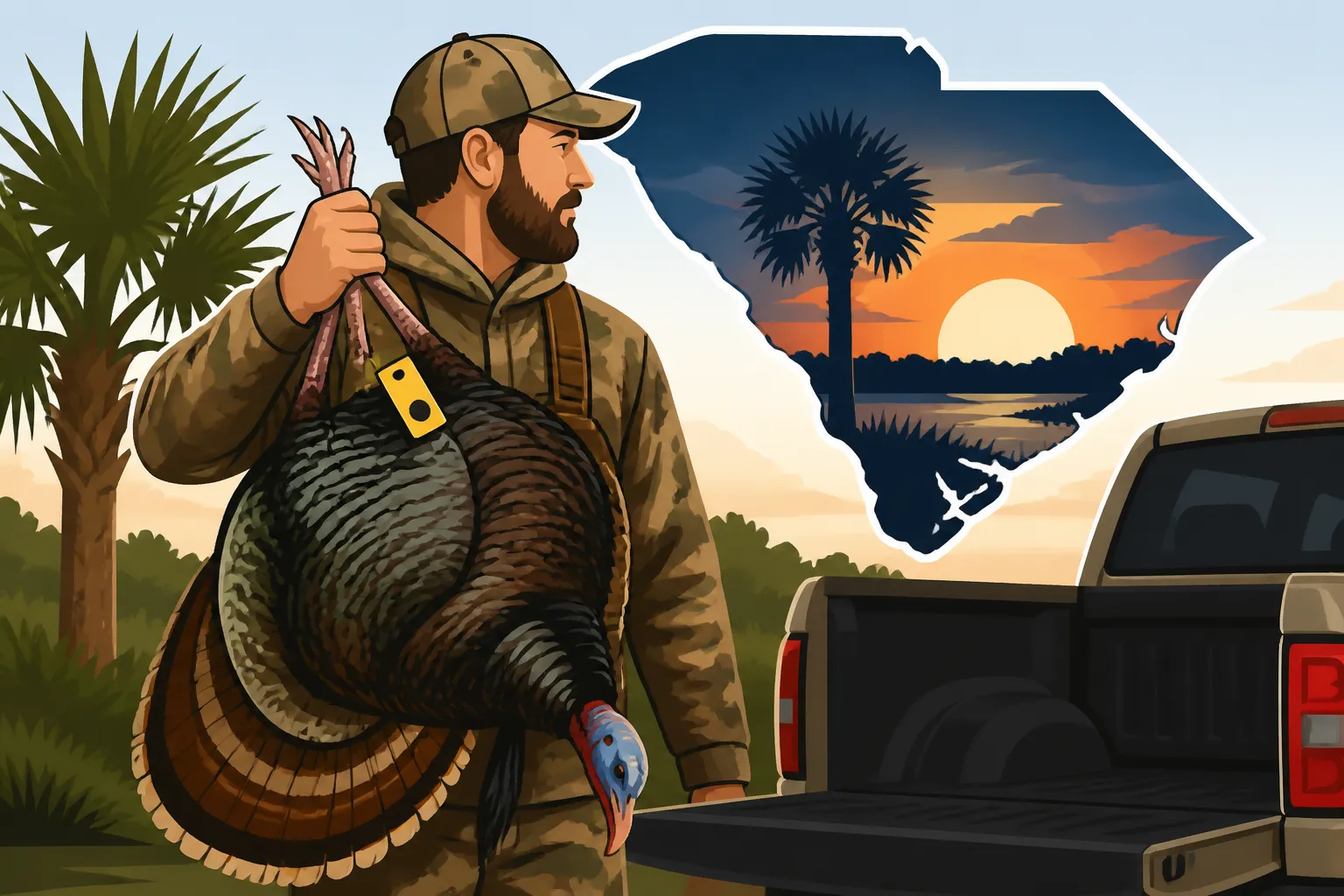
Transporting a Tagged Turkey Home
You’ve put in the scouting, spent hours in the woods, deciphered distant gobblers, and finally, after a heart-pounding setup, your South Carolina turkey is on the ground. It’s an exhilarating moment, but the job isn't quite done. Many hunters feel a rush of excitement mixed with a bit of anxiety about what comes next: how do you properly and legally get your hard-earned bird from the forest back home? This comprehensive guide will walk you through every crucial step, from proper tagging and reporting to field dressing and secure transportation, ensuring your journey home is as smooth and legal as your hunt was successful.
The Legal Foundation: Game Check and Tags
The absolute first thing you must do, even before you think about moving your bird from where it fell, is to ensure you’ve met all of South Carolina’s tagging and reporting requirements. Skipping this step, or doing it incorrectly, can turn a triumphant hunt into a very expensive and frustrating legal headache. It's not just about compliance; it's about respecting the resource and the regulations put in place to manage our wild turkey populations.
Understanding South Carolina's Turkey Tagging System
Every hunter participating in South Carolina's spring turkey season receives a set of tags as part of their South Carolina Hunting Licenses and What They Cost. These aren't just decorative; they are a critical legal document that must be attached to your harvested bird immediately. The specific number of tags you receive will correlate with South Carolina's Statewide Turkey Bag Limit, which is designed to ensure sustainable harvest rates. For residents, this typically allows for a generous, though not unlimited, harvest, while non-residents have a different structure. It’s vital to understand these limits and the specific conditions tied to each tag, such as harvest type (gobbler vs. jake, though jake harvest has specific new regulations starting in 2025 as explored in Why South Carolina Banned Jake Harvest).
Immediately upon harvesting a turkey, before moving it from the point of kill, you must validate and attach one of your valid turkey tags. This involves recording the date and time of harvest on the tag itself and physically securing it to the bird. Think of it as the bird's official identification card for its journey home. This step is not optional; it's the law. Many hunters choose to loop the tag through a leg or wing, ensuring it's clearly visible and cannot accidentally detach. This visible tag is what game wardens will look for if you're encountered in the field or driving down the road. It proves that this turkey was legally taken by a licensed hunter within their bag limits.
The Mandatory Game Check Process
Beyond just tagging, South Carolina requires every harvested turkey to be reported through the Game Check system. This isn't just a suggestion; it's a mandatory step that helps the South Carolina Department of Natural Resources (SCDNR) collect vital data on South Carolina Turkey Population Trends and harvest numbers, which directly informs future season structures and management strategies. The frustration of trying to remember all the details can be real, especially when you're still buzzing from the hunt, but it's crucial for conservation.
The reporting process can be completed online via the SCDNR website or through their Go Outdoors SC mobile app, which is incredibly convenient right from the field if you have service. You’ll need to provide information such as the county of harvest, the date, and the specific tag number used. For a detailed breakdown of what data they're looking for, you can check out What Game Check Wants From a Fresh-Killed Bird. Many hunters even use apps like GoHunt to mark their exact kill location, which can help accurately report the county of harvest, especially if you're near a boundary. This immediate reporting is designed to be user-friendly, allowing you to complete it before you even leave the woods, ensuring compliance from the moment of harvest.
Preparing Your Turkey for Transport
Once your turkey is legally tagged and reported, the next critical phase is preparing it for transport. This isn’t just about making it easy to carry; it’s about preserving the quality of the meat and ensuring a clean, respectful journey home. South Carolina’s warm spring weather means that proper cooling and care are paramount to prevent spoilage.
Field Dressing and Cooling Considerations
Deciding whether to field dress your turkey in the woods is a personal choice, often dictated by the temperature, the distance to your vehicle, and your plans for processing the bird. If temperatures are mild or cool, and you're headed straight to a processing facility or home, you might opt to leave the bird intact for now. However, if it's a warm South Carolina Spring Turkey Opening Day or you have a long drive ahead, field dressing can significantly aid in cooling the carcass and preventing bacterial growth. Removing the entrails immediately allows the body cavity to cool down much faster, crucial for meat quality.
To field dress a turkey, you'll need a sharp knife, and something like a sturdy blade from the Field Dressing Knives Worth Carrying category is perfect. Make a cut from the breastbone to the vent, carefully reaching in to remove all organs. It's a messy job, but a necessary one in warm weather. Once field dressed, you can prop the cavity open with a stick or small branch to allow air to circulate, further accelerating the cooling process. Many hunters carry a few wipes or a small bottle of water to clean up afterwards, and always remember to properly dispose of the entrails away from trails or water sources, ideally by burying them.
Protecting Your Harvest During Travel
Regardless of whether you field dress or not, protecting your turkey from contamination and further heat exposure during transport is essential. For short distances, simply placing the bird in the bed of a truck, perhaps on a tarp or in a large game bag, might suffice. However, for longer drives, especially when the mercury is rising, you need to be more strategic. Direct sunlight is your enemy. The sun can quickly raise the internal temperature of the bird, negating any efforts at cooling.
Consider bringing a large cooler, big enough to fit your turkey, even if it requires a slight bend. A quality cooler packed with ice can be a lifesaver, especially for longer trips home from, say, a WMA where you've been practicing Run-and-Gun Turkey Tactics on Public Land. If you don't want to submerge the bird directly in ice water (which can lead to a waterlogged skin if you plan to mount it), place the turkey in a sturdy game bag or large plastic bag first, then surround it with ice. This keeps the meat cold without direct contact. For excellent advice on keeping your harvest fresh, refer to Meat Care Gear for South Carolina Hunters. If you forget a dedicated game bag, even a heavy-duty trash bag is better than nothing, but always make sure the tag is still visible.
Methods of Transportation and Storage
Getting your turkey from the spot of the kill to your vehicle, and then from your vehicle all the way home, involves different considerations. The terrain, distance, and duration of the journey will all influence your best approach.
Short-Distance Transport: From Woods to Truck
The walk from where your turkey falls to your truck can sometimes be the most arduous part of the entire process, especially if you’re deep in a swamp or climbing up an Upstate ridge. For shorter distances on relatively flat ground, simply carrying the bird by hand or over your shoulder might be fine. Be mindful of its weight – a mature gobbler can be surprisingly heavy! If you're hunting private land, you might even have the luxury of driving an ATV or side-by-side closer to the kill site.
For longer treks, or through thick brush, a small game cart can be an absolute back-saver. Even a basic folding cart can make a huge difference, allowing you to haul your turkey and gear without straining yourself. Another excellent option is a dedicated game bag that can be worn like a backpack. These are particularly useful if you’re navigating rough terrain or need your hands free for climbing. Remember, your tag must remain attached and visible during this entire process. If you're on a WMA, be aware of any specific vehicle rules. For instance, some areas restrict vehicle access to main roads, so always check the South Carolina WMA Turkey Rules for the specific area you are hunting.
Longer Journeys and Preservation
Once your turkey is at your vehicle, the considerations shift to long-term preservation for the trip home. As discussed, a cooler with ice is ideal. If you've field dressed the bird, you might also consider packing the cavity with ice or frozen water bottles to promote internal cooling. If you have a longer drive, or it's particularly hot, checking the ice levels and replenishing as needed is a smart move. This diligence prevents your hard-earned bird from spoiling.
For those planning to process the turkey immediately upon arrival home, ensure you have a clean workspace and the necessary tools. If you’re not butchering it right away, ensure it goes into a refrigerator set to a cold temperature, or into a freezer if you plan to store it for an extended period. Many hunters debone their turkeys, finding it easier to manage and store. You can get more insights on how to handle your harvest in warm conditions by looking at resources like Coolers and Game Bags for a South Carolina August, which applies just as well to a warm spring day.
The table below offers a quick reference for common transportation scenarios and best practices:
| Transport Scenario | Key Considerations | Recommended Gear |
|---|---|---|
| Short Distance (Woods to Truck) | Terrain, Weight, Quick Cooling | Game Cart, Game Bag/Backpack |
| Medium Distance (Within 1 hr drive) | Temperature, Secure Placement | Large Cooler (with ice), Tarp |
| Long Distance (2+ hr drive) | Sustained Cooling, Meat Protection | Insulated Cooler (plenty of ice), Game Bags, Dry Ice (optional) |
| Storage (Post-arrival) | Refrigeration, Freezing | Refrigerator, Freezer, Vacuum Sealer |
Common Pitfalls and Best Practices
Even seasoned hunters can make mistakes when it comes to the legalities and practicalities of transporting game. Being aware of common pitfalls can save you a lot of grief.
Avoiding Legal Headaches
The biggest legal pitfall is often simply forgetting or neglecting to properly tag and report your turkey immediately after the kill. This is not something you can "do later." SCDNR officers are diligent, and seeing an untagged bird in your possession, even if you have a valid license and tag, can lead to fines and citations. Another common mistake is misplacing the tag during transport or not having it visibly attached. Ensure it's securely fastened and easily seen by anyone inspecting your harvest.
It’s also important to remember that laws can change. Always review the latest South Carolina Spring Turkey Season Rules before heading afield each year. What was legal last season might have been updated. For example, recent changes regarding jake harvest show that regulations are dynamic, and staying informed is part of responsible hunting. A quick check of the SCDNR website or the Go Outdoors SC app on your phone can keep you up-to-date.
Maintaining Quality for the Table
Beyond legality, every hunter wants to ensure their wild turkey ends up as delicious table fare. The primary enemy here is heat. Allowing your turkey to sit exposed to warm temperatures for too long will degrade meat quality, leading to off-flavors and a tough texture. Even if it doesn't spoil outright, it won't be the culinary experience you anticipate after all that effort.
Another best practice is to handle the bird gently. While turkeys are resilient, rough handling can bruise the meat. If you're going to pluck the bird, try to minimize scrapes and tears to the skin during transport. If you plan to simply breast out the bird, then a few scuffs aren't as critical. Think ahead to how you want to prepare your turkey. Whether you’re planning on Cooking a Wild Turkey Breast or utilizing the whole bird, proper field care and transport are the foundation for a fantastic meal. Every effort you make in the field translates directly to the quality of the meal you eventually share with family and friends, celebrating the success of your hunt and the incredible natural resource that Wild Turkeys in South Carolina represent.
Disclaimer
Always consult the official South Carolina Department of Natural Resources (SCDNR) regulations for the most current and comprehensive hunting laws. This guide is for informational purposes only and should not be considered a substitute for legal advice or official regulations.