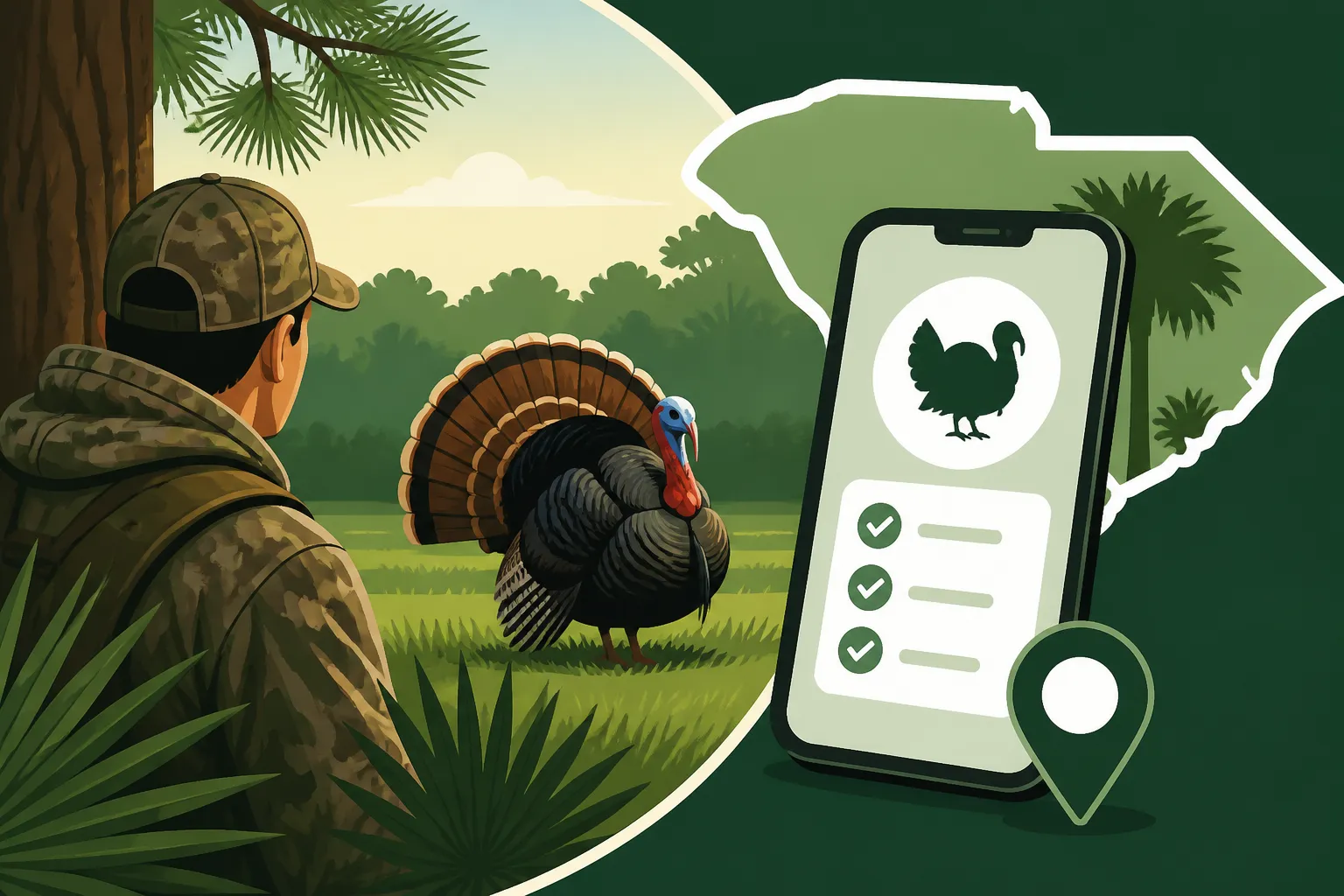
South Carolina Turkey Reporting Through Game Check
The adrenaline is pumping, your heart is pounding, and you've just called in a magnificent South Carolina gobbler. The hard work is done, the bird is on the ground – now what? For many hunters, the joy of a successful harvest is quickly followed by the confusion of the state's reporting requirements. It's easy to feel overwhelmed by the process, especially when you're out in the field. This comprehensive guide is designed to demystify South Carolina's turkey reporting through the Game Check system, ensuring you can comply with regulations effortlessly and continue to enjoy our fantastic turkey seasons.
The Importance of Game Check for South Carolina Turkeys
Reporting your harvested turkey through the Game Check system isn't just a bureaucratic hoop to jump through; it's a critical component of wildlife management and conservation efforts in our state. Every single report contributes to a larger picture that helps maintain healthy turkey populations for generations to come.
Why Your Report Matters to Wildlife Management
When you take the time to accurately report your turkey harvest, you're essentially providing vital data points to the South Carolina Department of Natural Resources (SCDNR) biologists. These dedicated professionals use this collective information to monitor the health and trends of our wild turkey populations across the state. They look at harvest numbers by county, observe changes in gobbler age structure, and analyze success rates to understand how hunting pressure impacts the overall population. Without this data, it would be incredibly challenging for them to make informed decisions about future seasons, bag limits, and management strategies.
Imagine if everyone decided not to report their birds. SCDNR would be flying blind, unable to see if populations were declining in certain areas or if hunting pressure was becoming unsustainable. Your report, however small it might seem, helps ensure that SCDNR can set responsible limits, identify areas needing habitat improvement, and develop plans to keep our wild turkey numbers robust. This directly impacts the quality of hunting experiences for all of us in the long run. By understanding South Carolina Turkey Population Trends, you can appreciate just how vital each piece of data is.
Legal Requirements and Penalties for Non-Compliance
Let's be clear: reporting your turkey harvest is not optional in South Carolina. It's a legal requirement for every hunter. Once you've harvested a wild turkey, you must validate that harvest through the SCDNR's Game Check system. This validation process must occur before the carcass is moved from the point of harvest to a processing facility or taxidermist, or before it's otherwise placed in cold storage at home. The only exception is if you're taking it to a WMA check station, where they'll often handle the initial check for you.
Failing to report your harvest is a violation of state hunting regulations. While nobody wants to think about fines or other penalties after a successful hunt, the reality is that non-compliance can lead to citations, monetary fines, and potentially even the loss of your hunting privileges. It's just not worth the risk. The system is designed to be accessible and straightforward, removing any valid excuse for not reporting. So, taking a few moments to understand and follow the process is not only good for conservation but also keeps you on the right side of the law.
Navigating the South Carolina Game Check System
SCDNR has made an effort to provide flexible options for hunters to report their harvests, recognizing that not everyone has cell service deep in the woods or prefers using a specific technology. You can choose between an online portal or a dedicated phone system, both designed to be user-friendly.
Overview of the Online and Phone Reporting Options
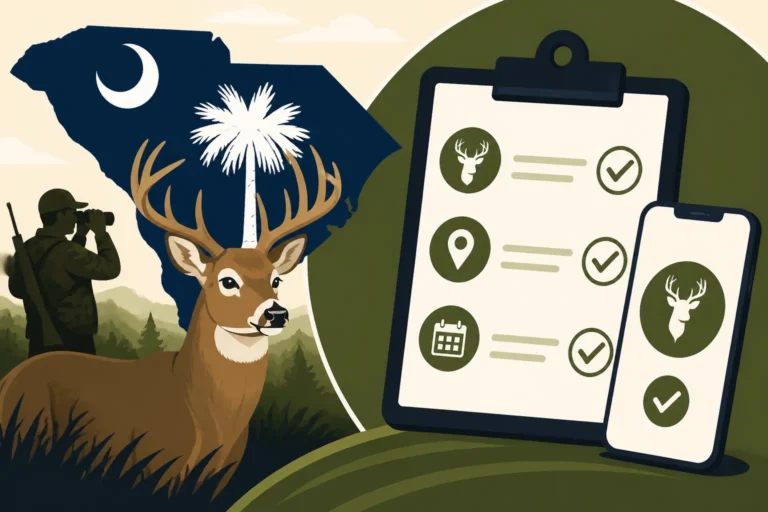
The primary way most hunters interact with Game Check is through the Go Outdoors South Carolina website. This online portal is accessible from any internet-connected device, whether it's your smartphone, tablet, or home computer. It allows for a direct, guided input of all the necessary harvest details. For those who might be in an area with spotty internet service, or who simply prefer the traditional method, a phone-in reporting system is also available. Both methods require the same basic information, so it's really about personal preference and convenience given your hunting location and habits.
It's a good idea to familiarize yourself with both options before opening day. Knowing your backup plan if, say, the website is undergoing maintenance or your cell signal drops out can save you a lot of stress. Many hunters even use apps like GoHunt to keep a detailed log of their hunts, including harvest information, which can then be easily transferred to the official Game Check system when they have service. This pre-planning can make the post-harvest reporting much smoother.
Step-by-Step Online Reporting with Go Outdoors SC
Reporting your turkey online through the Go Outdoors SC website is generally the quickest and most preferred method for many hunters. Here’s a breakdown of the typical steps you’ll follow:
- Access the Portal: Head to the Go Outdoors South Carolina website. Look for the "Game Check" or "Harvest Reporting" section. You'll likely need to log in using your customer ID (usually your license number) and password. If you haven't set up an account before, you might need to register first, which is a simple process.
- Initiate Report: Once logged in, you'll find an option to "Report a Harvest." Select "Turkey" as the game species you're reporting.
- Enter Harvest Details: This is where you'll input all the specifics of your successful hunt. You'll need your license number, the date and exact time of harvest, the county where the bird was taken, and the sex of the bird (gobbler). Remember, as per current regulations, only gobblers are legal during the spring season. Accuracy here is paramount, especially for the county, as this helps SCDNR track localized population data.
- Confirm and Submit: Review all the information you've entered carefully. Double-check the date, time, and county. Once you're confident everything is correct, hit the submit button.
- Receive Confirmation Number: After successful submission, the system will provide you with a unique confirmation number. This number is your official validation of the harvest. You must record this number. In South Carolina, this confirmation number essentially becomes your physical tag. Write it down on a piece of paper, take a screenshot on your phone, or better yet, make note of it in your hunting app like GoHunt, which can securely store this information for you. This number must remain with the carcass until it reaches its final destination for processing or consumption.
This online method is generally quite efficient, especially if you have a reliable internet connection. It allows you to complete the task quickly and get back to enjoying your successful hunt. For details on what's allowed, refer to the South Carolina Spring Turkey Season Rules.
Reporting Your Turkey via Phone
While the online portal is popular, the phone-in system remains a vital alternative for many, particularly when you're deep in an area without cell signal or preference for digital tools. Here’s how it typically works:
- Locate the Number: You'll need to call the dedicated SCDNR Game Check phone number. This number is usually printed on your hunting license or can be found on the SCDNR website. Keep it handy, maybe saved in your phone or written on your license.
- Automated System: Upon calling, you’ll be greeted by an automated system. It will typically prompt you to enter your license number. Have it ready.
- Follow Prompts: The system will then guide you through a series of questions, asking for the same information required for online reporting: date of harvest, time, county, and species (turkey) and sex (gobbler). Use your phone's keypad to input the corresponding numbers or speak clearly when prompted.
- Listen for Confirmation: Just like the online system, the phone system will issue you a confirmation number upon successful completion. This is your official validation. It is absolutely crucial to write this number down accurately. You won't have a screen to screenshot, so a pen and paper are your best friends here. Keep this number with your bird.
The phone system is designed to be straightforward, but it requires careful listening and accurate input. Having all your information prepped before you dial can make the process much smoother and faster. It's a reliable backup or primary method for those who prefer not to deal with web interfaces after a long morning of Roost Hunting South Carolina Gobblers.
What Information You'll Need to Report Your Turkey
Accurate reporting is key, and that means knowing exactly what information you need to provide. Beyond the basics, there are specifics about your bird and the hunt itself that SCDNR requires to build its robust data sets.
Identifying Your Bird: Gobbler, Jake, or Hens
For South Carolina's spring turkey season, the regulations are quite specific about what you can harvest. Currently, the season is strictly for gobblers. This means you need to accurately identify if your bird is a mature gobbler or a jake (a juvenile male). While jakes were historically legal in South Carolina, the regulations changed to prohibit their harvest in an effort to help the turkey population rebound. This decision, impacting seasons from 2025 onward, highlights why accurate reporting of the bird's sex is so important for management. If you harvest a turkey, you must confirm it's a gobbler before reporting.
You won't be reporting hens in the spring season, as they are protected to allow them to nest and raise poults. Misidentifying your bird and reporting incorrectly could lead to issues, so always be sure of your target before pulling the trigger, and double-check your identification before submitting your Game Check report. This direct link to conservation efforts is why understanding Why South Carolina Banned Jake Harvest is so crucial.
Location, Date, Time, and Tag Number Details
These are the fundamental pieces of information that every Game Check report hinges upon. Each one contributes to the larger data picture SCDNR uses to manage our wildlife.
- Location: You'll need to specify the county where you harvested the turkey. This is usually a dropdown menu or a list when reporting online, or an automated prompt on the phone. Knowing the specific county helps biologists understand regional harvest trends. If you're hunting near a county line, be absolutely sure which side you're on! Some apps, including GoHunt, offer GPS tracking that can tell you your exact location and county, which is incredibly helpful.
- Date and Time of Harvest: Provide the precise date and as accurate a time as possible when you harvested the bird. This data helps SCDNR identify peak hunting times and success rates throughout the season.
- Tag Validation and Confirmation Number: Once you’ve entered all the necessary information and submitted your report, you'll receive a confirmation number. This is not just a receipt; it is literally your validated tag for that specific bird. You no longer physically tag the bird with a paper tag from your license; the confirmation number serves that purpose. This number must accompany the turkey carcass until it's processed or consumed. For example, if you take your bird to a local processor, they'll need that confirmation number. Losing it could be problematic, which is why noting it somewhere secure, like in a waterproof bag or your GoHunt app, is always a smart move.
Collecting all this information accurately and having it ready before you start the reporting process will ensure a smooth and quick experience, letting you get back to admiring your hard-earned gobbler. SCDNR wants to know What Game Check Wants From a Fresh-Killed Bird to ensure proper data collection.
Common Pitfalls and Troubleshooting Game Check Reporting
Even with the best intentions and preparation, things can sometimes go awry. From technical glitches to simply forgetting a piece of information, there are common challenges hunters face when reporting their harvest. Knowing how to navigate these can save you a lot of frustration.
Dealing with Technical Glitches and No Service Areas
It's an all-too-common scenario: you've just made a perfect shot on a gobbler after a long morning of Run-and-Gun Turkey Tactics on Public Land, and you reach for your phone to report, only to find you have no cell service. Or perhaps the Go Outdoors SC website seems to be experiencing issues. Here's how to handle these situations:
- No Cell Service: If you're hunting in remote areas, this is a very real possibility. The primary rule is that you must report the harvest before moving the carcass from the field, unless you're moving it to a place with service. If you know you'll be in an area without service, plan ahead. Many mapping apps, like the ones offered by GoHunt, allow you to download maps for offline use, which can help you identify county lines and your exact location without a signal. If you harvest a bird and have no service, you need to move the bird to the nearest location where you can get service (or to a WMA check station if available) and report it immediately. Do not transport the bird home or to a processor without first reporting.
- Website/App Glitches: While rare, technical issues can happen. If the website is down or the app isn't working, try the phone reporting system as an alternative. Keep the SCDNR's main contact information handy in case you need to call and report an ongoing issue. It's better to make a good-faith effort and document your attempts than to do nothing at all.
- Battery Life: A dead phone battery is just as bad as no service. Ensure your phone is fully charged before heading out, and consider carrying a portable power bank, especially on longer hunts.
The key here is preparation and knowing your options. Having a plan B (like the phone system) and anticipating connectivity issues can prevent a lot of headaches.
Correcting Errors After Submission
Mistakes happen. Maybe you accidentally selected the wrong county, or perhaps you transposed a number in your license ID. If you realize you've made an error after submitting your turkey harvest report through Game Check, don't panic, but do act quickly.
The online and phone systems are generally designed for one-time submissions per harvest. You typically cannot go back and edit a submitted report yourself. Trying to re-submit with the correct information might just create duplicate records and further confusion.
The best course of action is to directly contact the South Carolina Department of Natural Resources (SCDNR) as soon as you discover the error. Explain the situation clearly, provide them with your confirmation number, license number, and all the correct details. SCDNR staff are usually very helpful in correcting these types of administrative errors. They understand that honest mistakes occur. Making an effort to correct inaccuracies demonstrates your commitment to compliance and helps ensure the integrity of the data they collect, which ultimately benefits South Carolina Turkey Population Estimate tracking.
Beyond the Basics: Understanding the "Why" Behind Reporting
Reporting a turkey harvest goes far beyond a simple regulatory step. It's an active participation in the long-term health and management of South Carolina's cherished wild turkey resource.
How Harvest Data Informs Future Turkey Seasons
Every piece of data you submit through Game Check is analyzed by SCDNR biologists. They compile annual harvest reports, looking at trends in harvest numbers, success rates by zone, and even the ratio of adult gobblers to jakes harvested (when jakes were legal). This data, combined with population surveys, poult-to-hen ratios, and habitat assessments, forms the backbone of South Carolina's turkey management plan.
For example, if harvest data shows a consistent decline in the number of adult gobblers taken in a particular region, or if overall harvest numbers are trending downwards statewide, this signals to biologists that a closer look is needed. Such trends might lead to adjustments in South Carolina's Statewide Turkey Bag Limit, changes to season lengths, or even specific regulations for different game zones. We’ve seen this happen recently with the changes to the jake harvest regulations and adjustments to the overall season structure, all driven by data indicating a need to bolster the turkey population. Your reporting directly contributes to these decisions, ensuring that regulations are based on science and not just guesswork.
The Hunter's Role in Conservation and Data Accuracy
As hunters, we are often described as the truest conservationists. This isn't just a feel-good slogan; it's a responsibility. Accurately reporting your turkey harvest is one of the most direct and impactful ways you fulfill that role. You are contributing to the scientific data collection that underpins all sound wildlife management.
When you take the extra minute to ensure the county is correct, the time is accurate, and the species is correctly identified, you are making a personal investment in the future of South Carolina's wild turkeys. Inaccurate or incomplete data can skew results, leading to misinformed management decisions that could negatively impact the resource we all value. Think of it this way: the more precise the information gathered from hunters, the better equipped SCDNR is to protect, preserve, and enhance our turkey populations. It's a partnership between hunters and wildlife managers, where every reported bird helps paint a clearer picture and secure the future of this incredible game animal.
Ultimately, proper reporting ensures that traditions like Hunting the Rut in the Coastal Zones or Hunting the Rut in the Upstate Zone will be enjoyed by generations to come.
Here’s a quick summary table to help keep your turkey reporting straight:
| Aspect | Required for Game Check | Common Pitfalls to Avoid |
|---|---|---|
| Hunter ID | Valid SC hunting license number | Incorrectly typing your license number |
| Species | Wild Turkey | N/A (should be obvious if you're reporting a turkey) |
| Sex of Bird | Gobbler (Jake harvest banned from 2025 onwards) | Misidentifying a jake as a mature gobbler |
| Date of Harvest | Exact date bird was taken | Estimating or guessing the date |
| Time of Harvest | As accurate as possible | Leaving blank or just putting "morning/evening" |
| County of Harvest | Specific county where bird was taken | Guessing county, especially near county lines |
| Confirmation Number | Received after submission; acts as official tag | Not recording it, losing it, or confusing it with license number |
| Deadline | Before moving carcass from point of kill | Waiting until you get home or after processing has begun |
| Method | Online via Go Outdoors SC or designated phone number | Assuming an old method still works |
Disclaimer
Please note that hunting regulations, license requirements, and reporting procedures can change. While this guide is compiled with the most current information available, it is always the hunter's responsibility to consult the official South Carolina Department of Natural Resources (SCDNR) regulations directly before heading afield. This content is for informational purposes only and should not be considered legal advice.