South Carolina Spring Turkey Opening Day
The crisp, cool air before dawn, the eager flutter of anticipation, and then that first, resonant gobble breaking the silence – there’s nothing quite like opening day of spring turkey season in South Carolina. However, between the excitement, many hunters find themselves wrestling with varying regulations and the sheer pressure of countless others sharing their passion. This guide will meticulously break down everything you need to know about South Carolina's spring turkey opener, helping you plan your hunt with confidence and increase your chances of tagging a bird.
Understanding South Carolina's Spring Turkey Season Opening Day
That magical first morning of spring turkey season in South Carolina is a day many of us mark on our calendars the moment the previous season closes. It's a fresh start, a renewed hope, and the culmination of months spent dreaming of that thunderous gobble. But it's also a day that brings with it some specific rules and variations that can trip up even experienced hunters if they're not careful.
The Statewide Opener and Key Dates
For many hunters, the private land opener is the date that truly matters. In South Carolina, the spring turkey season traditionally kicks off on March 15th for private lands across the entire state. This is a unified date, which simplifies things significantly compared to our deer season's zone-based openers. That means whether you're hunting the Lowcountry swamps or the Upstate foothills, if you're on private property, you can start chasing longbeards on that mid-March morning. The anticipation leading up to this day is palpable. Hunters have spent weeks, or even months, patterning birds, listening for gobbles, and making sure their gear is dialed in. Knowing that the entire state joins in this collective pursuit on the same day adds to the shared experience. This universal start date is designed to give hunters ample opportunity across South Carolina's diverse landscapes, from the coastal plains to the mountainous regions, allowing them to capitalize on the early stages of gobbler breeding behavior.
Distinctions for Wildlife Management Areas (WMAs)
Now, here’s where things get a little more nuanced, and it’s a detail that can easily lead to frustration or, worse, a violation if overlooked. While private land opens on March 15th, the Wildlife Management Areas (WMAs) in South Carolina typically operate on a different schedule. Generally, most WMAs don't open until April 1st. This later start date for public lands is a strategic management decision by the South Carolina Department of Natural Resources (SCDNR). The goal is often to alleviate some of the immense hunting pressure that public lands naturally receive, especially during opening week. By staggering the season, it can help distribute hunters and reduce immediate impact on the birds. This also gives the turkeys on public land a bit more time into their breeding cycle before hunting pressure commences, potentially aiding in better gobbler distribution and success rates. It is absolutely critical that if you plan to hunt a WMA, you consult the current year's SCDNR regulations specifically for that area. Many WMAs have unique rules regarding their opening and closing dates, legal weapons, hunting days (some are only open certain days of the week), and even specific quotas or sign-in requirements. Don't just assume; always check. For a deeper dive into these specifics, you'll find comprehensive details in our guide on South Carolina WMA Turkey Rules.
The No-Harvest Window Before April 10
This is another vital piece of information that every South Carolina turkey hunter, particularly those hunting private land, needs to engrave in their memory. While the season technically opens on March 15th for private land, there's a critical no-harvest period from March 15th through April 9th. This means that if you're out there between March 15th and April 9th, you can hunt, you can call, you can enjoy the woods, but you absolutely cannot harvest a turkey. The legal harvest period for private land only begins on April 10th and runs through May 10th. This regulation can be a bit confusing at first glance – why open the season if you can't shoot a bird? The rationale behind this "no-harvest" window is rooted in turkey biology and conservation. It's designed to allow gobblers to breed a significant portion of the hens before intense hunting pressure begins. By giving the birds this crucial time for propagation, the SCDNR aims to bolster reproductive success and ensure the long-term health of the turkey population. It's a critical tool in balancing hunting opportunity with conservation goals. Missing this detail can lead to serious legal consequences, so always double-check the current regulations. You can learn more about this specific timing in our article, The No-Harvest Window Before April 10.
Navigating Opening Day Regulations and Bag Limits
Understanding the nuances of opening day regulations goes beyond just knowing the date. It’s about being intimately familiar with how many birds you can take, what kind of birds are legal, and how you’re required to report your success. These rules are in place to ensure a sustainable turkey population for all South Carolina hunters for years to come.
Statewide Bag Limits and Daily Restrictions
South Carolina has a very specific and carefully managed bag limit for spring gobblers. For the entire spring season, hunters are allowed a maximum of two gobblers. This isn't two per zone or two per property; it's a statewide, total limit for the season. This rule applies whether you're a resident or a non-resident. On any given day, you are generally restricted to harvesting only one gobbler. This daily limit prevents hunters from taking multiple birds in a single outing, which could put undue pressure on local populations. The two-gobbler season limit encourages hunters to be selective, to truly earn their birds, and to spread out their hunting efforts over the course of the season, rather than trying to fill their tags in one weekend. This approach contributes significantly to the overall health and stability of the state's wild turkey numbers. It’s a good practice to review the full details of these limits, which you can find in our guide on the South Carolina Spring Turkey Bag Limit.
The End of Jake Harvest
One of the most significant changes in South Carolina turkey hunting regulations in recent memory is the prohibition of harvesting jakes. Starting in 2025, it became illegal to harvest jakes during the spring turkey season. This rule change has sparked a lot of discussion among hunters, and it’s understandable if you feel a bit frustrated by it, especially if you’ve always considered a jake a legal and often challenging bird to pursue.
However, the decision to end jake harvest was not made lightly. It’s a direct response to declining turkey populations and poult-to-hen ratios observed across much of the Southeast, including South Carolina. Jakes, being sexually immature males, represent the future breeding stock of the wild turkey population. By protecting them, wildlife managers aim to increase the number of 2-year-old gobblers in the woods the following season. These older, more mature gobblers are crucial for successful breeding, as they typically do a disproportionate amount of the breeding. The theory is that allowing these jakes to mature into full-fledged gobblers will lead to a healthier, more robust, and more huntable turkey population in the long run. While it might feel restrictive now, it’s a proactive conservation measure designed to safeguard our beloved spring turkey hunting tradition for generations to come. For an in-depth look at the reasoning and implications, check out our article, Why South Carolina Banned Jake Harvest.
Reporting Your Harvest via Game Check
In South Carolina, harvesting a turkey isn't truly complete until you've reported it. The SCDNR mandates that all harvested turkeys be reported through their Game Check system. This isn't just a bureaucratic hoop to jump through; it's a vital component of wildlife management. The data collected from Game Check—number of birds harvested, location, date, time—provides invaluable information to biologists who use it to monitor population trends, assess management strategies, and make informed decisions about future season structures and bag limits.
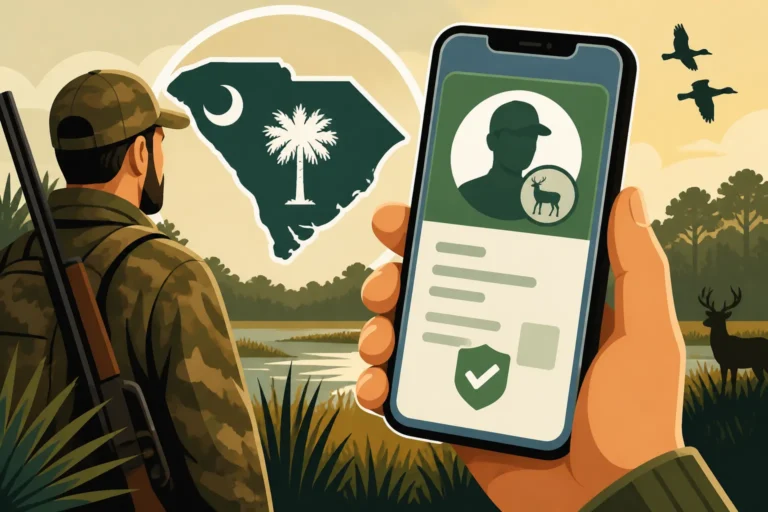
The good news is that reporting is straightforward and can usually be done right from your phone. The quickest and most convenient way is through the Go Outdoors SC app, which is a fantastic resource for all your South Carolina hunting and fishing needs. You can also report online through the SCDNR website. Regardless of the method, you'll need to provide details about your harvest, including your license number, the date and county of harvest, and whether it was an adult gobbler. The key is to report your bird quickly and accurately. There are specific deadlines for reporting, typically within 24 hours of harvest, so don't put it off. This mandatory reporting helps the SCDNR maintain a clear picture of the state’s turkey population, ensuring that our spring turkey hunting remains a sustainable sport. Our article on South Carolina Turkey Reporting Through Game Check goes into further detail about this essential step.
Essential Tactics for Opening Day Success
Opening day is a unique beast. The birds might be hot, but so are the hunters. Being successful often comes down to a combination of meticulous preparation, smart in-the-field decisions, and the ability to adapt. You can’t just walk out into the woods and expect a gobbler to fall in your lap, especially with the added pressure of the season opener.
Scouting Before the Season Opens
True success on opening day almost always begins long before the first legal shooting light. Pre-season scouting is your most potent weapon. This isn't just a casual stroll through the woods; it's a strategic mission to understand the local turkey population's daily routine. You want to pinpoint key areas: where they roost, where they fly down, where they strut, and where they feed.
Start by listening. Before the season, spend those early mornings in the woods, listening for gobbles off the roost. This will tell you where the birds are settling in for the night. Once you've located a roost, observe their flight path off the limb. Do they drop into a field edge? Do they hit a logging road? Then, look for visual sign: tracks in soft dirt, strut marks in open areas, and fresh droppings. Scratches in leaf litter will tell you where they've been feeding. Areas with good mast crops from the previous fall, like oak ridges, or fields that have recently been planted with wheat or oats, are prime spots to focus on. Tools like GoHunt or other mapping apps can be invaluable during this phase. Use them to mark potential roost trees, strut zones, and travel corridors. Having these spots identified well in advance means you're not wasting precious opening morning hours stumbling around in the dark. Instead, you can slip into a prime position, set up quietly, and be ready for the show when the woods come alive. For more specific strategies on locating birds, consider reading our post on Roost Hunting South Carolina Gobblers.
Opening Day Setups and Calling Strategies
Once you've done your scouting and you know where the birds should be, your opening day setup becomes critical. The goal is to get as close as possible to a roosting gobbler without spooking him, and then position yourself for a shot when he flies down or comes in. Getting to your chosen spot well before first light is non-negotiable. Sneak in under the cover of darkness, get comfortable, and wait.
When it comes to calling, opening day can be a mixed bag. Some gobblers will be extremely vocal and aggressive, especially early in the season before they’ve been pressured. Others might be "henned up" – meaning they already have hens with them – and will be much harder to pull away. Start with soft, subtle calls. A few tree yelps as light breaks can often get a gobbler to announce his position. Once he flies down, gauge his response. If he’s gobbling hard and heading your way, resist the urge to overcall. Less is often more. If he hangs up or gets quiet, you might need to get a little more aggressive with cutts and yelps, or even try to mimic multiple hens to pique his interest. Decoy placement can also be a game-changer. A lone hen or a jake/hen combination can often provide that visual confirmation a hung-up gobbler needs to commit. Remember, every bird is different, and being able to adapt your calling strategy on the fly is a hallmark of a successful turkey hunter. You can find more specialized techniques in our guide, Calling a South Carolina Gobbler Off the Roost.
Adapting to Pressure and Weather
Opening day of any hunting season brings increased pressure, and spring turkey isn't an exception. On public lands and even some heavily hunted private tracts, you might encounter other hunters. The key here is to be aware, be respectful, and be prepared to adjust your plans. If another hunter beats you to your spot, or you hear calls in the distance, don't press the issue. It's often better to move to a secondary location or even try a completely different area. Having backup spots identified during your scouting is invaluable for this reason.
Weather, as always in South Carolina, is another major factor. Warm, clear mornings with light winds are often ideal, promoting gobbling and bird movement. However, South Carolina springs can be notoriously unpredictable. A cold front moving through can make gobblers tight-lipped. Heavy rain can put a damper on activity, though light drizzles can sometimes improve success by softening the forest floor and making turkeys more visible. Windy conditions can make it hard to hear birds and for birds to hear your calls, forcing you to adjust your calling volume and listen much more intently. Be prepared with appropriate clothing layers for fluctuating temperatures and a good set of rain gear. Staying comfortable and dry will allow you to stay in the woods longer, increasing your odds. Patience is paramount, especially when conditions aren't perfect.
Gear and Preparedness for the First Light
Having the right gear and being properly prepared can make or break your opening day experience. It’s not just about what you shoot with, but everything that helps you stay comfortable, safe, and effective in the field.
Crucial Gear for South Carolina Spring
Let's talk about the essentials. First and foremost, your shotgun. A 12-gauge or 20-gauge with a tight choke (like a full or extra-full) and quality turkey loads is the standard. Pattern your shotgun beforehand to know its effective range and shot density. Our detailed article on Turkey Shotguns and Chokes can help you make informed decisions here. Next, calls are non-negotiable. Carry a variety: a mouth call for hands-free calling, a slate or glass call for realistic hen sounds, and maybe a box call for louder locator calls or reaching out across open fields. Camouflage is crucial; blend into your surroundings completely. Head-to-toe camo, including a face mask and gloves, is essential for breaking up your silhouette. Don’t forget a comfortable, lightweight vest with a built-in seat cushion or a small portable stool, especially for those long waits. Insect repellent, particularly for ticks and mosquitoes, is a must as spring warms up in South Carolina. A small first-aid kit, a headlamp for walking in and out in the dark, and plenty of water will round out your critical gear list.
Safety Considerations
While turkey hunting is generally a safe pursuit, vigilance is always required. One of the most critical safety rules is positive target identification. In South Carolina, blaze orange is generally not required for turkey hunting (unless you're walking in or out during a big game season where it is required, like deer). This means hunters are often dressed in full camouflage. Therefore, you must be 100% certain of your target before you pull the trigger. Never shoot at sound or movement. Identify the beard and the head of the gobbler. If you're hunting with a partner, always communicate your positions clearly. When moving through the woods, it’s a good practice to wear a piece of blaze orange, like a hat or vest, and then remove it once you've set up your position. This adds a layer of safety, especially in heavily hunted areas. Always be aware of your surroundings, know where other hunters might be, and hunt defensively.
Using Technology to Your Advantage
In today's hunting world, technology can be a powerful ally. Smartphone apps have revolutionized how many of us scout and navigate. For South Carolina turkey hunters, an app like GoHunt can be incredibly beneficial. These apps typically offer detailed satellite imagery, topographical maps, and public/private land ownership overlays. During your pre-season scouting, you can drop pins on roost locations, strut zones, and natural funnels. On opening day, the GPS capabilities can help you navigate silently to your chosen setup spot in the dark, ensuring you don't get turned around. They can also help you understand property lines, which is crucial if you're hunting near a boundary. You can mark where you last heard a gobble, where you set up your blind, or even where you ended up harvesting a bird. Carrying a portable power bank is a smart move to keep your phone charged throughout the day, ensuring your navigation and communication tools remain active. While it's easy to get lost in the digital world, remember that these tools are best used as aids to your hunting skills, not replacements for them.
| Rule/Regulation | Private Land (March 15 – May 10) | WMA Land (Varies) |
|---|---|---|
| Season Opening Date | March 15 | Generally April 1 (check specific WMA rules) |
| Harvest Window | April 10 – May 10 (No harvest March 15 – April 9) | Varies by WMA (check specific WMA rules) |
| Season Bag Limit | Two (2) Gobblers Statewide | Two (2) Gobblers Statewide (WMA specific rules may apply) |
| Daily Bag Limit | One (1) Gobbler | One (1) Gobbler |
| Jake Harvest | Prohibited (Starting 2025) | Prohibited (Starting 2025) |
| Mandatory Reporting | Required via Game Check | Required via Game Check |
| Blaze Orange Requirement | Generally not required (unless during concurrent big game season or moving between stands) | Generally not required (unless during concurrent big game season or moving between stands) |
Disclaimer
Please remember that hunting regulations can change. It is always the hunter's responsibility to consult the most current South Carolina Department of Natural Resources (SCDNR) regulations guide before heading afield. This guide provides general information and should not be considered a substitute for official state publications.