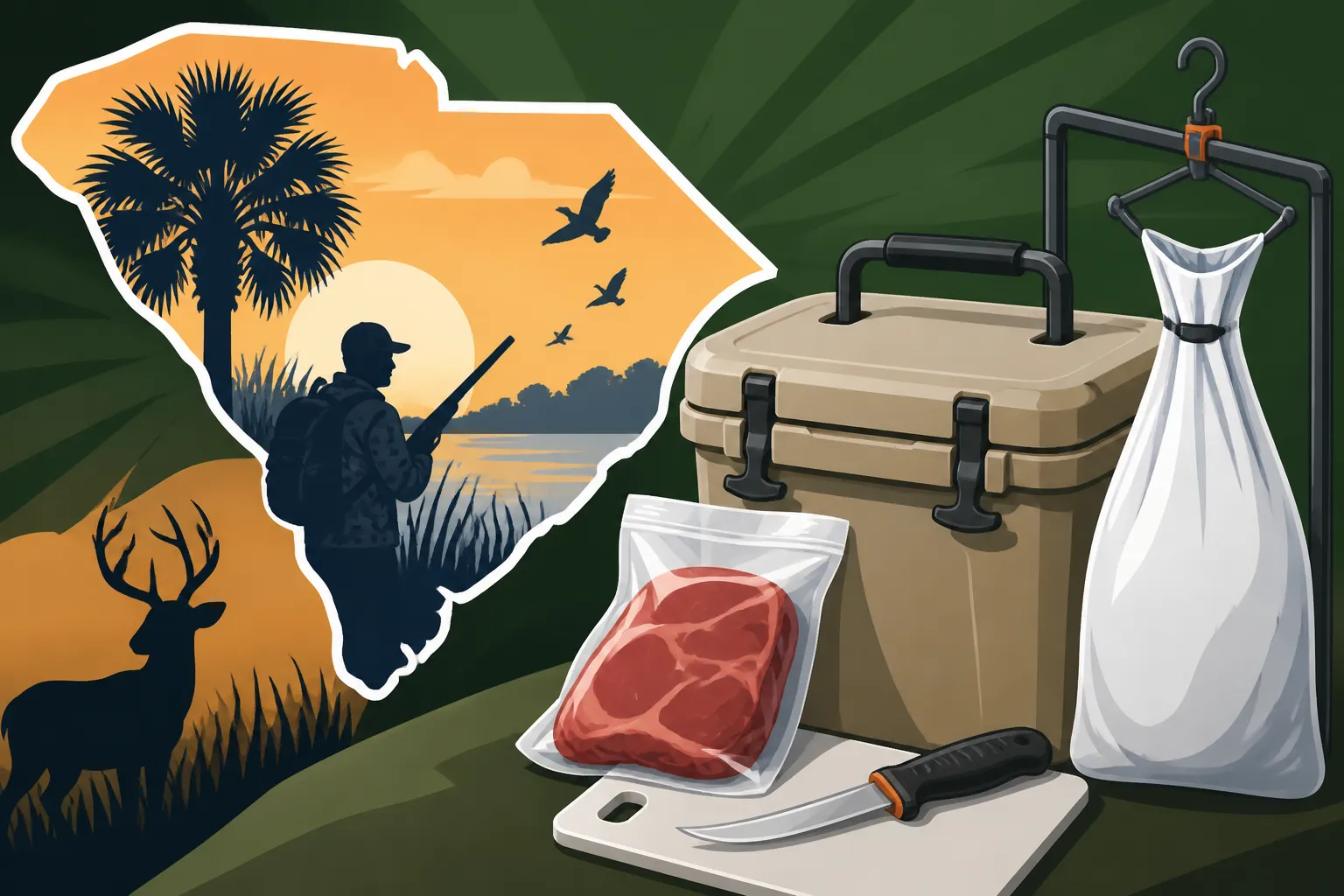
Meat Care Gear for South Carolina Hunters
Hunting in South Carolina often means battling more than just weary legs and elusive game; it means fighting the clock against warm temperatures and humidity that can quickly compromise your hard-earned harvest. Nothing is more frustrating than putting in the effort to take a deer, hog, or bear, only to have the meat suffer due to improper care in the field or on the way home. This guide is your comprehensive resource for mastering meat care, providing you with the gear and strategies you need to ensure every ounce of protein makes it to your table in peak condition, from the moment of harvest to the freezer.
Understanding the South Carolina Challenge
South Carolina's unique climate and terrain present specific hurdles for game meat preservation. It's not like hunting in colder northern states where you might have days of natural refrigeration. Here, proactive and rapid action is absolutely critical. Understanding these challenges is the first step toward effective meat care.
Warm Weather Woes
Our deer season, particularly the early opener in Zones 3 and 4 (the Lowcountry and Midlands), often coincides with peak summer heat. Imagine an August morning where the thermometer is already nudging 80 degrees by 9 AM. A deer harvested under these conditions needs immediate attention. Internal body heat, coupled with high ambient temperatures, creates a perfect breeding ground for bacteria. Meat begins to spoil rapidly above 40°F (4°C), and a deer carcass holds a lot of residual heat. Every minute counts when the sun is beating down, turning your potential venison steaks into a health hazard. The goal isn't just to get the hide off, but to get that core temperature dropping as quickly as humanly possible, minimizing the time the meat spends in the "danger zone."
Humidity and Microbes
Beyond just the heat, South Carolina's pervasive humidity is a silent killer for game meat. High moisture in the air encourages the rapid growth of bacteria, molds, and yeasts that feast on exposed meat. Moreover, our humid environment is home to an abundance of insects, particularly flesh flies, yellow jackets, and gnats, which are immediately drawn to an open carcass. These insects can quickly contaminate the meat, laying eggs that can hatch into maggots within hours, especially in warmer conditions. The challenge isn't just to keep the meat cool, but to keep it clean, dry, and protected from airborne contaminants and pests that thrive in our sultry climate.
Remote Retrievals
Whether you're hunting the vast swamps of the Francis Marion National Forest or navigating thick pine plantations in the Sumter National Forest, public lands in South Carolina can be incredibly dense and far from vehicle access. Dragging a deer, especially a large buck or a bear, for long distances, especially in the heat, is exhausting and detrimental to the meat. The physical exertion of dragging can generate more heat in the carcass, further raising its temperature. Furthermore, a long drag over rough terrain can tear hides, grind dirt, pine straw, and debris into the meat, increasing contamination risk. Planning your hunt with retrieval in mind is paramount. Utilizing mapping tools like GoHunt to identify terrain, mark potential extraction points, and pinpoint the shortest, most accessible path from your likely hunting area to vehicle access can drastically reduce this challenge. Knowing where you might need to go before the shot is fired will save you invaluable time and effort, directly impacting the quality of your meat. Scouting South Carolina Public Land Before Season is not just about finding game, but about planning for the aftermath.
Essential Field Dressing Tools
Proper meat care begins the moment an animal hits the ground. Having the right tools readily available for immediate field dressing is non-negotiable, particularly in South Carolina's challenging environment. These aren't just luxuries; they're necessities for ensuring your harvest doesn't go to waste.
Knives and Sharpeners
A sharp knife is the single most important tool for efficient field dressing. Trying to gut an animal with a dull blade is not only frustrating and dangerous, but it also leads to ragged cuts that can tear internal organs, contaminating the meat. Many hunters opt for a fixed-blade knife with a sturdy, ergonomic handle and a blade length between 4 to 6 inches. Drop-point blades are versatile, while some prefer a gut hook for easily unzipping the abdominal cavity without puncturing intestines. Increasingly popular are replaceable-blade knives, such as those offered by companies like Havalon or Outdoor Edge, which ensure you always have a razor-sharp edge without needing to stop and sharpen in the field. Whichever you choose, always carry a small, portable sharpening stone or a ceramic stick sharpener to keep your edge keen. A quick touch-up can make all the difference in a clean, swift job. For a deeper dive into the immediate post-harvest process, check out Field Dressing a Deer in Warm Weather.
Gloves and Wipes
Hygiene might not be the first thing you think of when covered in blood and grime, but it's paramount for meat quality and hunter safety. Always carry several pairs of disposable nitrile gloves. These protect your hands from bacteria and potential diseases, and just as importantly, they prevent you from introducing contaminants from your hands (like dirt, sweat, or even insect repellent) directly onto the meat. After field dressing, wet wipes or a roll of paper towels can be invaluable for cleaning your hands, knives, and any other exposed tools. Follow up with a small bottle of hand sanitizer. Remember, even if you plan to process the meat at home, the initial contamination prevention starts in the field.
Field Dressing Kit Considerations
Beyond just knives and gloves, a well-thought-out field dressing kit can include several other items that make the process smoother and safer. A small flashlight or headlamp is crucial if you're working in low light, which is common during early morning or late evening hunts. A roll of paracord or stout string can be used to tie off the anus or esophagus, preventing leakage. Zip ties can be handy for securing game bags or even tagging the animal. Some hunters carry a small bone saw, particularly for opening the rib cage or detaching the head for taxidermy. Pack everything into a waterproof, easy-to-access pouch that you can clip to your pack or belt. Keeping this kit organized and complete means less fumbling when the moment arrives, which is precious time when the clock is ticking on meat preservation.
The Art of Rapid Cooling
Once field dressed, the most critical next step in South Carolina's heat is to rapidly cool the carcass. This isn't just about throwing it in the shade; it's about actively drawing heat out of the meat to prevent bacterial growth.
Game Bags and Breathability
Forget plastic tarps or garbage bags for wrapping your meat – they trap heat and moisture, creating a sauna for bacteria. What you need are breathable cloth game bags. These bags serve several vital functions: they protect the meat from flies and other insects, keep dirt and debris off, and most importantly, allow air to circulate around the carcass, facilitating cooling. Modern game bags are typically made from a synthetic blend that is durable, lightweight, washable, and resistant to blood absorption. Cotton bags are also an option, but synthetic often holds up better to repeated use and cleaning. Choose bags appropriate for the size of your animal; some hunters prefer larger bags for a whole deer carcass (if quartering isn't immediately possible), while others use smaller bags designed for individual quarters.
| Game Bag Material | Pros | Cons | Ideal Use Case |
|---|---|---|---|
| Synthetic (e.g., Nylon) | Breathable, lightweight, durable, reusable, good insect barrier | Can be more expensive initially | General purpose, backpacking, multiple seasons |
| Cotton | Good breathability, affordable, reusable | Heavier when wet, can stain more easily, less durable | Local hunts, short-term use, larger carcasses |
| Cheesecloth | Very breathable, inexpensive | Fragile, poor insect barrier, not reusable | Emergency, very short-term, supplemental protection |
| Plastic Bags/Tarps | Waterproof, readily available, cheap | DO NOT USE FOR MEAT CARE, traps heat/moisture | Transport outside of meat bags, gear protection |
Ice and Cooler Strategies
Getting ice on or into the carcass is often the most effective way to drop the core temperature. For smaller animals or quartered game, pre-chilled coolers are essential. Don't just dump ice into a warm cooler; fill it with ice the day before to chill the insulation, then drain and add fresh ice just before heading out. When packing game, always use plenty of ice. Block ice melts slower than cubed ice, making it ideal for longer transport or if you can't replenish supplies frequently. If you've field dressed a whole deer, consider putting bags of ice directly into the body cavity. This requires careful management to ensure melted water drains away, as submerging meat in bloody water is detrimental. Layer meat and ice in your cooler, ensuring meat isn't directly touching the cooler walls, which can be warmer. When you're out in the field, knowing your exit strategy and the closest access roads, perhaps pre-marked on your GoHunt app, helps you get back to your vehicle and those waiting coolers swiftly.
The Role of Quartering in the Field
In South Carolina's heat, field quartering or boning out an animal is arguably the most impactful strategy for rapid cooling and easier transport. By breaking down the carcass into its four primary muscle groups (shoulders, hams/rounds, backstraps, tenderloins), you dramatically increase the surface area exposed to air and cooling, allowing heat to escape much faster than from an intact animal. This method also significantly reduces the weight you need to transport, making for a much easier exit from remote areas. When boning out, remove all bones, excessive fat, and connective tissue, which can hold heat and contribute to off-flavors. Place the clean, deboned meat into separate game bags. While it requires more initial effort and skill in the field, the benefits for meat quality and ease of transport are immense, especially for larger deer or feral hogs. For detailed steps on processing, check out Butchering a Deer at Camp, which also touches on field quartering.
Transporting Your Harvest Safely
Getting your game out of the woods and home or to a processor is often the most physically demanding part of the hunt, and it's another critical juncture for meat care. A careful approach ensures your cooling efforts aren't undone during transit.
Deer Carts and Sleds
Unless you're blessed with flat, open terrain and a short drag, a deer cart or sled is an invaluable piece of gear for South Carolina hunters. Deer carts, often featuring two large wheels and a sturdy frame, allow you to haul a whole deer with much less effort than dragging, keeping the carcass elevated off the ground and preventing excessive heat buildup from friction. They are particularly effective on relatively clear trails or logging roads. Sleds, on the other hand, are heavy-duty plastic or fabric sheets designed for pulling. They excel in thick brush, pine straw, muddy swamps, or uneven terrain where wheels might get bogged down. For instance, Dragging a Deer Out of a Swamp becomes significantly easier with a good sled, preventing the animal from getting stuck in muck and reducing contamination. Before the season, scouting these routes on GoHunt to identify obstacles like deep ditches or thick briar patches can help you choose the right cart or sled and plan an efficient path. Consider the terrain you hunt most often when making your choice. In the lowcountry, with its often soft, sandy, or muddy ground, a sled might be more practical than a wheeled cart. Learn more about specific options in Deer Carts for Coastal Plain Ground.
Truck Bed Liners and Tarps
Your vehicle is the final leg of the journey home, and keeping it clean and sanitary is important for both future hunting trips and preventing cross-contamination. A spray-in or drop-in truck bed liner is a great investment for hunters, providing an easily washable surface. For those without, a heavy-duty vinyl or canvas tarp is a must-have. Lay it out flat in your truck bed before loading the animal. This creates a barrier against blood, hair, and fluids, which can be difficult to clean from carpeting or bare metal. If you've quartered your animal, placing the game-bagged meat into large, clean plastic totes or dedicated game coolers (with drainage) offers even better protection and helps organize the meat. Always prioritize cleanliness; any blood or fluids left in your vehicle can become a source of odor and bacteria.
Protecting Meat During Transit
Even if you've done an excellent job cooling the meat, a long drive home in a warm vehicle can negate all your hard work. Keep the meat as cool as possible during transit. If the animal is whole, ensure bags of ice are inside the body cavity, and that drainage is set up to prevent submersion in meltwater. For quartered meat in coolers, ensure there's plenty of ice, and that the drain plug is open to let out excess water, or drain it periodically. If the meat is exposed in an open truck bed, consider covering it with a reflective tarp, especially on sunny days. This can significantly reduce radiant heat absorption. Secure the animal or coolers to prevent shifting and bruising during bumpy rides. Bruised meat can lead to blood clots and discolored areas, which might need to be trimmed, reducing your overall yield.
Butchering at Home or Camp
Once your game is out of the field and safely transported, the next step is processing the meat into usable cuts. While some hunters opt for commercial processors, learning to butcher your own game is a rewarding skill that gives you complete control over the final product.
Cutting Boards and Knives for Processing
A clean, stable workspace is paramount for home butchering. Large, food-grade plastic cutting boards are ideal as they are non-porous, easy to sanitize, and won't dull your knives as quickly as some wood surfaces. Have several on hand so you can separate trimming areas from final cuts. For knives, a sharp boning knife (6-8 inches, flexible blade) is excellent for separating meat from bone and silverskin. A larger slicing knife (10-12 inches) helps with steak cuts, and a smaller utility knife (3-4 inches) is useful for precision trimming. Again, having a sharpening steel or pull-through sharpener readily available is crucial for maintaining razor-sharp edges throughout the process. Don't forget fresh nitrile gloves for this stage too; it keeps the meat clean and protects your hands.
Grinders and Saws
If you plan on making ground meat, sausages, or bone-in cuts, a meat grinder and a saw are indispensable. Electric meat grinders come in various sizes and motor strengths; a decent home grinder can handle deer and hog meat with ease. They typically come with different plates for coarse or fine grinding. For making sausages, a sausage stuffer attachment or a dedicated stuffer can be added. If you prefer bone-in cuts like ribs, chops, or shanks, a small bone saw (manual or electric) makes quick work of bones. Always ensure all components of your grinder and saw are thoroughly cleaned and sanitized after each use to prevent bacterial contamination. Regular maintenance ensures longevity and hygiene for these crucial tools.
Vacuum Sealers and Storage
The best way to preserve the freshness and flavor of your processed game meat for long-term freezer storage is with a vacuum sealer. These machines remove all air from around the meat, preventing freezer burn, extending shelf life, and preserving texture. Use high-quality, thick vacuum seal bags that are resistant to punctures. Label each package with the cut of meat and the date it was processed. For those without a vacuum sealer, heavy-duty freezer paper, wrapped tightly and taped, can be an effective alternative, though not as long-lasting as vacuum sealing. Regardless of your method, ensure your freezer is set to 0°F (-18°C) or colder for optimal storage. Proper packaging and freezing protect your investment and ensure delicious meals months down the line.
Beyond the Basics: Advanced Meat Care Strategies
For the truly dedicated hunter, there are additional steps and gear that can elevate your meat care, especially in South Carolina's challenging conditions. These advanced strategies focus on maximizing tenderness, flavor, and long-term quality.
Aging Venison in South Carolina Conditions
Aging venison, typically done by hanging the carcass or quarters in a controlled environment for several days to a couple of weeks, allows natural enzymes to break down muscle fibers, resulting in more tender and flavorful meat. The challenge in South Carolina is finding a consistently cool and dry place. Ideal aging conditions are typically between 34-38°F (1-3°C) with moderate humidity and good air circulation. Simply hanging an animal in a garage during a warm fall week is a recipe for spoilage, not aging. Those who successfully age venison here often rely on specialized game coolers or dedicated walk-in refrigeration units that can maintain precise temperature and humidity. Without such a controlled environment, it's often safer to process the meat quickly to avoid spoilage. If you're serious about the best possible flavor and tenderness, understanding and investing in controlled aging is a game-changer. For considerations specific to our climate, see Aging Venison in Warm Weather.
Utilizing a Walk-In Cooler or Dedicated Refrigerator
For hunters who consistently harvest larger game or those who want to age their venison, a walk-in cooler or a dedicated, large refrigerator (often a commercial-style unit) is the ultimate solution. These units allow you to hang whole carcasses or large quarters, maintaining the precise temperature and humidity necessary for safe aging and temporary storage. A walk-in cooler offers ample space for multiple animals, making it ideal for hunting clubs or individuals with high harvest rates. For a more modest investment, a large commercial refrigerator or even a chest freezer converted with a thermostat controller can provide a similar environment for individual quarters or boned-out meat. The ability to control the environment gives you immense flexibility, allowing you to process at your leisure and ensuring optimal meat quality regardless of the ambient temperature outside. Such a setup means you can cool down game even after a hot hunt in the ACE Basin.
Emergency Meat Preservation Tactics
While most meat care focuses on rapid cooling and freezing, it's wise to have a basic understanding of emergency preservation methods in case of unexpected events, like a prolonged power outage or a broken freezer. These methods are generally not ideal for maintaining the "fresh" quality of meat, but they can save your harvest from total loss. Smoking, curing with salt and nitrites, or even canning can preserve meat for extended periods without refrigeration. These are often labor-intensive processes and change the flavor and texture of the meat significantly. However, knowing how to smoke a hindquarter or cure some ground meat can be invaluable if your primary preservation methods fail. Another field-based emergency tactic for prolonged cooling in remote areas might involve building a temporary "cool room" by creating a well-insulated chamber out of natural materials and packing it with as much ice as possible, covering the game-bagged meat. While far from perfect, these backup strategies can ensure your efforts in the field don't go completely unrewarded.
Disclaimer
This article is for general informational purposes only and does not constitute professional advice. Laws, prices and regulations vary by location and change over time. Consult a qualified professional for guidance on your specific situation.