Coolers and Game Bags for a South Carolina August
Hunting deer in South Carolina during August is an incredible experience, but the relentless heat and humidity can turn a successful harvest into a serious challenge for meat care. The last thing any hunter wants is to compromise their hard-earned venison due to improper handling in sweltering conditions. This guide will walk you through the essential strategies and gear, particularly focusing on coolers and game bags, to ensure your harvest stays pristine from the field to your freezer, even when the thermometer is pushing ninety degrees.
The August Gauntlet: Understanding South Carolina's Summer Climate
There's no denying it: August in South Carolina is hot. Brutally, uncomfortably, relentlessly hot. When you're dreaming of that early season buck, it's easy to overlook the critical role the weather plays in meat preservation. We're talking about high temperatures that hover in the upper 80s and low 90s, coupled with stifling humidity that feels like you're breathing water. These aren't just uncomfortable conditions for you; they're prime conditions for bacterial growth on your deer.
Understanding South Carolina's Summer Climate
Our beloved Lowcountry, and even parts of the Midlands, can feel like a tropical sauna in August. The air is thick, and there's often little breeze to offer relief. This persistent warmth means that any harvested animal will begin to cool down at a much slower rate than it would in, say, a crisp November evening. The internal body temperature of a deer is around 100-102 degrees Fahrenheit, and it needs to drop significantly and quickly to prevent spoilage. Think about it like leaving groceries in a hot car – the clock starts ticking the moment you leave the store. For hunters, that clock starts ticking the moment the animal hits the ground. Factors like direct sunlight, lack of airflow, and high ambient temperatures all accelerate this process, making every minute count. Hunting the Earliest Coastal Zone Opener often means confronting these conditions head-on.
The Rapid Rate of Spoilage
The warmth and moisture are a perfect storm for bacteria. Bacteria thrive in temperatures between 40 and 140 degrees Fahrenheit, often referred to as the "danger zone." A deer carcass, fresh from the field, sits squarely in this zone. Without prompt cooling, these microorganisms multiply rapidly, leading to off-flavors, odors, and ultimately, unsafe meat. Imagine the smell of stagnant water and humid air, and then imagine that impacting your venison. It’s not a pleasant thought. In South Carolina's August, you might have as little as 2-4 hours before serious spoilage begins, especially if the deer is left unaddressed in direct sun. That means every hunter needs a plan, and the right gear, long before they ever pull the trigger.
Common Hunter Misconceptions
One of the biggest mistakes hunters make in warm weather is underestimating the speed of spoilage or overestimating the cooling power of a casual approach. Some might think a quick field dressing is enough, or that simply putting the animal in the back of the truck will suffice for the short drive home. Others might believe that just tossing a few bags of ice on top of a whole carcass will do the trick. Unfortunately, these assumptions can lead to disappointment. A deer's dense muscle mass and insulating hide hold heat for a surprisingly long time. Surface cooling with minimal ice often isn't enough to drop the core temperature quickly enough to be truly effective. Being prepared means thinking ahead and taking proactive steps, not reacting to a problem that's already well underway.
The Role of Coolers: More Than Just Ice Chests
When it comes to preserving your meat in South Carolina's heat, a cooler isn't just an accessory; it's a non-negotiable piece of gear. But not all coolers are created equal, especially when you're battling temperatures that feel like they're trying to melt everything in sight. We need coolers designed for serious thermal retention, and a strategy to use them effectively.
High-Performance Cooler Features
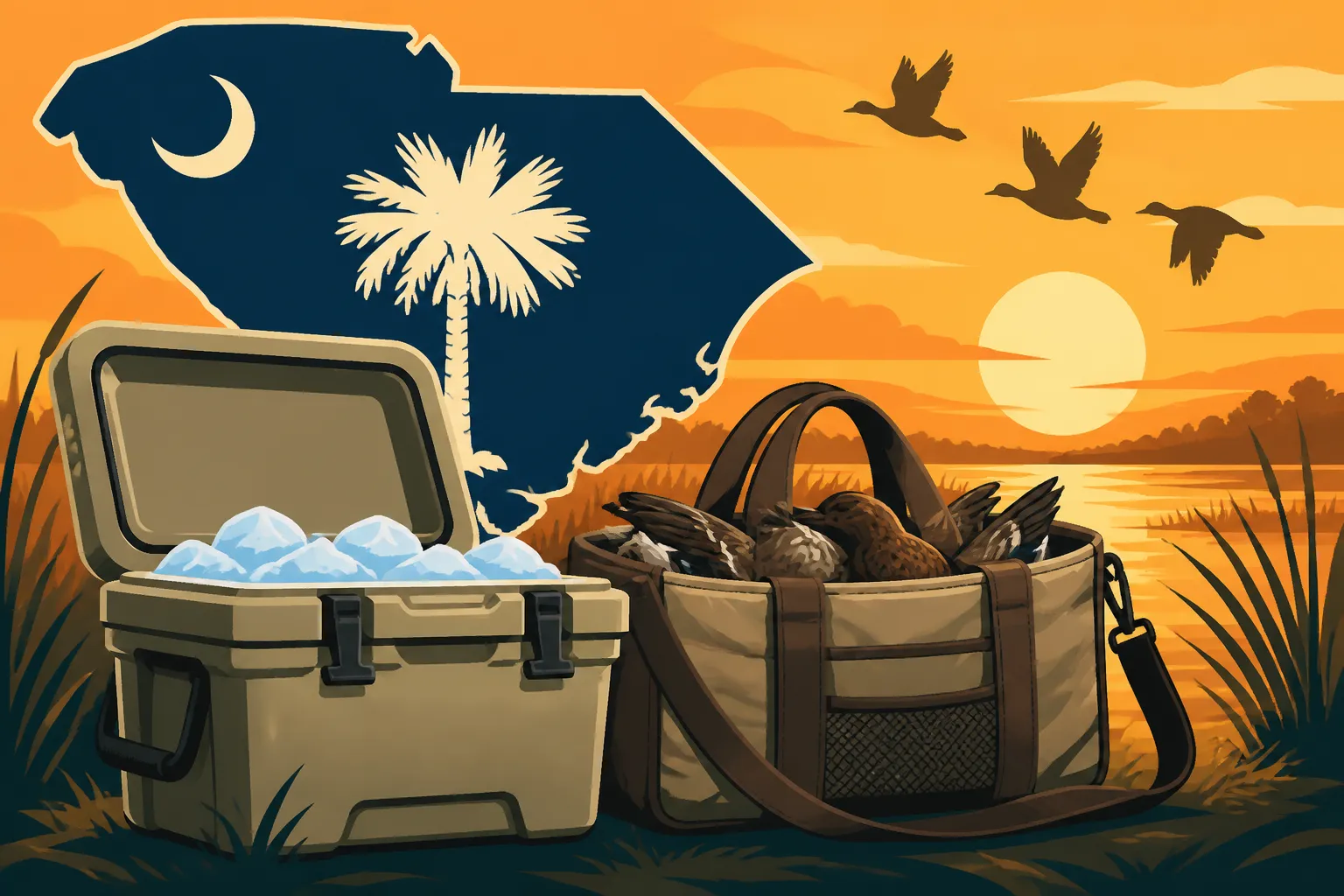
Forget your old picnic cooler for this job. You need a rotomolded, insulated cooler with thick walls and a tight-sealing lid. Brands like Yeti, RTIC, Orca, and even some of the higher-end Igloo models offer this level of performance. Look for features like heavy-duty latches that really pull the lid down, freezer-grade gaskets, and robust hinges that can stand up to heavy use. These features are what keep the cold in and the August heat out. A good cooler, properly packed, can hold ice for days, which is crucial if you have a longer drive home or need to let your meat cool overnight before processing. Investing in a quality cooler is an investment in the quality of your venison. Many hunters rely on these for everything from their drinks to their prized harvest, often finding good deals through outfitters or online retailers like GoHunt.
Cooler Size and Capacity Considerations
The size of your cooler directly impacts its effectiveness. For boned-out venison from a typical South Carolina deer, a 65-quart cooler is often a good starting point for a single animal, though many prefer 75-100 quarts for more comfortable packing, especially if you plan to get a lot of ice in there. If you're hoping for multiple deer over a weekend, or chasing a particularly large Lowcountry buck, you might even consider a 120-quart or larger, or better yet, multiple smaller coolers. Remember, you'll need space for the meat and plenty of ice. A cooler that's too small means less ice and less effective cooling. It's always better to have a bit more space than you think you'll need, as you can always fill extra space with additional ice or even frozen water bottles. Think about the overall South Carolina Statewide Antlered Bag Limit and how much meat you might realistically be handling.
Pre-Chilling and Ice Management
This is where many go wrong. Simply tossing ice into a warm cooler with warm meat is far less effective than using a pre-chilled cooler. Before you even head out for your hunt, fill your cooler with sacrificial ice or frozen jugs of water a day or two in advance. Let it sit, closing the lid, to bring the internal temperature of the cooler down to freezing. Dump out the melted sacrificial ice just before packing the venison.
For the real work, block ice is your best friend. It melts slower than cubed ice, offering more sustained cooling. A mix of block and cubed ice can be ideal: blocks on the bottom and top, with cubed ice nestled around the meat to maximize contact. When packing, ensure the meat is not sitting directly in meltwater. While cold water is better than warm, clean ice is ideal. Consider using frozen gallon jugs or reusable freezer packs (like those from GoHunt) in addition to, or instead of, loose ice to keep the meat dry while still providing ample cooling. This is especially vital when dealing with Field Dressing a Deer in Warm Weather.
Game Bags: Protecting Your Harvest in the Field
Even with a top-notch cooler plan, the initial field care of your deer is crucial, and that's where game bags shine. They're not just for keeping flies off; they are an essential part of clean, breathable meat handling in challenging environments.
Types of Game Bags and Their Benefits
Game bags come in various materials, but the best for warm weather are typically made from breathable, synthetic fabrics. Cotton game bags, while traditional, can absorb moisture and potentially hold heat, which is counterproductive. Look for high-quality synthetic blend bags, often in white, that are breathable, lightweight, and durable enough to resist tears from twigs and bone fragments. Some even come with built-in drawstrings or ties.
The primary benefit of a game bag is protecting your meat from flies, dirt, and debris immediately after field dressing. Flies can lay eggs that hatch into maggots in a matter of hours in warm weather, making proper coverage paramount. Game bags create a barrier while still allowing air to circulate around the meat, which is essential for cooling. They also keep the meat clean, which translates to less trim loss and better quality venison in the long run.
Proper Game Bag Application
Once you've field dressed and ideally quartered your deer, the meat should go directly into game bags. Ensure each quarter (and any boned-out straps or tenderloins) has its own bag, or at least ample space within larger bags. Don't overstuff them; you want air to circulate. Tie them off securely. If possible, avoid letting the meat touch the ground directly. Hanging the bagged meat, even just a few feet off the forest floor using a sturdy branch, can make a huge difference in airflow and cooling.
For example, after a successful hunt in the Francis Marion National Forest, you might quarter your buck and immediately place each piece into its own breathable game bag. Find a shady spot, ideally with a bit of a breeze, and hang the bags from a low limb using some paracord. This simple step, before you even begin the trek back to your vehicle, can buy you precious time and dramatically improve the quality of your venison. Many hunters will also carry a small, portable hoist or gambrel for easier handling and hanging.
Breathability vs. Protection
It's a delicate balance. You need enough protection to keep out insects and foreign matter, but enough breathability to allow heat to escape and the meat to form a protective "rind." This rind is a slightly dried layer on the surface of the meat that actually helps deter bacterial growth. Fully sealing meat in plastic bags immediately after harvest, while convenient, can trap heat and moisture, creating a perfect incubator for bacteria. This is why breathable game bags are superior for initial field care in warm climates. Once the meat is thoroughly cooled in your cooler, then wrapping it in plastic or vacuum-sealing for long-term storage is appropriate. But for the first critical hours, breathability is key.
Field Care Best Practices for Warm Weather
Even the best coolers and game bags are only as good as the field care that precedes their use. When hunting in South Carolina’s warm early season, every minute counts, and proper technique can mean the difference between prime venison and spoiled meat.
Immediate Field Dressing
The moment your deer is down, the clock starts ticking. The absolute first thing to do, after ensuring the animal is truly expired, is to field dress it. This means removing all internal organs as quickly and cleanly as possible. The guts are a major source of heat and bacteria, and getting them out immediately begins the cooling process from the inside out. Use a sharp knife and work carefully to avoid puncturing the stomach or intestines. If possible, wear gloves to maintain sanitation.
Once the organs are out, wipe out the cavity with paper towels or a clean cloth to remove any blood or debris. Some hunters even carry a small spray bottle with water and a tiny bit of vinegar to rinse the cavity, though ensure you dry it thoroughly afterward. The goal is a clean, dry cavity that can dissipate heat. This is a fundamental step, often covered in any South Carolina Hunter Education Requirements course, and it's doubly important when the weather is hot.
Airflow and Elevation
After field dressing, maximizing airflow is critical. Don't just drag the deer directly to your truck and throw it in the bed. If possible, get the deer elevated off the ground. Even propping it up on logs or rocks can help. Position the carcass in the shade, if available, and prop open the body cavity with a stick or two to allow air to circulate freely. This helps both internal and external cooling. If you’re hunting solo on public land like parts of the Sumter National Forest, consider bringing a lightweight drag sled or a game cart to help get the deer to a more suitable cooling location or back to your vehicle more efficiently. Every minute spent reducing heat and increasing airflow contributes to better meat quality. When you're Dragging a Deer Out of a Swamp, getting it to higher, breezier ground quickly is paramount.
Reducing Contamination
Beyond the immediate heat, contamination is another major threat. Dirt, leaves, insects, and even your own hands can introduce bacteria. This is where game bags and careful handling truly pay off. Try to keep the meat as clean as possible during the entire process. If you decide to quarter the animal in the field, lay down a clean tarp or a large sheet of plastic to work on. Avoid letting meat touch the ground, your dirty boots, or other unclean surfaces.
Many hunters carry a small first-aid kit, and it's also a good idea to have sanitizing wipes or hand sanitizer for your hands before and after handling meat. The less foreign material and bacteria introduced to the meat in the field, the less you'll have to trim off later, and the better your venison will taste. Thinking about Butchering a Deer at Camp, you want to start with the cleanest possible meat.
Transporting Your Game Home in the Heat
You’ve done all the hard work in the field – field dressing, bagging, and getting the initial chill on. Now comes the challenge of getting your precious cargo home without undoing all that effort, especially if you have a longer drive. This stage is just as critical in South Carolina’s August heat.
Layering and Insulation for the Ride
Once your bagged, quartered meat is in your pre-chilled cooler, it's time to pack it strategically. Start with a layer of block ice at the bottom, then place your game bags on top, making sure to distribute them evenly. Fill any gaps with cubed ice, ensuring maximum contact with the meat. If you're using frozen jugs, place them around and between the meat packages. Finish with another layer of block ice on top. The goal is to encase the meat completely in cold.
Beyond the cooler itself, consider external insulation for really long trips. Placing a sleeping bag, moving blanket, or even a heavy tarp over the cooler can add an extra layer of thermal protection, reflecting ambient heat and helping the cooler maintain its internal temperature. Avoid placing the cooler in direct sunlight during transport; if it must be in an open truck bed, drape a reflective blanket over it. The less heat that penetrates the cooler, the better. This is where a robust cooler like those offered by GoHunt really earns its keep.
Vehicle Setup for Meat Transport
How you transport the cooler matters. For maximum efficiency, try to keep the cooler inside the air-conditioned cabin of your vehicle. While this isn't always practical, especially with a large cooler or multiple deer, it's the ideal scenario. If the cooler must go in the bed of a truck, a truck bed cover or camper shell will significantly reduce heat exposure compared to an open bed. Even a tonneau cover can help.
Ensure the cooler is secured so it doesn't slide around. Sudden stops or turns can cause ice to shift and meat to jostle, potentially creating air pockets and reducing cooling efficiency. Using straps or blocking it in with other gear will keep it stable. Remember, your vehicle's interior can heat up significantly when parked, so if you make stops, try to minimize them and park in the shade.
Dealing with Long Distances
Driving from the ACE Basin to the Upstate with a cooler full of venison in August demands extra vigilance. For drives of several hours or more, you might need to stop and replenish ice. If you anticipate a very long drive (e.g., crossing multiple state lines for nonresident hunters), plan your route to include stops at grocery stores or gas stations that sell ice. Carry extra cash or a card for this purpose.
Consider having a thermometer to check the internal temperature of your cooler periodically. You want the meat to remain below 40 degrees Fahrenheit. If you see temperatures creeping up, it’s a sign to add more ice. Remember, if you have a multi-day hunt planned, ensure your base camp has enough ice storage or a steady supply available. Successfully transporting your deer means a well-thought-out plan, not just hoping for the best. After all, you've gone through the effort of Checking a South Carolina Deer Harvest Online and reporting, so you want that meat to be perfect.
Long-Term Meat Care Considerations
Once you've successfully transported your cooled, bagged venison home, the final steps of processing and storage are just as important to ensure you enjoy quality table fare for months to come.
Aging in a Controlled Environment
After the initial rapid cooling, many hunters choose to "age" their venison. This process, typically done in a controlled environment (like a cooler with continuous ice replenishment, or a refrigerated space), allows enzymes in the meat to break down muscle fibers, resulting in more tender and flavorful venison. In warm weather, aging must be done carefully to prevent spoilage. If you plan to age your meat, it needs to be kept consistently between 34-40 degrees Fahrenheit.
For South Carolina hunters in August, this usually means keeping the boned-out, bagged meat on ice in a high-performance cooler, constantly draining meltwater and replacing ice for 3-7 days. Some hunters will use frozen water bottles or reusable ice packs to minimize meltwater contact. Alternatively, if you have access to a dedicated meat refrigerator or a cool, clean shed where temperatures can be maintained, that’s ideal. Just remember, consistency is key, and any temperature fluctuations above 40 degrees Fahrenheit can compromise the meat. This isn't just about tenderness; it's about developing that rich venison flavor.
Professional Processing vs. DIY
After cooling and optional aging, you have a choice: process the deer yourself or take it to a professional butcher.
Professional Processing: Many local butchers in South Carolina specialize in wild game. They have the expertise, equipment, and cold storage to efficiently turn your deer into steaks, roasts, and ground meat. This can be a huge time-saver and ensures your meat is handled correctly. However, it comes with a cost, and during peak season, turnaround times can be long. When choosing a processor, ask about their procedures for warm-weather handling and ensure they have adequate cooling facilities. This is especially helpful if you've harvested a large animal and need significant help.
DIY Processing: Processing your own deer gives you complete control over cuts, packaging, and seasonings. It also saves money and is a rewarding part of the hunting experience. However, it requires proper tools (sharp knives, a cutting board, a meat grinder, vacuum sealer) and a clean, cool workspace. This is where your large coolers come back into play – they can hold cuts of meat while you work on others. If you're new to it, there are plenty of online resources and mentors to help you learn Butchering a Deer at Camp. Make sure your workspace is impeccably clean, and work quickly to minimize the time the meat spends at room temperature.
Freezing and Packaging for Longevity
Once your venison is cut, proper packaging is crucial for long-term storage. Air is the enemy of frozen meat, leading to freezer burn and a loss of flavor and texture.
Vacuum Sealing: This is hands down the best method. A good vacuum sealer removes all air from the package, creating an airtight seal that can preserve meat quality for a year or more in the freezer.
Freezer Paper/Bags: If you don't have a vacuum sealer, use heavy-duty freezer paper, ensuring you wrap the meat tightly to exclude air, and then secure it with freezer tape. Alternatively, use specific freezer bags, pressing out as much air as possible before sealing. Double-wrapping can add an extra layer of protection.
Label every package with the date and cut of meat (e.g., "Deer Steak – August 2024"). This helps you rotate your stock and know what you have in the freezer. Freeze packages flat to maximize freezer space and allow for faster freezing, which helps maintain meat quality. Proper freezing means you can enjoy the fruits of your South Carolina hunt well into the next year. You can use tools from GoHunt to help track your harvest and manage your wild game inventory.
Comparative Look at Cooler Types
| Feature / Type | Rotomolded Cooler (e.g., Yeti, RTIC) | Traditional Insulated Cooler (e.g., Igloo Marine) | Soft-Sided Cooler (e.g., Engel, RTIC Soft) |
|---|---|---|---|
| Construction | Heavy-duty, seamless plastic (rotomolded), thick insulation | Molded plastic or foam walls, often thinner insulation | Fabric exterior, insulated liner, zipper or roll-top closure |
| Insulation | Excellent, often 2-3 inches of pressure-injected foam | Good, but typically thinner walls and less efficient seals | Moderate to good, depending on model; often thinner than hard-sided |
| Ice Retention | Best (5-10+ days depending on size/conditions) | Moderate (2-4 days) | Fair to good (1-3 days) |
| Durability | Extremely high; built to withstand abuse | Moderate; can crack or hinges break over time | Moderate; susceptible to punctures, zipper failures, or fabric wear |
| Weight (Empty) | Heavy | Moderate | Lightweight |
| Portability | Lower (heavy, bulky) | Moderate | High (easy to carry, often with shoulder straps) |
| Cost | High | Low to Moderate | Moderate to High |
| Best Use for Hunting | Primary meat storage, multi-day hunts, extreme heat, long transport | Backup cooler, shorter trips, initial pre-chilling | Small cuts, boned-out tenderloins, bringing food/drinks to the stand |
| Pros | Holds ice longest, extremely tough, ideal for warm weather | Affordable, readily available | Lightweight, easy to carry, good for quick trips |
| Cons | Very expensive, heavy, bulky | Shorter ice retention, less durable, less efficient in extreme heat | Shorter ice retention, less robust, limited capacity for full quarters |
Disclaimer
This article is for general informational purposes only and does not constitute professional advice. Laws, prices and regulations vary by location and change over time. Consult a qualified professional for guidance on your specific situation.