What Game Check Wants From a Fresh-Killed Bird
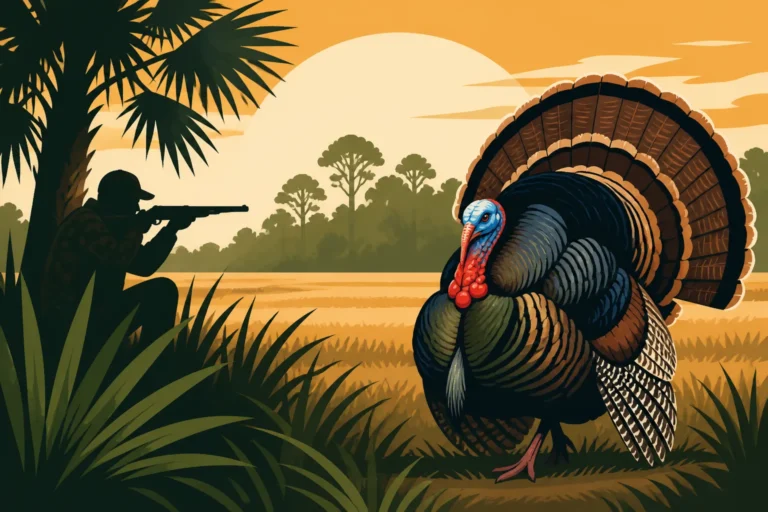
You've just wrapped up a fantastic hunt here in South Carolina, whether it was a strutting gobbler in the spring woods or a limit of ducks flying off a Lowcountry marsh. That feeling of accomplishment is second to none! But then, your mind might race to the next step: reporting your harvest to Game Check. It can feel like an extra chore, or perhaps you're just unsure exactly what information the South Carolina Department of Natural Resources (SCDNR) actually needs from you. This comprehensive guide is designed to clear up all that confusion, walking you through precisely what Game Check wants for your fresh-killed bird so you can report accurately and get back to celebrating your success.
Understanding the Importance of South Carolina's Game Check System
It’s easy to view reporting a harvested animal as just another piece of red tape, especially after the adrenaline of a successful hunt. But in South Carolina, our Game Check system is far more than that; it's a cornerstone of responsible wildlife management and a legal requirement for every hunter. Skipping this step isn't just cutting corners; it's detrimental to our shared natural resources and can lead to legal consequences for you.
Why Reporting Matters for Wildlife Management
Think of Game Check as a massive, ongoing biological survey. Every time a hunter reports a deer, turkey, or bear, they're contributing vital data points to the SCDNR. This data isn't just collected and forgotten; it's meticulously analyzed to understand population trends, health, and distribution of game species across the state. For instance, by knowing how many turkeys are harvested in different counties and zones, wildlife biologists can gauge the overall health of the population, assess poult recruitment rates, and identify areas that might be experiencing declines. This information directly influences decisions about season lengths, bag limits, and management strategies. Without accurate reporting, the SCDNR would essentially be flying blind, making it much harder to ensure sustainable hunting opportunities for future generations. It's a collective responsibility we all share as stewards of South Carolina's wildlife.
Legal Obligations for Hunters in South Carolina
Beyond the ethical imperative, reporting your harvest is a strict legal requirement. In South Carolina, once you’ve killed a deer, turkey, or bear, you are mandated to report it to the SCDNR through the Game Check system within specific timeframes. For turkeys, for instance, you must report your harvest within 24 hours of the kill and prior to processing the bird or removing it from the state. Failure to comply can result in fines and other penalties, tarnishing an otherwise successful hunt. This isn’t a suggestion; it’s a law designed to gather the necessary data for sound wildlife management. Always ensure you carry proof of your current South Carolina hunting license and relevant permits, as these details will be needed for the reporting process. It's crucial to be familiar with all South Carolina Spring Turkey Season Rules before you head out.
Essential Information for Reporting Your Bird Harvest
When you log into the Game Check system, whether through the Go Outdoors SC app on your phone or the website, you'll be prompted for a series of details about your harvest. Having this information ready beforehand will make the process much smoother and prevent frustration in the field.
Key Details About Your Harvest
For a fresh-killed bird, specifically a turkey, the SCDNR wants some very specific information to paint a clear picture of the harvest. You'll need to provide:
- Species: Naturally, you'll select "Wild Turkey."
- Harvest Date and Time: The exact date and, as close as possible, the time you made the kill.
- County of Harvest: The county where the bird was taken.
- Game Zone: The specific game zone where the harvest occurred. South Carolina has four distinct game zones, and understanding How South Carolina's Four Zones Split the Calendar is important for all hunting.
- Sex: Was it a gobbler (male) or a hen (female)? During spring turkey season, only gobblers are legal to harvest.
- Weight: The weight of the bird in pounds. While not always strictly required for all bird species, it's good practice to weigh your turkey.
- Beard Length: The length of the turkey's beard in inches.
- Spur Length (Left and Right): The length of both spurs in inches. This is crucial for assessing the age and quality of the gobbler.
For migratory birds like ducks and geese, the reporting requirements are different. You generally don't report individual migratory bird harvests to Game Check in the same way you do a turkey or deer. Instead, your participation in the Harvest Information Program (HIP) and federal banding programs helps gather data. However, you'll need to be acutely aware of South Carolina Duck Daily Bag Limit and other specific rules for waterfowl. You might use a powerful mapping tool like GoHunt to mark your exact kill location, which can be useful for your personal records or if any follow-up is needed, even though it's not directly integrated into the SCDNR reporting for migratory birds.
Hunter-Specific Information
In addition to the details about your bird, Game Check also requires information that identifies you as the hunter. This includes:
- Your SCDNR Customer ID or License Number: This unique identifier links the harvest directly to your hunting profile.
- Your Name and Contact Information: Ensures that SCDNR can reach you if there are any questions or issues with your report.
It's critical that all the information you provide is accurate and truthful. Submitting false information is a serious offense. Before you even head into the field, make sure your license and all necessary permits, such as your South Carolina HIP Certification for Bird Hunters for migratory birds or a South Carolina Federal Duck Stamp Requirement, are current and accessible.
The Step-by-Step Game Check Process for Birds
Once you've made your harvest, the clock starts ticking. Reporting through Game Check is designed to be as straightforward as possible, with multiple options available to ensure every hunter can comply.
Using the Go Outdoors SC App or Website
The easiest and most common way to report your harvest is through the Go Outdoors SC mobile app or the SCDNR website. Many hunters find the app particularly convenient because they can do it right there in the field, assuming they have cell service.
Here's a general breakdown of the steps:
- Access the Platform: Open the "Go Outdoors SC" app on your smartphone or navigate to the Go Outdoors SC website on a computer.
- Log In: Enter your customer ID and password. If you don't have an account or haven't logged in before, you'll need to create one using your license information.
- Initiate Report: Look for a section labeled "Harvest Reporting" or "Game Check."
- Select Species: Choose "Wild Turkey" from the list of available species.
- Input Harvest Details: This is where you'll enter all the specific information we discussed earlier: date, time, county, game zone, sex, weight, beard length, and left/right spur lengths. It's helpful to have a small tape measure and scale with you in your turkey vest.
- Confirm Information: Double-check all the entries for accuracy. It's easy to make a typo under pressure, but this information is vital.
- Submit Report: Once everything looks correct, submit your report. You should receive a confirmation number. Keep this number handy as proof of reporting.
Before you go, make sure you understand the South Carolina Spring Turkey Bag Limit for the season. Some savvy hunters even use their GoHunt app to record detailed measurements and photos for their own records before inputting the core data into Game Check. This ensures they have a backup of information and can easily reference it if needed.
The Phone Reporting Option
What if you're deep in the Sumter National Forest Hunting and your cell signal is nonexistent? SCDNR understands that connectivity can be an issue in many of South Carolina's wild places. For those situations, a phone reporting option is available.
You can call the SCDNR Game Check phone number (available on their website and typically on your license) to report your harvest. Be prepared to provide the same detailed information over the phone to the operator. While this method can take a little longer than using the app, it's a reliable alternative when technology fails you. Always have this number stored in your phone or written down in your hunting pack, especially if you're planning to hunt in remote areas like some sections of Francis Marion National Forest Hunting.
What Game Check Requires for a Bird Harvest
To simplify, here’s a table outlining the typical information requested for a turkey harvest in South Carolina. While migratory bird reporting differs, this table focuses on the primary Game Check requirement for turkeys.
| Required Information | Details Needed for Turkey Harvest | Notes |
|---|---|---|
| Species | Wild Turkey | Select from a dropdown menu. |
| Harvest Date & Time | MM/DD/YYYY, HH:MM AM/PM | Be as precise as possible. |
| County of Harvest | Specific SC County (e.g., Clarendon County) | Critical for regional data. |
| Game Zone | Zone 1, 2, 3, or 4 | Ensure you know which zone you're in. |
| Sex | Male (Gobbler) | Spring season is gobblers only. |
| Weight | Measured in pounds (e.g., 18.7 lbs) | Best to use a portable scale. |
| Beard Length | Measured in inches (e.g., 10.25 inches) | Measure from skin to tip. |
| Spur Length (Left/Right) | Measured in inches (e.g., 1.12" / 1.05") | Measure from base to tip. |
| Hunter's ID/License # | Your unique SCDNR Customer ID | Links harvest to your personal record. |
| WMA Harvest? | Yes/No (if applicable) | Indicate if harvested on a Wildlife Management Area. |
Avoiding Common Reporting Pitfalls
Even with a clear understanding of the process, mistakes can happen. Being aware of common issues can help you avoid them and ensure your report is accurate and timely.
Ensuring Accuracy and Timeliness
One of the biggest pitfalls is rushing through the report and entering incorrect information. An incorrect county, an transposed number in a spur length, or the wrong date can skew data and potentially raise red flags with SCDNR. Always take a moment to double-check every entry before hitting submit. Many hunters use tools like GoHunt to mark their exact location and then write down all harvest details in a small notebook before they even think about punching them into the app, ensuring accuracy.
Timeliness is equally important. Remember that 24-hour window for turkeys? Don't wait until the last minute. If you harvest a bird late in the day, make it a priority to report it before you settle in for the evening or start processing. If you plan on Transporting a Tagged Turkey Home across state lines or a long distance, reporting it beforehand is absolutely essential.
Troubleshooting Common Issues
Despite your best efforts, sometimes technology just doesn't cooperate, or you might realize you've made a mistake.
- No Cell Service: If you can't get service for the app, use the phone reporting option. Don't simply delay reporting. Find a landline or drive to an area with service as soon as possible.
- App Glitches: Occasionally, an app might freeze or crash. Try restarting the app or your phone. If it persists, switch to the website if you have internet access, or use the phone reporting method.
- Incorrect Entry: If you realize after submitting that you made a mistake, contact SCDNR directly as soon as possible. They can guide you on how to correct the error. Do not simply ignore it or submit a duplicate report.
- WMA Specifics: If you're Hunting the Statewide Turkey Opener in April on a Wildlife Management Area, there might be additional check-in or check-out procedures, as well as specific South Carolina WMA Turkey Rules you need to follow beyond just Game Check. Always check the specific WMA regulations before you hunt.
By being prepared, diligent, and aware of the options, you can ensure your bird harvest is reported correctly and on time, contributing positively to South Carolina's cherished wildlife resources.
Disclaimer
Please note that hunting regulations and requirements can change. While this guide provides comprehensive and up-to-date information based on current South Carolina Department of Natural Resources (SCDNR) rules, it is the hunter's responsibility to verify all regulations directly with the SCDNR before engaging in any hunting activities. This content is for informational purposes only and does not constitute legal advice.