South Carolina Managed Waterfowl Area Draw Rules
Securing a spot on South Carolina's premier managed waterfowl areas can feel like hitting the lottery, and for good reason—these spots offer some of the state's most incredible hunting experiences. The intense competition for these limited opportunities often leaves hunters frustrated, wondering how to even get their foot in the door. This comprehensive guide will walk you through the ins and outs of the South Carolina Managed Waterfowl Area Draw Rules, helping you understand the process, requirements, and strategies to increase your chances.
Understanding South Carolina's Managed Waterfowl Areas
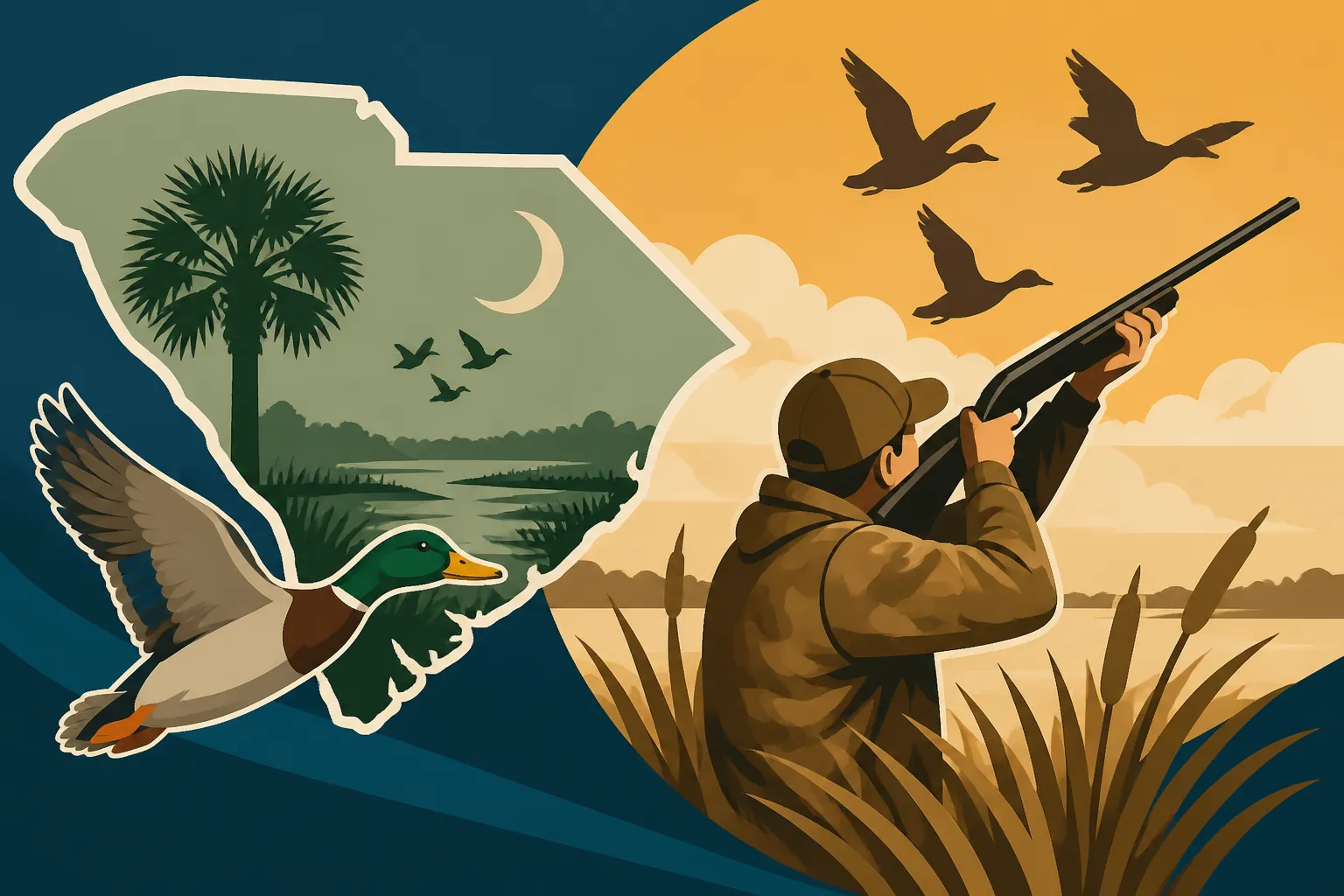
South Carolina is blessed with a diverse array of waterfowl habitat, but some of the most productive and coveted spots are those actively managed by the Department of Natural Resources (SCDNR). These areas are meticulously maintained to provide optimal conditions for migrating and resident birds, leading to fantastic hunting opportunities – if you can get drawn.
What Makes These Areas Special
Managed waterfowl areas aren't just any old swamp or creek bottom; they are carefully cultivated ecosystems designed to attract and hold ducks and geese. Think about it: these locations often feature deliberate plantings of moist-soil crops like millet, corn, or rice, creating irresistible food sources. Water levels are expertly controlled to create prime foraging and loafing habitats. They also often incorporate refuge areas, giving birds a safe space to rest and feed, which in turn keeps them in the general vicinity for hunters. This kind of intensive management drastically increases the chances of encountering a variety of species, from darting wood ducks in flooded timber to flocks of mallards pitching into a marsh. Places like parts of the ACE Basin, the Santee Delta, and various Wildlife Management Areas (WMAs) are renowned for this precise level of habitat work.
Types of Managed Waterfowl Hunts
Not all managed areas operate under the same rules, but many of the most sought-after spots utilize a draw system to allocate hunting dates. These are typically quota hunts, meaning only a limited number of hunters or parties are allowed on specific dates. This reduces pressure and ensures a quality experience for those drawn. For instance, areas like Bear Island Wildlife Management Area, Donnelley WMA, and Webb WMA are well-known for their waterfowl draws. Depending on the specific management area, you might find draws dedicated to duck hunts, while others might include opportunities for geese. These hunts often have specific rules regarding shotguns, shot size, and even the number of decoys you can deploy, all in an effort to maintain a fair chase and a sustainable harvest. Understanding these nuances before you apply is crucial, as the type of hunt can greatly influence your strategy and expectations.
The Application Process for Waterfowl Draws
The process for applying to these draws might seem a bit daunting at first glance, but once you break it down, it's quite manageable. The key is to be prepared and pay close attention to deadlines.
Eligibility and License Requirements
Before you even think about applying for a waterfowl draw, you need to ensure all your foundational licenses and permits are in order. This is non-negotiable. First and foremost, you'll need a valid South Carolina Hunting Licenses and What They Cost. For anyone planning to hunt migratory birds, which includes ducks and geese, you must also possess a valid South Carolina Migratory Bird Certification and, if you're 16 or older, a Federal Duck Stamp. These aren't optional; they're federal requirements designed to fund wetland conservation efforts. Additionally, many of these managed areas are designated as Wildlife Management Areas (WMAs), meaning you'll likely need a specific South Carolina WMA Permit Requirements in addition to your other licenses. Don't wait until the last minute to gather these; having everything squared away well in advance ensures you won't miss an application window due to a missing stamp or permit. It’s also important to check for any area-specific requirements that might go beyond the general statewide regulations.
How to Apply and Key Deadlines
The gateway to applying for South Carolina's managed waterfowl draws is the Go Outdoors SC platform. This is the official portal where you can Buying a License on Go Outdoors SC and manage all your hunt applications. To apply, you'll need to log into your account, navigate to the "Managed Hunt Application" section, and then specifically look for the waterfowl draws. The application period for these draws typically runs months in advance of the actual hunting season, often in late summer or early fall, so staying informed is paramount. You can usually apply as an individual or as a party, with a designated party leader. If you're applying with a group, ensure everyone in your party meets the eligibility requirements and has the necessary licenses.
It's here that external tools like GoHunt can be incredibly useful, not for applying, but for planning. While Go Outdoors SC is where you submit your application, GoHunt's detailed map layers and property information can help you scout and understand the specific areas you're applying for. You can view terrain, access points, and surrounding habitat, which gives you a clearer picture of what to expect if you're drawn. Remember, deadlines are strict, and extensions are rarely, if ever, granted. Mark your calendar and submit your application well before the closing date.
Navigating the Draw: What Happens After You Apply
Once your application is submitted, it's a waiting game. The draw process itself is designed to be fair, utilizing a random lottery system to select successful applicants.
The Selection Process and Notifications
After the application window closes, the SCDNR conducts a random draw for each specific managed waterfowl hunt. This is essentially a lottery, ensuring everyone who applied and is eligible has an equal shot. The odds can vary wildly depending on the popularity of the specific hunt area and the number of available spots. Once the draw is complete, successful applicants are typically notified via email, and the results are usually posted on the Go Outdoors SC portal. It's crucial to regularly check your email and your online account during the notification period. If you're lucky enough to be selected, you'll usually have a limited timeframe to accept your spot and pay any associated fees. Failing to do so within the specified window can result in forfeiture of your drawn spot, which would be a true heartbreak after the anticipation. Once accepted, you'll be able to print your specific permit, which will include your assigned hunt date and any other critical details.
Understanding Hunt Logistics and Rules
Being drawn is just the first step; understanding the specifics of your hunt is equally important. Each managed waterfowl area and even individual hunt date can have unique logistical requirements and rules. You'll typically find detailed information on the permit itself or on the SCDNR website specifically for the WMA you've been drawn for. Common rules include specific check-in times and locations, designated hunting zones or blind assignments, and strict shooting hours (often legal shooting light only, unlike some private land hunts). You'll almost certainly be required to use non-toxic shot, which is standard for all waterfowl hunting in the US. Bag limits will be clearly defined, adhering to federal and state regulations for species like mallards, wood ducks, and teal. It’s imperative to review these rules thoroughly before your hunt. Ignorance of the rules is never an excuse, and violations can lead to severe penalties, including fines and loss of hunting privileges.
To give you an idea of some common rules and requirements, here's a table that might help:
| Requirement/Rule | Description | Importance |
|---|---|---|
| Valid Licenses | SC Hunting License, Migratory Bird Permit, Federal Duck Stamp, WMA Permit. | Mandatory for all waterfowl hunters. |
| Non-Toxic Shot | Steel, bismuth, or other approved non-toxic shot required. Lead shot is strictly prohibited. | Federal law for waterfowl; protects environment. |
| Check-in/Out | Mandatory sign-in and sign-out at designated stations. | Tracks hunter numbers and harvest data. |
| Assigned Areas | Hunters often assigned specific blinds, zones, or areas to reduce crowding. | Ensures fair opportunity and safety. |
| Shooting Hours | Legal shooting hours (e.g., 30 minutes before sunrise to sunset) are strictly enforced. | Ensures fair chase and ethical hunting. |
| Bag Limits | Adherence to daily and possession limits for specific duck and goose species. | Essential for species conservation. |
| Decoy Limits | Some WMAs may have restrictions on the number or type of decoys allowed. | Manages hunter impact and aesthetics. |
| Motorized Vehicles | Restrictions on where and how motorized vehicles (including ATVs/UTVs) can be used. | Protects habitat and minimizes disturbance. |
Maximizing Your Chances and What to Expect
While the draw is ultimately a lottery, there are strategies you can employ to potentially increase your odds or at least make the most of your application and hunt.
Strategies for Successful Application
One key strategy, if allowed and you have a reliable group, is to apply with a full party. Many draws are set up to allocate spots to a party leader and their specified number of companions. A full party represents a single entry in the draw, but if selected, it guarantees spots for everyone in your group. This can be more efficient than everyone applying individually for the same dates. Another tip is to consider applying for less popular dates. While everyone wants to hunt opening day or prime Saturdays, midweek hunts or dates later in the season (especially if you're hunting in specific South Carolina Duck Zone Rules) might have slightly better draw odds. Flexibility with your schedule can pay off.
It's also a good idea to research the success rates or general popularity of different WMAs or specific hunt units. You can often find historical data on past draws, and while it doesn't guarantee future success, it can give you a rough idea of the South Carolina Quota Hunt Draw Odds. Keep an eye on the South Carolina Quota Hunt Application Window so you never miss the chance to apply. Using tools like GoHunt during this research phase can be invaluable; its satellite imagery and public land overlays can help you identify areas that might be harder to access or less known, potentially leading to less competition.
On-Site Preparation and Etiquette
Once you've secured a spot, the real work begins. Thorough preparation can make or break your hunt. First, ensure your gear is ready. This includes your shotgun, non-toxic ammunition, and appropriate Waterfowl Gear for the ACE Basin, such as waders, decoys, and calls. If you're heading to a coastal marsh, specialized gear might be necessary, and you can get some ideas from our guide on Hunting Coastal Marsh Waterfowl. Make sure your calls are tuned, your waders are leak-free, and your decoys are rigged and ready.
Scouting, even after drawing a spot, is highly recommended if the rules of the specific WMA allow it. This could mean driving around the perimeter, using binoculars to spot birds, or even just observing local weather patterns. Understanding the area's layout, potential flyways, and typical bird behavior can give you a significant advantage. Finally, always remember proper hunter etiquette. Respect other hunters, adhere strictly to all WMA rules, and practice ethical hunting by only taking clean shots and retrieving all downed birds. Being a good steward of the resource ensures these managed areas remain vibrant and accessible for future generations.
Disclaimer
Always consult the official South Carolina Department of Natural Resources (SCDNR) regulations for the most current and accurate information regarding hunting seasons, licensing, and specific WMA rules. Regulations can change, and it is the hunter's responsibility to stay informed.