South Carolina Waterfowl on the Atlantic Flyway
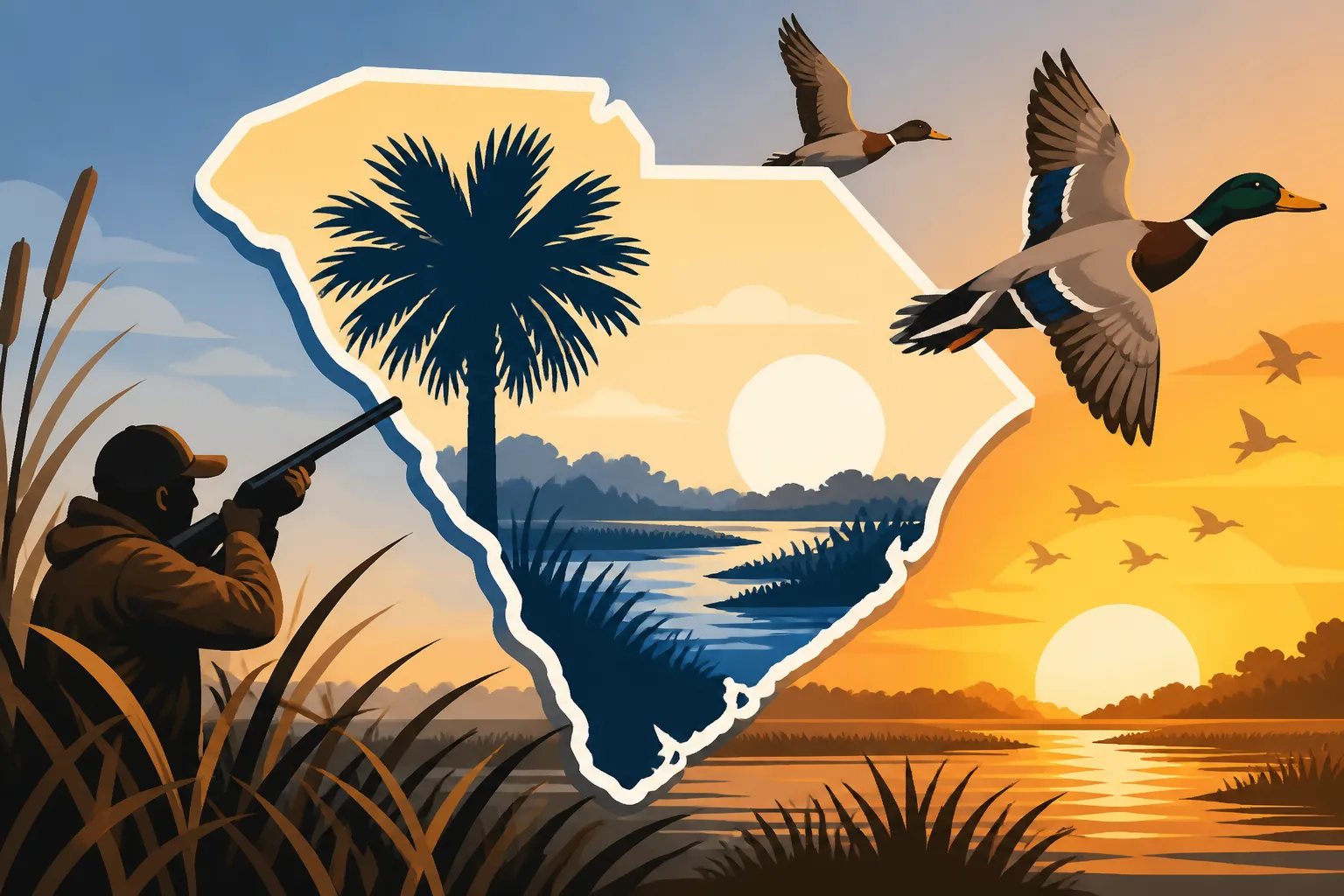
If you've ever stood on the edge of a South Carolina marsh at dawn, listening to the cacophony of whistling wings and distant quacks, you know the magic of waterfowl hunting in our state. But getting a handle on the sheer variety of ducks and geese, understanding their migratory patterns along the Atlantic Flyway, and knowing where and when to find them can feel overwhelming. This guide is here to untangle that complexity, offering a comprehensive look at South Carolina's incredible waterfowl resources, from the smallest teal to the largest Canada geese, and how you can best pursue them across our diverse landscapes.
Understanding the Atlantic Flyway's Influence on South Carolina Waterfowl
South Carolina isn't just a state; it's a critical stopover and wintering ground for millions of migratory waterfowl. The reason for this incredible abundance lies squarely with our position on the Atlantic Flyway, one of North America's four major bird migration corridors. Without understanding this massive avian highway, it's tough to really grasp why our hunting opportunities are so unique.
The Flyway as a Superhighway for Migrating Birds
Think of the Atlantic Flyway as an invisible superhighway in the sky, stretching from the arctic breeding grounds of Canada and Greenland all the way down to the Caribbean and South America. Every fall, as the days shorten and temperatures plummet in the north, waterfowl instinctively begin their epic journey south, following this ancient pathway. They're driven by the need to find open water, abundant food, and more hospitable climates to survive the winter. South Carolina sits at a perfect geographical crossroads, offering a diverse array of wetland habitats that act like prime rest stops and winter resorts for these weary travelers. The sheer volume of birds moving along this corridor means that our hunting seasons are directly tied to these grand movements, with new birds pushing in throughout the fall and winter months.
South Carolina's Critical Position on the Flyway
Our state's location means we're perfectly situated to intercept a huge variety of species. From the mountains of the Upstate down to the vast coastal plain, South Carolina offers a buffet of options for ducks and geese. The extensive coastline, with its tidal marshes, estuaries, and historically managed rice fields, acts as a magnet for many species. Further inland, we have a network of rivers, reservoirs, and agricultural lands that provide crucial feeding and roosting sites. This geographical diversity isn't just pretty; it's essential for supporting different species with their specific habitat requirements. For instance, the shallow, brackish waters of the Lowcountry are perfect for dabbling ducks, while deeper freshwater impoundments might attract divers. Understanding South Carolina Waterfowl Migration Timing is key to planning your hunts, as different species arrive and depart throughout the season, dictated by weather patterns up north.
Key Waterfowl Species Drawn to Our State
The waterfowl variety that passes through South Carolina is truly impressive. We see everything from the iconic greenhead mallards and wood ducks, to swift-flying teal, and even less common visitors like pintails and wigeon. On the diving duck front, ring-necked ducks, bluebills (scaup), and canvasbacks make their presence known, particularly in larger bodies of water. And let's not forget the geese! While we have a healthy resident population of Canada geese, especially around farmlands and larger lakes, we also get migrants from the north. Occasionally, hunters might even spot a snow goose or two, though they are less common here compared to states further north on the Flyway. Each species has its preferred diet and habitat, which means scouting and understanding these preferences is vital for success.
Major Waterfowl Species You'll Find Here
When you talk about waterfowl in South Carolina, it's really a story of incredible diversity. From the small, zippy teal to the large, powerful Canada goose, our state hosts a parade of feathered friends each season. Knowing the difference between them, not just for identification but for understanding their behavior and habitat preferences, is a game-changer for any serious waterfowler.
Dabbling Ducks: Mallards, Wood Ducks, and Green-Winged Teal
Dabbling ducks, also known as puddle ducks, are typically found in shallower waters like marshes, flooded timber, and the edges of lakes and rivers. They feed by tipping up, rather than fully diving, and often take off vertically from the water. In South Carolina, the mallard reigns supreme in many hunters' minds. These beautiful ducks are drawn to flooded agricultural fields, especially rice and corn, and love the quiet backwaters of swamps. You'll often find them mixed in with other species, and their loud quacks are a familiar sound on a cold morning.
The wood duck is another jewel of our state, arguably one of the most stunning ducks in North America. Unlike many other species, wood ducks are not entirely migratory; we have a strong resident population that breeds here. They prefer flooded timber, cypress swamps, and wooded creeks, making them a common sight in the Lowcountry and even parts of the Upstate. Their distinctive squealing call often gives them away before you even see their vibrant plumage. Targeting them often means getting deep into the woods, finding those hidden pockets of acorns and insects they love.
Then there are the teal, primarily green-winged teal, with blue-winged teal often passing through earlier in the season. These are small, incredibly fast-flying ducks that offer a real challenge to even the best wing-shooters. Green-winged teal are abundant in South Carolina, favoring shallow, muddy flats and rice field edges. They often arrive in large, tight flocks, providing exciting, fast-paced shooting when they commit to a decoy spread. Their presence really picks up as the weather cools, often in sync with later migration pushes.
Diving Ducks: Ring-Necks, Bluebills, and Canvasbacks
Diving ducks, as their name suggests, typically feed by diving completely underwater to find aquatic vegetation, mollusks, and small fish. They prefer larger, deeper bodies of water, and their take-off involves a long, running start across the surface. The ring-necked duck is perhaps the most common diver encountered by South Carolina hunters. They are often found in large rafts on bigger lakes, reservoirs, and managed impoundments. Despite their name, the "ring" on their neck is barely visible; the prominent white ring at the base of their bill is a much better identifying feature. They decoy well and offer consistent action once located.
Bluebills, or scaup, both greater and lesser, are another significant diving duck visitor. You'll find them on vast open waters of our larger coastal bays and reservoirs. They tend to be more wary and require larger, more realistic decoy spreads, often dominated by diver blocks. Their flight is strong and direct. While less numerous than ring-necks, they provide a thrilling hunt for those willing to brave the open water.
And then there's the regal canvasback, often considered the "king of ducks." These magnificent birds are larger, with a distinctive sloped profile from their forehead to their bill. They seek out broad, open bodies of water, feasting primarily on submerged aquatic vegetation. While not as common as ring-necks, pockets of canvasbacks can be found in certain coastal areas and large reservoirs, offering trophy opportunities. Mallards and Wood Ducks in the ACE Basin is an excellent resource if you're looking for specifics on popular dabblers in a prime coastal region.
Geese and Other Migratory Birds
While ducks often steal the spotlight, Canada geese are a staple for many South Carolina waterfowlers. We have a growing resident population that lives here year-round, primarily around agricultural fields, golf courses, and large lakes. These birds offer consistent hunting opportunities, often requiring field blinds and large decoy spreads. In addition to our resident geese, we also get migratory Canada geese passing through, especially during colder pushes from the north. The combination means hunters can often find geese throughout the season.
Less common, but certainly present, are snow geese. While they don't migrate through South Carolina in the massive numbers seen in states further north and west, smaller flocks can occasionally be found, particularly in agricultural areas near the coast. They are notoriously wary and require very specialized tactics, often involving huge spreads of white decoys and considerable scouting.
Beyond ducks and geese, it's worth remembering that other migratory birds, like American coots and common gallinules, are also part of the waterfowl bag limit. While not typically targeted by duck hunters, they can be a welcome addition on slower days and are often found alongside ducks in various habitats. Understanding South Carolina Duck and Goose Bag Limits is crucial to staying legal, as limits can vary by species and region.
| Species Group | Common Examples | Typical Habitat | Feeding Style | Take-off |
|---|---|---|---|---|
| Dabbling Ducks | Mallard, Wood Duck, Green-Winged Teal, Pintail | Shallow marshes, flooded timber, agricultural fields, river edges | Tip-up, surface feeding | Vertical, direct |
| Diving Ducks | Ring-necked Duck, Bluebill (Scaup), Canvasback | Deeper lakes, reservoirs, coastal bays, large impoundments | Submerge completely | Running start on water |
| Geese | Canada Goose, Snow Goose | Agricultural fields, large lakes, open grasslands, coastal marshes | Graze, dabble | Running start, powerful |
| Other | American Coot, Common Gallinule | Shallow ponds, marshes with dense vegetation | Dabble, graze | Running start |
South Carolina's Diverse Waterfowl Habitats
South Carolina is blessed with an incredibly diverse landscape, and this translates directly into a wide array of habitats for waterfowl. From the saltwater estuaries to the freshwater impoundments nestled deep inland, each type of habitat attracts different species and requires unique hunting strategies. Knowing where to go and what to expect is half the battle.
Coastal Marshes and Estuaries
The South Carolina coast is a magnet for waterfowl, especially those vast tidal marshes and expansive estuaries. These areas, particularly within the historic rice-growing regions of the Lowcountry, offer an incredible bounty of food and shelter. Birds here thrive on submerged aquatic vegetation, various seeds, and invertebrates found in the brackish waters. Think of places like the ACE Basin, the Winyah Bay, or Bulls Bay – these are prime wintering grounds.
Hunting these coastal marshes requires special considerations. Tides play a huge role; what might be a productive feeding flat at low tide could be too shallow at high tide, or vice versa. The vegetation, often cordgrass and spartina, can be dense, requiring a keen eye for finding openings or natural potholes. Access is often by boat, and navigating the labyrinthine creeks and channels demands local knowledge or a reliable GPS with detailed mapping. Decoy spreads often need to be substantial to pull birds in from the vastness, and good concealment in the natural vegetation is paramount. If you're planning on Hunting Coastal Marsh Waterfowl, be prepared for a truly unique experience that’s unlike any other waterfowl hunting in the state.
Inland Impoundments and Flooded Timber
Moving inland, South Carolina offers a different kind of waterfowl paradise in the form of managed impoundments and flooded timber. Many private lands, particularly old rice plantations, have maintained and enhanced their historic impoundments, carefully manipulating water levels to grow favored duck foods like millet, smartweed, and corn. These "duck ponds" are carefully flooded in the fall, creating ideal habitat that attracts thousands of birds.
Public lands also offer similar opportunities, though often on a larger scale. Areas like the Samworth WMA near Georgetown or sections of the Santee Coastal Reserve are managed specifically for waterfowl, drawing impressive numbers of ducks. The key here is food availability and regulated water levels. Within these impoundments, especially in the Lowcountry, you'll also find incredible tracts of flooded timber. These cypress and tupelo swamps, often holding shallow water for extended periods, are heaven for wood ducks and mallards. The acorns and insects found in these flooded woods are a primary food source, and the dense canopy offers excellent protection from aerial predators. Hunting flooded timber is an intimate experience, often with limited visibility, making calling and subtle decoy placement critical. For more on this, checking out Hunting Flooded Timber for Mallards would be very beneficial.
Agricultural Fields and Farm Ponds
Don't discount the power of agriculture in drawing waterfowl. Throughout the state, especially in the Midlands and parts of the Pee Dee region, vast agricultural fields become prime feeding grounds once crops like corn, soybeans, and rice have been harvested. Waste grain left behind is an irresistible energy source for both ducks and geese. Canada geese, in particular, are notorious for frequenting these fields, often roosting on nearby larger bodies of water and flying out to feed in the mornings and evenings.
Alongside these fields, numerous farm ponds, even small ones, can serve as valuable rest stops and feeding grounds. While not typically attracting the massive numbers seen in coastal marshes or managed impoundments, these smaller bodies of water can hold surprising numbers of ducks, especially wood ducks and local mallards, particularly early in the season before colder weather pushes more migrants south. Hunting these areas often involves scouting heavily to identify flight lines and feeding patterns. Utilizing field blinds or brushing in ground blinds along the edges of standing cover are common tactics. Sometimes, even a simple layout blind tucked into stubble can be incredibly effective when hunting geese on large, open fields. The GoHunt app can be incredibly useful for pinpointing these agricultural areas and mapping out potential access points or scouting routes.
Migration Patterns and Peak Hunting Opportunities
Understanding the ebb and flow of waterfowl migration through South Carolina is like trying to predict the weather – you can make an educated guess, but Mother Nature always has the final say. However, knowing the general patterns of early, mid, and late-season arrivals can significantly improve your chances of being in the right place at the right time.
Early Season Arrivals and Local Birds
When the South Carolina duck season first opens, especially in the earlier coastal zones, the birds you're primarily targeting are our resident populations and the earliest migrants. Wood ducks, with their strong local breeding presence, are a prime target in flooded timber and along wooded creeks. You'll also encounter local mallards, often in smaller groups, and some of the first green-winged teal or pintails that have made the shorter journey from northern breeding grounds, often after the first few cold fronts up north.
The early season can be warm, sometimes uncomfortably so, which means lighter clothing and careful meat care are crucial. These local birds tend to be less pressured, but they also might not be as concentrated as later in the season. Scouting is essential to find where they're feeding and loafing. These early birds are often focused on natural food sources like acorns in flooded timber or seeds from marsh plants. Your decoys don't need to be overly elaborate, but good calling and concealment are always important. Remember that Warm-Weather Sitting Strategy in South Carolina can make a big difference in comfort and success during these hunts.
Mid-Season Flux with Northern Migrants
As late October and November roll into December, this is often when the magic truly begins on the Atlantic Flyway. Significant cold fronts pushing down from Canada and the northern states trigger massive movements of ducks and geese. This is when we start to see the arrival of major populations of mallards, ring-necked ducks, wigeon, gadwall, and even some canvasbacks. These birds are often less wary than the locals, having just arrived from less pressured areas, but they become educated quickly.
The mid-season offers some of the most consistent and diverse hunting opportunities. Birds will be spread across all habitat types – filling up coastal marshes, diving in large impoundments, and flocking to agricultural fields. This is when larger decoy spreads start to shine, and persistent, skillful calling can be incredibly effective. The sheer volume of birds in the air during these periods can be breathtaking, making for memorable hunts. If you're chasing South Carolina Waterfowl Migration Timing, this is often the sweet spot. The GoHunt mapping features can help identify larger water bodies and potential staging areas where these new arrivals might congregate.
Late Season Strategies and Cold Weather Pushes
By January, the waterfowl landscape in South Carolina has settled into its winter routine. Most of the migratory birds have arrived, and they've been hunted for months. These late-season ducks and geese are typically the most wary and educated birds you'll encounter. They've seen it all – every decoy spread, every call, every hunter. Success in the late season often hinges on adapting your tactics to these pressured birds.
This means paying meticulous attention to detail:
- Concealment: Be absolutely invisible. Brush in your blinds thoroughly, use natural cover, and ensure no shiny objects are exposed.
- Decoy Spreads: Scale back, or go hyper-realistic. Sometimes fewer, higher-quality decoys are better than a huge, unnatural spread. Consider motion decoys, but use them sparingly and strategically.
- Calling: Become a master of subtle, realistic calling. Less can be more. Soft quacks and feed chuckles might be more effective than loud, aggressive hailing calls.
- Scouting: Even more critical now. Find the exact fields they're feeding in, the specific potholes they're loafing in, and hit those spots. These birds are less likely to deviate from their established routines.
- Weather: Capitalize on severe cold fronts. A sudden drop in temperature or a bitter wind can often push new birds down or make existing birds more active and hungry. This is often when you'll find the best opportunities for Hunting a Green Field Planted for Deer if ducks and geese have discovered it as a new food source, or even Hunting Standing Cotton for Late Deer if it's adjacent to water, as ducks may pick through spilled seeds.
Late season can be challenging, but it can also be incredibly rewarding when you outsmart these seasoned veterans of the Atlantic Flyway.
Population Trends and Conservation Efforts
Understanding the health of our waterfowl populations and the ongoing efforts to conserve them is a vital part of being a responsible hunter. It's not just about what we harvest, but about ensuring there are healthy numbers of birds for generations to come.
Tracking Waterfowl Numbers
Waterfowl populations are meticulously monitored through a variety of surveys conducted by state and federal agencies, most notably the U.S. Fish and Wildlife Service (USFWS) and the Canadian Wildlife Service. The most comprehensive of these is the annual Waterfowl Breeding Population and Habitat Survey (BPOP), which covers key breeding grounds across North America. This survey provides crucial data on species abundance, helping wildlife managers set sustainable harvest limits for the upcoming seasons.
In South Carolina, the SCDNR (South Carolina Department of Natural Resources) collaborates with these federal efforts and conducts its own localized surveys, particularly on important wintering grounds. Aerial surveys over coastal marshes, impoundments, and large reservoirs help estimate the number of ducks and geese that choose South Carolina for their winter home. This data, combined with harvest reports from hunters (which are federally required through the Migratory Bird Harvest Information Program, or HIP), gives a comprehensive picture of population health. We also look at things like South Carolina Turkey Brood Survey Results to understand reproductive success in spring for species, though this is less applicable to migratory waterfowl that breed elsewhere.
Habitat Preservation and Restoration
The cornerstone of waterfowl conservation is habitat. Without healthy wetlands, marshes, flooded timber, and agricultural lands, there simply wouldn't be as many ducks and geese. In South Carolina, significant efforts are underway to preserve existing waterfowl habitat and restore degraded areas. This includes:
- Wetland Acquisition: Purchasing and protecting critical wetland areas from development.
- Restoration Projects: Actively managing water levels in impoundments, controlling invasive species, and replanting native vegetation to create ideal foraging and nesting conditions. Organizations like Ducks Unlimited, along with state agencies like SCDNR, are instrumental in these projects, often working on a large scale across the state's diverse landscapes. These efforts often involve managing water levels in former rice fields to mimic historical cycles, providing crucial food sources.
- Private Land Partnerships: Working with private landowners to implement habitat-friendly agricultural practices and wetland management strategies. Given the amount of private land in South Carolina, these partnerships are vital.
These efforts aren't just for ducks; healthy wetlands provide benefits for countless other wildlife species, filter water, and provide flood control.
Hunter Contributions to Conservation
Waterfowl hunters have been, and continue to be, among the strongest advocates and funders of conservation efforts. Their contributions come in several key ways:
- Federal Duck Stamp: Every migratory bird hunter aged 16 or older is required to purchase a Federal Migratory Bird Hunting and Conservation Stamp, commonly known as the "Duck Stamp." Ninety-eight cents of every dollar from the sale of these stamps goes directly to acquire and protect wetlands and wildlife habitat for the National Wildlife Refuge System. This program has conserved millions of acres across the country, including critical lands in South Carolina. Understanding the South Carolina Federal Duck Stamp Requirement is essential for every bird hunter.
- Excise Taxes: Through the Pittman-Robertson Act, an excise tax on firearms, ammunition, and archery equipment funds state wildlife agencies. A portion of these funds is specifically earmarked for wildlife restoration projects, including those benefiting waterfowl.
- Conservation Organizations: Organizations like Ducks Unlimited, Delta Waterfowl, and the Coastal Conservation Association are primarily funded by hunters and passionate conservationists. These groups channel millions of dollars into habitat restoration, research, and policy advocacy.
- Data Collection: By faithfully reporting their harvests through the HIP program and cooperating with band recovery requests, hunters provide invaluable data that helps biologists manage populations. South Carolina HIP Certification for Bird Hunters is a mandatory step that directly supports this data collection.
It's a beautiful cycle: hunters fund conservation, which leads to healthy waterfowl populations, which in turn provides sustainable hunting opportunities. This model is a testament to the power of conservation through responsible hunting.
Hunting Regulations and Important Considerations
Navigating the rules and regulations for waterfowl hunting in South Carolina can feel like a labyrinth at times. It's not just about state laws; federal regulations, specific zone rules, and permit requirements all play a part. But understanding these guidelines is paramount not only for legal compliance but for ethical hunting and resource conservation.
Understanding South Carolina's Waterfowl Zones
South Carolina is divided into different waterfowl zones, which dictate season dates and sometimes even specific bag limits for certain species. Currently, the state has two primary duck zones: the "Coastal Zone" and the "Pee Dee Zone," along with special regulations for "Game Zone 4" (which is largely coastal) that can impact early season options. These zones are established to account for differences in migration timing, habitat availability, and hunting pressure across the state. For instance, the Coastal Zone, with its warmer climate and proximity to the ocean, typically has earlier opening dates to coincide with the arrival of the first migratory birds.
It's critical to know which zone you'll be hunting in and to consult the current year's SCDNR migratory bird regulations pamphlet or their website. Boundaries for these zones are often defined by specific highways or rivers, so a careful review of the map is essential. South Carolina Duck Zone Rules are specifically designed to manage hunting pressure and allow hunters to capitalize on regional migration patterns, so getting these details correct is non-negotiable.
Licensing, Permits, and Federal Duck Stamp Requirements
Before you even think about setting foot in a marsh or field, you need to ensure all your paperwork is in order. Here's what you'll typically need:
- South Carolina Hunting License: This is your basic permit to hunt any game in the state. Whether you're a resident or nonresident, you'll need to purchase the appropriate license. You can typically do this online through the Go Outdoors SC portal, by phone, or at authorized license vendors. For residents, options include annual or multi-year licenses, with discounts for seniors and youth. Nonresidents usually have daily, 3-day, or annual options.
- Migratory Bird Permit (State HIP Certification): This is a free permit required by the state for anyone hunting migratory birds. It helps the USFWS gather data on harvest numbers, which is crucial for population management. You'll answer a few simple questions about your previous year's hunting activity when you obtain this. Every migratory bird hunter must register for South Carolina HIP Certification for Bird Hunters.
- Federal Migratory Bird Hunting and Conservation Stamp (Federal Duck Stamp): As mentioned earlier, this is a federal requirement for all waterfowl hunters 16 years of age or older. The stamp itself is a beautiful piece of art and a powerful conservation tool, with proceeds going directly to wetland habitat acquisition. You can purchase it at most post offices, some sporting goods stores, or online. It's not just a stamp; it's a badge of honor for conservation.
- WMA Permits: If you plan to hunt on any South Carolina Wildlife Management Area (WMA), you'll likely need an additional WMA permit. These permits support the management and upkeep of these public lands. Always check the specific WMA regulations for the area you intend to hunt, as some might have quota hunts, drawing requirements, or special rules for entry.
It's your responsibility to carry proof of these licenses and permits while hunting. Digital copies on your phone are usually acceptable, but it's always wise to have a backup or a screenshot in case of no cell service.
Nontoxic Shot and Other Equipment Rules
Waterfowl hunting comes with specific equipment rules, primarily concerning ammunition. The most important rule is the requirement to use nontoxic shot for all waterfowl hunting. This is a federal regulation designed to prevent lead poisoning in waterfowl, which can ingest spent lead pellets from the bottom of wetlands. Steel shot is the most common nontoxic alternative, but other options like bismuth, tungsten-iron, or tungsten-polymer are also available. These specialized loads can be more expensive, but they are essential for ethical and legal hunting. Understanding Where Nontoxic Shot Is Required in South Carolina is critical for compliance.
Beyond nontoxic shot, other equipment regulations to be aware of include:
- Shotgun Plug: Shotguns must be "plugged" to limit their capacity to no more than three shells (one in the chamber, two in the magazine).
- Shooting Hours: Hunting migratory birds is generally permitted from one-half hour before sunrise until sunset. Always check the official sunrise/sunset tables for your specific hunting date and location.
- Baiting: It is illegal to hunt waterfowl over baited areas. This means no grain, salt, or other feed can be placed out to attract birds. Understanding what constitutes a "baited area" can be complex, so if in doubt, err on the side of caution.
- Motorized Decoys: While motion decoys are widely used, some regulations may apply to certain types of motorized decoys in specific areas or during certain seasons. Always check the most current regulations.
Adhering to these rules isn't just about avoiding a fine; it's about respecting the game, the habitat, and the hunting tradition.
Essential Gear and Tactics for South Carolina Waterfowl
Successful waterfowl hunting in South Carolina, whether you're battling the elements on a coastal marsh or quietly waiting in flooded timber, hinges on having the right gear and deploying effective tactics. It's a blend of preparation, concealment, and understanding bird behavior.
Decoy Spreads and Calling Strategies
Decoys are your primary tool for luring wary ducks and geese into shotgun range. For dabblers in shallow water, a mix of mallards, pintails, and teal often works well. In open water for divers, a larger spread of ring-necks, bluebills, or even canvasbacks is usually needed, often with a "runway" or "landing strip" opening directly in front of your blind. Motion decoys, like spinning-wing ducks or jerk strings, can add realism and visibility, especially on calm days. However, avoid overusing them, particularly late in the season when birds are more educated. For general waterfowl, 2-3 dozen decoys is a good starting point, but on vast open water or for geese, you might need a hundred or more.
Calling is another art form. For ducks, a good call sequence often starts with a greeting call to get attention, followed by a series of quacks, and then feed chuckles as birds commit. For geese, short, sharp honks and clucks are key. The trick is to call enough to get their attention, but not so much that you scare them off. Learn to read the birds' reactions; if they're coming in, soften your calls. If they're flaring, stop calling or try a different tone. Listening to actual birds on the water is the best way to refine your technique. Being proficient at Grunt Calls in Mature South Carolina Timber for deer can give you a leg up in understanding natural sounds and their appropriate volume, though waterfowl calls are obviously different!
Blind Setups and Concealment
Being invisible is arguably the most crucial element of waterfowl hunting. Birds have incredible eyesight, and they've learned to associate unnatural shapes or movements with danger. Whether you're hunting a marsh, a field, or flooded timber, your blind must blend seamlessly with the surroundings.
- Marsh Blinds: Natural vegetation is your friend here. Use marsh grass, palmetto fronds, or other local plants to completely cover your blind, ensuring there are no gaps or sharp edges. Layout blinds can also be effective when hunting from field edges or very short marsh grass. For more specific insights, consider Layout Blind Hunting Lowcountry Rice Fields.
- Field Blinds: These can range from hay bale blinds to commercial panel blinds. The key is to match the stubble or crop you're hunting over. Cut cornstalks, soybean stubble, or even natural brush can be woven into the blind to make it disappear. Again, layout blinds are extremely popular in open fields.
- Flooded Timber: Stand against a large tree, ensuring your silhouette is broken up. Wear good camo, and use natural vegetation around your feet. Sometimes, simply standing perfectly still and letting the natural cover conceal you is the best approach.
Pay close attention to the sun's position – it's always best to have the sun at your back, so incoming birds don't have it in their eyes. Also, consider your dog's blind; they need to be concealed just as well as you do.
Waders, Boats, and Retriever Dogs
The right personal gear is essential for comfort and safety in South Carolina's diverse waterfowl habitats.
- Waders: Good quality, breathable waders are non-negotiable. Whether you're trekking through a muddy marsh, setting decoys in a shallow impoundment, or retrieving a bird from a chilly pond, waders keep you dry and warm. Neoprene waders are excellent for colder weather, while breathable models are better suited for warmer early-season hunts. Investing in a good pair that fits well and is durable will save you a lot of discomfort. For more on this, see Waders for South Carolina Tidal Marsh Hunting.
- Boats: Depending on your hunting location, a boat might be essential for access, decoy deployment, and retrieving birds. A small jon boat or kayak might suffice for smaller impoundments and creeks, while a larger, more stable boat with a mud motor might be necessary for navigating expansive tidal marshes and open water. Always prioritize safety, have all required safety gear, and understand the waterways you're navigating, especially with shifting tides or currents.
- Retriever Dogs: A well-trained retriever is not just a luxury; it's a vital part of ethical waterfowl hunting. They minimize lost birds, especially in thick cover or deep water, and make the hunt infinitely more enjoyable. A good retriever saves you from cold, wet treks and ensures that every bird harvested is recovered. Training takes time and dedication, but the reward is immense. If you don't have a dog, always be prepared to retrieve your own birds safely and efficiently.
Being properly equipped and employing sound tactics will not only increase your success but also enhance your overall enjoyment of South Carolina's incredible waterfowl hunting.
Disclaimer
Always check the latest South Carolina Department of Natural Resources (SCDNR) regulations and federal migratory bird hunting guidelines before heading afield, as rules and seasons can change. This guide is for informational purposes only and should not be considered a substitute for official legal documentation.