South Carolina Bear Harvest Trends
For anyone who's spent time chasing game in the diverse landscapes of South Carolina, you know that understanding population dynamics and harvest trends is absolutely key to a successful and ethical hunt. It can be frustrating trying to make sense of all the numbers, especially when you're just trying to figure out where to focus your efforts. This comprehensive guide will dive deep into South Carolina's black bear harvest trends, exploring the nuances of our unique hunting zones, the factors that influence success year-to-year, and what it all means for the future of bear hunting in the Palmetto State.
The Unique Landscape of South Carolina Bear Hunting
South Carolina isn't usually the first state that comes to mind when you think of bear hunting, but let me tell you, we have a thriving and growing black bear population that offers some incredible opportunities. However, it's a far cry from the vast wilderness hunts out West; our bear hunting is distinctly Southern, influenced by our diverse habitats and specific regulations. Understanding these foundational elements is crucial before we even start looking at the harvest numbers.
Geographic Division and Habitat Diversity
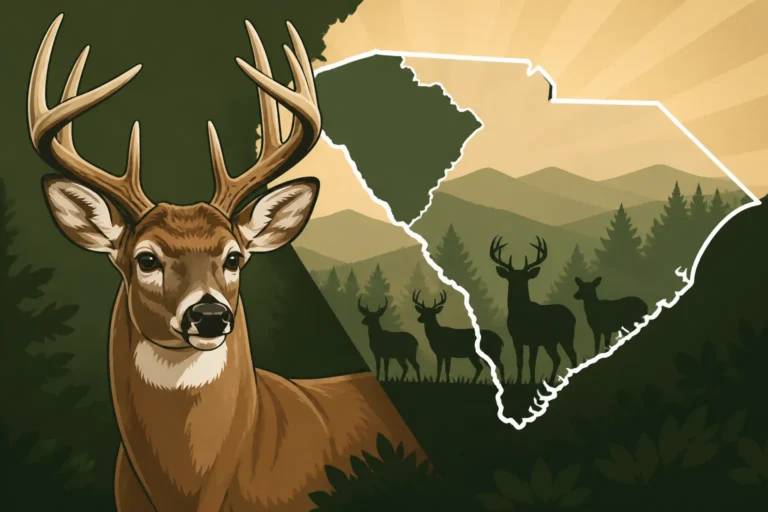
Our black bear population is primarily split into two distinct, geographically separated regions, which directly influences how and where bears are hunted. We're talking about two very different worlds: the rugged mountains of the Upstate and the sprawling, watery lowlands of the Coastal Plain. These areas are designated as South Carolina's Two Bear Hunting Zones, each with its own character and challenges.
Zone 1, nestled in the Blue Ridge Mountains of the Upstate, encompasses counties like Oconee, Pickens, and Greenville. Here, you'll find steep, heavily forested terrain, characterized by dense hardwoods, rhododendron thickets, and vast stretches of the Sumter National Forest. Bears in this region thrive on abundant mast crops like acorns and hickory nuts, finding refuge in the difficult-to-access coves and ridges. Hunting here often involves strenuous hikes, navigating dense cover, and understanding mountain thermals, which is a completely different ballgame than hunting deer in a flat pine plantation. The sheer scale and ruggedness of this habitat mean bears can live relatively undisturbed for long stretches, growing to impressive sizes.
Then there's Zone 4, the Coastal Plain, which includes parts of Horry, Georgetown, and Berkeley counties, among others. This landscape is a mosaic of cypress and tupelo swamps, extensive pine plantations, agricultural fields, and unique habitats like pocosins. Bears here adapt to a diet that includes berries, palmetto fruits, corn, and even the occasional crab or fish from the waterways. Hunting the Lowcountry Swamp Deer is already a challenge, and bear hunting takes it to another level. Access is often limited by water, and the dense, thorny undergrowth can make tracking a bear an arduous task. Many bears here live on private timberlands or large tracts of land inaccessible without permission, making opportunities more concentrated and often requiring specific strategies for Hunting Zone 4 Coastal Bears.
Historical Resurgence and Current Population Status
It's truly a conservation success story when you look at how the South Carolina's Black Bear Population has rebounded. Decades ago, black bears were nearly extirpated from much of the state due to habitat loss and unregulated hunting. Thankfully, through dedicated conservation efforts by the South Carolina Department of Natural Resources (SCDNR) and a natural expansion from neighboring states, our bear numbers have steadily increased.
Today, the population is healthy and growing, especially in the Upstate. Current estimates suggest that How Many South Carolina Black Bears There Are likely exceeds 1,000 animals in Zone 1, with a smaller, but still significant, population of a few hundred bears in Zone 4. These figures are a testament to effective management practices, including regulated hunting seasons that help balance bear numbers with human populations and agricultural interests. Hunting isn't just about recreation; it's a vital tool in wildlife management, helping to control population growth and reduce potential conflicts, especially as bear ranges expand into more suburban areas. It’s a delicate balance, and the harvest trends we see reflect the success—and sometimes the challenges—of this ongoing effort.
Decoding Recent South Carolina Bear Harvest Trends
When we talk about hunting, especially for a big game animal like a black bear, "success" isn't always measured in just one number. The harvest trends in South Carolina tell a fascinating story, year after year, reflecting everything from environmental conditions to management decisions and hunter effort. Let's dig into the data and see what it's truly revealing about our bears.
Annual Harvest Totals and Their Significance
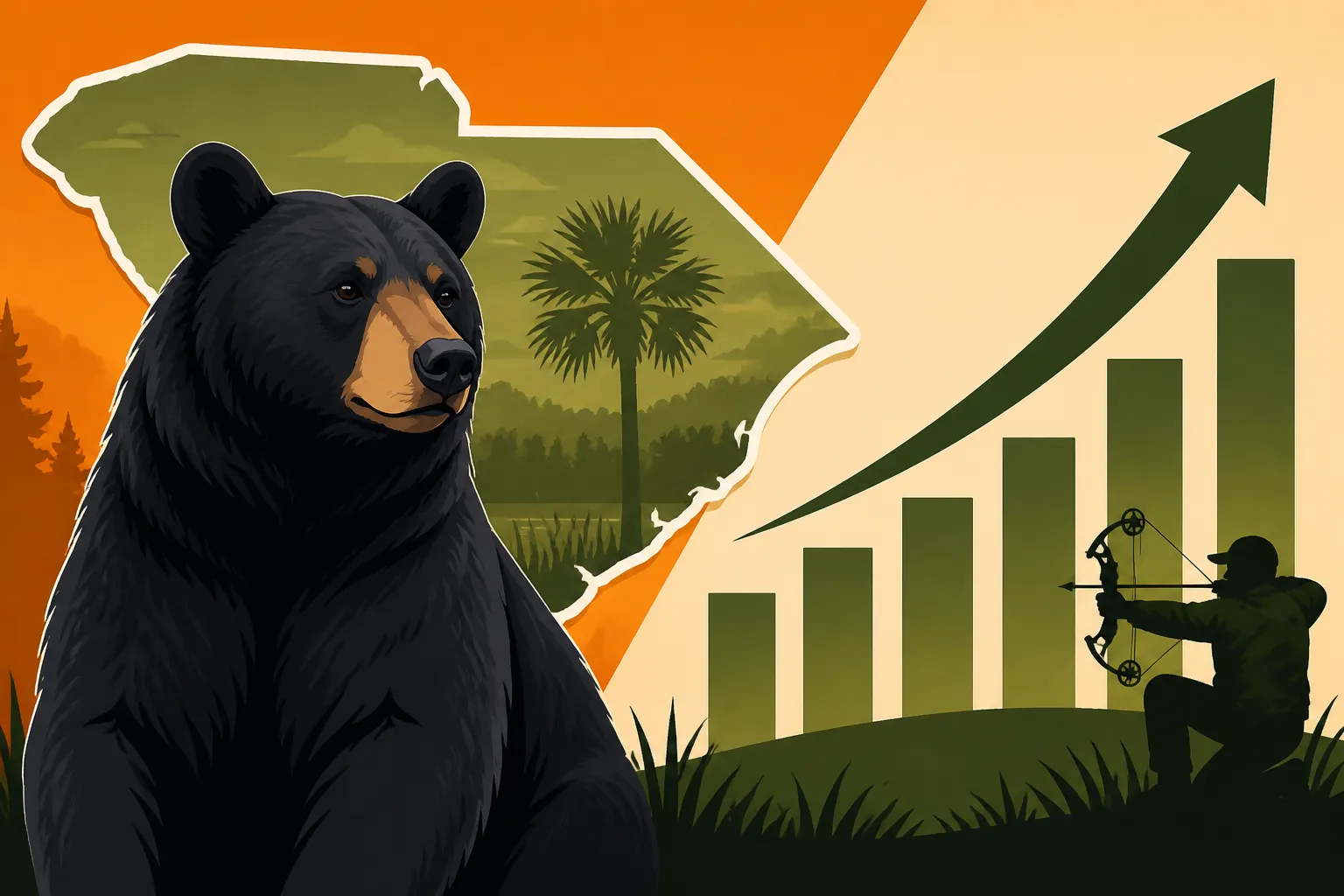
Looking at the statewide South Carolina Bear Harvest Numbers over the past few years, you'll notice a fluctuating pattern, which is completely normal for wildlife populations. For example, in 2021, the total statewide harvest was around 162 bears. In 2022, it was 158 bears. Then, in 2023, we saw a slight uptick to 164 bears. These aren't just random numbers; they provide critical insights for the SCDNR.
A slight increase or decrease in the harvest doesn't necessarily mean the bear population is booming or crashing. Instead, these annual totals often reflect a combination of factors: the overall health and density of the bear population, the availability of natural food sources (like acorns), weather conditions during the short hunting seasons, and the number of hunters participating. A consistently high harvest might suggest a robust and expanding population that can sustain a certain level of hunting pressure. Conversely, a sharp, unexplained decline could signal issues needing further investigation, though this has not been the case for South Carolina's bear population. These numbers are a vital feedback loop for wildlife managers, informing future season structures and permit allocations.
Contrasting Harvests Between Upstate and Coastal Zones
The most striking aspect of South Carolina's bear harvest data is the stark difference between Zone 1 (Upstate) and Zone 4 (Coastal Plain). This disparity isn't just a minor difference; it's a reflection of the vastly different bear populations, habitats, and hunting opportunities in each region.
For instance, in 2023, Zone 1 accounted for a significant majority of the harvest, with 133 bears taken. This was an increase from 115 in 2022 and 119 in 2021. The consistent higher harvest in the Upstate is directly linked to the fact that Why the Upstate Holds the Most Bears. This region has a larger, denser bear population, more extensive unbroken habitat within the Sumter National Forest, and generally offers more public land access for hunters. The season structure in Zone 1 also allows for both still-hunting and highly effective dog drives, increasing the chances of success for permitted hunters.
On the flip side, Zone 4's harvest numbers are considerably lower. In 2023, the Coastal Zone harvest was 31 bears, which was actually a decrease from 42 in 2022 and 43 in 2021. This lower harvest isn't surprising given Why the Coastal Bear Population Stays Smaller. The coastal bear population is less dense, often found in fragmented habitat pockets, and primarily resides on private lands. Public hunting opportunities are much more limited, and the season typically consists of an archery/muzzleloader segment followed by a short gun season, all without the aid of dogs. The challenges of accessing these swampy, thick areas and locating bears in a less dense population inherently lead to lower harvest numbers compared to the Upstate. The trends clearly demonstrate how geographic factors and regulatory differences shape hunter outcomes across the state.
Key Environmental and Regulatory Drivers of Harvest Success
Hunting success, particularly for a smart and adaptable animal like the black bear, is rarely solely dependent on hunter skill. There's a complex interplay of natural forces and human-imposed regulations that collectively dictate how many bears are harvested each season. Understanding these drivers is essential for any hunter hoping to fill a tag.
The Indispensable Role of Natural Food Sources
If you've spent any time in the woods, you know that food dictates everything for wildlife. For black bears, the annual mast crop—primarily acorns, but also persimmons, hickory nuts, and various berries—is absolutely critical. A bumper crop of acorns can spread bears out across the landscape, as they don't have to travel far to find food. This can make them harder for hunters to pattern and locate. They might spend more time in dense, inaccessible areas, feasting on the bounty.
Conversely, a poor mast year can concentrate bears around fewer, more reliable food sources, such as isolated oak stands, agricultural fields, or even suburban areas where they might be drawn to human food. This concentration can, counter-intuitively, lead to higher harvest numbers in some instances, as bears become more predictable and easier to find. Hunters who do their scouting thoroughly, using tools like GoHunt to analyze land features and potential food sources, can gain a significant advantage in these challenging years. They might identify those few productive ridge-top saddles or creek bottoms that are holding the remaining mast, knowing that bears will be frequenting them. The difference between a feast and famine year for acorns can literally make or break a hunting season.
Weather's Unpredictable Influence on Bear Behavior
South Carolina weather can be notoriously fickle, especially during our early fall hunting seasons, and it profoundly impacts bear activity. A warm-weather sitting strategy in South Carolina is often necessary for early season deer hunters, and it applies even more to bears. Bears, like most creatures, are less active during hot spells. They might become primarily nocturnal, conserving energy and bedding down in thick, cool cover during the day. This makes them incredibly difficult to intercept.
However, a sudden cold front, particularly after a stretch of warm weather, can trigger a flurry of activity. Bears will often move more during daylight hours, feeding intensely to pack on calories before winter or simply enjoying the cooler temperatures. Rain can also play a role; heavy downpours can push bears into dense cover, but a light drizzle might encourage them to move more quietly. Hunters who pay close attention to the forecast and adjust their tactics accordingly, perhaps focusing on cooler mornings or evenings after a front, will undoubtedly increase their odds. Trying to predict their movements is part of the challenge and excitement of hunting our wily black bears.
The Impact of Regulated Hunting Methods
South Carolina employs different legal hunting methods for bears, which are carefully regulated and have a direct impact on harvest success. These methods vary significantly between our two bear zones.
In Zone 1 (Upstate), hunters are afforded more options, reflecting the larger population and more expansive habitat. The South Carolina Zone 1 Bear Still-Gun Season Rules allow for traditional still-hunting with firearms, typically running for about 11 days. This method relies on stealth, tracking, and understanding bear travel corridors and feeding areas. Success here often comes down to extensive scouting, patience, and precise shot placement. Additionally, Zone 1 also permits South Carolina Zone 1 Bear Dog Drive Rules, typically a shorter, 6-day season. Bear dog drives are highly effective, with trained hounds used to locate, track, and tree bears, allowing hunters to move in for a shot. This method has a higher success rate per hunter, but it's also a more complex and communal effort, requiring specialized dogs and often a team of hunters. For a more detailed look into these tactics, read our guide on Hunting Zone 1 Still-Gun Bear Season and Hunting Zone 1 Bear Dog Drives.
Zone 4 (Coastal Plain) operates under a much stricter set of rules due to its smaller, more fragmented bear population. The South Carolina Zone 4 Coastal Bear Season Rules typically begin with a limited archery and muzzleloader season, followed by a very short general firearms season, usually only a few days. The use of dogs for bear hunting is strictly prohibited in the Coastal Zone. This means hunters must rely entirely on still-hunting or stand hunting over natural food sources, often within the dense cover of swamps and pocosins. This method is inherently more challenging in the Coastal Plain's specific habitat, leading to lower overall harvest numbers compared to the Upstate. The regulations are designed to manage harvest pressure and ensure the long-term viability of the smaller coastal bear population.
Management Strategies Shaping Future Harvests
The continued success of South Carolina's black bear population, and by extension, our hunting opportunities, isn't left to chance. It's the result of proactive and adaptive management strategies implemented by the SCDNR. These strategies are carefully crafted to ensure a sustainable harvest while promoting a healthy, thriving bear population for generations to come.
Permit System and Hunter Opportunity
One of the most critical tools in the SCDNR's arsenal for managing bear harvest is the limited entry permit system. Unlike deer hunting, where tags are generally available to all licensed hunters within a liberal bag limit, bear hunting in South Carolina requires a special permit. The South Carolina Bear Tag Requirements specify that hunters must apply for and draw one of a limited number of permits issued each year for each zone and hunting method.
For example, in 2023, 1,000 permits were available for the Zone 1 still-hunt, 450 for the Zone 1 dog hunt, and 100 for Zone 4. This system directly controls the maximum number of bears that can be legally harvested, preventing over-harvest and ensuring the population remains robust. The cost of these permits, coupled with the application process, adds a layer of seriousness and commitment to bear hunting. For hunters, this means competition for permits can be stiff, especially for the more sought-after dog hunting opportunities in the Upstate. Planning ahead, understanding the application windows, and being prepared to scout thoroughly – perhaps even using advanced mapping applications like GoHunt to identify potential new areas – becomes paramount. This controlled access not only protects the resource but also enhances the quality of the hunting experience for those who draw a tag.
Balancing Public Land Access with Conservation Goals
South Carolina is fortunate to have significant tracts of public land, particularly within the Sumter National Forest in the Upstate and various Wildlife Management Areas (WMAs) in both zones, that provide essential bear habitat and hunting opportunities. However, managing these areas for bear hunting involves a careful balance between providing access to hunters and achieving broader conservation goals.
The vastness of areas like the Sumter National Forest, where opportunities for Hunting South Carolina Black Bear Without Bait are plentiful, allows for dispersed hunting pressure. However, it also means that monitoring bear populations and harvests can be more challenging than on smaller, privately managed lands. SCDNR collaborates with the U.S. Forest Service to manage these areas, often implementing specific regulations regarding road access, camping, and stand placement to ensure both hunter safety and minimal impact on the ecosystem. The sheer size of these areas requires hunters to put in considerable effort scouting and often hiking deep into remote sections, where they can escape pressure. If you're planning a trip, considering what Bear Hunting Gear in the Upstate Mountains will serve you best for these long treks is a good idea.
On the Coastal Plain, public land access for bear hunting is more restricted, often limited to specific WMAs with very limited quotas, if any. Much of the prime coastal bear habitat is found on large private timber company lands or expansive family holdings. Here, conservation goals often involve working with landowners to manage habitat for bears and other wildlife, sometimes in exchange for hunting leases or other agreements. The challenge for managers is ensuring that enough habitat remains unfragmented and that harvest levels on private lands are sustainable. The limited public land access means that for most hunters, gaining access to private land through leases or landowner permission is the primary avenue for hunting coastal bears. This dynamic highlights the importance of partnerships and diverse strategies in managing bears across different land ownership types.
Broader Conservation Picture and Future Outlook for Bears
Understanding harvest trends isn't just about looking backward; it's about looking forward and ensuring that South Carolina's black bear population remains healthy and vibrant for future generations. Our bears are a true success story, but like all wildlife, they face ongoing challenges that require continuous vigilance and adaptive management.
Monitoring Population Health and Trends
The South Carolina Department of Natural Resources (SCDNR) employs a variety of methods to monitor the overall health and population trends of our black bears. Harvest data, which we've just discussed, is one of the most direct and reliable indicators. By collecting information on the number of bears harvested, their age, sex, and physical condition, biologists can gain insights into population structure, reproductive success, and overall health.
Beyond harvest numbers, SCDNR monitors other critical indicators such as road-kill incidents, public sightings (especially in areas where bears are expanding their range, like Bears Moving Into Midlands Suburbs), and scientific studies involving trapping and radio-collaring. These efforts help refine population estimates, understand movement patterns, and identify potential issues before they become widespread. For example, a consistent decline in the average age of harvested bears might suggest a population under too much pressure, while a high percentage of healthy, young bears indicates a robust and growing population. Currently, all signs point to a healthy, stable to increasing bear population in both zones, particularly the Upstate, underscoring the success of current management strategies for South Carolina's Black Bear Population.
Coexistence Challenges and Long-Term Sustainability
While the outlook for South Carolina's black bears is generally positive, the increasing population and expanding range bring with them inevitable challenges, particularly related to human-wildlife coexistence. As bears venture into more developed areas, conflicts over trash, pet food, and even agricultural damage become more common. This can lead to negative public perception, which in turn can impact the social license for hunting and conservation efforts.
Habitat fragmentation due to development also poses a long-term threat. Bears need large, undisturbed tracts of land to thrive, and as South Carolina continues to grow, these critical habitats can be broken up. SCDNR works proactively to educate the public on how to "live with bears," emphasizing preventative measures to reduce conflicts. Maintaining a healthy, managed bear population through regulated hunting is a key component of this long-term sustainability. It helps keep bear numbers in check in certain areas, reducing the likelihood of conflicts, while also providing valuable data for biologists. The goal is to ensure that South Carolina's iconic black bears not only survive but continue to flourish, providing both ecological benefits and cherished hunting opportunities for years to come.
South Carolina Bear Harvest Data Comparison (2021-2023)
Here's a snapshot of the recent bear harvest data, showing the distinct trends between South Carolina's two bear zones.
| Year | Total Statewide Harvest | Zone 1 (Upstate) Harvest | Zone 4 (Coastal) Harvest | Zone 1 Still-Hunt Harvest | Zone 1 Dog-Hunt Harvest | Zone 4 Archery/Muzzleloader/Gun Harvest |
|---|---|---|---|---|---|---|
| 2021 | 162 | 119 | 43 | (Data not separately released) | (Data not separately released) | (Data not separately released) |
| 2022 | 158 | 116 | 42 | (Data not separately released) | (Data not separately released) | (Data not separately released) |
| 2023 | 164 | 133 | 31 | 115 | 18 | 31 |
Note: Specific harvest breakdowns for still-hunt vs. dog-hunt were not consistently released for Zone 1 in prior years, but 2023 data provides a clearer picture.
Disclaimer
Hunting regulations and season dates can change. Always consult the official South Carolina Department of Natural Resources (SCDNR) website or their current regulations guide before planning any hunting activity. This guide is for informational purposes only and should not replace official sources.