Layout Blind Hunting Lowcountry Rice Fields
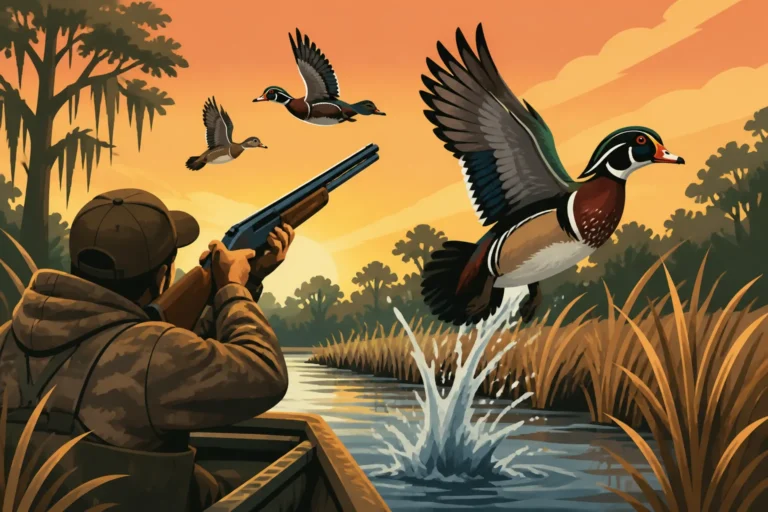
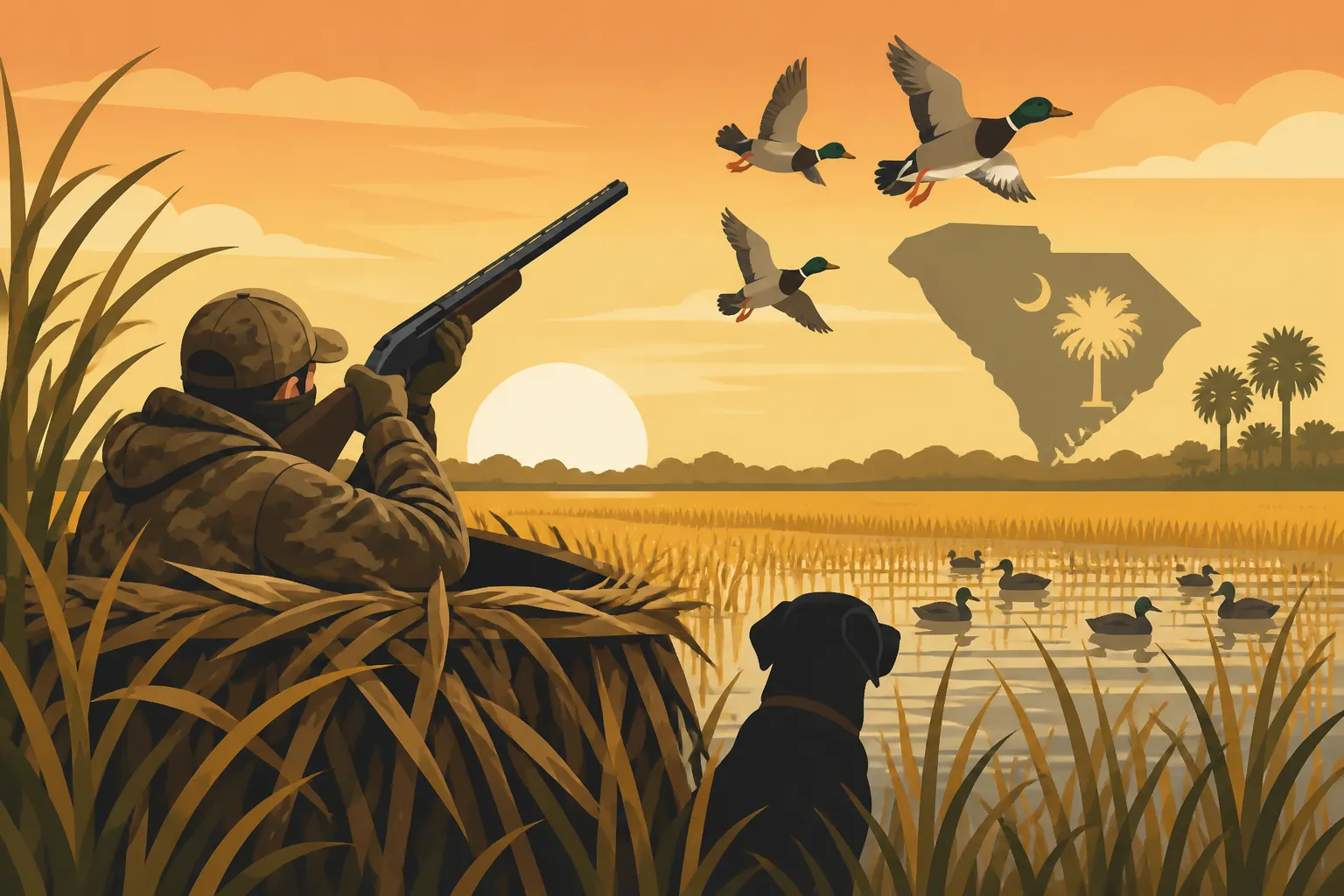
Hunting waterfowl in South Carolina's Lowcountry rice fields presents a unique set of challenges and immense rewards. The vast, often shallow, open water can feel intimidating, leaving many hunters scratching their heads about how to effectively conceal themselves and draw in wary ducks. If you've ever felt exposed in a spread, watching birds flair at 100 yards, this guide is for you. We're going to dive deep into the world of layout blind hunting in these historic and productive wetlands, covering everything from understanding the landscape to advanced setup techniques, to help you consistently put birds in the bag.
The Unique Landscape of South Carolina's Lowcountry Rice Fields
The Lowcountry, with its expansive wetlands and intricate waterways, holds a special place in the hearts of waterfowl hunters. These aren't just any fields; they're historical, dynamic environments that demand a specific approach.
A Rich History of Waterfowl Attraction
Centuries ago, these very fields were meticulously engineered for rice cultivation, their dikes and water control structures a testament to human ingenuity. While the era of rice plantations has long passed, the infrastructure remains, now managed by private landowners and state agencies as prime waterfowl habitat. These impoundments are flooded intentionally, providing shallow feeding areas rich in submerged aquatic vegetation and invertebrates—a veritable smorgasbord for migrating ducks. This managed habitat creates crucial staging and wintering grounds, supporting a significant portion of the South Carolina Waterfowl on the Atlantic Flyway. Understanding this history helps us appreciate the deliberate work that goes into making these areas so productive for ducks today. The careful flooding, drawdowns, and plantings are all designed to maximize food availability, drawing in pintails, wigeon, green-winged teal, and of course, plenty of mallards.
Reading the Water: Tides, Guts, and Feed Ponds
Unlike static ponds, many Lowcountry rice fields, especially those closer to the coast, are influenced by the daily ebb and flow of tides. This tidal action dictates water levels, exposing mudflats for dabbling ducks to feed on seeds and invertebrates, and then reflooding these areas, allowing ducks to access different food sources. Learning to read these tidal charts and understand their impact on your hunting spot is paramount. Ducks often use "guts" or deeper ditches within the fields as travel corridors, especially when moving between feeding and loafing areas, or when the main impoundment gets too shallow. Identifying these subtle depressions, often visible from aerial maps, can inform your blind placement and decoy spreads. Understanding the water movement can also influence how you approach Hunting Coastal Marsh Waterfowl, where the tide often dictates access and bird movement even more directly.
Identifying Prime Duck Habitat within the Fields
Even within a seemingly uniform rice field, not all spots are created equal. Ducks are creatures of habit, and they'll gravitate towards areas that offer the best combination of food, shallow water, and perceived safety. Look for subtle variations: areas with denser concentrations of preferred vegetation like smartweed, wild millet, or wigeon grass; slight rises in the field that create shallow "ponds" as the water recedes; or protected corners near a dike that offer a bit of shelter from the wind. Observing fresh tracks in the mud, droppings, and feeding "churns" (areas where ducks have been actively dabbling) are clear indicators of recent activity. Scouting these details, even if it means wading through the muck before the season, will significantly increase your odds of setting up where the birds actually want to be.
Selecting and Preparing Your Layout Blind for Lowcountry Success
Choosing the right layout blind is more than just grabbing the first one off the shelf; it's about matching your gear to the unique demands of the Lowcountry environment.
Different Blind Types and Their Lowcountry Suitability
When it comes to layout blinds, you've got options. Low-profile blinds, designed to keep you as flat to the ground as possible, are often the go-to for open rice fields. Brands like Avery, Tanglefree, and Final Approach offer excellent models. These blinds typically feature a collapsible frame, a waterproof bottom, and a stubble strap system for brushing them in. Their main advantage is minimal silhouette. However, if you're hunting slightly higher ground or areas with more standing vegetation, a slightly taller blind might offer better concealment and comfort. The key is balance: enough height for comfort and easy access, but low enough to virtually disappear. Consider models with a durable, reinforced bottom, as you'll often be pushing them through mud and shallow water. Thinking about the specific challenges of waterfowl hunting, especially in sensitive habitats, really emphasizes the need for durable and effective equipment, much like the considerations involved in choosing Waterfowl Gear for the ACE Basin.
Critical Camouflage and Blending Techniques
This is where the rubber meets the road. A layout blind, no matter how low-profile, is just a piece of plastic and fabric if it's not properly camouflaged. The goal is complete invisibility. Start by matching your blind's base color to the predominant stubble or mud in the field. Then, the real work begins: brushing it in. You’ll want to gather local vegetation – think dead marsh grass, cut rice stalks, cattails, or phragmites – and weave it meticulously into the stubble straps. Don’t just pile it on top; integrate it so it looks like a natural part of the field. Break up the hard lines of the blind's frame. Pay special attention to the areas around your head and feet, as these are common spots for outlines to show. It's an art form, really, and similar principles apply to Brushing In a Blind on a Field Edge, just on a much grander, flatter scale. Spend an extra 15-20 minutes making sure your blind looks like a natural clump of debris, and those wary ducks won't stand a chance. Many hunters use aerial photos from services like GoHunt to scout the edges and identify areas with good natural cover for brushing in their blinds. This digital reconnaissance can save you precious time and effort in the field.
Portability, Durability, and Maintenance
The Lowcountry is not a place for flimsy gear. Hauling your blind, decoys, and other equipment through sticky mud, over dikes, and across shallow water demands robust construction. Look for blinds with sturdy aluminum frames, heavy-duty zippers, and resilient fabrics that can withstand abrasive vegetation and constant exposure to mud and water. Portability is also key. Can you comfortably carry it over your shoulder for a decent distance? Does it pack down relatively flat in a boat or ATV? After the hunt, don't just toss it in the truck. Mud, grit, and moisture are the enemies of longevity. Take the time to hose down your blind, particularly the bottom and any moving parts, to remove corrosive elements. Allow it to fully air dry before storing to prevent mildew and extend its life. This attention to durability and maintenance will ensure your blind serves you for many seasons to come in the harsh Lowcountry environment.
Mastering Decoy Spreads and Calling for Wary Rice Field Ducks
The wide-open nature of Lowcountry rice fields means ducks have an excellent vantage point. Your decoy spread and calling need to be top-notch to convince them to commit.
Crafting Effective Decoy Spreads for Open Water
In these expansive fields, visibility is king, but realism is queen. You're typically dealing with a lot of open water, so a larger spread often helps attract attention from afar. Think about using a variety of species that frequent the Lowcountry: plenty of mallards and pintails for visibility, green-winged teal for a splash of color, and even some wigeon. A common and effective strategy is to create a "U" or "J" shape, with the open end facing into the wind, directly in front of your blind. This creates a natural landing zone for approaching birds. You can also mix in smaller pods of specific species to add realism. For instance, a small group of pintails off to one side, or a tight bunch of teal. For hunters focused on the specific habits of birds like Mallards and Wood Ducks in the ACE Basin, it’s crucial to mimic their natural feeding and loafing patterns with your spread. Don't be afraid to experiment with the size and arrangement; what works one day might not the next.
The Art of Calling in Pressured Birds
Lowcountry ducks hear a lot of calling throughout the season, making them incredibly wary. Forget about blasting out aggressive hail calls every few minutes. Instead, focus on realism and subtlety. Start with softer greeting calls and contented quacks. Observe the birds' reactions. If they respond positively, you can increase volume and intensity slightly. If they veer off, back off the call. A good sequence might be a few soft quacks as birds are distant, followed by a feeding chuckle as they get closer, and then maybe a low, drawn-out lonesome hen call to seal the deal. Remember, calling isn't just about making noise; it's about having a conversation with the ducks. Practice different calls, listen to real ducks, and understand when to be quiet. Understanding local bird movement patterns can be enhanced by scouting tools, and many hunters use features on platforms like GoHunt to mark known flight paths and feeding spots. This knowledge directly informs your calling strategy.
Incorporating Motion and Confidence Decoys
Motion can be a game-changer, especially on calm days when your static decoys offer little visual appeal. Spinning wing decoys (e.g., Mojo Decoys) are incredibly effective at drawing attention from long distances, mimicking landing birds. Place them near the landing zone in your spread, but not so close that they distract from your blind. Jerk strings, allowing you to create ripples and movement among your decoys, are another excellent, often overlooked tool. They provide subtle, lifelike action that can entice wary birds. Furthermore, don't underestimate the power of confidence decoys. A couple of full-body Canada goose decoys, even if you're primarily hunting ducks, can make your spread look safer and more natural to approaching ducks. Geese are often seen loafing in rice fields, and their presence can put ducks at ease, making them more likely to commit.
Strategic Blind Placement and Concealment Tactics
Even the best blind and decoy spread won't matter if your placement is wrong. The low-lying nature of rice fields amplifies the need for strategic positioning.
Reading the Wind and Sun for Optimal Position
Ducks almost always land and take off into the wind. This is your cardinal rule for blind placement. Your blind and decoy spread should be positioned so that birds approach into the wind, directly into your shooting lane, and preferably with the sun at your back. Having the sun at your back not only makes it easier for you to see the birds clearly, but it also minimizes glare reflecting off your face or blind, which can spook incoming ducks. If the wind shifts during the hunt, you might need to adjust your blind or even relocate. Always consider how birds will approach and how the sun will hit them. A common mistake is setting up with the sun in your face, making identification and shooting difficult, and silhouetting your blind.
Utilizing Natural Contours and Field Edges
While rice fields appear flat, there are almost always subtle contours you can exploit. Old dikes, slight rises in the field, or even areas with slightly denser vegetation can offer a natural break in the landscape, making your blind easier to conceal. Setting your blind directly on top of a dike might give you a slightly better vantage point, but it also makes it more visible. Instead, consider setting it just behind a dike, using the dike itself as a natural barrier. Similarly, positioning your blind along a field edge where there might be a transition to taller cover, like a tree line or a thicker patch of marsh grass, can also aid concealment. This approach is highly effective and shares principles with Hunting Coastal Rice Field Edges, where blending into the existing habitat is paramount. These small details make a huge difference in breaking up your outline and allowing you to disappear into the landscape.
The Importance of Hunter Discipline and Patience
Even with perfect concealment and an irresistible spread, hunter discipline is absolutely crucial. Ducks have incredible eyesight, and even a slight movement of a head, hand, or gun barrel can send them flaring. Once you're in your blind, commit to staying still. Resist the urge to peek over the top of the blind or constantly adjust your position. Wait until the birds are fully committed, cupped up, and within comfortable shooting range before making your move. In the Lowcountry, early season ducks might be a bit more forgiving, but as the season progresses and birds face more pressure, they become incredibly wary. Patience pays off. Sometimes the best call is no call, and the best movement is no movement, allowing the birds to work your spread naturally.
Navigating Lowcountry Regulations and Ensuring Safety
Hunting in South Carolina's Lowcountry rice fields comes with specific regulations and inherent safety considerations that every hunter must understand.
Understanding South Carolina Waterfowl Zones and Seasons
South Carolina is divided into different waterfowl zones, each with its own season dates and bag limits. It is absolutely imperative to know which zone your chosen hunting area falls into and to adhere strictly to those regulations. The seasons for ducks and geese can vary, and daily bag limits are species-specific. For example, the daily limit for mallards might be lower than for green-winged teal. You also need to be aware of shooting hours, which are typically from one-half hour before sunrise to sunset. These regulations are designed to manage waterfowl populations sustainably and provide fair chase opportunities. Always double-check the latest regulations; the GoHunt app often provides easy access to state game laws. Staying informed about the South Carolina Duck Zone Rules is your responsibility as a hunter, and ignorance is no excuse.
WMA-Specific Rules and Public Access Challenges
If you're hunting on public land, such as Wildlife Management Areas (WMAs) like those managed by the South Carolina Department of Natural Resources (SCDNR), there will be additional rules. Many WMAs, especially those with managed impoundments, operate on a quota hunt or draw system, requiring applications well in advance. Some may have specific dates when motors are allowed or restricted, or limitations on when you can set up or remove decoys. Always consult the specific WMA regulations for your chosen area. Beyond the WMA rules, all waterfowl hunters in South Carolina are required to possess a valid state hunting license, a South Carolina Migratory Bird Permit (HIP certification), and a Federal Duck Stamp. Without these, you're not legally hunting. Ensure you have your South Carolina Migratory Bird Certification and understand the South Carolina Federal Duck Stamp Requirement before you ever step foot in a rice field.
Essential Safety in Mud, Water, and Open Terrain
The Lowcountry environment, while beautiful, can be dangerous. Deep, sticky mud is a constant hazard, capable of sucking off boots or trapping you. Always inform someone of your hunting location and expected return time. Hunt with a partner if possible. Wear appropriate footwear, such as knee boots or chest waders, to protect against water and potential snake encounters (cottonmouths are common). Dehydration can be an issue, even on cooler days, so bring plenty of water. When using layout blinds, be acutely aware of your surroundings, especially if you're on a public land WMA. Other hunters might be in the area, so blaze orange might be required when walking in or out, and always maintain safe shooting lanes. Always treat your firearm with the utmost respect, keeping the muzzle pointed in a safe direction and engaging the safety until you are ready to shoot. Recovering downed birds in thick mud or water can be challenging, so consider bringing a retriever or a long pole.
Adapting and Advancing Your Rice Field Strategy
The Lowcountry waterfowl season is long, and conditions can change rapidly. True success comes from adaptability and continuous learning.
Persistent Scouting and Evolving Game Behavior
Ducks are not static. Their patterns change based on food availability, water levels, hunting pressure, and weather fronts. What worked on opening day might not work a month later. This is why persistent scouting throughout the season is so vital. Use binoculars and spotting scopes from a distance to observe where birds are feeding and loafing. Pay attention to their flight paths. If you notice a shift in their preferred areas, be prepared to adjust your setup. Don't be afraid to leave a "hot" spot if the birds aren't using it anymore. Tools like GoHunt's mapping features can be incredibly helpful for marking new scouting observations and tracking duck movement throughout the season. They allow you to log changes and analyze trends, making you a more effective hunter as the season progresses. Regularly Reading a Tidal Marsh for a Morning Flight will give you key insights into how local bird populations are shifting.
Adjusting to Weather Patterns and Hunting Pressure
Weather is perhaps the biggest driver of duck movement. Cold fronts, especially those pushing down from the north, often bring in new waves of migratory birds, energizing the fields. Bluebird, high-pressure days, conversely, can make ducks lethargic and less willing to move. On these slow days, a more subtle approach to calling and a more spread-out, natural-looking decoy rig might be more effective. Hunting pressure is another significant factor, particularly on public lands. Early in the season, ducks might be more forgiving, but as they get shot at, they become incredibly wary and will flair at the slightest hint of danger. This means even more meticulous brushing in, more subtle calling, and a greater emphasis on hunter discipline. Be willing to go the extra mile, literally, to find less-pressured birds.
Integrating Other Species and Mixed Bag Opportunities
While you might be primarily targeting ducks, don't overlook opportunities for a mixed bag. In Lowcountry rice fields, it's not uncommon to have Canada geese, snow geese, or even other migratory birds like coots or rails flying over. If you have the appropriate tags and the season is open, being prepared for these opportunities can add excitement and meat to your freezer. Adding a few goose decoys to your duck spread can sometimes act as a confidence booster for wary ducks, or draw in passing geese. Always know the specific bag limits and regulations for each species. For those interested in Early Goose Season Tactics in South Carolina or even how to manage Canada Geese on South Carolina Farmland, these birds often share similar habitats and can present additional hunting opportunities. Being versatile in your approach can lead to more memorable hunts.
Disclaimer
Hunting involves inherent risks, including injury and death. Always prioritize safety, follow all local, state, and federal laws and regulations, and respect private property. The information provided in this guide is for informational purposes only and should not be considered a substitute for professional instruction or official game and fish regulations. Always verify current regulations with the South Carolina Department of Natural Resources (SCDNR) before engaging in any hunting activities.