Mallards and Wood Ducks in the ACE Basin
For many waterfowlers in South Carolina, the thought of chasing mallards and wood ducks in the legendary ACE Basin brings a mix of excitement and trepidation. This vast, dynamic estuary, where the Ashepoo, Combahee, and Edisto rivers meet the Atlantic, presents unique challenges and incredible rewards for those willing to learn its secrets. This guide will walk you through the essential knowledge and practical strategies needed to successfully hunt these iconic ducks in one of the state's most vital waterfowl habitats.
Understanding the ACE Basin's Unique Waterfowl Habitat
The ACE Basin is a jewel of the Lowcountry, a sprawling ecological wonder that offers an incredibly diverse landscape for waterfowl. It’s not just one type of hunting ground; it's a tapestry of brackish marshes, freshwater impoundments, tidal creeks, and cypress-tupelo swamps, all interconnected and influenced by the relentless rhythm of the tides. This complexity is what makes it so productive for ducks, but also what makes it challenging to hunt effectively.
Tidal Influence and Freshwater Impoundments
One of the most defining characteristics of the ACE Basin is its intricate relationship with the tide. Unlike many inland duck hunting spots, the water levels, currents, and even the availability of food sources here are in constant flux, dictated by the ebb and flow of the Atlantic. This tidal movement creates dynamic feeding opportunities and forces ducks to constantly adjust their patterns. Hunters must pay close attention to tide charts, understanding how high tide can flood prime feeding areas and how low tide can expose vast mudflats, concentrating birds in smaller, deeper pockets of water. It's a dance with nature that demands careful observation and flexible planning.
Beyond the natural tidal creeks and saltmarsh, the ACE Basin is also home to numerous managed freshwater impoundments, often old rice fields that have been diked and manipulated for waterfowl. These impoundments are usually flooded in the fall, providing stable water levels and abundant food sources that are less affected by daily tidal shifts. They serve as crucial refuge and feeding grounds, especially during periods of extreme tides or adverse weather in the open marsh. Successfully hunting these areas often requires different tactics, focusing more on established food plots and controlled water levels rather than the unpredictable nature of the open marsh. Access to these impoundments can sometimes be restricted or managed through quota hunts, so checking specific regulations for areas like Bear Island Wildlife Management Area or Donnelley Wildlife Management Area is always a smart first step.
Food Sources and Vegetation
The sheer variety of vegetation and food sources within the ACE Basin is a primary reason it draws so many ducks. In the brackish and saltwater marshes, you'll find vast expanses of smooth cordgrass and needlerush, which offer cover and, in some cases, seeds for certain duck species. However, it's the areas where freshwater mixes with the tidal influence, or where dedicated impoundments are managed, that truly provide the buffet for mallards and wood ducks.
These freshwater and slightly brackish areas burst with wild millets, smartweed, duck potato, and wigeon grass – all prime waterfowl foods. In many of the old rice fields, managers actively cultivate crops like corn, millet, and even chufa, then flood them to create irresistible feeding grounds. For instance, in areas like the Webb Wildlife Management Area, active habitat management ensures a consistent food supply. Understanding what ducks are currently feeding on is paramount. A quick scouting trip, either by boat or through observation, can reveal preferred feeding areas. Look for signs of dabbling – muddy water, disturbed vegetation – and pay attention to what kind of plants are abundant. A helpful tool like the Go Outdoors SC App can sometimes offer insights into WMA management activities or plant identification, giving you a leg up in reading the landscape. This diverse forage base is what makes the ACE Basin such a critical stop for South Carolina Waterfowl Migration Timing and a magnet for birds on the Atlantic Flyway.
The Allure of Mallards and Wood Ducks in South Carolina
While a wide array of waterfowl visits South Carolina, mallards and wood ducks hold a special place in the hearts of many hunters. Their vibrant plumage, distinct behaviors, and the unique challenges they present make them highly sought-after game birds, especially in a diverse habitat like the ACE Basin.
Mallard Migration Patterns and Behavior
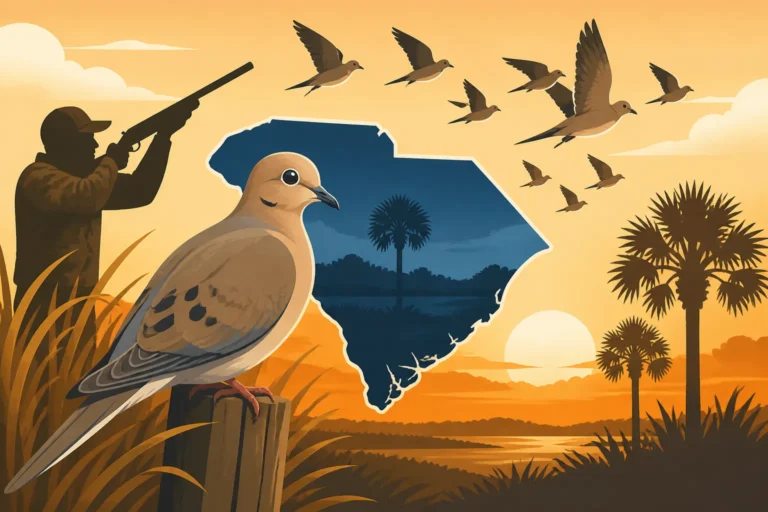
Mallards, often referred to as "greenheads," are the quintessential puddle duck, known for their adaptability and widespread distribution. In the ACE Basin, mallards are primarily winter residents, migrating south from northern breeding grounds. Their numbers tend to peak from late November through January, as cold fronts push more birds down the Atlantic Flyway. They are highly communal birds, often found in large flocks, and are notorious for their keen eyesight and wariness.
Mallards in the ACE Basin favor shallow water areas where they can dabble for seeds, aquatic vegetation, and invertebrates. This means they'll often be found in the managed freshwater impoundments, flooded timber, or the calmer, less saline portions of the tidal creeks and marshes. They are also known to use agricultural fields, particularly cut corn or soybean fields, if they are near water. Hunting mallards often involves setting up large, realistic decoy spreads, using aggressive calling, and remaining absolutely still and hidden. Their response to a well-placed spread and skilled calling, with those unmistakable "quacks," is a truly classic waterfowling experience. When hunting these birds, be mindful of the South Carolina Duck Daily Bag Limit to ensure compliance.
Wood Duck Abundance and Local Habits
If mallards are the migratory stars of winter, wood ducks are the resident royalty of the Lowcountry swamps. While some wood ducks do migrate through South Carolina, a significant portion of the population breeds and resides year-round within the state, especially in the forested wetlands of the ACE Basin. Their breathtaking iridescent plumage, often described as jewel-like, makes them one of the most beautiful ducks in North America.
Wood ducks are primarily birds of flooded timber, cypress-tupelo swamps, and smaller, wooded creeks. They are cavity nesters, relying on old trees with suitable holes, which are abundant in the extensive bottomland hardwoods of the ACE Basin. Unlike mallards, they are less wary of hunters in open water but are incredibly agile flyers, zipping through dense timber with astonishing speed. They are early risers, often making their characteristic "woo-eek" call as they zip into feeding areas at first light, and returning to roost just before dark. Hunting wood ducks often involves ambushing them in these preferred flight corridors, either in flooded timber or along the edges of secluded creeks. Small, natural decoy spreads are usually sufficient, and calling often involves soft, simple whines rather than aggressive quacking. The fast-paced, close-quarters action of a wood duck hunt in a cypress swamp is an experience unique to the Lowcountry.
Key Strategies for Hunting Ducks in the ACE Basin
Hunting ducks in the ACE Basin requires a blend of traditional waterfowling skills and specific adaptations to the Lowcountry environment. It’s a place where preparation, observation, and a keen understanding of duck behavior are rewarded handsomely.
Scouting and Location Selection
Effective scouting is perhaps the single most critical factor for success in the ACE Basin. This isn't a place where you can just show up on opening morning and expect to find birds reliably. Ducks in the basin are constantly moving, driven by tides, food availability, and hunting pressure. You need to know where the birds are right now. This means spending time before the season, and even during the season, watching flight patterns, observing feeding areas, and identifying roosting spots.
When scouting, look for fresh sign: disturbed mud, droppings, and active feeding behavior. Focus on areas where different habitat types meet – where tidal creeks empty into impoundments, where flooded timber borders open marsh, or where freshwater runoff creates calmer pockets. Pay attention to wind direction and how it might influence duck approaches to a potential setup. A quality mapping tool like GoHunt can be invaluable for identifying potential hotspots, marking access points, and understanding land ownership, which is crucial when navigating the mosaic of public and private lands. If you're targeting specific public lands, understanding the nuances of Hunting the ACE Basin or South Carolina Wildlife Management Areas is essential for successful scouting and hunt planning. Remember, ducks are creatures of habit, but those habits are fluid in the ACE Basin's dynamic environment.
Decoy Spreads and Calling Techniques
The right decoy spread and calling strategy can make all the difference, but what's "right" varies significantly between mallards and wood ducks, and the specific location within the ACE Basin. For mallards in open impoundments or larger tidal creeks, a good spread is often a larger one, mimicking a contented flock of feeding birds. Think a mix of active feeders, sentinels, and sleepers to create a natural look. Greenhead decoys should dominate, but adding a few pintails or wigeons can add realism, as these birds often mix. For calling, a diverse range of quacks – greeting calls, feeding chuckles, and comeback calls – delivered with confidence and realism, can pull in wary mallards. However, be ready to go quiet if birds are working the spread, as over-calling can spook them. For specific guidance, you might find valuable insights in Decoy Spreads for ACE Basin Divers, even though it focuses on divers, the principles of placement and realism still apply.
Wood duck hunting, especially in flooded timber or tight creeks, requires a more minimalist approach. Often, just a few wood duck decoys, or even none at all, are sufficient. The dense cover means ducks often commit quickly once they see a landing zone. If you use decoys, place them naturally in small openings or along the banks. Calling for wood ducks is much more subtle. Soft "woo-eek" calls, often repeated, are the primary vocalization to mimic. These calls attract passing birds and reassure those that are circling. The key with woodies is often less about elaborate calling and more about being in the right place at the right time, perfectly hidden, along a known flight path.
Timing Your Hunt with Tides and Weather
In the tidal portions of the ACE Basin, ignoring the tide is a recipe for frustration. Ducks will adjust their feeding and loafing patterns based on whether water is rising, falling, or completely out. For example, a rising tide might push birds into new feeding grounds or over newly flooded vegetation. A falling tide can concentrate them into deeper channels or expose mudflats where they might loaf or seek grit. Hunters need to analyze the tide charts and plan their hunts accordingly. This might mean hitting a specific spot only during a two-hour window around high tide or focusing on a low-tide concentration point. Understanding how to Read a Tidal Marsh for a Morning Flight is a critical skill here.
Weather also plays a massive role. A cold front, especially one with northwesterly winds, can push new migratory mallards into the basin. Overcast days with light winds are often ideal, as ducks fly lower and more predictably. Strong winds can make open water hunting challenging but can also funnel ducks along protected tree lines or across narrower sections of marsh. Rain can affect visibility and dampen hunting enthusiasm, but sometimes a light drizzle can make birds less wary. Always check the forecast and factor it into your decision-making. Don't underestimate how much ducks respond to changes in the atmosphere, and how those changes impact the dynamic environment of the ACE Basin.
Essential Gear and Preparation for an ACE Basin Duck Hunt
Hunting the ACE Basin is an adventure that demands not just skill, but also the right equipment. The unique environment, with its mix of water, mud, and dense vegetation, requires specific gear to ensure safety, comfort, and success.
Waders, Boats, and Blind Considerations
First and foremost, you absolutely need quality waders for duck hunting in the ACE Basin. Whether you're slogging through knee-deep mud to set decoys or standing in chest-high water in a flooded impoundment, reliable waders are non-negotiable. Breathable chest waders are often preferred for comfort in South Carolina's generally mild climate, but neoprene can be a good choice for colder stretches of the season. Always wear a wading belt to prevent your waders from filling with water in case of a stumble, and consider sturdy Waders for South Carolina Tidal Marsh Hunting that offer extra durability and protection.
A boat is often essential for accessing prime hunting spots, especially in the larger tidal creeks and impoundments. Flat-bottomed jon boats or small skiffs are popular choices due to their stability in shallow water and ability to navigate narrow channels. A reliable outboard motor is crucial, but also consider a push pole or even an electric trolling motor for stealthy approaches and navigating extremely shallow areas. If you're venturing into remote areas, a robust and dependable vessel like those mentioned in Marsh Boats and Push Poles is paramount.
For concealment, blinds need to blend seamlessly with the natural environment. In open marsh or impoundments, a well-brushed-in layout blind or a boat blind covered with local vegetation is key. Think natural grasses, reeds, and palmetto fronds to break up your outline. In flooded timber, simply positioning yourself against a large cypress or tupelo tree, using natural cover, often works best. The goal is always to become part of the landscape, disappearing from the keen eyes of incoming ducks.
Shotgun and Ammunition Choices
For shotgun selection, a reliable 12-gauge or 20-gauge pump-action or semi-automatic is standard for duck hunting. The choice between gauges often comes down to personal preference for recoil and ammunition capacity, though a 12-gauge offers a wider range of load options for waterfowl. Whatever you choose, ensure it's chambered for 3-inch or 3.5-inch shells if you plan on using heavier loads. More importantly, make sure your shotgun is patterned effectively with the ammunition you intend to use.
Ammunition choice is critical and dictated by federal regulations: you must use non-toxic shot for waterfowl hunting. Steel shot is the most common and affordable option, but alternatives like bismuth or tungsten-iron offer denser patterns and better down-range performance, albeit at a higher cost. For mallards in open water, you might opt for larger shot sizes like BB or 1, while wood ducks in timber often fall to smaller sizes like 3 or 4. Always use loads designed for waterfowl and ensure your choke tube is appropriate for your chosen shot size and hunting scenario. Remember, Where Nontoxic Shot Is Required in South Carolina is across all waterfowl hunting.
Here's a quick comparison of common non-toxic shot types:
| Shot Type | Density (g/cm³) | Cost (Relative) | Pattern (Relative) | Effectiveness | Notes |
|---|---|---|---|---|---|
| Steel | 7.8 | Low | Good | Good | Most common, fastest, less dense |
| Bismuth | 9.6 | Moderate | Very Good | Excellent | Similar to lead in performance, softer |
| Tungsten-Iron | 10-12 | High | Excellent | Superior | Very dense, penetrates well, expensive |
| Tungsten-Polymer | 10-12 | High | Excellent | Superior | Very dense, good for long shots, expensive |
This table provides a general overview, and actual performance can vary based on brand, load, and your specific shotgun/choke combination.
Safety and Regulations
Safety should always be your top priority. Hunting in the ACE Basin means being in a remote, water-rich environment. Always wear a life vest when in a boat, especially during cold weather or when moving quickly. Inform someone of your hunting plans, including your exact location and expected return time. Carry a fully charged cell phone (in a waterproof bag), a GPS unit or mapping app (like GoHunt's offline maps feature), a first-aid kit, and extra water and snacks. The dense marsh and swamps can be disorienting, and getting lost or injured is a real possibility.
Beyond personal safety, be intimately familiar with South Carolina's hunting regulations. This includes understanding South Carolina Waterfowl Zones and Seasons, specific bag limits for mallards and wood ducks, and WMA rules if you're hunting public land. You'll also need a valid South Carolina hunting license, a South Carolina Federal Duck Stamp Requirement, and a HIP (Harvest Information Program) certification. All harvested ducks must be retrieved and counted towards your daily bag limit. Adherence to these rules not only keeps you legal but also contributes to the sustainable management of South Carolina's waterfowl resources.
Conservation Efforts and Sustainable Hunting Practices
Waterfowl hunting, particularly in a habitat as significant as the ACE Basin, is inextricably linked to conservation. Hunters have historically been, and continue to be, the driving force behind funding and advocating for wetland preservation and restoration. Understanding and participating in these efforts is a vital part of being a responsible duck hunter in South Carolina.
Habitat Restoration Initiatives
The ACE Basin itself is a testament to large-scale conservation efforts. Its designation as a National Estuarine Research Reserve and an important focus area for groups like Ducks Unlimited, the U.S. Fish and Wildlife Service, and the South Carolina Department of Natural Resources (SCDNR) highlights its ecological importance. These organizations, often funded directly or indirectly by hunters, work tirelessly on habitat restoration projects within the basin.
Many of these projects focus on restoring and managing the historic rice fields as productive waterfowl impoundments. This involves repairing dikes, managing water levels, and cultivating beneficial waterfowl food plants. Other efforts target the restoration of brackish marsh habitats by controlling invasive species and promoting native vegetation. These initiatives directly benefit mallards, wood ducks, and countless other wildlife species by ensuring a healthy and abundant environment. For instance, the ongoing work in areas like the ACE Basin National Wildlife Refuge provides crucial wintering grounds and breeding habitat, drawing in vast numbers of birds. These managed areas are often where you'll find the highest concentrations of ducks, offering some of the best opportunities for Waterfowl Hunting South Carolina's Coast.
The Role of Hunters in Conservation
Hunters play a crucial, multi-faceted role in the conservation of mallards, wood ducks, and their habitats in the ACE Basin and beyond. First, through the purchase of hunting licenses, federal duck stamps, and state waterfowl permits, hunters directly fund habitat acquisition, restoration, and wildlife management programs. The Pittman-Robertson Act, an excise tax on firearms and ammunition, further funnels millions of dollars into wildlife conservation annually – a program championed by hunters decades ago.
Beyond financial contributions, hunters are often the first to notice changes in bird populations or habitat conditions. Their observations from the field provide valuable data to wildlife biologists. Many hunters also volunteer their time for habitat projects, participate in bird banding efforts, or contribute to citizen science initiatives. By adhering to hunting regulations, practicing ethical harvesting, and supporting organizations like Ducks Unlimited, hunters ensure that future generations will continue to have the opportunity to experience the thrill of chasing mallards and wood ducks in the magnificent ACE Basin. It's a legacy of stewardship that every waterfowler in South Carolina should be proud to uphold.
Disclaimer
Please note that hunting regulations, seasons, and licensing requirements can change. Always consult the most current South Carolina Department of Natural Resources (SCDNR) regulations and local ordinances before planning any hunting trip. This guide is for informational purposes only and does not substitute for official legal guidance.