Where Nontoxic Shot Is Required in South Carolina
It's always a headache trying to keep up with all the hunting regulations, especially when it comes to specific gear requirements. One area that often trips up even seasoned hunters in South Carolina is understanding exactly where and when you have to use nontoxic shot. This guide is here to untangle those rules, clarify the requirements, and help you hunt confidently and legally across our beautiful state.
Understanding the "Why" Behind Nontoxic Shot Rules
Before we dive into the specifics of where you need to use nontoxic shot, it's really helpful to understand the why. These aren't just arbitrary rules designed to make your life harder or your ammunition more expensive. They stem from a critical need to protect our wildlife and the environment we cherish as hunters.
The Environmental Impact of Lead Shot
For decades, lead was the go-to material for shot thanks to its density and affordability. However, over time, we've learned a lot about the devastating environmental consequences of lead. When lead shot is fired, it can be left behind in the environment—in wetlands, fields, and along waterways. What happens then is a classic case of unintended consequences. Waterfowl, like ducks and geese, are particularly susceptible because they often feed in shallow water and muddy bottoms where spent shot settles. They can accidentally ingest these lead pellets, mistaking them for grit or seeds. Once ingested, the lead begins to break down in their digestive system, leading to lead poisoning. This can cause organ damage, neurological issues, and ultimately, death. It's a slow, agonizing process that depletes wildlife populations.
Beyond waterfowl, other wildlife can also be impacted. Scavengers, like bald eagles, hawks, and even feral hogs, can ingest lead fragments when feeding on carcasses of animals shot with lead ammunition. Imagine a duck that was wounded and died from lead poisoning, or a deer carcass left in the woods after a successful hunt where lead fragments might be present. These scavengers, vital to our ecosystem, then become victims themselves. The cycle of lead poisoning in the food chain is a serious concern for conservationists and agencies like the South Carolina Department of Natural Resources (SCDNR). The federal ban on lead shot for waterfowl hunting back in the early 1990s was a monumental step, but state-specific regulations often expand on that foundation to protect even more sensitive areas.
South Carolina's Specific Conservation Efforts
In South Carolina, our diverse ecosystems, from the coastal marshes to the Upstate mountains, are home to a vast array of wildlife, many of which are vulnerable to environmental contaminants. Our state agencies work tirelessly to ensure that our hunting heritage can continue for generations, and that means taking proactive steps to safeguard wildlife populations and their habitats. The rules regarding nontoxic shot are a direct reflection of these efforts. They are designed to minimize the accumulation of lead in sensitive areas, especially those critical to migratory birds and other wetland-dependent species.
Think about the unique character of our hunting grounds: the vast tidelands of the Lowcountry, the flooded timber areas that attract wintering ducks, or even the managed dove fields that see a lot of activity. Each of these environments presents an opportunity for lead to enter the ecosystem. By implementing nontoxic shot requirements, South Carolina aims to reduce this environmental burden, protecting not only the game species we pursue but also the many non-game species that share these habitats. These efforts are part of a broader commitment to conservation, ensuring that our state remains a healthy and vibrant place for wildlife.
Where Nontoxic Shot Is Absolutely Required
When it comes to the hard and fast rules, there are specific scenarios and locations where you simply must use nontoxic shot. Failing to do so isn't just unethical; it's illegal and can result in significant penalties.
All Waterfowl Hunting (Ducks, Geese, Coots)
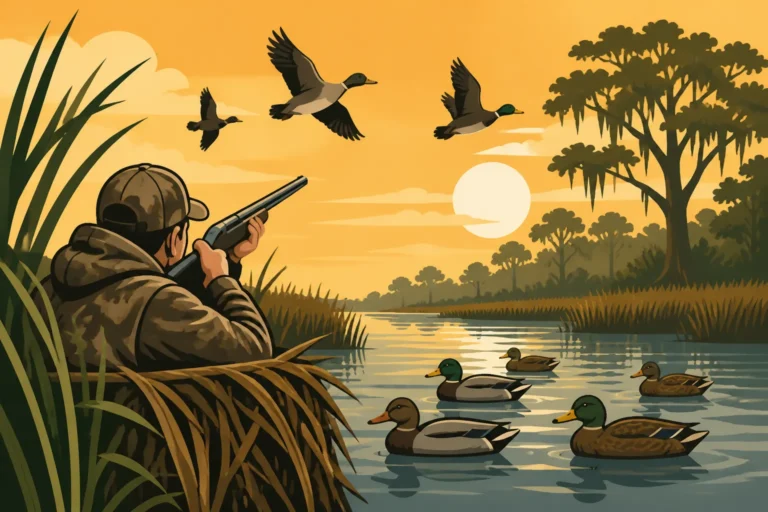
This is the golden rule, the one etched into every hunter's mind: if you're hunting ducks, geese, or coots anywhere in the United States, you must use nontoxic shot. This isn't a South Carolina-specific rule, but a federal mandate from the U.S. Fish and Wildlife Service, applicable nationwide. This means whether you're hunkered down in a layout blind waiting for geese to decoy into a cut cornfield in the Midlands, or jump-shooting wood ducks on a creek in the Lowcountry, lead shot is absolutely forbidden. Waterfowl Hunting South Carolina's Coast requires specific attention to this rule.
This regulation applies not just to the actual act of shooting, but also to possessing lead shot while hunting waterfowl. Even if you don't fire a single round, if you have lead shells in your possession while actively engaged in waterfowl hunting, you're in violation. This is crucial to remember when packing your bag or loading your vest. It's best practice to keep any lead shot entirely separate from your waterfowl gear if you hunt other species during different seasons. Hunters often use tools like the GoHunt app to check land boundaries and regulations, which can be immensely helpful in ensuring you're compliant, especially if you're near a boundary where waterfowl might be present. You can find detailed information on South Carolina Duck Zone Rules and South Carolina Waterfowl Zones and Seasons in the official regulations.
Designated Wildlife Management Areas (WMAs) and Refuges
While federal law covers waterfowl everywhere, many state-managed areas and federal wildlife refuges often have broader nontoxic shot requirements that extend beyond just ducks and geese. This is where things can get a little more nuanced, and it’s critical to do your homework for each specific area you plan to hunt.
Many of South Carolina's Wildlife Management Areas (WMAs) and National Wildlife Refuges (NWRs) implement rules that require nontoxic shot for all hunting activities, or at least for specific game species hunted on certain dates. For example, some WMAs that have significant wetland components, or even those primarily managed for upland game but with adjacent water bodies, may prohibit lead for dove hunting, small game hunting, or even deer hunting with shotguns. The rationale here is to prevent lead accumulation in these publicly managed lands, which are often critical habitats for a wide variety of wildlife. South Carolina Wildlife Management Areas are managed with conservation as a top priority.
It’s not enough to assume; you must check the specific WMA or refuge regulations before you go. These rules are typically outlined in the annual SCDNR Hunting & Fishing Regulations booklet or on the SCDNR website. A useful resource like GoHunt can sometimes help navigate maps of these areas, and while it doesn't replace the official SCDNR regulations, it can be a good starting point to identify areas where stricter rules might apply. For instance, if you're hunting a dove field on a WMA like Webb WMA or Bear Island WMA, even if you’re not targeting waterfowl, nontoxic shot could be required. Always err on the side of caution. If you plan to hunt anywhere in the ACE Basin National Wildlife Refuge Hunting, for instance, nontoxic shot is a given for many activities.
Special Circumstances or Managed Hunts
Occasionally, you might encounter other specific situations where nontoxic shot is mandated. These can include:
- Youth Hunts: Some special youth hunts, particularly those held on WMAs or private lands enrolled in specific conservation programs, might have a nontoxic shot requirement for all participants, regardless of the game pursued. This is often done to instill good conservation practices in younger hunters from the outset and to create a safer environment.
- Specific Private Land Leases/Clubs: While not legally enforceable by the state, some private hunting clubs or land leases, especially those focused on environmental stewardship or managed specifically for diverse wildlife, may require their members or guests to use nontoxic shot for all hunting. Always clarify the rules with the landowner or club manager before you hunt.
- Other Migratory Birds: While the federal ban is primarily on waterfowl, some states have considered or implemented nontoxic shot requirements for other migratory birds like doves or woodcock in certain areas. While South Carolina's primary focus remains on waterfowl, it’s always wise to stay updated. South Carolina Migratory Bird Certification is required for any migratory bird hunting.
The key takeaway is that you cannot rely on a single rule for all hunting in all places. Each location and specific hunt scenario might have its own set of requirements, with WMAs and federal refuges being the most common places for expanded nontoxic shot mandates.
What Qualifies as Nontoxic Shot?
Once you know you need to use nontoxic shot, the next question is, what exactly is it? Fortunately, hunters today have a much wider array of effective nontoxic ammunition options than they did when the federal ban first came into effect.
Common Nontoxic Shot Materials
The primary goal of nontoxic shot is to replace lead with materials that are safe for the environment and wildlife if ingested. Here are the most common types you'll find:
- Steel: This is by far the most common and generally the most affordable nontoxic option. Steel shot is lighter than lead, which means it flies faster but also loses energy more quickly. To compensate for its lighter weight, hunters often need to go up a shot size or two (e.g., if you'd normally shoot #4 lead, you might choose #2 or #1 steel for comparable knock-down power). Steel is very hard, so it requires specific wads to prevent barrel damage, and it doesn't deform much on impact, leading to tighter patterns. For Waterfowl Hunting South Carolina's Coast, steel is a very popular choice.
- Bismuth: Bismuth is much closer to lead in density and softness, making it an excellent alternative, especially for older shotguns not rated for steel shot. It delivers similar ballistic performance to lead and can be used with standard chokes. The main drawback is that it's significantly more expensive than steel. However, for those looking for a softer-shooting, more traditional feel, bismuth is a fantastic choice.
- Tungsten-Alloy (e.g., Tungsten-Iron, Tungsten-Polymer): These are the densest and most expensive nontoxic options, offering superior knockdown power and range compared to steel and even lead. Tungsten is much heavier than lead, meaning smaller shot sizes can achieve excellent performance. This can be a huge advantage for hunting larger waterfowl or for extending effective range, but the cost can be prohibitive for some hunters. There are various blends (like Federal's Heavyweight or Winchester's Blind Side) that combine tungsten with other materials to find a balance between performance and price.
When choosing, consider your target species, typical shooting distances, and your budget. It's always a good idea to pattern your shotgun with different nontoxic loads to see how they perform with your specific firearm and choke combination.
Legal Considerations and Performance
When you transition to nontoxic shot, it's not just about the material; it's also about understanding its performance differences. Simply swapping out lead loads for nontoxic ones of the same shot size might not give you the desired results.
- Patterning Your Shotgun: This is paramount. Steel shot, being harder and lighter, often patterns differently than lead. You might find tighter patterns or, conversely, wider spreads depending on your choke. It's essential to take your shotgun to a range and pattern various loads and choke combinations to understand your effective range with nontoxic shot. You want to ensure you're getting a dense enough pattern to ethically harvest game at typical shooting distances.
- Choke Selection: Many older shotguns aren't designed for the hardness of steel shot, and using tight chokes with steel can damage the barrel. If you're using steel, consult your shotgun's manual or a qualified gunsmith to ensure your barrel and chokes are rated for it. Often, a more open choke (like Modified or Improved Cylinder) will perform better with steel shot compared to the Full chokes often used with lead. Bismuth and tungsten-alloy shots are generally softer and can be used with a wider range of chokes, including those typically used for lead.
- Ethical Hunting: Ultimately, the goal is a clean, ethical harvest. Using the right nontoxic load for your firearm, patterned correctly for your intended game and hunting conditions, is crucial. Don't compromise ethical shot placement or range simply because you've switched ammunition. If anything, the switch to nontoxic shot should encourage an even greater focus on understanding your equipment's capabilities.
Navigating the Grey Areas and Best Practices
Even with clear rules, sometimes you find yourself in a situation where you're just not sure. Or perhaps you want to go above and beyond mere compliance. Here are some best practices for navigating the world of nontoxic shot.
When In Doubt, Go Nontoxic
This is perhaps the simplest and most effective piece of advice: if there's any uncertainty about whether lead shot is permitted in a particular area or for a specific hunt, just use nontoxic shot. The peace of mind alone is worth it. You won't have to worry about accidentally violating a regulation, and you'll know you're doing your part for conservation.
Consider a scenario where you're hunting deer with a shotgun on a piece of public land that borders a wetland. Even if deer hunting isn't explicitly listed as requiring nontoxic shot, if a goose flies over and you're seen with lead shells, an enforcement officer could cite you for possession in a waterfowl area. It's a tricky situation that can be entirely avoided by simply carrying nontoxic loads when there's even a remote chance of encountering a "nontoxic zone." Many hunters simply make the full switch to nontoxic ammunition for all their shotgun hunting, regardless of species, just to eliminate any confusion. This approach simplifies your gear and ensures you're always compliant. South Carolina Public Land Hunting Hours are consistent, but rules can vary by area.
Checking the Latest Regulations
Hunting regulations are dynamic; they can change from year to year, or even mid-season if significant issues arise. Relying on what you think you remember from last year, or what a friend told you, is a recipe for trouble.
The official source for all South Carolina hunting regulations is the SCDNR. Their annual hunting and fishing regulations booklet is available online and at many license vendors. You should make it a habit to review these regulations thoroughly before each hunting season, and specifically before hunting any new area or species. The SCDNR website often has specific WMA brochures or pages detailing unique rules for those locations. While tools like the GoHunt app can provide helpful overlays for public land boundaries and may even link to regulations, they are supplemental to the official SCDNR publications. Always cross-reference with the most current official SCDNR document. Don't risk a fine or losing your hunting privileges because you didn't check. Hunters should also keep their South Carolina Hunter Education Requirements in mind, as understanding and following regulations is a core part of responsible hunting.
Being a Responsible Hunter
Beyond just compliance, embracing nontoxic shot is part of being a truly responsible and ethical hunter. Our role extends beyond simply harvesting game; it includes being stewards of the land and its wildlife. By choosing nontoxic options, even when not strictly required, you contribute to a healthier ecosystem, a cleaner environment, and a more sustainable future for hunting.
This means educating yourself, staying informed, and even gently educating other hunters you might encounter who may not be aware of the nuances of nontoxic shot requirements. It's about upholding the integrity of our sport and ensuring that hunting continues to be seen as a valuable conservation tool. The collective actions of individual hunters make a significant difference in the long-term health of our wildlife populations. By making the switch, you're not just following a rule; you're making a conscious choice to protect the natural resources that make hunting in South Carolina so special. You can learn more about South Carolina Deer Reporting Requirements and other ways you contribute to conservation.
Nontoxic Shot Comparison Table
Here's a quick overview of the most common nontoxic shot options:
| Shot Material | Key Characteristics | Pros | Cons | Common Uses |
|---|---|---|---|---|
| Steel | Hard, lighter than lead, good velocity. | Most affordable, readily available, effective. | Lighter than lead (requires larger shot size), can be hard on barrels/chokes, less energy retention. | Waterfowl, Dove (on some WMAs), Pheasant. |
| Bismuth | Density close to lead, softer than steel. | Good performance similar to lead, safe for older guns, less harsh on chokes. | More expensive than steel. | Waterfowl, Upland Birds (especially in older shotguns). |
| Tungsten-Alloy | Very dense, significantly heavier than lead. | Superior energy retention, longer effective range, smaller shot sizes. | Most expensive option, can be very hard on barrels depending on specific alloy. | Long-range Waterfowl, Large Waterfowl (e.g., Canada Geese), Turkey. |
Remember, no matter what you're hunting or where you're doing it, understanding and adhering to the regulations regarding nontoxic shot is a fundamental part of responsible hunting in South Carolina. Make it a priority to stay informed, and when in doubt, choose nontoxic. South Carolina Duck and Goose Bag Limits are important, but so are the ethical means of pursuing them.
Disclaimer
This article is for general informational purposes only and does not constitute professional advice. Laws, prices and regulations vary by location and change over time. Consult a qualified professional for guidance on your specific situation.