South Carolina Turkey Brood Survey Results
For South Carolina turkey hunters, there's often a nagging question that hangs in the air alongside the spring gobblers' calls: "How are the numbers looking for next year?" This concern is more than just curiosity; it stems from a very real and widely discussed trend of declining turkey populations across many states, including ours. Understanding the health of our wild turkey flocks is paramount for managing future seasons and ensuring there are birds for generations to come. This comprehensive guide will break down the crucial South Carolina Turkey Brood Survey results, explaining what they are, how they're collected, and what they mean for the future of turkey hunting in the Palmetto State.
Understanding South Carolina's Turkey Brood Surveys
Turkey hunting is steeped in tradition, and a big part of that tradition is anticipating the next season. But that anticipation can quickly turn to anxiety when you hear about declining bird numbers. That's where brood surveys come in, acting as a critical pulse check on our wild turkey populations. It's not just about counting turkeys; it's about understanding their reproductive success, which is the cornerstone of a healthy, sustainable flock.
What is a Brood Survey and Why Does it Matter?
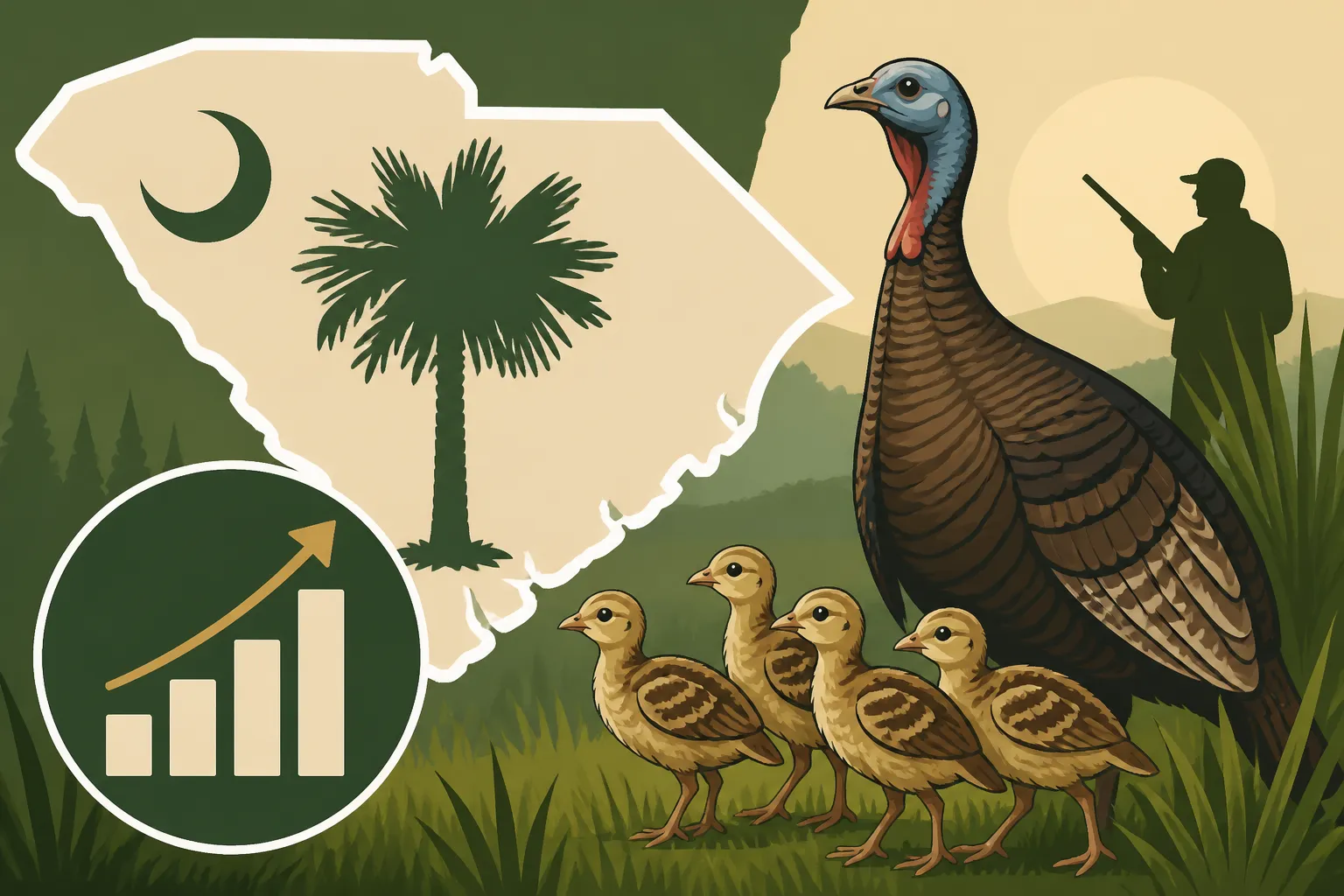
Imagine heading into spring hoping for a strong hatch, only to find few hens with poults later in the summer. That's the scenario that often frustrates hunters and wildlife managers alike. A turkey brood survey is essentially a systematic effort to count the number of turkey broods (hens with poults, or young turkeys) observed during the summer months. The most important metric derived from these surveys is the "poult-to-hen ratio." This ratio tells us, on average, how many poults each hen is successfully raising to a point where they are visible and counted.
This poult-to-hen ratio is incredibly important because it's a direct indicator of reproductive success and recruitment into the population. A high ratio suggests a strong hatch and good poult survival, meaning more jakes and gobblers will be available in future seasons. Conversely, a low ratio indicates poor reproduction, which translates to fewer birds maturing and entering the hunting population down the road. It helps biologists project future population trends, offering a glimpse into what might be flying off the roost in a year or two. Many hunters, especially those who rely on tools like GoHunt to analyze harvest data and plan their seasons, know that understanding these underlying population trends is crucial.
How SCDNR Conducts the Surveys
The South Carolina Department of Natural Resources (SCDNR) doesn't just send out a few biologists to count turkeys. This is a massive, cooperative effort that relies heavily on the eyes and ears of dedicated volunteers, including many passionate hunters, landowners, and other wildlife enthusiasts. Typically, these surveys run throughout the summer months, from around June to August, when poults are still relatively small and distinct from adult birds, but large enough to be observed.
Volunteers are asked to record any sightings of wild turkeys, specifically noting whether they are lone hens, hens with poults, or gobblers. They report the date, location, and the exact number of poults observed with each hen. This widespread network allows for data collection across a vast range of habitats, from the coastal plains to the foothills of the Upstate. The more participation, the more robust and accurate the data becomes, giving SCDNR a clearer picture of reproduction across the state. Without this citizen science component, it would be impossible to gather such comprehensive data.
The Data Points: What Information is Collected?
When volunteers submit their observations, they're not just noting a hen and her babies. They're contributing to a detailed dataset that paints a much larger picture. The key pieces of information collected include:
- Date and Location: Knowing when and where a sighting occurred helps SCDNR track regional variations and seasonal changes in brood activity.
- Number of Hens: Whether a hen is with poults or appears to be a "lone hen" is crucial. Lone hens might have lost their brood, failed to nest, or simply be a hen without maternal duties for the season.
- Number of Poults: The precise count of poults seen with each hen is the backbone of the poult-to-hen ratio calculation.
- Number of Gobblers: While not directly tied to reproduction, tracking gobbler sightings helps with overall population estimates and understanding sex ratios.
- Weather Conditions (sometimes): Extreme weather during nesting or brooding can severely impact poult survival, so this context can be helpful.
This meticulous data collection allows SCDNR biologists to crunch the numbers and identify trends, regional hot spots, and areas of concern. For instance, if one region consistently shows low poult-to-hen ratios for several years, it prompts further investigation into local factors like habitat degradation or increased predation. While a tool like GoHunt can show you past harvest success, brood surveys offer a glimpse into the future.
Interpreting the Numbers: What South Carolina's Brood Surveys Reveal
Once all the data is collected and compiled, SCDNR releases its findings, offering a critical look at the state of our turkey populations. These results are more than just raw numbers; they tell a story about the challenges and successes our wild turkeys face year after year. Hunters eagerly await these reports because they directly influence hunting regulations and, ultimately, the quality of their experience afield.
Current Trends in Poult-to-Hen Ratios
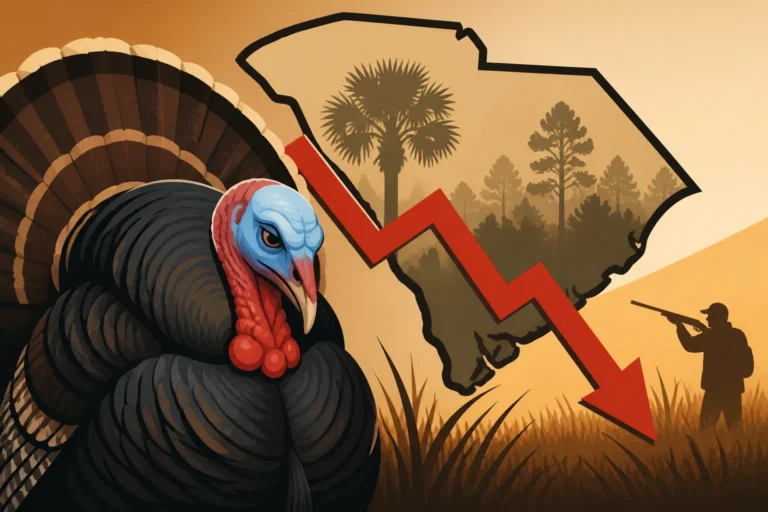
Across much of the Southeast, including South Carolina, wild turkey populations have experienced a decline from their peaks in the late 20th century. Brood survey results have consistently reflected this trend, showing a general decrease in the average Poult-to-Hen Ratios and What They Mean over recent decades. This isn't just a hunch; it's a statistically significant pattern observed by biologists. While there can be year-to-year fluctuations based on weather and other immediate factors, the overall trajectory has been downward.
For example, a ratio of 2.0 or higher is generally considered "good" for population stability, meaning each hen is successfully raising at least two poults. Ratios consistently below that threshold can indicate a struggle to maintain or grow the population. Many seasons have seen South Carolina's statewide ratio hover below the desired mark, prompting concern and leading to management discussions. Hunters who've been in the game for decades will tell you they simply aren't seeing the same numbers of birds they used to, and the brood surveys often validate that lived experience. This decline is a key reason behind regulatory changes, as highlighted in discussions around Why South Carolina Turkey Numbers Declined.
Regional Differences Across the State
South Carolina is a diverse state, from the mountains of the Upstate to the coastal plain and Lowcountry swamps. It stands to reason that turkey reproduction wouldn't be uniform across these varied landscapes. Brood survey results often reveal fascinating regional differences. For instance, some years, the Upstate might show slightly better poult production due to localized weather patterns or habitat conditions, while the Lowcountry struggles, or vice-versa.
These regional disparities are crucial for localized management strategies. A biologist working in Aiken County might be seeing different trends than one in Oconee County, and the data from the brood survey helps them understand these nuances. For example, areas with more fragmented habitat or higher predator densities might consistently show lower poult survival. Conversely, large tracts of well-managed timberland or agricultural areas with good nesting cover might maintain more robust populations. These insights are invaluable, even for hunters who use mapping and scouting resources like GoHunt to pinpoint likely areas.
Factors Influencing Brood Success
Several factors play a significant role in determining how many poults survive to be counted in a brood survey. It's a complex interplay of environmental conditions and ecological pressures.
- Weather: This is arguably one of the most critical short-term factors. A cold, wet spring during the critical hatching period can devastate poult survival. Young poults are highly susceptible to hypothermia, and prolonged periods of rain can also reduce insect availability, which is a vital protein source for growing poults. Conversely, a warm, dry spring often correlates with better poult survival.
- Predation: From raccoons and opossums raiding nests to coyotes and bobcats preying on hens and poults, predation is a constant threat. Nest Predation and South Carolina Turkey Hatches is a significant hurdle for successful reproduction. High predator populations in an area can dramatically reduce the number of poults that make it to adulthood.
- Habitat Quality: Healthy, diverse habitat provides vital nesting cover, brood-rearing areas (typically open areas with abundant insects and protective overhead cover), and escape routes. Areas with poor habitat quality, lacking these essential components, will naturally struggle to support strong turkey populations. Think about the difference between a meticulously managed pine savanna and a monoculture clear-cut; the former offers far more for a turkey hen trying to raise a brood.
- Disease: While less common as a widespread annual impact, diseases can occasionally affect poult survival or overall turkey health, indirectly impacting reproductive success.
Understanding these variables helps both biologists and hunters contextualize the survey results. A bad year might not just be "bad luck" but a direct consequence of a particularly harsh spring or changing predator dynamics.
The Impact of Brood Survey Results on Hunting Seasons
For the hunter, the ultimate question is always: "What does this mean for my season?" Brood survey results don't just sit in a report somewhere; they are a direct driver of how turkey seasons are structured and managed in South Carolina. Changes you see in bag limits or season dates are often a direct response to these findings.
How Data Informs Regulations
The SCDNR takes brood survey data very seriously when evaluating and setting South Carolina Spring Turkey Season Rules. If poult-to-hen ratios are consistently low, it signals a need for more conservative management to allow the population to recover. This might translate into:
- Adjusted Season Lengths: Shorter seasons could be implemented to reduce overall harvest pressure.
- Reduced Bag Limits: The South Carolina's Statewide Turkey Bag Limit has seen adjustments over time, and poor brood success is a primary factor in decisions to limit harvest.
- Specific Restrictions: Perhaps the most impactful recent change tied to declining recruitment was the decision to no longer allow the harvest of jakes. This move, discussed in detail in Why South Carolina Banned Jake Harvest, was a direct effort to protect young male birds, allowing them to mature into gobblers and contribute to future breeding seasons.
These regulations aren't arbitrary; they are scientific responses to the health of the turkey population, aimed at ensuring the sustainability of the resource for future generations of hunters. It's a balancing act between providing hunting opportunities and protecting the breeding stock.
| Brood Survey Poult-to-Hen Ratio | Interpretation for Population | Potential Regulatory Response |
|---|---|---|
| 2.5 or higher | Excellent production | Stable or liberal seasons |
| 2.0 – 2.4 | Good production | Stable seasons |
| 1.5 – 1.9 | Fair production | Monitoring, potential adjustments |
| Below 1.5 | Poor production | Conservative adjustments, reduced limits |
What These Results Mean for Your Hunt Planning
Even if regulations don't change drastically, knowing the brood survey results can significantly influence your personal hunt planning. If the previous summer showed very poor poult production, you might adjust your expectations for the upcoming spring.
- Expect Fewer Birds: Simple as that. Fewer poults raised means fewer jakes the following spring, and potentially fewer 2-year-old gobblers the year after that. You might have to work harder, scout more, and be prepared for longer waits.
- Focus on Older Age Classes: With fewer jakes, you might shift your focus more toward finding mature gobblers that have already navigated a few seasons. This could mean targeting different habitats or adjusting your calling strategies.
- Scouting is Key: Understanding where the previous year's broods might have been successful, even locally, can guide your scouting efforts. Look for areas with good brood-rearing habitat – open woods, fields with cover, and plenty of insects. Platforms like GoHunt can help you apply this knowledge by allowing you to cross-reference areas with good brood reports against historical success rates and habitat types. Even if the statewide numbers are down, there might be local pockets of better production.
The Role of Hunter Participation
It's easy to feel like population declines are out of your hands, but hunter participation is absolutely vital, both in data collection and in supporting conservation efforts.
- Reporting Sightings: If you're out and about in the summer, whether scouting for deer or fishing, take a few minutes to participate in the brood survey. Every reported sighting, even if it's just a lone hen, contributes to the overall picture. Your observations make a real difference in the accuracy of the data.
- Following Regulations: Adhering to season dates, bag limits, and specific rules like the ban on jake harvest is crucial for allowing the population to recover. Responsible hunting is sustainable hunting.
- Supporting Conservation: A portion of your hunting license fees goes directly to wildlife management and habitat restoration. By purchasing licenses and permits, you're directly funding the efforts to improve conditions for Wild Turkeys in South Carolina. Many organizations also offer opportunities to volunteer for habitat projects or advocate for sound wildlife management policies. Understanding these results is just as vital as having a solid mapping platform like GoHunt in your arsenal. The future of South Carolina Turkey Population Trends depends on all of us.
Practical Application for Hunters
Understanding the big picture from brood surveys is one thing, but how do you actually use that information when you're out in the woods? It's about translating scientific data into actionable strategies that can improve your hunting success and contribute to conservation.
Scouting with Brood Success in Mind
Armed with knowledge about past brood successes and failures, you can refine your scouting approach. If the statewide poult-to-hen ratio was low, you know that finding birds will be tougher, and focusing on quality habitat becomes even more critical.
- Focus on Brood-Rearing Habitat: When scouting in late summer or early fall, specifically look for areas that would have been ideal for hens raising poults. This often includes areas with a mosaic of open woods, fields, and thick cover. Poults need bugs to grow, so areas with good insect populations are key. Think about old logging roads, powerline cuts, or the edges of agricultural fields where young turkeys can feed and find refuge. If you're seeing signs that there was a good hatch in a particular area, it's a strong indicator that turkeys found that spot favorable for survival, and they might be more concentrated there in the future.
- Observe Turkey Sign: Beyond just looking for birds, pay attention to subtle turkey sign. Dust bowls, tracks, and droppings can tell you a lot about turkey activity. If you're finding sign of multiple age classes – smaller tracks alongside larger ones – it could indicate a successful hatch in that specific location, even if the overall numbers were down. This kind of granular observation helps you pinpoint those crucial pockets of turkeys.
- Consider Localized Micro-Climates: While broad weather patterns affect the state, micro-climates exist. A certain ridge might be drier, or a particular bottomland might have flooded less, providing a more stable environment for nesting and poult survival. These local nuances might not show up in statewide averages, but they can be game-changers for your specific hunting area. When considering areas like those in Best South Carolina Counties for Turkeys, always remember that conditions can vary even within a county.
The Future of South Carolina's Turkeys
The story of Wild Turkeys in South Carolina is one of incredible recovery, followed by recent challenges. Understanding brood survey results is fundamental to writing the next chapter.
- Ongoing Management: SCDNR continues to monitor populations closely and adapt management strategies. This includes not just hunting regulations but also habitat initiatives on public lands, such as specific WMA rules outlined in South Carolina WMA Turkey Rules. These efforts aim to create and maintain optimal conditions for turkeys to thrive, from nesting to roosting in trees, as detailed in South Carolina Turkey Roost Tree Preferences.
- Hunter Education and Involvement: Educated hunters are better conservationists. By staying informed about survey results, understanding the science behind management decisions, and actively participating in citizen science like the brood survey, hunters become part of the solution. This also extends to properly reporting your harvests through systems like South Carolina Turkey Reporting Through Game Check, which provides valuable data for biologists.
- Habitat Improvement is Key: Ultimately, healthy turkey populations depend on healthy habitat. Efforts to restore native longleaf pine ecosystems, manage understory vegetation, and create diverse landscapes benefit turkeys immensely. Landowners and public land managers play a vital role in ensuring that turkeys have the food, cover, and nesting sites they need to raise successful broods. It’s a long-term investment, but one that is absolutely essential for the sustained health of the wild turkey population in the Palmetto State.
Disclaimer
This article is for general informational purposes only and does not constitute professional advice. Laws, prices and regulations vary by location and change over time. Consult a qualified professional for guidance on your specific situation.