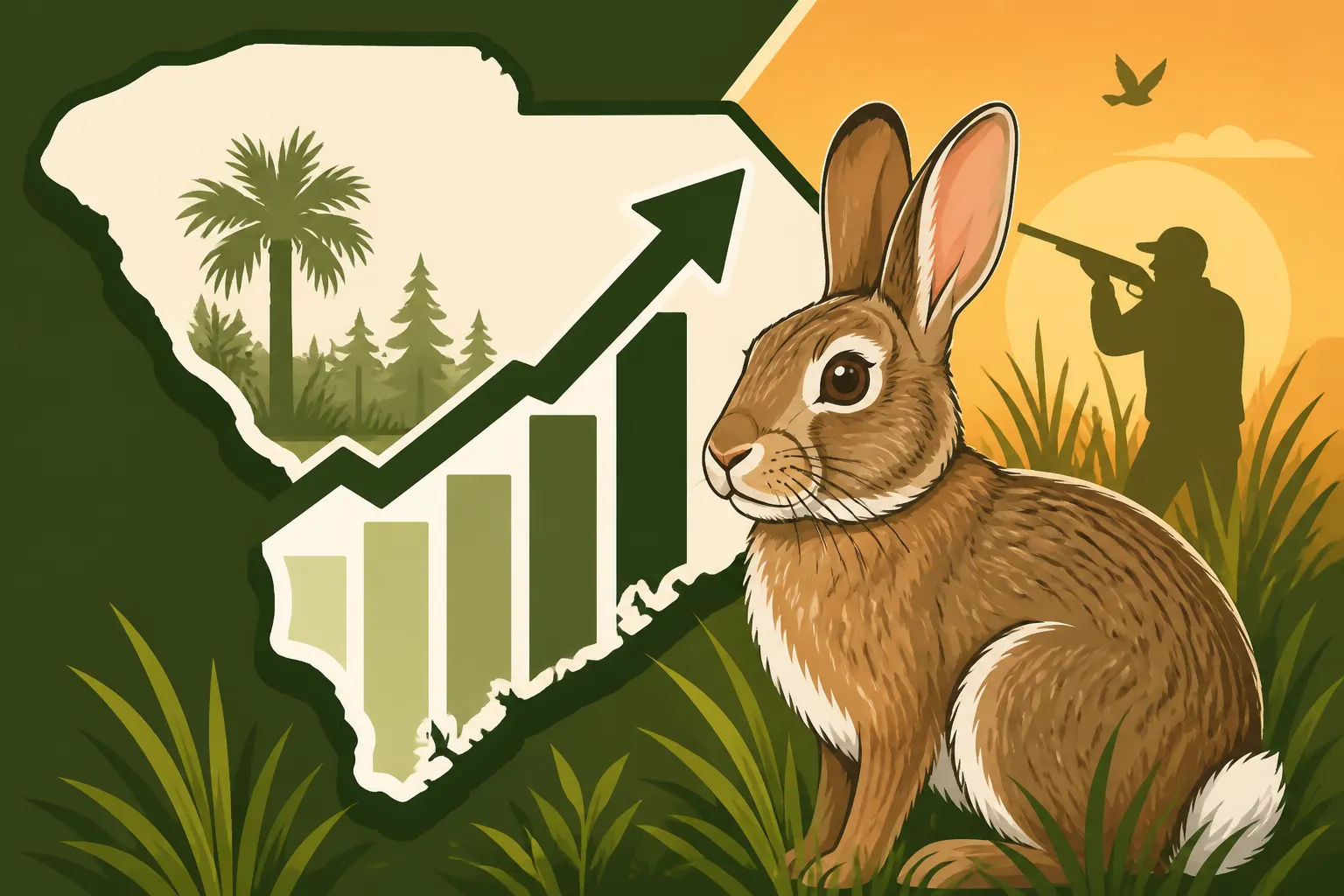
South Carolina Cottontail Population Trend
There's nothing quite like the sound of beagles on a cold morning, their excited bawling echoing through the frosty South Carolina woods, signaling a rabbit has been jumped. For generations, chasing cottontails has been a cherished tradition, a way to introduce new hunters to the field, and a fantastic source of delicious wild game. But lately, many hunters, myself included, have noticed that hearing those beagles strike a rabbit is becoming a little less frequent in some areas. This guide dives deep into the current population trends of cottontail rabbits across South Carolina, exploring the challenges they face and what this means for both the rabbits and those of us who love to pursue them.
The Enduring Charm and Ecological Role of South Carolina Cottontails
The Eastern cottontail (Sylvilagus floridanus) holds a special place in the hearts of South Carolina hunters and in the state's diverse ecosystems. These quick, agile creatures are not just a popular small game species; they're also a vital link in the food chain, serving as a primary food source for a host of predators, from foxes and bobcats to hawks and owls. Their presence is often a good indicator of healthy, diverse habitat, brimming with the kind of cover and forage that supports a variety of wildlife.
Historically, cottontails were incredibly abundant across much of South Carolina, thriving in the mosaic of small farms, hedgerows, and brushy fields that once characterized much of the landscape. They reproduce quickly, with multiple litters throughout the spring and summer, a strategy that helps them withstand intense predation pressure. This rapid breeding cycle meant that even with healthy hunting seasons and natural predation, populations often rebounded reliably year after year, providing consistent hunting opportunities and maintaining their ecological balance.
Beyond their ecological importance, rabbit hunting embodies a rich cultural tradition here in the Palmetto State. It’s often a communal activity, shared with family and friends, teaching patience, dog handling, and how to read the landscape. Many hunters got their start following older relatives and a pack of eager beagles, learning the rhythm of the chase and the importance of good sportsmanship. Understanding the health of our cottontail populations is key to preserving both this tradition and the broader natural heritage of South Carolina.
Factors Influencing Cottontail Population Dynamics
The perceived shifts in cottontail numbers aren't usually due to just one thing; it's often a complex stew of environmental factors, habitat changes, and biological pressures. Understanding these influences is crucial to grasping why certain areas might see fewer rabbits, while others maintain stable populations.
Habitat Loss and Degradation
Perhaps the most significant factor affecting cottontail populations in South Carolina, and indeed across much of the Southeast, is the ongoing loss and degradation of suitable habitat. Rabbits are edge-dwelling creatures, meaning they thrive where different types of cover meet—think brushy fencerows, overgrown field edges, clear-cuts regenerating into thickets, and areas where open fields meet dense woods. These areas provide the perfect blend of escape cover from predators and easy access to diverse forage like clover, grasses, and tender shoots.
However, modern land management practices have often reduced this critical edge habitat. Expansive agriculture, for example, frequently involves clearing fencerows and brushy borders to maximize crop yield, leaving vast, open fields that offer little in the way of rabbit cover. Similarly, residential and commercial development continues to gobble up what were once prime rabbit havens. Even in timber country, the shift towards monoculture pine plantations, while providing some cover in their early stages, often lacks the diverse understory and varied age classes of timber that rabbits truly depend on. You might find a good rabbit patch in a young pine stand, but as those trees grow taller and shade out the understory, the rabbits often move on. Recognizing areas of good habitat is critical, and tools like GoHunt can sometimes help hunters visualize dense cover, especially on public lands where that kind of edge habitat might be overlooked.
Predation and Disease Pressure
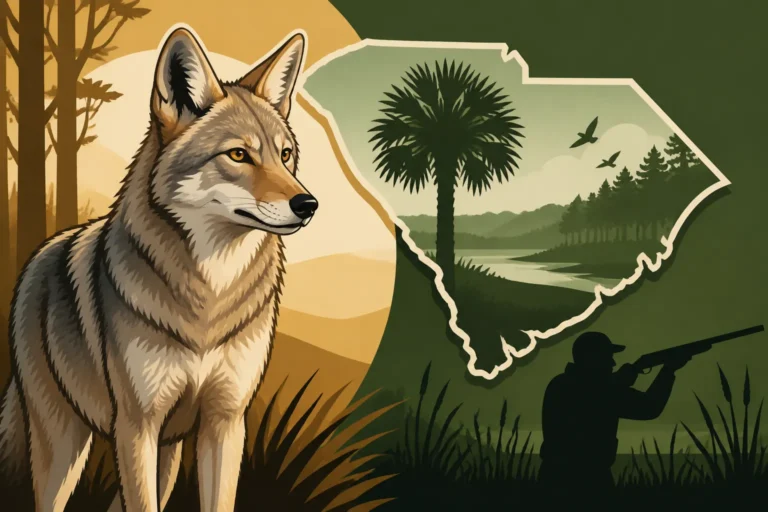
Cottontails are a fundamental prey species, meaning they are on the menu for just about every medium-to-large predator in South Carolina. While native predators like bobcats, foxes, and various raptors have always been a part of the ecological equation, changes in predator populations can certainly impact rabbit numbers. We've seen a significant increase in Coyotes and Predators in South Carolina over recent decades, and coyotes are incredibly efficient hunters that readily take rabbits. Their expansion into new territories adds another layer of predation pressure that cottontails historically didn't face in the same intensity.
Beyond direct predation, diseases can also sweep through cottontail populations, especially when densities are high. Tularemia, often called "rabbit fever," is a bacterial disease that can be fatal to rabbits and can also be transmitted to humans. While not a constant widespread issue, localized outbreaks can significantly reduce populations in affected areas. Internal parasites and other stressors, particularly during periods of poor nutrition or extreme weather, can also weaken rabbits, making them more susceptible to disease or predation. Hunters should always practice good hygiene when handling game and be aware of any signs of illness.
Weather Extremes and Hunting Pressure
South Carolina's weather can be a mixed bag, and extreme conditions can take a toll on small game. Prolonged droughts can reduce forage availability, making rabbits work harder to find food and leaving them more exposed. Conversely, excessive rainfall, particularly during nesting season, can lead to nest flooding and increased mortality for young rabbits, which are particularly vulnerable. When you consider that cottontails often have multiple litters, a bad stretch of weather during crucial breeding periods can have a magnified impact on the overall population trend.
As for hunting pressure, while it's a factor, it's generally considered less impactful on overall cottontail numbers than habitat loss or predation. Regulated hunting seasons and bag limits are designed to be sustainable, and rabbits' high reproductive rates allow them to bounce back quickly. Most hunters focus on readily accessible areas, leaving plenty of rabbits in denser, harder-to-reach cover. However, in localized areas with very high hunting pressure combined with other environmental stressors, it could contribute to temporary dips in numbers. The key is balance and ensuring hunters adhere to South Carolina Small Game Season Rules.
Hunting Challenges and Opportunities Amidst Trends
Even with observed population fluctuations, rabbit hunting remains a viable and exciting pursuit in South Carolina. The key is adapting your approach and knowing where to look. While some areas might require more effort, there are still fantastic opportunities to be had.
Finding Productive Rabbit Habitat
With habitat changes, hunters often need to be more strategic in their scouting. Gone are the days when rabbits seemed to be everywhere. Now, success often hinges on finding those pockets of ideal cover that still exist. Look for areas with dense, thorny thickets, multiflora rose, honeysuckle tangles, briar patches, and regenerating clear-cuts. These are the places where rabbits can escape predators, find food, and feel secure. Areas adjacent to agricultural fields that still have substantial brushy borders can also be prime. Think about abandoned farmsteads, neglected corners of pastures, or logging roads that have grown up with young pines and hardwoods.
Public lands can offer surprisingly good rabbit hunting, but they require diligent scouting. South Carolina Wildlife Management Areas often have diverse habitats, and some are specifically managed with small game in mind. The GoHunt application can be invaluable here, allowing you to scout satellite imagery from home, identifying those dense thickets and overgrown fencerows before you ever step foot in the woods. Pay attention to how different timber stands are managed; younger clear-cuts, especially those that haven't been heavily sprayed, often hold plenty of rabbits.
Adapting Hunting Tactics
When rabbit populations aren't as dense, hunters might need to adjust their tactics. Instead of expecting to jump a rabbit every few minutes, you might focus on working smaller, more concentrated patches of cover thoroughly. This can mean more precise dog handling, encouraging your beagles to work every inch of a briar patch, or making multiple passes through a promising thicket. For those hunting without dogs, still-hunting through dense cover can be effective, moving slowly and deliberately, pausing often to scan for movement. You'll want to focus on areas that offer Rabbit Hunting South Carolina Fencerows or Rabbit Hunting Thick South Carolina Brush.
Consider hunting pressure, too. On opening weekend, popular public areas might be heavily hunted. If you’re seeing fewer rabbits, try seeking out less accessible areas, or hunting mid-week when crowds are thinner. Finding Ground That Sees Fewer Hunters can make a huge difference in your success rate. Also, be mindful of the weather; rabbits are often more active on calm, overcast days, and less so during high winds or heavy rain.
| Habitat Type | Ideal Cottontail Features | Threats/Challenges | Scouting Tips |
|---|---|---|---|
| Brushy Fencerows | Dense briars, honeysuckle, small trees, escape routes | Clearing for agriculture, development, lack of maintenance | Look for thick, untidy lines between fields; often overlooked. |
| Young Clear-cuts | Early successional growth, regenerating pines/hardwoods | Matures quickly, heavy spraying, intense hunting pressure | Focus on 1-5 year old cuts. Use GoHunt to identify recent logging activity. |
| Swamp Edges | Dense understory, high moisture, diverse vegetation | Flooding, limited access, dense predator populations | Look for higher ground adjacent to wetlands; often requires rubber boots. |
| Abandoned Fields | Overgrown with grasses, weeds, saplings, scattered brush | Development, reforestation, prescribed burns | Seek out old pastures or fields gone fallow; check for old barn foundations. |
| Logging Decks | Piles of discarded branches, dense new growth around edges | Disturbance from ongoing operations, quick degradation | Can be temporary hotspots; look for recent logging and new growth. |
Conservation Efforts and Future Outlook for Cottontails
The good news is that there's growing recognition of the importance of small game habitat, and efforts are underway to help reverse some of these negative trends. Conservation organizations, state agencies like SCDNR, and private landowners are all playing a role in trying to ensure a future for our cottontails.
Habitat Restoration Initiatives
Many conservation initiatives focus on creating and enhancing the diverse, patchy habitat that rabbits adore. This includes promoting practices like disking, prescribed burning, and planting native warm-season grasses and legumes. Prescribed Burns and South Carolina Hunting Closures are not just for pine timber management; they can also create fantastic conditions for small game by setting back succession and promoting fresh, tender growth that rabbits feed on. These burns, when properly applied, create a mosaic of burned and unburned areas, offering both food and cover.
Programs that encourage landowners to leave or create brushy field borders, plant cover crops, and manage timber for early successional habitat are also vital. Every small patch of briars or unkempt fencerow contributes to the larger network of habitat that cottontails need to thrive. Organizations often provide technical assistance and even financial incentives to help private landowners implement these beneficial practices. While the focus is often on deer or turkey, improving habitat for them often indirectly benefits small game like rabbits and quail.
What Hunters Can Do to Help
As hunters, we have a crucial role to play in the conservation of cottontails. Supporting organizations that focus on habitat restoration, whether through direct donations or volunteering time, can make a tangible difference. Advocating for land management practices that favor small game and diverse ecosystems is also important. This might mean discussing these issues with local land managers, encouraging neighbors to leave some "messy" habitat, or participating in public meetings about land use.
Practicing ethical and responsible hunting is, of course, paramount. Adhering to bag limits and seasons helps ensure sustainable populations. Moreover, reporting any instances of poaching or habitat destruction helps protect the resources we cherish. Using tools like GoHunt to scout and plan your hunts can also lead to more efficient hunting, reducing the impact on localized rabbit populations by helping you quickly identify prime areas, ensuring you're not just blindly walking through less productive ground. Ultimately, a healthy population of South Carolina Small Game and Furbearers is a reflection of a healthy overall ecosystem.
The future of South Carolina's cottontail populations hinges on continued habitat work and a collective understanding of their needs. While challenges remain, the dedication of conservationists and hunters offers hope that the excited baying of beagles will continue to fill the crisp South Carolina air for generations to come.
Disclaimer
This article is for general informational purposes only and does not constitute professional advice. Laws, prices and regulations vary by location and change over time. Consult a qualified professional for guidance on your specific situation.