South Carolina Spring Turkey Harvest Numbers
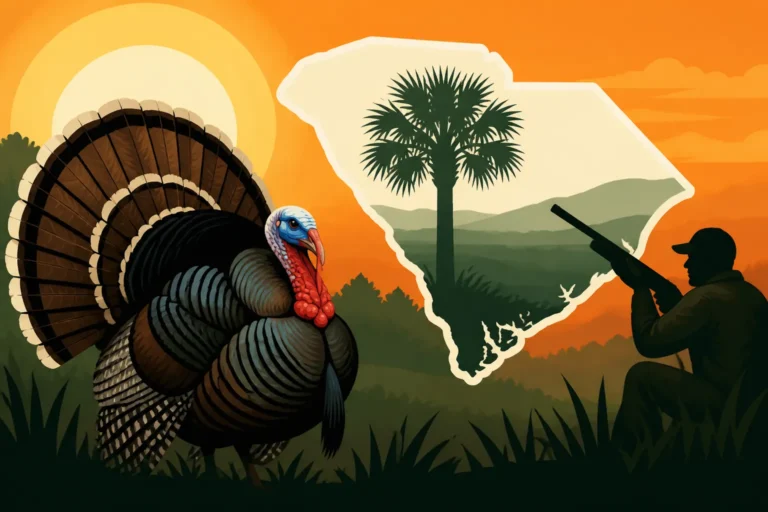
Every spring, as the dogwoods bloom and the woods come alive with the sounds of gobbling, South Carolina turkey hunters are out there, pursuing one of our state's most iconic game birds. But beyond the thrill of the hunt, there's always a question simmering in the back of our minds: how are the birds doing? This comprehensive guide will delve into South Carolina's spring turkey harvest numbers, dissecting what they mean for the health of the population and for hunters heading afield.
The Story Behind South Carolina's Spring Turkey Harvest Data
Understanding how many turkeys are harvested each spring isn't just about tallying numbers; it's about gaining insight into the overall health and trends of the wild turkey population across our beautiful state. These figures are crucial for wildlife management and for us, the hunters, who care deeply about this cherished resource.
How Harvest Information is Compiled and Reported
In South Carolina, every turkey harvested during the spring season must be reported through the state's Game Check system. This isn't just a suggestion; it's a mandatory requirement, and it’s the bedrock of how our wildlife agency gathers essential data. When you bag a bird, you're responsible for reporting it, usually within 24 hours of harvest and before the bird leaves the state or is transferred to another person. This process typically involves providing details like the date and time of harvest, the county and game zone, the type of land (private or WMA), and characteristics of the bird itself, such as sex and spur length. Many hunters utilize the convenient Go Outdoors SC app to complete this reporting right from the field, which streamlines the process immensely.
This mandatory reporting isn't about being bureaucratic; it's about robust science. The accuracy of the harvest data directly depends on every hunter doing their part. Without it, wildlife biologists would be flying blind, making decisions based on guesswork rather than solid evidence. So, next time you fill out that Game Check report, know that you're contributing to the bigger picture of turkey conservation. It’s part of our shared responsibility as stewards of the land and its wildlife, ensuring we have healthy populations for future hunts. For specific details on the reporting process, you can always check out South Carolina Turkey Reporting Through Game Check.
Why These Numbers Are More Than Just Statistics
For many of us, the spring turkey hunt is a deep-seated tradition, a time to reconnect with nature and challenge ourselves. The annual harvest numbers resonate far beyond mere statistics; they tap into the collective experience and expectations of the hunting community. A robust harvest report can fuel optimism, suggesting good poult recruitment in previous years and healthy populations. Conversely, a declining trend can spark concern, leading to discussions about habitat loss, predator impact, or changes in hunting pressure. These numbers directly influence hunter morale, dictating how we feel about the upcoming seasons and informing our choices about where and when to hunt.
Moreover, these harvest reports are the primary mechanism by which wildlife managers evaluate the effectiveness of current regulations and contemplate future changes. If harvest data consistently shows a decline, it prompts a closer look at factors like season length, bag limits, or specific hunting methods. For instance, discussions around Why South Carolina Banned Jake Harvest were directly informed by long-term harvest and population data. The data provides a critical feedback loop, allowing regulations to adapt to the real-world conditions of the turkey population. Many serious hunters, myself included, will often look to online resources like GoHunt, which can aggregate and present this data in an easily digestible format, helping us to not only understand the trends but also to identify potential hotspots or areas of concern. This deeper dive helps us plan our own adventures, considering everything from general population health to localized success rates.
Dissecting Recent Spring Turkey Harvest Trends in South Carolina
Like much of the Southeast, South Carolina has seen its share of ups and downs in wild turkey populations, and these fluctuations are clearly reflected in our spring harvest numbers. It's a complex picture, and understanding it requires looking beyond just the immediate year.
Examining the Overall Trajectory of Harvests
It's no secret that many hunters in South Carolina and across the broader region have felt a shift in turkey hunting. The general sentiment, often backed by data, points to a period of declining turkey populations and, consequently, lower spring harvest numbers compared to historical highs. This trend isn't unique to our state; it's a regional phenomenon that wildlife biologists are actively studying. The reasons are multifaceted and include a combination of factors: habitat alteration, increased predation pressure on nests and poults, changes in agricultural practices, and even disease outbreaks. When you look at the statewide numbers, the drop can be disheartening, especially for those of us who remember the booming turkey populations of earlier decades.
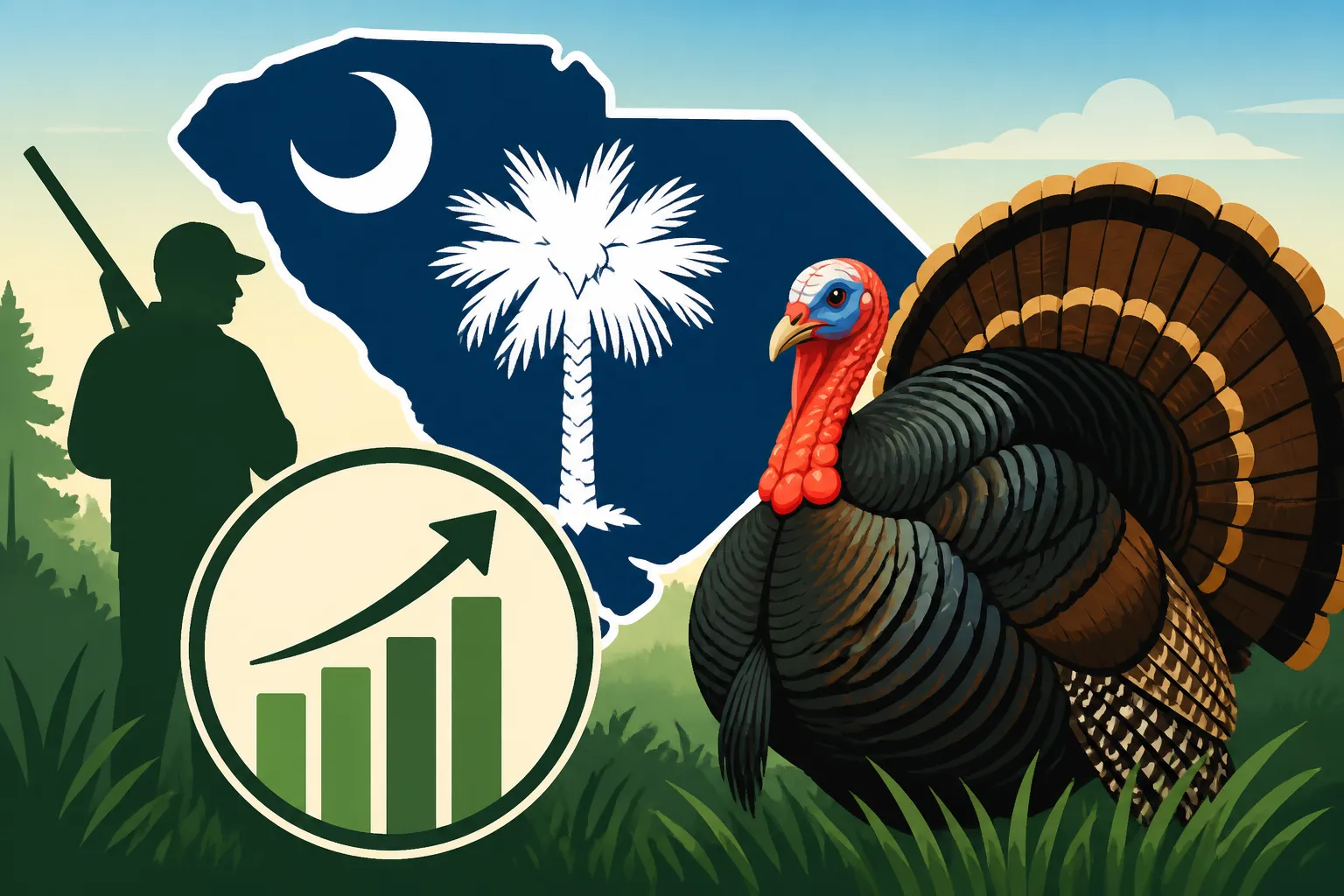
The important thing is to understand that these numbers aren't fixed; they're dynamic. They reflect the hard work of conservation efforts, but also the challenges posed by a changing landscape. While specific harvest numbers can fluctuate year to year due to weather or hunter effort, the overall trajectory has prompted significant discussions and management adjustments, such as those detailed in Why South Carolina Turkey Numbers Declined. To give you a general idea, consider the hypothetical trend over a few recent seasons:
| Year (Hypothetical) | Total Spring Turkey Harvest (Approx.) |
|---|---|
| Early Period | 16,000 |
| Mid Period | 14,000 |
| Recent Period | 12,000 |
Note: These numbers are illustrative and do not reflect current or specific historical data. Always refer to official SCDNR reports for precise figures.
This table, even with hypothetical figures, illustrates the kind of decline that has fueled concerns among hunters and biologists alike. It encourages a closer look at the underlying population dynamics and calls for continued adaptive management.
Regional Harvest Disparities Across Game Zones
One of the most fascinating aspects of South Carolina's turkey population and harvest data is how widely it can vary from one region to another. Our state is split into four distinct game zones, each with its own unique habitat, hunting pressure, and, often, turkey population dynamics. For example, the Upstate (Zone 1) with its rolling hills, mixed hardwoods, and national forest lands, might present a different harvest picture than the vast agricultural fields and river bottoms of the Pee Dee or the extensive swamps and pine forests of the Lowcountry (Zone 4).
Hunters often report varying levels of success depending on where they focus their efforts. Some zones, perhaps those with historically strong habitat and lower hunting pressure, might show more stable harvest numbers, while others, particularly those with rapid development or intense hunting pressure, might reflect more significant declines. The challenges and opportunities are simply different. For instance, a bird in a dense, remote swamp might be harder to locate and harvest, regardless of local population density, compared to one strutting in a more open agricultural field. It highlights the importance of understanding not just statewide trends, but also the nuances of South Carolina's Four Game Zones and their specific turkey populations, which you can often research through platforms like GoHunt that allow you to filter data by region. Local factors like severe weather during nesting season in a particular area, or a strong mast crop one year versus another, can also create these regional disparities in harvest success, impacting individual hunting experiences.
Key Factors That Shape South Carolina's Turkey Harvest
The number of turkeys brought to hand each spring is a culmination of many interacting factors, some within our control, and many simply part of nature's grand design. Understanding these elements can help us appreciate the complexity of turkey management and the challenges facing our wild turkey populations.
The Critical Role of Poult Recruitment and Survival
At the heart of future turkey harvests lies something biologists call "poult recruitment." Simply put, this refers to the number of young turkeys (poults) that survive from hatching through their first fall and winter to become part of the breeding population in subsequent years. It's the engine that drives population growth. If you have consistently poor poult recruitment, meaning few young birds are making it to maturity, your overall turkey population is going to decline, and naturally, so will future harvest opportunities. This concept is so fundamental that a whole field of study revolves around Poult-to-Hen Ratios and What They Mean for population health.
Numerous factors impact poult survival. Weather during the nesting and brooding season is huge; prolonged cold, wet spells can be devastating for newly hatched poults, which are highly susceptible to hypothermia. Predator pressure, from raccoons and opossums raiding nests to coyotes and bobcats preying on young birds and even adult hens, also plays a significant role. Habitat quality is another massive piece of the puzzle. Hens need dense, protective cover for nesting and brooding, with an abundance of insects for poults to feed on. Declines in suitable nesting and brooding habitat can directly translate into lower recruitment rates, creating a ripple effect on turkey numbers for years to come. This understanding has led to significant management decisions, such as those discussed regarding Why South Carolina Banned Jake Harvest, aimed at protecting the breeding stock and allowing more young birds to mature.
Hunter Effort, Access, and Environmental Influence
Beyond the biological health of the turkey population, human and environmental factors play a substantial role in shaping the annual harvest. Hunter effort, for instance, is a huge variable. If fewer hunters head afield, or if hunters spend fewer days in the woods, the overall harvest numbers might decline even if the turkey population itself is stable or even increasing. Economic conditions, fuel prices, or competing interests can all influence how much time and money hunters invest in their spring pursuit. Similarly, access to prime hunting grounds can dictate success. Hunters on private land with managed habitat often have different opportunities than those relying solely on South Carolina WMA Turkey Rules and public lands, which can experience heavier pressure.
Environmental conditions also swing the pendulum wildly. Turkeys are creatures of routine, but that routine can be thrown off by a sudden cold front, heavy rains, or an unseasonably warm spell. Consistently beautiful, calm weather throughout the season often leads to more active gobbling, making birds easier to locate and call in, which can boost harvest numbers. Conversely, periods of high wind, persistent rain, or sudden temperature drops can make gobblers go quiet, making the hunt much more challenging and potentially leading to a lower harvest. Think about the days you've been out there, shivering or drenched, and how that impacts your ability to hear distant gobbles or even just stay out long enough for a bird to commit. These day-to-day conditions are crucial in the moment-to-moment success of a hunt, and cumulatively, they influence the statewide harvest figures.
Translating Harvest Numbers into Practical Hunting Strategy
While statewide harvest data might seem like a dry set of statistics, for the dedicated turkey hunter, it offers valuable clues and insights that can inform your approach to the spring woods. It's about combining big-picture trends with local knowledge.
Leveraging Data for Smarter Hunt Planning
Understanding harvest trends, especially regional breakdowns, can be a powerful tool in your hunting arsenal. For example, if you notice that a particular game zone consistently shows higher harvest success, or if data indicates peak harvest weeks within the season, it might influence where and when you decide to focus your efforts. This doesn't mean you abandon your favorite spot, but it can encourage you to scout new areas or adjust your timing. Many hunters use platforms like GoHunt not just for current regulations but also to delve into historical harvest reports, looking for patterns or areas that consistently produce. This kind of research, combined with aerial mapping tools, can help you narrow down potential locations, especially on public lands where finding unpressured birds is often key.
However, it’s crucial to remember that statewide or even zone-specific data is just one piece of the puzzle. Local scouting remains paramount. A general trend doesn't tell you if your specific woodlot or section of WMA has birds. You still need to be out there reading the sign, listening for gobblers, and adapting to the conditions on the ground. Tactics like Hunting the Statewide Turkey Opener in April or Run-and-Gun Turkey Tactics on Public Land are still essential, but understanding the broader harvest context can help you prioritize where those tactics might be most effective. It's about combining macro-level data with micro-level observation to maximize your chances.
The Hunter's Role in Sustainable Turkey Management
As turkey hunters, we are not just consumers of a resource; we are an integral part of its conservation. Every decision made by wildlife agencies, whether it's setting South Carolina's Statewide Turkey Bag Limit or adjusting season dates, is ultimately aimed at ensuring the long-term health of the wild turkey population and, by extension, the future of our hunting opportunities. The harvest numbers we've discussed are a direct reflection of these management efforts and the population's response. When we participate responsibly, by reporting our harvests accurately and adhering to regulations, we contribute directly to the scientific understanding needed to make sound management decisions.
Sometimes, these decisions might feel restrictive, like recent changes implemented to protect hen populations or improve poult recruitment. However, these adjustments are often a direct response to the very harvest data we're examining, indicating a need for intervention to help the population rebound or stabilize. Hunters are often the first to notice changes in bird behavior or population density, and our observations, combined with the official data, form a holistic picture. Our continued support for science-based management, and our willingness to adapt our own practices, is vital for ensuring that the thrilling sound of a spring gobble echoes through South Carolina's woods for generations to come.
Disclaimer
This article is for general informational purposes only and does not constitute professional advice. Laws, prices and regulations vary by location and change over time. Consult a qualified professional for guidance on your specific situation.