South Carolina Turkey Population Estimate
It’s a question that weighs on the mind of every spring gobbler hunter: just how many turkeys are out there? In South Carolina, understanding the wild turkey population isn't just a matter of curiosity; it directly impacts our hunting seasons, bag limits, and the overall health of the gobblers we chase. This guide aims to shed some light on how these estimates are made, what factors contribute to population fluctuations, and what it means for your next hunt in the Palmetto State.
Understanding South Carolina's Turkey Population Trends
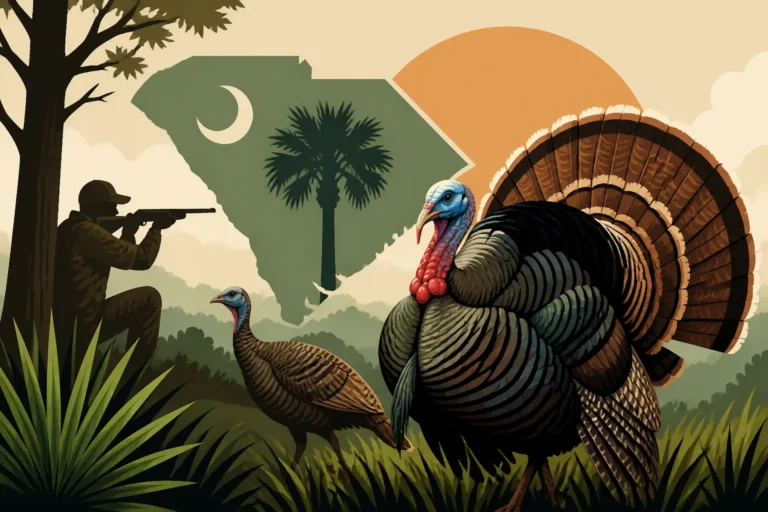
The wild turkey population in South Carolina is a dynamic thing, constantly shifting with habitat changes, weather patterns, and even hunting pressure. For many years, the state saw incredible success in restoring wild turkeys, bringing them back from near extirpation. However, in recent times, there's been a noticeable and often frustrating, decline in some areas. This trend is a hot topic around many a deer camp fire, and it's something every hunter needs to grasp.
The Latest Population Dynamics
While pinning down an exact, real-time number for a wild, mobile species like the turkey is incredibly challenging, wildlife agencies provide estimates based on various data points. These estimates, often expressed as ranges or trends, indicate whether the population is generally increasing, stable, or declining. What we've seen in South Carolina, generally speaking, is a downward trend in overall turkey numbers in many regions. This isn't unique to our state; it's a pattern observed in several states across the Southeast.
This broad trend might not feel immediate when you're sitting in a blind, but it impacts the regulations put in place by the South Carolina Department of Natural Resources (SCDNR). When numbers are down, you often see more conservative limits or shorter seasons, like the recent changes regarding jake harvests. It's all part of managing a sustainable resource. Understanding these broader trends can help you make sense of why certain rules exist and how your actions as a hunter contribute to the bigger picture.
Regional Variations Across the State
It's crucial to remember that "South Carolina" isn't a monolithic block when it comes to turkey habitat. The population dynamics can vary significantly from one region to another. What might be true for the heavily forested Upstate, with its steep ridges and mature hardwoods, could be entirely different from the vast pine plantations and agricultural fields of the Pee Dee or the sprawling swamps and coastal plains of the Lowcountry.
For instance, some areas might still hold strong, healthy populations, while others have seen more dramatic declines. Factors like local habitat quality, disease outbreaks (though less common for turkeys than deer), and localized predation can create these pockets of difference. A tool like GoHunt or other mapping resources can be incredibly helpful for scouting these diverse regions, letting you look at aerial imagery to gauge habitat suitability and potential roosting areas before you ever set foot in the woods. You can often see historical land use, forest type, and proximity to water, which all play a role in where turkeys thrive. It's never a bad idea to check specific data from your intended hunting zone, as outlined in articles like Where South Carolina Turkeys Are Densest, to get a more localized perspective.
Key Factors Influencing Turkey Populations
The health of South Carolina's wild turkey population is a complex equation with many variables. It's not usually one single factor but a combination that leads to the ups and downs we observe. For hunters, understanding these influences can help you identify prime habitat and anticipate hunting conditions.
Habitat Quality and Fragmentation
Habitat is king for any wildlife species, and turkeys are no exception. They need a mosaic of different habitat types: mature hardwoods for roosting, open woodlands or clear-cuts for nesting and brooding, and agricultural fields or pine savannas for foraging. When these diverse habitats are lost or fragmented by development, urbanization, or changes in forestry practices, turkey populations suffer. For instance, the conversion of mixed pine-hardwood forests to dense, single-species pine plantations can reduce the available food sources and nesting cover that turkeys need.
Consider the increasing housing developments creeping into rural areas, especially around growing cities like Charleston, Columbia, and Greenville. Each new subdivision or commercial center eats away at crucial turkey habitat. Even on larger timber tracts, if management focuses solely on rapidly growing pines, the diverse understory and mast-producing trees essential for turkeys can be lost. When you're scouting, paying attention to areas that retain diverse forest types, with good roosting trees and open understory for poults to forage, is key. You might find better success in areas like the Sumter National Forest Hunting areas that are actively managed for diverse wildlife.
Predation Pressure on Nests and Poults
Predation is a natural part of any ecosystem, but an imbalance can significantly impact turkey populations, especially during the critical nesting and brooding phases. Raccoons, opossums, skunks, snakes, and coyotes are all common nest predators, while bobcats, foxes, and even raptors can prey on poults and adult birds. The proliferation of certain predator species, particularly the generalist predators like raccoons and coyotes, has been identified as a contributing factor to declining poult survival rates in some regions.
A hen turkey might lay a clutch of 10-12 eggs, but if a raccoon finds the nest, the entire clutch can be lost in a single night. Even if the eggs hatch, young poults are incredibly vulnerable to predators, disease, and harsh weather. High poult mortality rates mean fewer birds recruit into the adult population, leading to an overall decline. This is why agencies closely monitor Poult-to-Hen Ratios and What They Mean, as it's a direct indicator of reproductive success. While hunters can't control all predation, being aware of it helps understand the challenges turkeys face.
Weather Patterns and Poult Survival
The weather, particularly during the spring nesting and early brooding period, plays a colossal role in the success of a turkey hatch. Prolonged cold, wet springs can be devastating for poults, which are highly susceptible to hypothermia and disease in their first few weeks of life. Poult survival directly impacts the overall population estimate in subsequent years. A few consecutive years of poor hatches can lead to a noticeable dip in turkey numbers.
Think about a spring where you have several days of heavy, cold rains right after the majority of hens have hatched their clutches. Those tiny poults, still developing their full thermoregulation capabilities, struggle immensely. They can get chilled, become more vulnerable to illness, and struggle to find adequate insect protein. Conversely, a warm, dry spring often correlates with higher poult survival and better hunting prospects a year or two down the line. It's a cruel reality that Mother Nature often has the final say, regardless of other conservation efforts.
How Turkey Populations Are Estimated
You might wonder how wildlife biologists get these population numbers. It's not like they can just go out and count every single turkey! Instead, they rely on a combination of scientific surveys, hunter reports, and long-term data analysis to create an estimate of the wild turkey population. This ongoing monitoring is essential for sound wildlife management.
SCDNR's Annual Turkey Brood Survey
One of the most critical tools for estimating turkey populations and reproductive success in South Carolina is the annual turkey brood survey. This survey relies on volunteer observers, including hunters and landowners, to report observations of turkey broods (hens with poults) during the summer months. Participants record the number of hens seen, the number of poults with each hen, and the date and location of the sighting.
This data provides a crucial snapshot of annual reproduction and poult survival. By calculating poult-to-hen ratios, biologists can gauge the success of the spring hatch. A high ratio suggests a strong reproductive year, while a low ratio indicates poor recruitment into the population. This information helps predict future population trends and informs decisions about South Carolina Spring Turkey Season Rules and bag limits. The more data collected, the more accurate the picture, making hunter participation in these surveys incredibly valuable.
Hunter Harvest Data and Trends
Another vital piece of the puzzle comes directly from hunters through harvest reporting. In South Carolina, hunters are required to report their turkey harvests, usually through an online system like the Game Check portal. This data provides insights into hunter effort, success rates, and the total number of birds harvested each season. When combined with population survey data, harvest numbers can help estimate population size and distribution.
| Data Point | What it Reveals | Impact on Population Estimate |
|---|---|---|
| Poult-to-Hen Ratio | Reproductive success and survival of young. | Direct indicator of future population growth. |
| Total Harvest Numbers | Hunter effort, success, and overall harvest pressure. | Helps refine population models; indicates density. |
| Hunter Observations | Regional presence, roosting habits, and activity levels. | Guides local estimates and identifies hot spots. |
| Habitat Assessments | Quality and quantity of available food, cover, and nesting sites. | Foundation for carrying capacity and long-term trends. |
The SCDNR analyzes these reports, looking for trends in total harvest, the age structure of harvested gobblers (jakes vs. adult gobblers), and regional harvest patterns. For example, if harvest numbers are consistently declining in a particular zone despite stable hunter effort, it could indicate a shrinking population. The long-term South Carolina Turkey Harvest Numbers provide historical context, allowing biologists to compare current trends against decades of data.
Challenges in Accurate Counting
Estimating wild turkey populations is inherently difficult. Turkeys are mobile, wary, and often inhabit dense, inaccessible terrain. They don't stay in one place, and their behavior changes throughout the year. Factors like observer bias in surveys, varying hunter reporting compliance, and the sheer vastness of South Carolina's diverse landscapes all present challenges to getting a perfect count.
The "estimate" really is the key word here. It's a scientifically informed approximation, not an exact census. Biologists use sophisticated modeling techniques that integrate all available data, but there's always a margin of error. That's why they focus on trends and ratios rather than a single, fixed number. They're trying to understand the trajectory of the population, which is more important for management than an impossible-to-get exact count.
Implications for South Carolina Turkey Hunters
Understanding the state of the turkey population isn't just academic; it has direct relevance to how you plan and execute your spring hunts. Facing declining numbers in some areas means adjusting expectations and tactics.
Adjusting Expectations for Spring Season
If the general trend indicates a decline in turkey numbers, hunters might need to adjust their expectations for the upcoming spring season. This could mean fewer gobblers heard on the roost, more silent hunts, and potentially longer stretches without encountering birds. It doesn't mean there are no turkeys, but rather that finding and working them might require more patience and effort.
Rather than expecting multiple gobbling interactions every morning, you might need to focus on identifying specific, high-quality habitat areas where birds are still thriving. This could involve more preseason scouting, using mapping tools to identify potential roosts or feeding areas, and focusing on areas with less pressure. Understanding When South Carolina Gobblers Go Quiet in May can also help manage expectations as the season progresses and birds become more call-shy. It might also mean putting more miles on your boots, looking for fresh sign rather than just listening for a gobble.
The Role of Responsible Harvesting
In times of population concern, responsible harvesting practices become even more critical. This means adhering strictly to bag limits, understanding the reasoning behind regulations like the one regarding jake harvests (why South Carolina Banned Jake Harvest for example), and being mindful of your impact. Every hunter plays a part in the overall management scheme.
For example, if you're hunting an area where turkey numbers seem particularly low, you might consider passing on a marginal bird, or even voluntarily taking fewer birds than your legal limit to allow more gobblers to breed. It's a personal choice, but collective conservation-minded decisions can contribute positively to local populations. Also, be sure to report every bird accurately and promptly after harvest. This data is invaluable to the SCDNR for their ongoing population monitoring and management efforts. Considering options like South Carolina's Statewide Turkey Bag Limit and how you approach it can make a real difference.
Scouting and Adaptability in the Field
With fluctuating populations, diligent scouting and adaptability are your best friends. Don't rely solely on last year's hotspots; birds move, and habitat changes. Spend time in the woods before the season opens, looking for fresh tracks, droppings, and dusting bowls. Listen for distant gobblers at dawn, even if they aren't close.
Using modern mapping applications like GoHunt can really give you an edge. You can mark potential roost sites, food sources, and travel corridors, and even identify subtle changes in timber type that turkeys might prefer. This kind of preparation can make a huge difference, especially on public lands where pressure can be high. Being adaptable means being willing to change your setup, your calling sequence, or even your hunting area if your initial tactics aren't producing. Whether you're Calling a South Carolina Gobbler Off the Roost or trying a run-and-gun approach, flexibility is key.
Disclaimer
This article is for general informational purposes only and does not constitute professional advice. Laws, prices and regulations vary by location and change over time. Consult a qualified professional for guidance on your specific situation.