Mange in South Carolina Coyotes and Foxes
Walking through the South Carolina woods, whether it's the maritime forests of the coast or the rolling hills of the Upstate, you occasionally see something that gives you pause: a coyote or a fox looking rough, patches of fur missing, skin crusty and raw. It’s a sight that’s both unsettling and sad, making you wonder what’s going on with our wild canids and why they look so miserable. This guide dives deep into sarcoptic mange, a common affliction in South Carolina's coyote and fox populations, exploring what it is, how it spreads, and what hunters like us can do.
What Exactly is Mange and How Does it Spread?
Mange is one of those words that sounds vaguely unpleasant, and for good reason—it's absolutely miserable for the animals afflicted. It’s a skin disease caused by tiny parasitic mites, and while it might seem like just a bad rash, it can severely impact an animal's health and survival. Understanding the basics of what mange is and how it gets around is the first step in comprehending its role in our wild ecosystems.
The Microscopic Culprits
At the heart of sarcoptic mange, which is the most common form seen in South Carolina’s coyotes and foxes, are microscopic mites called Sarcoptes scabiei. These aren't just surface dwellers; they burrow into the skin of their host, creating tunnels where they lay their eggs. This burrowing activity, combined with the animal's allergic reaction to the mites and their waste products, is what causes the intense itching and irritation we associate with mange. Imagine having an army of invisible creatures constantly tunneling under your skin, and you can start to grasp the agony these animals endure. The constant scratching leads to further skin damage, making the animal even more vulnerable.
The life cycle of these mites is relatively short but efficient, perpetuating the infestation. From egg to larva to nymph to adult, the whole process can happen within a few weeks, meaning a small initial infestation can quickly escalate into a full-blown, debilitating case. While these mites are specific to their host species, there's always a risk of temporary transfer to other animals or even humans, though they typically don't thrive or complete their life cycle on non-preferred hosts. This is why handling infected animals or their bedding should always be done with caution.
How it Jumps from Animal to Animal
Mange primarily spreads through direct, sustained contact between an infected animal and a healthy one. Think of a litter of pups in a den or coyotes sharing a kill—these are prime opportunities for mites to transfer. If an infected animal rubs against a tree, lies in a bed, or frequents a specific trail, it can leave behind mites that then find a new host when another animal comes into contact with that contaminated surface. This indirect transmission is less efficient than direct contact but is still a significant factor in how the disease persists in a population.
The communal nature of canid life, especially within family groups or packs, makes them particularly susceptible to widespread transmission once one animal becomes infected. A mother fox passing it to her kits, or a dominant coyote transmitting it to other pack members during interactions, is a common scenario. This is why you might see several animals from the same general area exhibiting symptoms, suggesting a localized outbreak. The persistence of mites in the environment, especially in cooler, humid conditions, means that even a vacant den can remain a source of infection for a period.
Beyond Coyotes and Foxes
While our focus here is on South Carolina's coyotes and foxes, it's important to remember that sarcoptic mange can affect many mammal species, both wild and domestic. Deer, for example, can occasionally contract a form of mange, though it’s less common and often less severe than in canids. Raccoons, bears, and even rabbits can also be susceptible to various types of mange mites. This broad host range highlights the ubiquitous nature of these parasites in the environment.
The concern for hunters also extends to their own hunting dogs. A dog that noses around a mangy carcass or investigates a den site where an infected fox has been living could pick up mites. While most domestic dogs are vaccinated and receive preventative treatments, severe exposure can still lead to issues. If you notice your hunting companion scratching excessively or developing skin lesions after a trip to the woods, it's always wise to consult a veterinarian. Mange in South Carolina Coyotes and Foxes is primarily a wild animal issue, but responsible pet ownership plays a part in preventing cross-species transmission.
Recognizing Mange in South Carolina Wildlife
Spotting a mangy animal in the field can be quite alarming. The visual signs are often stark, and once you know what to look for, it's hard to miss. These aren't just minor skin irritations; they represent a significant decline in the animal's health and well-being. Knowing how to identify mange is crucial for hunters who spend a lot of time observing wildlife.
Visual Cues and Behavioral Changes
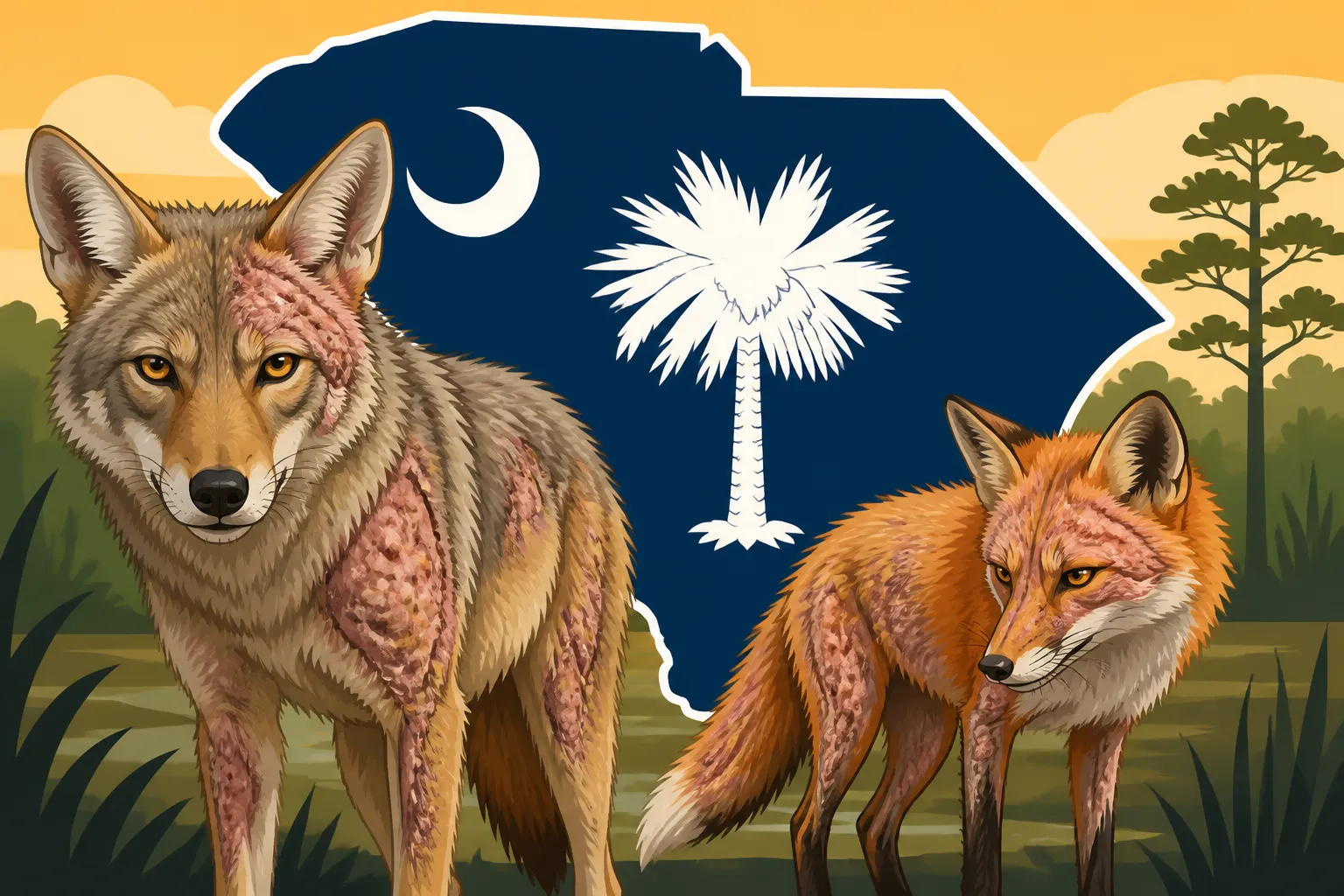
The most obvious sign of sarcoptic mange is extensive hair loss, often starting around the muzzle, eyes, ears, and elbows, then spreading across the body. As the condition progresses, the animal can become nearly hairless, especially in severe cases. The skin underneath will look thickened, crusty, and inflamed, often appearing reddish or gray. You might see open sores, scabs, and secondary bacterial infections due to incessant scratching and biting. It’s not just a patchy coat; it’s raw, wounded skin that looks incredibly painful.
Beyond the visible skin issues, a mangy animal's behavior will often be profoundly affected. The intense itching leads to constant scratching, rubbing, and biting at their fur, sometimes to the point of self-mutilation. They may appear lethargic, weak, and underweight, as the chronic irritation and infection drain their energy. Their hunting ability can be severely compromised due, to their poor physical condition, making it harder for them to find food, leading to a downward spiral. You might observe them moving slowly, perhaps even struggling to walk, or appearing disoriented.
Differentiating from Other Ailments
While mange has some very distinct visual signs, it's also important to remember that other conditions can cause hair loss or skin issues in wildlife. Environmental factors like rubbing against fences or barbed wire can cause localized hair loss, especially if an animal is repeatedly going through the same spot. Nutritional deficiencies, though less common in wild, free-ranging predators, can sometimes lead to poor coat quality. Even some fungal infections can cause patchy fur.
However, the sheer scale of the hair loss, the presence of thick crusts, severe scratching, and the overall emaciated appearance are strong indicators that you're likely looking at sarcoptic mange. A deer, for instance, might have some localized hair loss from rubbing velvet, but it won't typically exhibit the raw, crusted skin and emaciation seen in a severely mangy coyote. When you see an animal that looks truly "rough" and miserable, mange is usually the culprit. Observing multiple animals in the same general vicinity with similar symptoms can further confirm your suspicions that mange is circulating in the local population.
| Symptom Feature | Sarcoptic Mange | General Injury/Rubbing | Nutritional Deficiency |
|---|---|---|---|
| Hair Loss Pattern | Widespread, starts around face/limbs, progresses | Localized, often consistent with rubbing points | Diffuse thinning, overall poor coat quality |
| Skin Appearance | Thickened, crusted, raw, inflamed, scabs | Abraded, sometimes open wounds, no widespread crusting | Dry, flaky, possibly dull appearance |
| Itching/Scratching | Intense and constant, often self-mutilating | Minimal or localized, related to initial injury | Minor, if any |
| Body Condition | Often emaciated, lethargic, weak | Usually normal, unless injury is severe | Poor, but typically not as extreme as severe mange |
| Behavior | Distressed, restless, constant rubbing/biting | Normal, or limited movement due to injury | Normal activity, but reduced energy |
The Impact of Mange on South Carolina's Predator Populations
It's easy to dismiss mange as just another unfortunate reality of the wild, but its effects go far beyond an individual animal's suffering. When mange takes hold in a population, it can have broader ecological consequences, influencing everything from predator-prey dynamics to overall population health. Understanding these impacts helps us appreciate the complexity of wildlife management.
Individual Animal Suffering
For the individual coyote or fox, mange is a prolonged and agonizing ordeal. The constant itching, the secondary infections that set in as the skin breaks down, and the inability to properly thermoregulate without a full coat all contribute to a significant decline in health. Imagine being exposed to the elements in South Carolina's cool winter months without any fur, your skin raw and cracked. This leads to hypothermia, dehydration, and eventual starvation.
The energy an animal expends fighting off the mites and dealing with the physical symptoms leaves it with little reserve for hunting, breeding, or evading threats. They become slower, weaker, and more vulnerable to other predators, diseases, or vehicle collisions. South Carolina Coyote Attacks on Livestock might even increase if severely mangy coyotes are too weak to hunt natural prey effectively, turning to easier, albeit riskier, food sources. The survival rate for animals with advanced mange is exceptionally low, especially during periods of environmental stress like a harsh winter or a prolonged drought.
Population-Level Effects
While devastating for individuals, mange doesn't typically wipe out an entire predator species across a broad region. However, it can certainly cause significant localized declines in populations. In areas where mange becomes endemic, it can periodically reduce coyote and fox numbers, particularly affecting younger or weaker animals. This can temporarily alter the local predator-prey balance. For instance, a temporary dip in coyote numbers might lead to an uptick in fawn survival, though this is usually short-lived.
Some hunters might view a disease that reduces predator numbers as a "good thing" for deer populations. However, it's crucial to understand that a healthy ecosystem thrives on balance. While coyotes and foxes are predators, they also play a vital role in controlling other small mammal populations and scavenging. A disease like mange isn't a targeted management tool; it causes immense suffering and can unpredictably affect the overall health and genetic diversity of a population by disproportionately impacting certain individuals. South Carolina Coyote Range and Density maps can show areas where mange outbreaks have been observed, helping wildlife managers track its spread and impact.
Hunter's Role in Monitoring and Management
Hunters are often the eyes and ears of wildlife agencies, spending countless hours in the field and observing wildlife that others might miss. Your observations of mangy animals are incredibly valuable for wildlife managers trying to understand the prevalence and spread of the disease. While there's no widespread vaccination program for wild animals, your reports help track trends and identify potential hotspots.
Ethical considerations also come into play. If you encounter a severely mangy animal while hunting, particularly during deer season, you have a choice to make. Many hunters opt to humanely dispatch a heavily infected animal to end its suffering. This is a personal decision, but it's one rooted in compassion for the animal. Just remember that it is always essential to follow all applicable hunting regulations. Any actions you take should be in line with South Carolina Wildlife Violation Penalties.
What Hunters Can Do and How to Report Sightings
As hunters, we have a responsibility to be good stewards of the land and its wildlife. When it comes to something like mange, our role isn't just about observation; it's about informed action and contributing to the broader understanding of wildlife health. Your involvement can make a difference in how these situations are managed by the state.
Ethical Harvesting and Carcass Handling
If you encounter a severely mangy coyote or fox during an open season and choose to harvest it, there are important considerations for ethical handling. First, understand that a mangy animal is not fit for consumption. The meat is not safe to eat, not necessarily because the mange itself contaminates the meat, but because the animal is likely severely malnourished and could have secondary bacterial infections. Therefore, the primary purpose of harvesting such an animal is to humanely end its suffering.
Once harvested, proper carcass disposal is paramount. Do not simply leave the carcass where other animals, especially domestic dogs, could come into contact with it. The mites can remain viable on a dead host or in its immediate environment for a period, posing a risk of transmission. Burying the carcass deeply is usually the best approach, or contacting local animal control or wildlife authorities for guidance on proper disposal. Some public lands may have specific rules regarding carcass disposal, so it's always wise to check with the land manager beforehand.
Reporting to SCDNR
Your eyes in the field provide invaluable data. If you spot a mangy coyote or fox, especially one that appears to be severely affected, reporting it to the South Carolina Department of Natural Resources (SCDNR) is a crucial step. This helps wildlife biologists track the incidence of the disease, understand its geographical spread, and monitor any potential impacts on local populations. Even if it's just a single sighting, it contributes to a larger dataset.
When you make a report, try to be as specific as possible. Note the exact location (GPS coordinates if you have them, or a clear description of the area), the date and time of the sighting, the species, and a brief description of the animal's condition (e.g., "severe hair loss, very thin, scratching constantly"). Taking a photo from a distance, if safe and possible, can also be very helpful for identification, but do not approach an animal that may be sick or injured. Many hunters use tools like GoHunt to mark significant observations on their maps, and marking the location of a severely mangy animal can be a valuable data point for wildlife agencies. You can often find information on how to report sick or deceased wildlife through the SCDNR website or by contacting their regional offices. South Carolina Wildlife Disease Monitoring relies heavily on public reports, and your vigilance helps keep our wildlife healthy.
Disclaimer
This article is for general informational purposes only and does not constitute professional advice. Laws, prices and regulations vary by location and change over time. Consult a qualified professional for guidance on your specific situation.