South Carolina Small Game and Furbearers
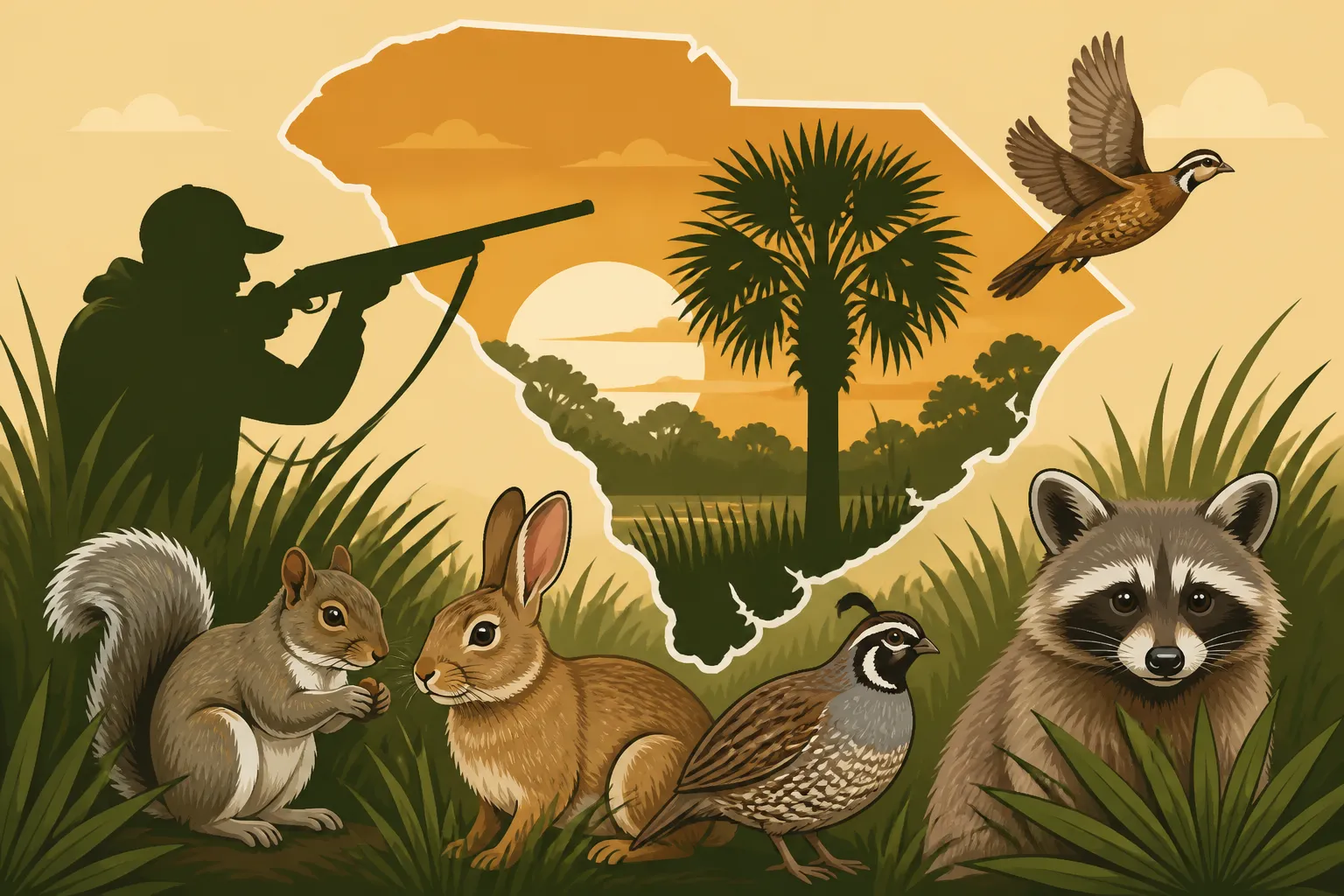
For many folks in South Carolina, the focus often drifts to the big game – the deer, the turkeys, maybe a bear if you're lucky enough to draw a tag. But let's be real, chasing whitetails and gobblers isn't the only game in town, and sometimes, the most rewarding experiences come from slowing down and appreciating the smaller things. This comprehensive guide is all about shining a much-deserved spotlight on South Carolina's abundant small game and furbearer populations, offering insights into their habitats, hunting strategies, and the regulations that govern their pursuit.
The Enduring Appeal of Small Game Hunting in South Carolina
There's a certain magic to small game hunting that often gets overshadowed by the pursuit of larger, antlered quarry. It’s the kind of hunting many of us grew up with, the foundation of our outdoor passions. In South Carolina, our diverse landscapes, from the sprawling longleaf pine forests to the dense Lowcountry swamps, provide incredible opportunities for a variety of small game and furbearers.
Rediscovering the Thrill of the Chase: Rabbits and Squirrels
Think back to the sheer exhilaration of a beagle hot on the trail of a cottontail, the yelping crescendo as it circles back. Or the focused, silent stalk through hardwoods, eyes scanning for the twitch of a bushy tail. These aren't just nostalgic memories; they're readily available experiences for anyone willing to step into our woods and fields. Hunting rabbits and squirrels is a fantastic way to introduce new hunters, especially youth, to the ethics and excitement of the sport without the sometimes overwhelming pressure of big game. The fast action, the relatively low-cost gear requirements, and the sheer abundance of these critters make them perfect for a laid-back, yet thrilling, day afield. It’s an exercise in patience and quick reflexes, sharpening your woodsmanship in ways that translate to any other type of hunting.
The Simple Joys of a Small Game Bag: What You'll Find
While a deer or turkey provides a substantial amount of meat, don't underestimate the culinary delights of a mixed bag of small game. A few squirrels, a couple of rabbits, and maybe some dove breasts can create a truly memorable meal. The flavors are often richer, wilder, and distinct, harkening back to a time when folks relied on a wider array of species to fill their larder. Beyond the table fare, there's the simple satisfaction of a successful hunt, a day spent soaking in the sights and sounds of the South Carolina wilderness. It's about being present, observing the intricate details of the forest floor, and appreciating the interconnectedness of it all. Plus, there's no denying the pride in cleaning and preparing your own hard-earned game, knowing exactly where your food came from.
Passing Down Traditions: Why Small Game Matters
For generations, small game hunting has been a rite of passage for young hunters. It teaches essential skills like tracking, stealth, proper firearm handling, and game processing in a less intimidating environment. It's where many of us learned to walk quietly through the woods, identify different tree species, and understand the subtle cues of wildlife. In South Carolina, this tradition is still strong, with many families gathering for opening day squirrel or rabbit hunts, often followed by a fish fry or a pot of Brunswick stew back at camp. These aren't just hunts; they're cherished family gatherings, building bonds and fostering a deep respect for the outdoors. It ensures that the knowledge and passion for hunting continue to thrive, connecting us to our heritage and the land.
Squirrel Hunting: A Southern Staple
There's nothing quite like a crisp autumn morning in the South Carolina hardwoods, the smell of damp leaves underfoot, and the eager anticipation of a squirrel bark echoing through the timber. Squirrel hunting is perhaps the most accessible and enjoyable form of small game hunting we have.
Gray Squirrels Versus Fox Squirrels: Knowing Your Quarry
In South Carolina, you'll primarily encounter two species of squirrels: the ubiquitous gray squirrel and the larger, more striking fox squirrel. Gray squirrels are the acrobats of the forest, darting through branches with incredible speed. They're typically found in denser, mature hardwood forests and bottomlands, especially those rich with oaks and hickories. Fox squirrels, on the other hand, are often twice the size of grays, with a much more varied coloration ranging from rusty orange to dark black, often with white patches on their nose and ears. They tend to be more solitary and prefer more open pine forests or mixed pine-hardwood stands, often seen foraging on the ground. Understanding these differences can help you tailor your approach; grays often respond well to a patient sit-and-wait strategy near a den tree or feeding area, while fox squirrels might require more active stalking through their preferred, more open habitats.
Prime Habitats and Tactics: Oaks, Hickories, and Bottomlands
When you're chasing squirrels in South Carolina, habitat is everything. You want to focus on areas with abundant mast-producing trees. Old-growth oak and hickory bottoms, especially along creek drainages, are squirrel magnets. These areas provide both food and cover. A common tactic is to find a good vantage point overlooking a stand of these trees, especially in the early morning or late afternoon when squirrels are most active. Just sit quietly, listen for the telltale chatter or the rustle of leaves as they forage, and be ready. For a more active approach, still-hunting through these areas, taking a few steps then pausing to scan and listen, can be incredibly effective. Don't forget to look up, but also down for fresh cuttings, which are clear signs of recent feeding activity. Learning to identify a good acorn crop or a strong hickory nut year is key to success.
If you're looking for prime squirrel habitat, consider checking out some of the deeper sections of Squirrel Hunting South Carolina Bottomland Hardwoods.
Timing Your Hunts: Early Season Busts and Late Season Stalks
South Carolina's squirrel season typically opens in September, offering a fantastic opportunity to get into the woods well before deer season heats up. Early season hunts can be a "bust" in more ways than one, often literally due to the heat and humidity, which can make squirrels less active. However, it also means less foliage, potentially offering better visibility. Look for areas with early-dropping acorns or pine cones. As the season progresses into late fall and winter, the leaves drop, making it easier to spot squirrels. This is when still-hunting and stalking really shine. The cooler weather also means squirrels are more actively foraging to build up fat reserves. Pay attention to cold fronts; the day after a cold snap can often lead to incredibly active squirrel movement. When scouting, a tool like GoHunt can be invaluable for identifying mature timber stands or areas with diverse tree species that might hold higher squirrel densities.
Rabbit Hunting: The Excitement of a Beagle Chase
Few sounds in the South Carolina woods are as instantly recognizable or as purely joyful as the baying of a pack of beagles on a hot rabbit track. Rabbit hunting is a deeply ingrained tradition here, offering fast-paced action and plenty of camaraderie.
Cottontails and Their Preferred Cover: Fencerows and Briar Patches
The Eastern Cottontail is the primary rabbit species you'll be after in South Carolina. These resourceful little critters thrive in areas with thick cover – briar patches, honeysuckle tangles, dense fencerows, grown-up clear-cuts, and the edges of agricultural fields. They love places where they can quickly dive for safety from predators. When scouting, look for these "edge" habitats. A good rabbit hunter knows that where there's thick, thorny stuff, there are usually rabbits. This type of cover provides both protection and an abundance of young, tender shoots and grasses to munch on. Don't be afraid to walk through the nastiest stuff; that's where the rabbits are hiding, especially on cold, windy days when they're seeking refuge from the elements.
For those looking to explore specific tactics for these tricky areas, our guide on Rabbit Hunting South Carolina Fencerows has some excellent advice.
The Art of Running Beagles: Music in the Woods
For many, rabbit hunting is beagle hunting. A well-trained pack of beagles provides an unparalleled experience. The dogs push the rabbits out of thick cover, circling them back around, often allowing hunters strategically placed to get a shot. There's a true art to managing a pack, understanding their barks, and anticipating where the rabbit will run. It's a team effort, where the hunters position themselves based on the dogs' movements and the rabbit's known escape routes. The key to success often lies in finding the right "jump" – flushing the rabbit from its hiding spot – and then letting the dogs do their work, pushing it back towards the gun line. It's a social hunt, full of laughter, storytelling, and the sheer joy of watching dogs work.
Still Hunting and Stalking: When Dogs Aren't an Option
Even without a pack of hounds, you can still have a productive rabbit hunt. Still hunting involves slowly walking through prime rabbit cover, pausing frequently to scan ahead. Look for the telltale flick of an ear or the slight movement of a rabbit hunkered down. When you spot one, you might need to try and "kick" it out of its cover to get a running shot. Another effective method, especially in areas with fresh snow (a rarity in much of South Carolina, but not impossible in the Upstate), is tracking. Fresh tracks leading into a briar patch are a good indication that a rabbit is holed up inside. This method requires more stealth and patience but can be incredibly rewarding. It's about being observant and knowing where rabbits like to hide, then moving in slowly and deliberately.
Furbearer Opportunities: Trapping and Hunting Predators
While small game focuses on squirrels and rabbits, South Carolina also offers significant opportunities for pursuing various furbearers, whether through hunting or trapping. These animals play crucial roles in the ecosystem, and their management often contributes to healthier wildlife populations.
Coyotes: A Year-Round Challenge and Management Necessity
Coyotes are perhaps the most controversial furbearer in South Carolina. They are non-native, highly adaptable, and exert significant predation pressure on deer fawns, turkey poults, and other small game. Consequently, South Carolina has a year-round open season for hunting coyotes on private land, often with expanded opportunities on public lands. This makes them a prime target for hunters looking for action outside of regular seasons. Calling coyotes, either with distress calls or howls, can be incredibly exciting and challenging. Setting up in areas where you've seen tracks or sign, especially near deer bedding areas or turkey roosts, can increase your odds. Effective coyote management helps local deer and turkey populations thrive, so it’s a form of hunting that directly benefits other game species. You can even use thermal optics for night hunting in certain areas on private land, an effective way to control populations.
For specific regulations on hunting coyotes, our guide on Coyote Calling in South Carolina Farm Country can provide valuable insights.
Bobcats and Foxes: Elusive Targets and Valuable Pelts
Bobcats and foxes (both red and gray) are native furbearers that offer a different kind of challenge. Bobcats are incredibly elusive, masters of stealth, and generally prefer dense, forested habitats. Hunting them often involves calling with distress sounds, similar to coyotes, but requires even more patience and careful setup. Their pelts are highly prized, making them a valuable quarry for trappers and hunters alike. Foxes, while more common, can also be tricky. Gray foxes are unique in their ability to climb trees, an adaptation that helps them escape coyotes. Red foxes are typically found in more open, agricultural areas. Both can be called in or pursued with dogs. Their seasons are typically regulated, so always check the latest SCDNR regulations. Pursuing these animals requires a deep understanding of their behavior and habitat preferences.
Raccoons and Opossums: Abundant and Opportunistic
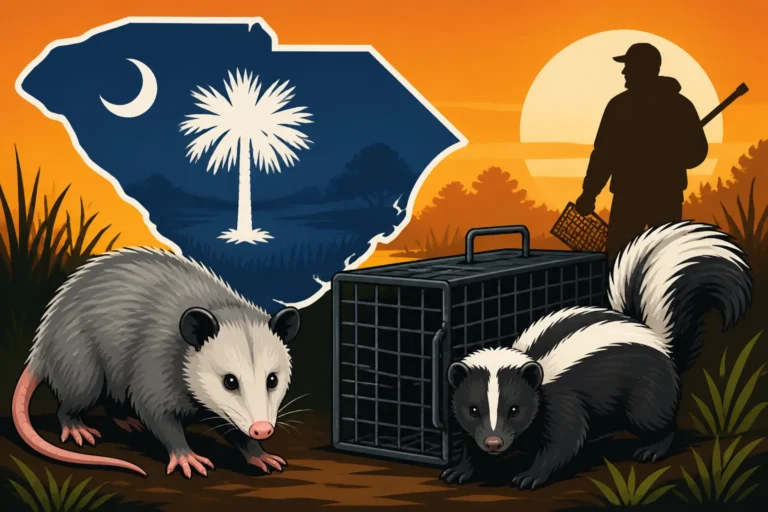
Raccoons and opossums are abundant across South Carolina and are often pursued at night with hounds. Night hunting raccoons, known as "coon hunting," is a strong tradition, especially in the Lowcountry and Pee Dee regions. The dogs scent a trail, tree the raccoon, and then the hunters follow the baying dogs to the treed animal. It's an active and engaging hunt, requiring good navigation skills in the dark and an appreciation for working dogs. Opossums are often caught incidentally by raccoon hunters or trappers. Both species are opportunistic omnivores and can be found in almost any habitat with available food and water. They contribute significantly to the furbearer harvest in the state and offer a unique hunting experience. Remember to always ensure you have the appropriate licenses and permits, especially if you're engaging in night hunting or trapping activities.
Waterfowl: Beyond the Big Ducks
While many waterfowl hunters dream of mallards and pintails, South Carolina's diverse wetlands and coastal areas are home to a much broader spectrum of waterfowl species. Exploring these lesser-known opportunities can add incredible variety and excitement to your duck season.
Wood Ducks: Jewels of the Swamp
If there's one duck that epitomizes South Carolina's inland waterfowl hunting, it's the wood duck. These incredibly beautiful birds are residents year-round and are abundant in our cypress swamps, flooded timber, and wooded creek bottoms. They're often referred to as "woodies" and are known for their spectacular aerial displays and their habit of flying at dawn and dusk. Jump-shooting small creeks and beaver ponds is a popular and effective tactic for wood ducks. Setting up in flooded timber with a few decoys at first light can also be highly productive. Their meat is delicious, and the thrill of seeing a small flock zip through the trees is something every hunter should experience. They are truly the jewels of the swamp.
To maximize your chances with these beautiful birds, our guide on Jump-Shooting South Carolina Creeks for Wood Ducks offers great tips.
Coots, Rails, and Gallinules: Overlooked Marsh Birds
Beyond the ducks, South Carolina's marshes and wetlands teem with other migratory game birds that often get overlooked. Coots, frequently mistaken for small ducks, are actually members of the rail family. They're abundant, offer a unique challenge, and their dark meat, when properly prepared, can be quite tasty. Rails (King, Virginia, and Sora) and Common Gallinules are secretive marsh dwellers that can provide some exciting, albeit challenging, hunting opportunities. They are often hunted by pushing small boats through thick marsh grass or by wading in shallow, muddy areas. The fast, erratic flight of a flushed rail requires quick reflexes. These hunts offer a fantastic way to explore the lesser-known corners of our incredible coastal marshes and freshwater swamps, providing an adventure that's very different from typical duck blinds. GoHunt's mapping features can sometimes reveal hidden marsh access points that are perfect for these types of hunts.
Geese: Resident Flocks and Migratory Visitors
While Canada geese aren't typically considered "small game" due to their size, their hunting opportunities often overlap with other waterfowl. South Carolina has a healthy population of resident Canada geese, especially around agricultural areas, golf courses, and large ponds. These birds provide early season opportunities and can be found throughout the state. During the colder months, migratory Canada geese, along with a few snow geese, will pass through or winter in South Carolina. Hunting geese often involves setting up large decoy spreads in cut grain fields or along large bodies of water. The sheer power and distinctive calls of geese make them an exciting quarry. Pay close attention to federal and state regulations, as goose seasons and bag limits can vary significantly based on species and management zones.
Upland Game Birds: Quail and Doves
South Carolina's upland bird hunting scene offers a delightful mix of fast-paced action and the timeless traditions of the bird dog. While populations have faced challenges, dedicated conservation efforts keep these opportunities alive.
Mourning Doves: Fast-Flying Challenge of the Fields
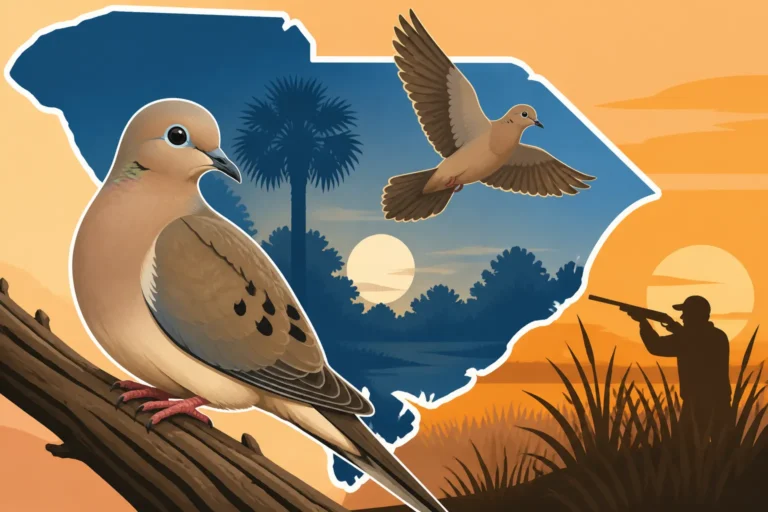
Mourning doves are a quintessential South Carolina experience, especially on opening day in early September. There's almost a festive atmosphere to dove season, with friends and family gathering in cut corn, sunflower, or millet fields. Doves are incredibly fast, agile flyers, making them a challenging target for even seasoned wingshooters. Success often hinges on strategic positioning along flight lines, near water sources, or around feeding areas. A good dove stool, plenty of shells, and keen eyesight are your best assets. Remember to wear your blaze orange, even if it's just a vest, for safety in crowded fields. The action can be nonstop, and it's a fantastic way to kick off the fall hunting season. A great source for information on South Carolina Mourning Dove Migration Timing will help you plan your hunts.
If you're planning for the opener, our guide on Working a Dove Field on Opening Day has crucial tips to maximize your success.
Bobwhite Quail: The Elusive Southern Gentleman
The bobwhite quail holds a special place in the hearts of Southern hunters. Hearing the distinct "bob-WHEET!" call is a sound many long for. While wild quail populations have seen significant declines over the decades due to habitat loss, there are still opportunities for hunting them in South Carolina, particularly on managed plantations and some public lands undergoing habitat restoration. Hunting quail is a classic bird dog experience, with pointers or setters finding and locking up on a covey, followed by the explosive flush and challenging shots. This pursuit embodies a tradition of sportsmanship and appreciation for working dogs. Conservation efforts, often focused on prescribed burning and restoring longleaf pine ecosystems, are crucial for sustaining and hopefully growing these iconic birds.
Woodcock and Snipe: Migratory Gems
Often overlooked, American woodcock and common snipe are migratory shorebirds that offer unique wingshooting opportunities in South Carolina. Woodcock, with their long bills and cryptic brown plumage, are typically found in moist, young woodlands, dense thickets, and alder bottoms. They're late-season migrants, arriving in the cooler months, and their erratic, twisting flight when flushed makes them a fun, albeit difficult, target. Snipe are marsh birds, preferring wet, muddy areas, boggy fields, and flooded pastures. They fly with incredible speed and unpredictable patterns, presenting a high degree of difficulty. Both species are a testament to the diverse avian life that passes through South Carolina. Hunting them requires patience, good dog work (for woodcock), and a willingness to explore thick, often wet, cover. Don't forget your HIP certification when hunting any migratory birds!
Regulations and Licenses: Staying Legal in the Field
Navigating hunting regulations can sometimes feel like a puzzle, but understanding the rules is fundamental to ethical and legal hunting. South Carolina's Department of Natural Resources (SCDNR) works hard to manage our wildlife populations responsibly.
Understanding Seasons and Bag Limits: Varying Rules for Different Species
One of the most critical aspects of hunting small game and furbearers is knowing the specific seasons and bag limits for each species. Unlike deer, which has a broad season structure, small game and furbearers often have very distinct opening and closing dates, and daily/possession limits can vary. For instance, squirrel season generally opens in September and runs through early March, while rabbit season might have a slightly different window. Furbearers like coyotes often have year-round open seasons on private land, but protected species like bobcats and foxes have specific, shorter seasons. Waterfowl and migratory bird seasons are set federally and then adopted by the state, with different zones and species-specific limits. Always consult the current year's SCDNR Hunting & Fishing Regulations booklet or their website before heading afield. Ignorance of the law is not an excuse, and game wardens are out there to ensure compliance.
Here's a quick reference table for some common small game and furbearers:
| Species | Typical Season Length | Daily Bag Limit (Varies by Year/Zone) | Key Habitat Preferences | Hunting Method Notes |
|---|---|---|---|---|
| Gray/Fox Squirrel | Sept – Mar (approx.) | 10 | Mature hardwoods, mixed pine/hardwood, bottomlands | Still-hunting, sitting, squirrel dogs |
| Cottontail Rabbit | Sept – Mar (approx.) | 5 | Briar patches, fencerows, thickets, field edges | Beagles, still-hunting, flushing |
| Mourning Dove | Sept – Jan (multiple splits) | 15 | Agricultural fields (corn, sunflower, millet), open areas | Pass shooting, decoying, field hunting |
| Wood Duck | Nov – Jan (multiple splits) | 3 (within 6 duck aggregate) | Swamps, flooded timber, wooded creeks, beaver ponds | Jump shooting, decoying |
| Coyote | Year-round (private land) | No limit | Highly adaptable, all habitats | Calling (distress/howl), night hunting (private land) |
| Raccoon | Oct – Mar (approx.) | No limit | Hardwoods, bottomlands, near water, agricultural areas | Night hunting with hounds |
| Bobcat | Mid-Sept – Mid-Mar (approx.) | No limit | Dense forests, thickets | Calling, trapping |
| Fox (Red/Gray) | Mid-Sept – Mid-Mar (approx.) | No limit | Mixed forests, open fields, agricultural edges (Red), dense cover (Gray) | Calling, dogs, trapping |
| Woodcock | Dec – Jan (approx.) | 3 | Moist, young woodlands, thickets, alder bottoms | Flushing, dog work |
| Snipe | Nov – Feb (approx.) | 8 | Wet fields, boggy areas, marshes | Flushing |
Note: All seasons and bag limits are subject to change annually. Always verify current regulations with SCDNR.
Licensing and Permits: What You Need Before You Hunt
Before you even step foot into the woods or marsh, you need to ensure you have the correct licenses and permits. For most small game and furbearers, a basic South Carolina hunting license is required. If you plan to hunt migratory birds like doves, woodcock, snipe, or waterfowl, you'll also need a Migratory Bird Permit (HIP certification) and a Federal Duck Stamp (for waterfowl hunters over 16). If you're hunting on Wildlife Management Areas (WMAs), you'll almost certainly need a WMA permit in addition to your base license. Trapping often requires a separate trapping license. Non-residents will need to purchase non-resident licenses, which are typically more expensive. Buying your licenses is easy through the SCDNR Go Outdoors SC portal, and you can even keep proof of your license on your phone these days. Just make sure your phone is charged! Understanding your South Carolina Resident Hunting License Options is the first step.
Ethical Hunting and Trapping Practices: Respecting the Resource
Ethical hunting and trapping are paramount. This means ensuring quick, clean kills, respecting private property boundaries, and understanding the role you play in wildlife management. For small game, this includes knowing your firearm's effective range and being disciplined enough to only take ethical shots. For furbearers, particularly when trapping, it means using humane traps, checking them regularly, and understanding proper animal handling. Always practice good sportsmanship, respect other hunters, and clean up after yourself. Adhering to blaze orange requirements during certain seasons, even when small game hunting, is a critical safety measure. Ultimately, ethical behavior protects the privilege of hunting for future generations. Remember, as hunters, we are stewards of the land and its wildlife, and our actions reflect on the entire hunting community.
Disclaimer
Please be aware that hunting regulations, seasons, and licensing requirements can change. It is always the hunter's responsibility to consult the most current South Carolina Department of Natural Resources (SCDNR) regulations before engaging in any hunting or trapping activities. This guide is for informational purposes only and should not be considered a substitute for official SCDNR publications or legal advice.