South Carolina Boone and Crockett Whitetails
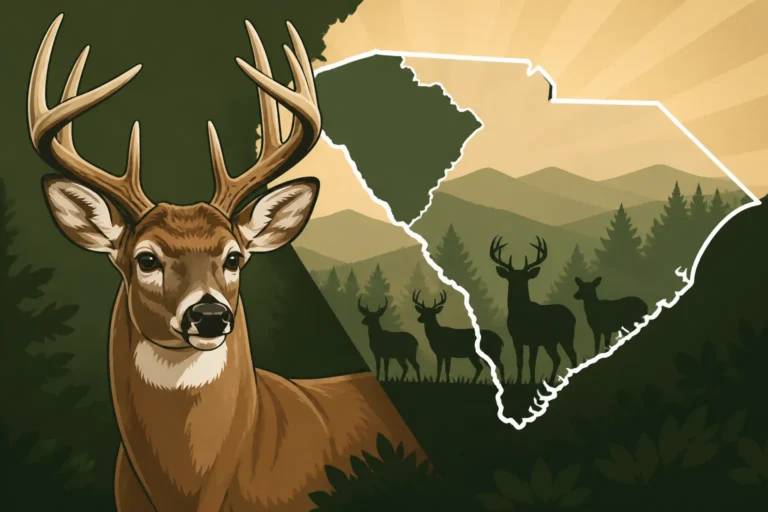
For many deer hunters in South Carolina, the dream of harvesting a Boone and Crockett whitetail feels like a distant fantasy, often overshadowed by the reputation of Midwest giants. It's easy to get discouraged when you hear tales from other states, but don't let that dampen your spirits. While it takes an incredible combination of factors, a true trophy buck is not entirely out of reach here in the Palmetto State, and this guide will explore the realistic pathways to pursuing one.
Understanding Boone and Crockett Standards in South Carolina
Let's be honest, when most folks think of Boone and Crockett bucks, South Carolina isn't the first state that springs to mind. But that doesn't mean our deer can't grow impressive headgear. It just means the journey to finding one that meets these stringent scoring criteria is often a bit more challenging and requires a deeper understanding of what we're up against and what we're looking for.
What Qualifies as a Boone and Crockett Buck?
The Boone and Crockett Club sets the gold standard for North American big game records, and their scoring system for whitetails is meticulous, accounting for antler length, circumference, spread, and the symmetry (or lack thereof) of the rack. There are different categories for typical and non-typical antlers, each with its own minimum score to be considered for the "Awards Book" or the "All-Time Records." A typical rack, characterized by its symmetry and lack of abnormal points, needs a significant net score to be recognized. Non-typical racks, with their wild array of points, often have a higher threshold to meet due to their unique formations.
It's a system designed to recognize truly exceptional antlers, not just big ones. The net score, which accounts for deductions from lack of symmetry, means that even a physically huge rack might not make the cut if it's not well-balanced. This is where the prestige comes from; it's about the entire genetic and environmental package that culminates in a deer capable of growing such a magnificent set of antlers. For hunters in South Carolina, coming across a buck that even approaches these numbers is often a once-in-a-lifetime encounter, a true testament to the animal's age and the habitat it calls home. Even if a buck doesn't quite make the B&C minimum, any animal that gets close is truly a marvel.
South Carolina's Place in the Trophy Hunting World
South Carolina has long been known for its abundant deer population and generous bag limits, which is fantastic for hunters focused on venison and consistent opportunities. However, this often means that bucks are harvested at younger ages, rarely given the chance to reach their full antler-growing potential. We often hear about states like Iowa or Kansas being "trophy states," and it can be a bit frustrating for a South Carolina hunter to feel like their home turf is overlooked in that conversation.
But here's the kicker: big bucks absolutely exist in South Carolina. They might not be as widespread or as common as in some other regions, but they are here. The key is understanding that their presence is often concentrated in specific pockets, often on well-managed private lands, or in overlooked corners of public lands where deer can grow older and benefit from superior nutrition. The number of entries into the South Carolina Deer Record Book proves that our state does produce quality animals, and every so often, one reaches that ultimate B&C benchmark. The hunt for one of these deer here isn't just about luck; it's about dedicated scouting, meticulous strategy, and often, years of observation in a specific area. It's a different kind of challenge, one that many local hunters embrace with passion, knowing that the reward is even sweeter for its rarity.
Factors Influencing Trophy Buck Potential in the Palmetto State
Harvesting a Boone and Crockett caliber whitetail in South Carolina isn't simply a matter of stumbling upon one. It’s the culmination of several critical factors aligning perfectly over many years. When you boil it down, it’s all about the deer having the right genes, reaching an old enough age, and living in an environment that provides abundant, high-quality nutrition.
Genetics and Age – The Core Ingredients
You simply cannot grow a massive rack without age. It’s the most fundamental component. A buck's antlers typically don't reach their peak size until they are 4.5, 5.5, or even 6.5 years old. In areas with high hunting pressure and liberal harvest regulations, many bucks are taken long before they ever reach this prime antler-growing age. This is often the biggest hurdle in South Carolina, where hunting traditions sometimes favor harvesting younger, more accessible bucks. The reality is, if a buck doesn't get the chance to live long enough, it doesn't matter how good its genetics are; it simply won't express its full potential.
Good genetics are the other half of the equation. Just like in humans, some deer are simply predisposed to growing larger, more impressive antlers. While we can't exactly pick and choose the genetics of wild deer, understanding this helps explain why certain regions or even specific family lines of deer within an area consistently produce better racks. On private land, landowners can implement strict harvest criteria, allowing younger bucks to walk and passing their superior genes through the herd. This focused management is a huge part of why some of the biggest deer often come from these areas. For a more detailed look at how age impacts antler growth, explore South Carolina Buck Age Structure.
Nutrition and Habitat Quality
Even with stellar genetics and sufficient age, a buck needs top-tier nutrition to fuel monumental antler growth. Antlers are bone, and growing them requires a tremendous amount of protein, minerals, and energy. South Carolina's diverse landscapes offer varying levels of this crucial nutrition. The rich agricultural fields of the Midlands and parts of the Lowcountry, with their abundant crops like corn, soybeans, and peanuts, provide a consistent, high-energy diet that can accelerate antler development. This is a significant reason why you'll often hear about some of the bigger bucks coming from these fertile areas, as highlighted in topics like Why the Midlands Grows Big Bucks.
Conversely, areas dominated by less diverse forestland, especially those with poor soil quality or dense pine plantations lacking understory browse, might struggle to provide the same level of nutrition. Even in areas with good mast crops like acorns, the availability can fluctuate year to year. A deer's year-round diet needs to be strong, not just during specific seasons. Access to minerals, either naturally occurring in the soil or provided through supplemental feeding (where legal and ethical), also plays a role. Habitat quality isn't just about food; it's about secure bedding cover, escape routes, and minimal disturbance, all of which reduce stress and allow a buck to dedicate more energy to growth rather than survival.
Hunting Pressure and Deer Density
These two factors are often intertwined and heavily influence whether a buck can reach trophy status. South Carolina has a lot of deer, and in many areas, a lot of hunters. High deer density, while meaning more deer to see, doesn't always translate to bigger bucks. In fact, too many deer can strain the available food resources, leading to smaller body sizes and less impressive antler growth across the board. The deer might eat everything in sight, but if the quality isn't there, it won't help.
More significantly, high hunting pressure often means that a buck rarely makes it past 2.5 or 3.5 years old. Constant disturbance, scent, and activity can keep deer nocturnal and make them incredibly wary, reducing daylight movement and making them harder to pattern. Hunters, wanting to fill their tags, will often take any legal buck they see. This makes finding an older buck a true challenge on public lands, as discussed in Hunting Pressure on South Carolina Public Land. To find that mature buck, you often need to seek out areas that either receive less pressure, have very specific refuge zones, or where hunters actively practice quality deer management (QDM) to allow younger bucks to mature. It's a delicate balance that often means sacrificing quantity for quality.
Strategies for Pursuing a Boone and Crockett Whitetail in South Carolina
Hunting a truly mature, Boone and Crockett caliber buck in South Carolina demands a different approach than simply going out to fill a tag. It requires an elevated level of dedication, patience, and strategic thinking. It's less about generalized hunting and more about specific, targeted pursuit.
Scouting for Mature Buck Sign
Scouting is paramount when you're after a specific class of animal, and for a B&C buck, your scouting needs to be year-round and incredibly detailed. Forget looking for just any rub or scrape; you're seeking significant sign that indicates an older, dominant buck. Think rubs on trees the size of your thigh, rubbed clean of bark up to head height, or scrape lines that are regularly freshened. Large, deep tracks showing a broad, splayed hoof print are another strong indicator. Don't just look for these in obvious places; often, the biggest bucks will leave their best sign in thicker, less accessible cover where they feel most secure.
Aerial photos and mapping apps like GoHunt become indispensable tools for identifying potential bedding areas, secure travel corridors between food and cover, and possible sanctuary zones where a mature buck might feel safe during daylight hours. Look for pinch points, funnels, and natural barriers that might concentrate deer movement. Learning to interpret subtle changes in terrain and vegetation from an aerial perspective can give you a massive advantage. Pay close attention to Reading South Carolina Mud for Fresh Deer Movement after a rain to confirm travel patterns and identify the size of the deer using an area. The goal isn't just to find deer, it's to find the right deer – the one that's older, bigger, and likely behaving differently from younger animals.
Patience and Target Specificity
This might be the hardest part of trophy hunting in South Carolina: passing on other deer. When you're fortunate enough to see multiple bucks in a season, it's tempting to take any legal deer that walks by. However, if your goal is a B&C whitetail, you absolutely must be willing to let those younger, even respectable, bucks walk. This requires incredible discipline and a clear understanding of your goal before you even step foot in the woods. You have to commit to holding out for the buck you've been dreaming of, or at least one that clearly meets your minimum standards for a mature animal.
This target specificity also means understanding that particular buck's habits. If you've identified a specific giant through trail cameras or sightings, your strategy shifts from general deer hunting to hunting that deer. This involves studying its patterns, understanding its preferred bedding and feeding areas, and identifying its preferred travel routes. It means being willing to go home empty-handed for multiple seasons, knowing that every buck you let walk might be contributing to the herd's overall age structure and increasing your chances in the long run. While you might be tempted to take home some meat, consider that you have options like Filling Two Antlerless Tags in a Day with does if you need venison for the freezer and want to keep your buck tag open for that wall-hanger.
Tactical Approaches for Older Deer
Mature bucks, especially those approaching B&C size, are incredibly cunning and will quickly pick up on any mistakes you make. Your tactics must be flawless. This means meticulous attention to wind direction, using thermals to your advantage, especially in hilly Upstate terrain as described in Wind and Thermals on an Upstate Ridge, and ensuring silent entry and exit routes that don't disturb the area. Stand placement needs to be precise, considering not just your shooting lanes but also the sun, shadows, and the deer's likely approach and escape routes.
During the rut, tactics can shift to more aggressive calling or rattling, but even then, older bucks are often more wary. Understanding Hunting the Rut in the Coastal Zones or other regions means knowing when bucks are most vulnerable due to their breeding instincts, but even then, they'll likely move in thick cover. Still-hunting through dense swamps or pine thickets can be effective if done slowly and carefully, allowing you to intercept a buck in its preferred cover. Ground blinds, especially well-brushed-in ones, can offer an advantage in agricultural areas or along field edges by allowing you to move subtly. Whatever your chosen method, the overriding principle is minimal intrusion, maximum stealth, and an intimate knowledge of the specific area you are hunting and the deer that inhabit it. Consider checking out Scouting South Carolina Public Land Before Season for more tips on finding the right spots.
The Reality and Rewards of South Carolina Trophy Hunting
Setting your sights on a Boone and Crockett whitetail in South Carolina is an ambitious goal, and it's essential to approach it with a clear understanding of both the challenges and the immense satisfaction that comes with the pursuit, regardless of the ultimate outcome.
Managing Expectations
Let's be realistic: a Boone and Crockett buck is an anomaly, a rare creature even in states famous for big deer. In South Carolina, they are even more so. It's crucial to manage your expectations and remember that the vast majority of deer harvested, even mature ones, will not make these national record books. The true reward in hunting isn't solely measured by antler inches, but by the experience itself. The quiet mornings in a stand, the challenge of interpreting subtle sign, the thrill of a close encounter, and the satisfaction of a clean, ethical harvest are invaluable.
If you commit to hunting for a B&C animal, be prepared for many seasons where you might go home without a buck, or with a buck that's "only" respectable. This journey teaches patience, resilience, and a deeper appreciation for the wild. It transforms hunting from a simple harvest into a profound connection with the landscape and the animals that call it home. Celebrate every victory, big or small, from a well-executed hunt to a successful scouting mission that uncovers new insights. The pursuit itself is often more fulfilling than the outcome. And when you do finally harvest that hard-earned buck, whether it's B&C or not, the story behind it will be one you cherish forever.
Documenting Your Harvest and Potential Recognition
Should you be fortunate enough to harvest a buck that you believe might qualify for Boone and Crockett, the process of documenting it is quite specific. After the harvest, the antlers need to undergo a mandatory drying period, typically 60 days, to ensure the measurements are stable. After this period, you'll need to contact a certified Boone and Crockett scorer who can officially measure your trophy. They will meticulously apply the scoring system, account for all measurements and deductions, and determine the official net score. This isn't a quick process, and it requires careful handling of the rack to avoid any damage during the drying period.
Even if your buck doesn't quite hit the national B&C minimums, don't forget about state and local record books. Many states, including South Carolina, maintain their own record systems that celebrate exceptional local deer. Getting your buck recognized at this level is still a tremendous accomplishment and something to be incredibly proud of. It acknowledges the quality of the deer, the habitat, and your skill as a hunter. The South Carolina Department of Natural Resources (SCDNR) has its own processes for recording impressive deer, and you'll already be familiar with some of their requirements from reporting your general harvest through systems like Checking a South Carolina Deer Harvest Online. Regardless of the official score, the personal satisfaction of a hard-earned trophy is immeasurable, and having it officially measured and recorded simply adds another layer to that memory.
| Factor | High Trophy Potential Area | Average Hunting Area |
|---|---|---|
| Deer Age | Strong presence of bucks 4.5 years old and older | Dominance of bucks 1.5-3.5 years old |
| Genetics | Strong inherent antler growth potential | Mixed genetics, average antler growth |
| Nutrition | Abundant, year-round high-quality food (agriculture, mast) | Sparse or inconsistent food sources |
| Habitat | Diverse cover, secure bedding, limited human disturbance | Fragmented habitat, less secure bedding |
| Hunting Pressure | Low to moderate, often with QDM practices in place | Moderate to high, focus on opportunity |
Disclaimer
This article is for general informational purposes only and does not constitute professional advice. Laws, prices and regulations vary by location and change over time. Consult a qualified professional for guidance on your specific situation.