Filling Two Antlerless Tags in a Day
It's happened to all of us: you finally get a day off, the weather looks perfect, and you're ready to hit the woods in South Carolina, hoping to fill the freezer, but you wonder how to truly make the most of that precious time. This guide is all about maximizing your success and understanding the ins and outs of filling two antlerless tags in a single day, ensuring you head home with a cooler full of venison and a sense of accomplishment.
Understanding South Carolina's Antlerless Deer Regulations
Before you even step foot into the South Carolina woods, it's absolutely crucial to have a firm grasp of the state's deer hunting regulations, particularly concerning antlerless deer. There's nothing worse than thinking you're doing everything right, only to find out you've inadvertently broken a rule. South Carolina has a unique deer season structure, with varying dates and rules across its four game zones, which means what's legal in one area might not be in another.
Daily Bag Limits and Zone Specifics
South Carolina generally offers quite generous antlerless deer opportunities, a welcome relief for those looking to stock their freezer. Most hunters, regardless of residency, receive an allocation of antlerless tags with their big game permit. The exciting part is that in many parts of the state, especially within certain game zones, you can actually harvest two antlerless deer in a single day on private land. This is a game-changer for folks who can only get out for a day or two and want to make their time count.
However, it's not a blanket rule everywhere. Public lands, specifically Wildlife Management Areas (WMAs), often have much stricter limits, sometimes allowing only one antlerless deer per hunt, or even restricting antlerless harvest to specific dates or quota hunts. Always check the specific regulations for the WMA you plan to hunt. For instance, you can find detailed information on the statewide and daily limits, as well as specific zone requirements, by researching the South Carolina Statewide Antlerless Bag Limit. Knowing your zone and its unique calendar is key to avoiding an unintentional violation. For example, if you're hunting in Zone 4, the coastal deer season typically offers some of the earliest and longest opportunities for deer, including antlerless, compared to the later opening dates in the Upstate.
The Importance of Game Check Reporting
Once you've successfully harvested an antlerless deer in South Carolina, your responsibility doesn't end there. The South Carolina Department of Natural Resources (SCDNR) mandates that all harvested deer be reported through their Game Check system. This isn't just a suggestion; it's a legal requirement and a critical part of the state's wildlife management efforts. Failing to report your harvest can lead to penalties, and it also deprives wildlife biologists of valuable data they use to monitor deer populations, set future seasons, and ensure sustainable hunting.
The good news is that reporting is surprisingly easy. You can do it online through the SCDNR website or via the "Go Outdoors SC" app on your smartphone. You'll need to report your deer before you move it from the point of kill to a processing facility or your home, usually within 24 hours. The system will ask for details like the date, time, location (county and WMA if applicable), sex, and whether it was antlered or antlerless. This quick step is vital for every deer you take, whether it's your first or second antlerless deer of the day. Keeping accurate records helps everyone, from the individual hunter to the overall health of the deer herd.
Scouting for Prime Antlerless Opportunities
Successfully filling two antlerless tags in a single day hinges on effective scouting. You can't just stumble into the woods hoping for the best and expect consistent results, especially when you have a specific goal like filling multiple tags. Antlerless deer, primarily does and fawns, have different patterns and preferences than mature bucks, and understanding these can drastically improve your chances.
Key Habitat Features Attracting Does
Does are primarily driven by two things: food and security. They're looking for areas with abundant, nutritious forage to sustain themselves and their fawns, and they need dense cover nearby where they can bed down, escape predators, and avoid human disturbance. Identifying these prime habitat features is your first step.
Start by looking for areas with a variety of food sources. This could be anything from agricultural fields (soybeans, corn, peanuts) to natural mast crops like acorns from white oaks and red oaks, or even browse lines in younger clear-cuts or pine plantations. Does will often congregate in these areas, especially during the morning and late afternoon feeding times. Think about the seasonal changes – what's available and desirable now versus a month ago? For instance, after a poor acorn year, deer might be heavily reliant on planted food plots or agricultural fields. Beyond food, consider water sources. Does often prefer to bed down near a dependable water supply, especially during warmer periods. Swamps, creek bottoms, and even small ponds can be magnets. Finally, look for transitional areas. The edge where a dense pine thicket meets an open hardwood bottom, or where a clear-cut borders a mature stand of timber, often provides both feeding opportunities and nearby cover. These "edge habitats" are super productive for deer, particularly does who don't venture as far as bucks often do.
Using Technology for Scouting
In today's hunting world, technology is your best friend when it comes to efficient and effective scouting. Gone are the days of relying solely on paper maps and endless boot leather (though those still have their place!). Modern mapping applications can give you an incredible advantage, especially when trying to identify those key habitat features for antlerless deer.
Before you even step foot in the woods, a powerful tool like GoHunt can be your best friend. It helps you dissect aerial maps, identifying property lines, access points, elevation changes, and different types of vegetation. You can pinpoint potential bedding areas (dense, dark timber on the map), feeding areas (open fields, mature oak bottoms), and travel corridors (creek drainages, fence lines, power line cuts). GoHunt allows you to mark waypoints, measure distances, and even overlay different layers of information, such as public vs. private land. This is invaluable when you're scouting South Carolina Public Land Before Season or trying to understand how deer might move between different parcels. You can identify those overlooked pockets of public land, or confirm boundaries on private property to ensure you're hunting legally and ethically. By doing this digital legwork, you can narrow down your physical scouting efforts to the most promising areas, saving you time and energy.
Effective Tactics for Filling Antlerless Tags
Once you've done your homework and identified potential hotspots, it's time to put those plans into action. Filling two antlerless tags in a day requires a combination of smart setup, patient observation, and adaptable hunting methods. It’s not just about getting a deer; it’s about getting two!
Stand Hunting Near Food Sources
One of the most reliable methods for harvesting antlerless deer is stand hunting near active food sources. Does, unlike some older bucks, tend to be more predictable in their daily routines, often moving from bedding areas to food in the mornings and evenings. Your goal is to intercept them during these movements.
First, identify the most active food source available. Is it a freshly planted food plot, a field of standing soybeans, or an oak flat dropping acorns? Look for fresh tracks, droppings, and browse sign. Once you've found a high-activity area, scout for a good stand location. This should be downwind of the primary deer approach, offering good shooting lanes, and providing adequate cover for concealment. A comfortable ladder stand or a hang-on stand with climbing sticks can be perfect for this. When setting up, think about your entry and exit routes. You want to be able to get to and from your stand without spooking deer that might already be in the area, especially if you plan to return for a second hunt later in the day. Sitting a field edge in late season, for instance, can be highly productive. Remember, early morning and late afternoon are generally the most productive times, so plan to be in your stand well before daylight or several hours before sunset.
Still-Hunting and Drives in Thick Cover
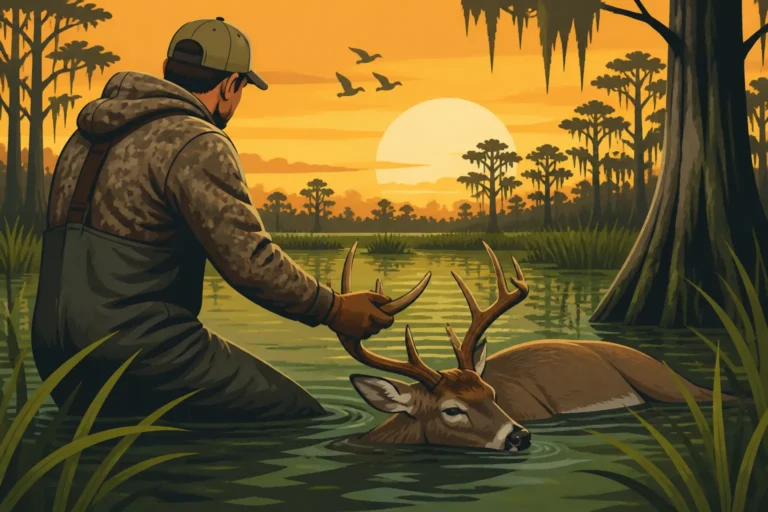
Sometimes, the deer just aren't moving to the open food sources, or you're hunting particularly dense cover where visibility is limited. This is when more active tactics like still-hunting or small, quiet drives can shine, especially in areas like thick pine plantations or those famous South Carolina swamp bottoms.
Still-hunting involves moving slowly and deliberately through the woods, taking a few steps, then pausing for several minutes to scan for deer. This method works exceptionally well in areas with abundant bedding cover, like thickets or marshy edges. The key is to be incredibly slow and observant, constantly using your binoculars to pick apart the cover. Focus on areas where deer might feel secure – dense brush, downed timber, or isolated pockets of cover. If you're Hunting Lowcountry Swamp Deer, moving quietly along the higher ground or old logging roads can be very effective. For hunters looking to really cover ground and push deer, a small, organized deer drive with two or three trusted partners can be a fantastic way to fill antlerless tags. One or two hunters act as drivers, moving slowly and quietly through a defined piece of cover, while the others position themselves on likely escape routes. The goal isn't to run deer, but to gently nudge them towards the standers. This works particularly well in smaller, manageable tracts of timber or around a secluded swamp. Just make sure everyone is aware of safety protocols and shooting lanes before the drive begins, and that you understand the rules for Deer Drives With Three or Four Hunters.
Patience and Persistence
The most underrated tactic for filling any deer tag, especially if you're aiming for two in one day, is simply patience and persistence. It's easy to get discouraged after a few hours of no activity, or after you've filled your first tag and your enthusiasm starts to wane. But antlerless deer often move in groups, and where there's one, there are often more.
After you've harvested your first deer, take the time to field dress it quickly and efficiently. Then, instead of immediately packing up and heading to the truck, reassess your situation. Can you re-enter your stand quietly for another sit? Or is there another promising area nearby that you can still-hunt for the second tag? Sometimes, simply waiting for an hour after your first harvest can be enough for the woods to settle down and for other deer to start moving again. Remember that deer have a remarkable ability to sense disturbance, but they also have short memories. If you're hunting in an area with a healthy South Carolina Deer Population Estimate, those second opportunities will often present themselves if you just stay put and remain vigilant. Don't underestimate the power of simply observing. Does will often follow predictable paths, and if you’ve seen one, you know the route another might take.
Post-Harvest Considerations for a Second Tag
Successfully bagging your first antlerless deer is exciting, but if your goal is to fill a second tag, what you do immediately after the shot can be just as crucial as the shot itself. Efficiency and smart decision-making are paramount to maximizing your remaining hunting time.
Quick and Clean Field Dressing
When you're aiming to fill two tags in a single day, time is of the essence. A quick and clean field dressing isn't just about preserving the meat; it's about getting you back in the game faster. Dragging a deer out of a swamp or even just across open ground can be a time-consuming and exhausting endeavor, so minimize the effort by doing a thorough job on site.
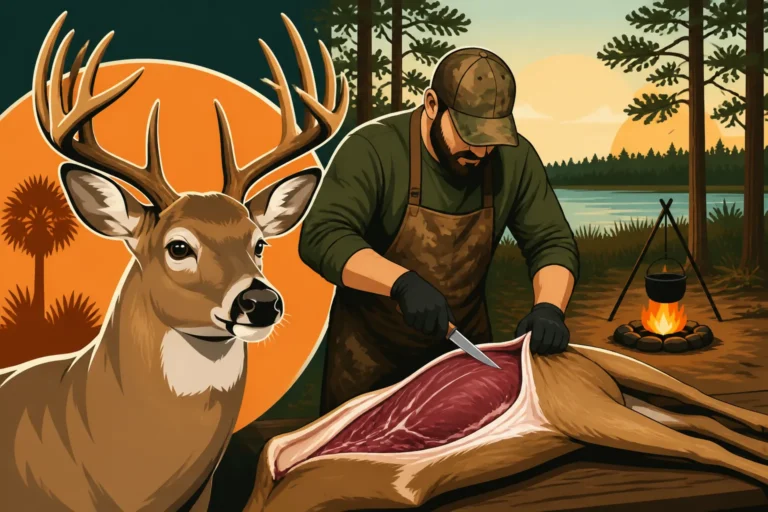
Carry a sharp, reliable field dressing knife and a pair of gloves. Perform the task efficiently, removing the entrails to allow the carcass to cool down as quickly as possible, especially critical during South Carolina's warmer early seasons. If you're hunting in August or September, learning the gutless method can save a tremendous amount of time and effort, as it allows you to debone the animal in the field and pack out only the prime meat, leaving the heavy carcass behind. For those needing to retrieve the entire animal, a sturdy deer cart can be a lifesaver, particularly on flatter Coastal Plain ground. Once field-dressed, get the deer to a cooler with ice as soon as possible to prevent spoilage. You can read more about Field Dressing a Deer in Warm Weather to prepare yourself. This speedy process allows you to either return to your original stand if the area has settled, or quickly move to a new, pre-scouted location to pursue your second tag.
Staying Mobile and Adjusting Strategy
After your first successful harvest, it’s rarely a good idea to just sit in the exact same spot and expect another deer to walk by immediately, especially if there was any commotion. Deer are incredibly wary, and they’ve often been educated by previous hunting pressure. To secure that second antlerless tag, you need to be flexible and willing to adjust your strategy.
Consider your options. Did the first deer come from a certain direction? Were there other deer in the group that scattered? If so, think about where they might have run for cover and if you can intercept them further down their escape route. Sometimes, a short move to a different stand or a quiet still-hunt through a fresh area can be exactly what you need. If you're hunting public land, the pressure might push deer into thicker, less accessible areas, making a change in tactics crucial. Using mapping tools like GoHunt to identify a secondary "hot spot" – perhaps a different food source or a dense bedding thicket – can be invaluable. Don't be afraid to pull up stakes and move a quarter or half-mile if your current location feels "burned." The goal is to put yourself back into an active deer area with minimal disturbance. Remember to check your harvest online promptly using Checking a South Carolina Deer Harvest Online once you've secured both tags.
| Tactic/Focus Area | Primary Benefit for Antlerless Deer | Best Time of Day | Ideal Conditions |
|---|---|---|---|
| Stand Hunting | Intercept predictable movements to/from food | Early Morning / Late Afternoon | Calm winds, stable temps |
| Still-Hunting | Locate bedded deer in thick cover; less pressure | Mid-day | Light breeze, soft ground |
| Small Deer Drives | Push deer from dense bedding to ambush points | Mid-day | Any, but best with a slight breeze |
| Focus on Edges | High deer traffic where cover meets food | All Day | Any |
| Water Sources | Attracts deer during dry or warm periods | Mid-day | Warm, dry spells |
Disclaimer
Always check the current South Carolina Department of Natural Resources (SCDNR) regulations before hunting, as laws and seasons can change. This guide provides general information and recommendations, but it is the hunter's responsibility to comply with all applicable state and federal hunting laws.