South Carolina Buck Age Structure
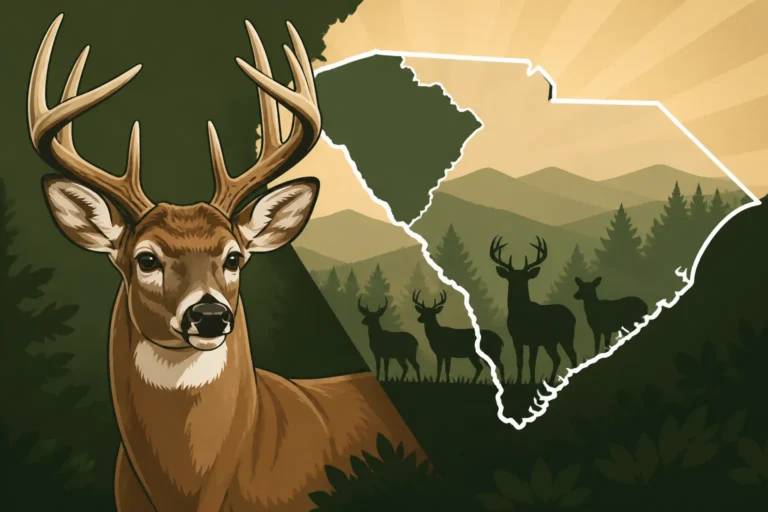
It's a common refrain among deer hunters across South Carolina: "Where are all the big, old bucks?" Many of us spend countless hours scouting and hunting, only to consistently see young deer, leaving us wondering why mature animals seem so elusive. This comprehensive guide will peel back the layers on South Carolina's buck age structure, exploring what truly influences it, how it varies by region, and what we as hunters can do to help more bucks reach their full potential.
Understanding South Carolina's Buck Age Structure
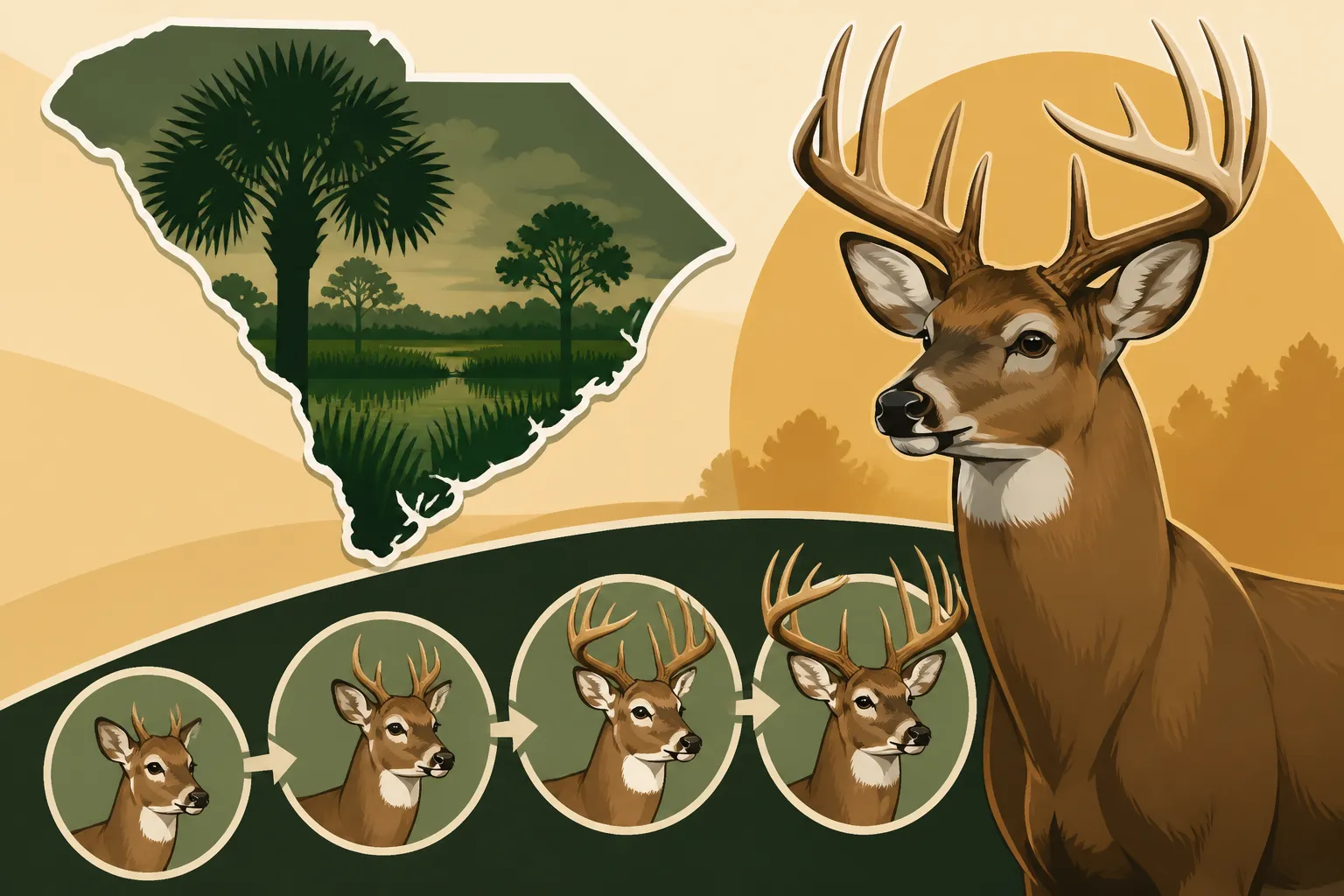
The age structure of a buck population refers to the distribution of bucks across different age classes – essentially, how many 1.5-year-old bucks, 2.5-year-old bucks, and so on, exist within a given area. In South Carolina, with its long seasons and liberal bag limits, our buck age structure often leans heavily towards younger animals, which can be both a blessing and a challenge for hunters. It means there's usually a healthy population of deer, but the older, more "trophy-class" bucks can be harder to come by, creating a unique set of circumstances for hunters pursuing mature whitetails.
Why Age Matters for Hunters
For many hunters, the pursuit of a truly mature buck isn't just about antler size, although that's certainly a part of the appeal. It's about the challenge, the intelligence, and the experience of matching wits with an animal that has survived multiple hunting seasons. An older buck represents a greater achievement, a testament to its instincts and the hunter's skill. Beyond individual satisfaction, a more balanced buck age structure can also lead to more predictable rut behavior and a healthier overall deer herd, improving the hunting experience for everyone in the long run.
The impact of age structure extends beyond just individual trophy aspirations. When a buck population has a healthier distribution of age classes, particularly a good representation of 3.5-year-old and older bucks, it can lead to a more intense and drawn-out rut, as these older bucks tend to be the primary breeders and competitors. This not only makes for exciting hunting but also contributes to herd health by ensuring a wider range of genetic contributions. Understanding this can fundamentally shift your approach to hunting, moving beyond just harvesting "a deer" to actively participating in quality deer management.
How Age Structure Reflects Management and Habitat
The typical buck age structure we see in South Carolina is a direct reflection of historical and ongoing deer management practices, coupled with the varied habitat across the state. Where harvest pressure is high and hunters primarily focus on antlered deer, the age structure naturally skews younger, as fewer bucks survive to older age classes. Conversely, areas with more conservative harvest strategies, or places where natural habitat provides exceptional cover and nutrition, tend to produce a higher percentage of older bucks. The liberal regulations of the past, designed to rapidly grow our deer population, prioritized maximizing harvest, which inevitably meant a younger age structure.
Modern management increasingly seeks to create a more balanced age structure, recognizing the ecological benefits and improved hunting quality that come with it. This involves encouraging selective harvest, often emphasizing the taking of antlerless deer to control population numbers, and letting younger bucks walk. Habitat also plays a crucial role; properties with diverse food sources, ample cover, and limited human disturbance provide the optimal conditions for bucks to thrive and reach maturity. This is why you might find areas with dense cover and less human activity, even on public lands, sometimes yield more mature deer.
Factors Influencing Buck Age in South Carolina
South Carolina's unique hunting landscape, from the coastal swamps to the upstate mountains, creates a dynamic environment where many factors intertwine to shape the age of our buck populations. It's not just one thing, but a combination of human behavior, environmental conditions, and management strategies that dictate how many bucks live to see another birthday. Understanding these elements is key to appreciating the challenges and opportunities present in our state's deer hunting culture.
Harvest Pressure and Hunter Preference
One of the most significant influences on buck age structure in South Carolina is direct harvest pressure. With one of the longest deer seasons in the country and a generous statewide antlered bag limit, the opportunity to harvest bucks is abundant. Many hunters, especially those on private land, often harvest the first legal buck they see. This isn't a judgment, but a reality. This preference for "any legal buck" rather than holding out for older animals means a high percentage of bucks are removed from the population as 1.5-year-olds or 2.5-year-olds, preventing them from aging further.
The cumulative effect of this harvest strategy over decades has shaped the average age of bucks across the state. When a high percentage of young bucks are harvested, fewer are left to reach older age classes. This can create a self-perpetuating cycle where hunters continue to see mostly young bucks because older bucks are simply not present in large numbers. Changing this often requires a cultural shift among hunters, emphasizing the long-term benefits of passing on young deer. For more on the specifics of deer limits, see our guide on the South Carolina Statewide Antlered Bag Limit.
Antlerless Harvest and Buck-to-Doe Ratios
While the focus is often on buck harvest, the management of the antlerless deer population plays an equally critical role in shaping buck age structure. A healthy, balanced buck-to-doe ratio is vital. When there are too many does relative to bucks, younger bucks often expend excessive energy during the rut pursuing numerous receptive females. This can deplete their body reserves, making them more vulnerable to disease, predation, or simply not making it through a tough winter. A balanced ratio, achieved through appropriate antlerless harvest, means less stress on individual bucks and a more competitive, efficient rut.
By strategically harvesting antlerless deer, hunters can help bring the buck-to-doe ratio closer to natural levels, which allows bucks to mature with less stress. This practice ensures that resources, especially food, are not overtaxed by an excessively large overall deer population, benefiting the health and antler potential of the remaining bucks. It also means that when the rut does kick off, there's more competition among bucks, encouraging older, stronger animals to be the primary breeders.
Habitat Quality and Nutrition
You've heard it a million times: "good food, good deer." It's true. The quality of available habitat and nutrition directly impacts a buck's ability to not only survive but also to express its full genetic potential, including antler growth, which is often a proxy for age in a hunter's mind. South Carolina's diverse landscapes offer varying levels of nutritional value. Areas rich in natural browse, mast crops like acorns, and agricultural fields tend to support healthier deer that grow faster and are better equipped to withstand the rigors of the rut and winter.
Poor habitat, characterized by limited food sources or inadequate cover, can stunt growth, make deer more susceptible to disease, and increase their vulnerability to predators. Bucks in such environments might survive, but they're less likely to reach older age classes with impressive antler development. Areas with managed timber, diverse plant communities, and access to ag fields often produce larger, healthier deer that live longer. Conversely, highly fragmented habitats or those dominated by single-species pine plantations might struggle to support robust, older age class bucks.
Regional Differences in South Carolina Buck Age
South Carolina isn't a uniform landscape, and neither are its deer populations. From the rolling hills of the Upstate to the marshy lowlands of the coast, geography and land use carve out distinct hunting environments, each with its own influences on buck age structure. A mature buck in the Upstate might have a completely different life story and set of challenges than one in the Lowcountry, leading to observable differences in their prevalence and characteristics.
Upstate Mountainous Regions
In the Upstate, particularly in the mountainous areas and sections of the Sumter National Forest, the terrain is rugged, and public land is more prevalent. This often translates to lower deer densities in some pockets, but also areas where deer can truly hide and grow old. Hunting pressure can still be significant, but the sheer vastness and difficulty of access in certain areas provide natural sanctuaries. Here, bucks might face more natural predation from coyotes and occasionally bears, but if they survive, they can reach impressive sizes due to the challenging environment encouraging strength and resilience.
Hunters in the Upstate often find themselves covering more ground, still-hunting through diverse timber, or targeting specific ridges and drainages. The opportunities for deer to escape detection and live longer are perhaps a bit higher in these expansive, wilder regions compared to some of the more intensely hunted agricultural areas. Scouting these public lands, perhaps using a tool like the GoHunt app to overlay public and private land boundaries, can reveal those overlooked pockets where older bucks might be found. The South Carolina Zone 1 Upstate Deer Season dates also impact the timing of pressure.
Lowcountry Coastal Plain
The Lowcountry is a world apart, characterized by vast swamps, dense timber, and a patchwork of agricultural fields. Deer densities here are often incredibly high, and the sheer amount of cover can make tracking and recovering deer a significant challenge. Due to the early opening dates of the South Carolina's Zone 4 Coastal Deer Season and the long season, bucks in the Lowcountry face sustained hunting pressure for extended periods. However, the impenetrable nature of some swamps provides refugia where bucks can grow to old age.
While hunters might encounter a higher volume of deer, the dense cover and the "any legal buck" mentality often mean a higher harvest rate of young bucks. The flip side is that those elusive older bucks that navigate the pressure often become true giants due to abundant food resources, particularly in agricultural areas, and the dense cover that allows them to evade hunters for years. Hunting the Lowcountry requires a different approach, often focusing on field edges, funnels, or staging areas around these dense cover pockets.
Midlands and Pee Dee Regions
The Midlands and Pee Dee regions represent a blend of the two extremes, with extensive timberlands, river bottoms, and significant agricultural operations. These areas often have excellent habitat quality, especially along the rich river corridors, leading to some of the state's best opportunities for growing mature deer. The balance of ample food and diverse cover, combined with varying hunting traditions (some areas have a strong club culture that practices Quality Deer Management, others are more focused on numbers), creates a diverse buck age structure.
In these regions, you'll find areas where age structure is quite young due to consistent pressure, but also properties and public lands, like those along the Pee Dee River bottoms, where older bucks are more common. This is often where hunters who prioritize age class over antler size can find success through diligent scouting and strategic hunting. Utilizing mapping software, like that offered by GoHunt, to identify remote corners or overlooked river bends can be a game-changer for finding those sanctuaries that allow bucks to age.
Strategies for Improving Buck Age Structure
If you're reading this, chances are you're interested in more than just harvesting "a" deer; you want to contribute to and perhaps hunt an area with a healthier buck age structure. It's a goal that requires a combination of individual hunter decisions, collective management efforts, and smart use of available resources. Improving the age structure isn't an overnight fix, but a long-term commitment that pays dividends for everyone involved.
Selective Harvest and QDM Principles
The most direct way hunters can influence buck age structure is through selective harvest, often guided by Quality Deer Management (QDM) principles. This isn't about growing giant antlers necessarily, but about allowing bucks to reach older age classes. For many, this means consciously passing on younger bucks, typically 1.5- and 2.5-year-olds, and focusing harvest efforts on antlerless deer to manage population density. By removing excess does, resources become more available for the remaining deer, allowing bucks to put more energy into body and antler growth.
Implementing QDM means shifting your mindset from "if it's brown, it's down" to a more analytical approach. This often involves observing deer more closely, trying to estimate their age by body characteristics rather than just antler size, and making informed decisions in the stand. It's a practice that requires patience and discipline, but the reward is a healthier, more balanced deer herd with a better distribution of age classes. This can be particularly effective on hunting clubs or private lands where a consistent management philosophy can be applied over several seasons.
Using Technology for Scouting and Age Estimation
Modern technology has become an indispensable tool for hunters looking to understand and influence buck age structure. Trail cameras are perhaps the most common, providing invaluable insights into the deer living on a property, their movement patterns, and often, their approximate age. By running cameras year-round, hunters can track individual bucks over multiple seasons, watching them grow and mature. This visual data helps inform harvest decisions, allowing hunters to selectively target older bucks while letting younger ones walk.
Beyond trail cameras, mapping applications are a game-changer. Tools like GoHunt offer detailed satellite imagery, topographic maps, and property boundary overlays, helping hunters identify key habitat features, potential bedding areas, and travel corridors that might hold older, wiser bucks. You can scout remotely, identifying remote sanctuaries on public land or finding secluded corners on private property that might harbor mature deer. These apps can also aid in analyzing the landscape to predict deer movement, vital for successfully targeting older, more cautious animals. Knowing where to focus your scouting efforts, whether you're trying to figure out Where Francis Marion Bucks Bed or understanding deer travel along a creek, is crucial.
The Role of Regulations and Hunter Education
While individual actions are powerful, state-level regulations and broader hunter education initiatives also play a crucial role in shaping buck age structure. South Carolina's deer season structure and bag limits are designed to balance hunter opportunity with population management goals. While our current regulations provide ample harvest opportunities, understanding their impact is key. Programs that educate hunters on deer biology, age estimation, and the benefits of selective harvest help to foster a culture that values herd health alongside harvest success.
Engaging with resources from the South Carolina Department of Natural Resources (SCDNR) and participating in hunter education courses can deepen a hunter's understanding of these dynamics. Education about the South Carolina Deer Reporting Requirements and the importance of accurate data collection also contributes to better overall management, which in turn influences future regulations and potentially leads to a healthier age structure. Ultimately, a well-informed and ethically minded hunter base is the greatest asset in promoting a sustainable and high-quality deer population.
South Carolina Buck Age Structure Overview
To help illustrate some of the regional variations and general characteristics, here's a simplified overview of how buck age structure might be perceived across South Carolina. This is a generalization, of course, as individual properties and public land tracts can vary greatly.
| Region | Typical Buck Age Composition (Harvested) | Average Antler Size (General) | Factors Influencing Age | Hunter Strategy Focus |
|---|---|---|---|---|
| Coastal Plain | 1.5-2.5 years (High % of harvest) | Medium to Large (Good nutrition) | Early/long season, high pressure, dense cover, high deer density, abundant agriculture | Ambush near fields/funnels, managing high deer numbers |
| Midlands/Pee Dee | 2.5-3.5 years (More mature bucks) | Large (Excellent nutrition) | Balanced habitat (ag/timber), variable hunting pressure, QDM practices on private land | Selective harvest, targeting specific habitat types, scouting for older bucks |
| Upstate | 2.5-3.5 years (More mature bucks) | Medium (Variable nutrition) | Rugged terrain, lower deer density, natural sanctuaries, less ag, public land access | Still-hunting, targeting remote areas, scouting for sign |
This table provides a snapshot of the general trends. Remember, diligent scouting and adapting your tactics to the specific area you're hunting, whether it's Still-Hunting Sumter Forest Ridges or Hunting Lowcountry Swamp Deer, will always yield the best results.
Disclaimer
This article is for general informational purposes only and does not constitute professional advice. Laws, prices and regulations vary by location and change over time. Consult a qualified professional for guidance on your specific situation.