South Carolina Deer Weight Averages by Region
Hunters often find themselves wondering just how big the deer they're pursuing in South Carolina really are, and it's a common frustration to have heard countless tales of monster bucks without truly understanding what constitutes a "big" deer in their specific hunting grounds. It can be tough to set realistic expectations or even assess the health of the local herd if you don't have a baseline for average deer weights. This guide aims to shed light on the typical live and field-dressed weights of white-tailed deer across South Carolina's distinct geographic regions, providing you with a clearer picture of what to expect, whether you're hunting the coastal swamps, the fertile Midlands, or the rugged Upstate mountains.
Understanding South Carolina's Deer Regions
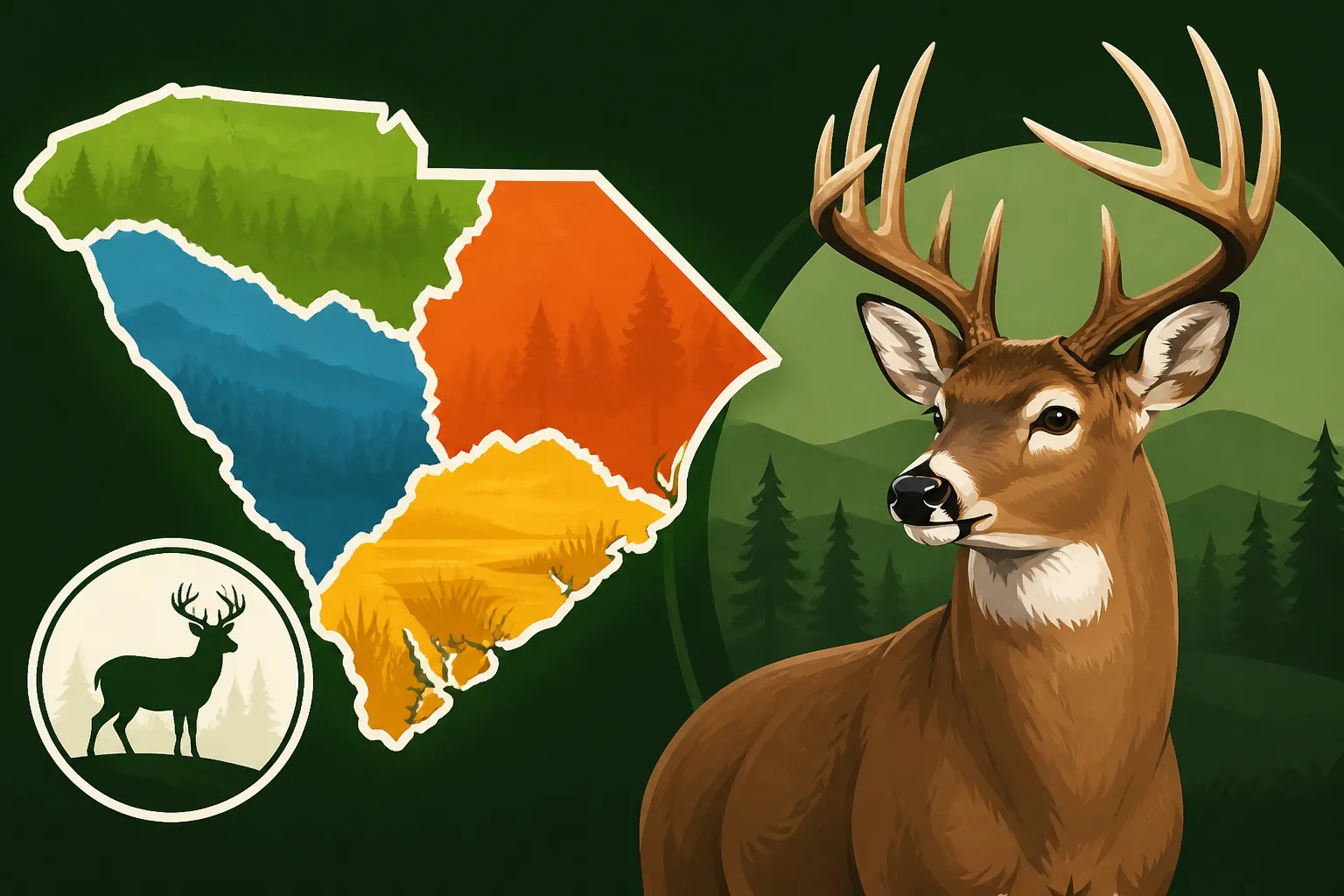
South Carolina, despite its relatively compact size, showcases an impressive array of ecological diversity. This variety in landscapes—from low-lying coastal plains to rolling piedmont and mountainous terrain—directly influences the quality of habitat and, consequently, the average size and health of its white-tailed deer population. It's simply not accurate to talk about a single statewide average; the regional differences are too pronounced for any serious hunter to ignore.
The Coastal Plain's Unique Environment
Down in the Lowcountry and across the expansive Coastal Plain (encompassing Game Zones 3 and 4), the environment is characterized by its sandy soils, extensive wetland systems, and a remarkably long growing season. Picture vast stretches of managed pine timber, sprawling river bottomlands, and dense cypress-tupelo swamps. While this region is teeming with deer, the nutritional value of the forage can sometimes be less robust than in areas with richer soils. Deer here have plenty of cover and often abundant browse, but the sandy soils tend to leach nutrients more readily, and the sheer density of the deer population in some areas can lead to significant browsing pressure. This means that while deer thrive, they might not always reach the same peak weights as those in more fertile areas. The mild winters do, however, minimize winter nutritional stress. For those interested in South Carolina's Four Game Zones, the Coastal Plain represents a unique hunting experience.
The Midlands Transition Zone
As you move inland, you encounter the Midlands, a fascinating transitional area where the Coastal Plain gradually gives way to the Piedmont. This region often boasts a desirable mix of agricultural lands, mature hardwood forests, and managed timber tracts. This blend provides a veritable smorgasbord for deer, offering diverse and high-quality forage throughout the year. Imagine the cyclical bounty of row crops like corn and soybeans, interspersed with protein-rich legumes and mast-producing oaks and hickories dropping acorns in the fall. The more fertile soils in the Midlands support a higher nutritional plane for deer, which often translates into larger body sizes and overall healthier animals. It’s no wonder this area is often considered prime deer country, and it's a key reason Why the Midlands Grows Big Bucks.
The Upstate's Mountainous Terrain
Venturing into the far northwestern corner of South Carolina brings you to the Upstate, home to the picturesque foothills and true mountains of the Blue Ridge. Here, the landscape transforms into rugged terrain, marked by steep slopes, rocky outcroppings, and vast tracts of mature hardwood forests. The soils in these mountainous areas tend to be thinner and less fertile compared to the rich agricultural lands of the Midlands. Deer in the Upstate primarily rely on natural browse and hard mast crops, such as acorns, which can vary significantly in availability from year to year. While there's ample cover and generally lower deer densities, the overall nutritional quality and abundance of easily digestible forage can be more seasonal and sometimes less consistent. This environment fosters incredibly hardy and adaptable deer, though their average body weights may be slightly lower than their counterparts in the Midlands. For hunters planning to pursue deer here, understanding Wind and Thermals on an Upstate Ridge is often as important as understanding deer size.
Factors Influencing Deer Weight
While a deer's weight might seem like a straightforward measure, it's actually the result of a complex interplay of environmental, biological, and management factors. Pinpointing exactly why one deer is heavier than another requires looking beyond just what you see on the scale.
Age: The Primary Driver
Without a doubt, age stands as the single most significant factor in determining a deer's body weight, particularly for bucks. Just like humans, deer need time to grow and mature. A 1.5-year-old buck, often called a yearling, is still in its adolescent growth phase, dedicating much of its energy to developing its skeletal structure and, often, its first set of antlers. These deer are typically lean and lighter-bodied. It's usually not until a buck reaches 3.5, 4.5, or even 5.5 years old that it achieves its maximum body weight and often, its largest antler growth. At these older ages, a buck has filled out, its muscle mass is developed, and it is physiologically mature. Does also gain weight with age, though their peak body mass is usually reached a bit earlier than bucks and tends to plateau once they become consistent breeders. A fawn, of course, is a fraction of the size, and their growth rate will heavily influence their future adult weight.
Nutrition and Habitat Quality
What a deer consumes, and the nutritional value of that forage, directly dictates its growth and overall body condition. This is where the regional differences we discussed truly shine. Areas blessed with abundant, high-quality forage—think protein-rich plants, diverse legumes, a consistent supply of mast crops like acorns, and access to agricultural crops—will consistently produce heavier, healthier deer. Conversely, habitats with poor soil fertility, those that are overbrowsed due to high deer densities, or areas lacking a variety of diverse food sources will often result in smaller, lighter deer, even if they live to older ages. This explains why regions like the Midlands, with its rich agricultural influence and fertile soils, tend to grow larger deer on average compared to some parts of the Coastal Plain or the more nutrient-limited Upstate mountains. When selecting hunting locations, many seasoned hunters use tools like GoHunt to analyze habitat quality.
Genetics and Herd Health
While genetics provide the blueprint for a deer's maximum potential size, they are rarely the sole determining factor in whether an individual deer actually reaches that potential. Certain genetic lines may be predisposed to grow larger bodies or more impressive antlers, but without adequate nutrition, sufficient age, and a healthy environment, even the best genes won't manifest fully. Think of it as a top-tier athlete who still needs years of dedicated training and a precise diet to excel. Beyond individual genetics, the overall health of the entire deer herd plays a critical role. Factors such as disease outbreaks (like EHD, which can cause significant die-offs), heavy parasite loads, or an excessively dense population leading to intense competition for food can all suppress individual deer weights across the board. Maintaining a balanced, healthy herd through responsible management practices, such as those implemented through South Carolina's CWD Surveillance Sampling, is crucial for fostering larger, more robust deer.
Hunting Pressure and Management
The level of hunting pressure and the specific management strategies employed in a region can significantly, albeit indirectly, impact average deer weights. In areas where young bucks are heavily harvested, it becomes much more challenging for bucks to reach those older age classes where they achieve their maximum body weight. On the other hand, regions that implement selective harvest strategies, or where hunters collectively prioritize allowing bucks to mature, often see a higher proportion of older, heavier deer in the population. The harvest of does is also a vital management tool. If a deer population swells beyond the carrying capacity of its habitat, leading to overbrowsing and limited food resources, every deer in that area—bucks, does, and fawns—will suffer from reduced nutrition and exhibit smaller body weights. Effective wildlife management aims to strike a balance between deer numbers and the habitat's ability to support them, a balance that ultimately benefits the size and health of individual deer.
Average Deer Weights by Region
Now, let's get into some tangible numbers! It's important to reiterate that these figures represent averages for mature deer (typically 3.5 years old and older). There will always be individual deer that fall above or below these ranges due to various factors. However, these averages provide a solid framework for what you can realistically expect to encounter across South Carolina's distinct hunting zones.
Coastal Plain Bucks and Does
In the sprawling Coastal Plain, where long seasons and abundant opportunities exist, deer tend to exhibit slightly lower average body weights compared to their counterparts in the Midlands. This is often attributable to the sandy soils that are inherently less fertile and, in some high-density areas, the significant browsing pressure on available forage. These deer are incredibly tough and resilient, perfectly adapted to their unique environment of dense cover and frequent water crossings.
- Adult Bucks (3.5+ years old): For a mature buck in the Coastal Plain, you can generally expect live weights to range from approximately 130 to 160 pounds. Exceptional individuals, often older bucks in prime habitat, might occasionally push into the 170-180 pound range or even higher, but these are outliers. Yearling bucks (1.5 years old) typically fall within the 90-120 pound bracket.
- Adult Does (3.5+ years old): Mature does in this region typically average between 90 and 115 pounds live weight. Larger does are certainly harvested, but this range covers the majority. Yearling does usually weigh between 70-85 pounds.
Hunting here often means being prepared for quick shots in thick cover and navigating challenging terrain. Hunting Lowcountry Swamp Deer often involves these same characteristics.
Midlands Bucks and Does
The Midlands region is frequently lauded as South Carolina's sweet spot for deer size, and the average weights reflect this. The synergistic combination of fertile soils, diverse agricultural practices, and extensive natural habitats provides deer with access to superior nutrition throughout the year, allowing them to express their full genetic growth potential.
- Adult Bucks (3.5+ years old): Mature bucks in the Midlands are frequently the heaviest in the state. You can expect live weights to average anywhere from 140 to 180 pounds, with the possibility of truly giant bucks exceeding the 200-pound mark being more prevalent here than in other regions. Yearling bucks in the Midlands typically weigh in at 100-135 pounds.
- Adult Does (3.5+ years old): Mature does in the Midlands also tend to be heavier, generally averaging 100 to 125 pounds live weight, with some larger individuals occasionally exceeding this. Yearling does often fall into the 80-95 pound category.
Hunters often seek out this region for its potential to produce trophy-caliber animals both in terms of antler and body size. GoHunt users often highlight this region for its consistent quality.
Upstate Bucks and Does
The Upstate, particularly the more rugged, mountainous counties, presents a unique set of challenges and opportunities for deer. While less influenced by agriculture, the vast mature hardwood forests provide crucial mast crops in good years. However, the steeper terrain and sometimes less fertile, thinner soils can result in slightly lower average weights compared to the nutrient-rich Midlands.
- Adult Bucks (3.5+ years old): Mature bucks in the Upstate typically average 125 to 155 pounds live weight. While 200-pound deer are certainly rare here, they are not entirely unheard of, especially in the richer valley floors or more managed private tracts. Yearling bucks generally range from 85-115 pounds.
- Adult Does (3.5+ years old): Mature does in the Upstate typically average 85 to 110 pounds live weight. Yearling does tend to be in the 65-80 pound range.
Deer in the Upstate are renowned for their incredible hardiness and agility, navigating challenging, vertical terrain with ease. They are a testament to the wildness of South Carolina's mountains. Hunting the Latest Upstate Zone Opener often means adapting to these unique deer characteristics.
Here's a handy table summarizing the approximate live weight averages for mature (3.5+ year old) white-tailed deer in South Carolina by region:
| Region | Mature Buck (Live Weight Average) | Mature Doe (Live Weight Average) |
|---|---|---|
| Coastal Plain | 130 – 160 lbs | 90 – 115 lbs |
| Midlands | 140 – 180 lbs | 100 – 125 lbs |
| Upstate | 125 – 155 lbs | 85 – 110 lbs |
Implications for Hunters and Management
Knowing the typical deer weights for your hunting region isn't just a point of curiosity; it carries significant practical implications for individual hunters and plays a role in broader wildlife management efforts. This information can help you refine your hunting approach and contribute to the bigger picture of conservation.
Setting Realistic Expectations
If you're an avid hunter who travels across South Carolina, or perhaps you're just starting out in a new area, having a realistic understanding of regional deer weights is absolutely essential. Don't head to the rugged Upstate mountains expecting to consistently encounter 180-pound bucks; those are far more common in the fertile agricultural belts of the Midlands. Conversely, if you're hunting in a prime Midlands county and consistently seeing undersized deer, it might signal an issue with habitat quality, excessive deer density, or perhaps a localized disease outbreak that warrants further investigation. Adjusting your expectations based on these regional averages will enhance your hunting experience and foster a greater appreciation for the specific deer population you're pursuing, regardless of their size. Tools like GoHunt can provide regional data that supports these expectations.
Harvest Strategies and Meat Yield
For many hunters, a successful hunt culminates in venison for the freezer. Deer weight directly correlates to the amount of usable boneless meat you'll harvest. As a general rule of thumb, a 160-pound live weight buck might yield approximately 60-70 pounds of boneless venison, while a 120-pound doe might provide 40-50 pounds. Armed with these regional average weights, you can make more informed decisions about your harvest strategy and accurately estimate your take-home meat from a successful hunt. If you're working towards Filling a Five-Deer Statewide Limit, knowing the expected meat yield from each animal can help you plan your processing, storage, and whether you'll need additional freezer space. From a management perspective, tracking the average size and condition of harvested deer provides valuable insight into the health of the herd and can inform decisions regarding antlerless deer quotas or special management hunts designed to balance the population with its available habitat.
Contributing to Data Collection
Every time you successfully harvest a deer in South Carolina, you are legally required to report it through the SCDNR's Game Check system. While the system might not explicitly ask for the exact weight, the data you provide—such as age, sex, and antler measurements—is crucial. This information, aggregated across thousands of harvests, allows the SCDNR to monitor herd health, track population trends, and make informed management decisions. As a hunter, you can contribute even further by paying close attention to the size and physical condition of the deer you harvest, and by sharing your observations with other hunters or local wildlife biologists. Participating in voluntary hunter surveys or utilizing check stations, if available, can provide invaluable specific weight data that helps build a more precise understanding of regional deer characteristics. Think of your efforts as a direct contribution to enhancing the data found in Reading a South Carolina Harvest Report.
Estimating Live Weight and Field Dressed Weight
You've just made a successful shot, and the excitement is palpable. Now comes the natural curiosity: "How much does it weigh?" Getting an accurate weight can be tricky in the field, but understanding the relationship between live weight, field-dressed weight, and meat yield can help you make good estimates.
The "Eyeball Test" vs. Actual Measurement
Let's be honest, almost every hunter has experienced "ground shrinkage." That deer that looked absolutely gargantuan lying on the forest floor sometimes appears a little less impressive when it’s hanging at camp. The "eyeball test" is fun for the initial thrill and a decent way to get a rough idea, but it's notoriously unreliable for precise measurements. While experienced hunters can develop a remarkably keen eye for estimating weight, nothing truly beats an actual scale. If your deer camp or processor has a reliable scale, use it! However, for most hunters, especially those deep in public land, dragging a scale along isn't practical. This is where understanding conversion factors and estimation methods becomes incredibly useful. Many hunters use the GoHunt app to record their harvests and notes, including estimated weights, which can help them refine their "eyeball test" over time by comparing it to actual scale weights when available.
Calculating Field Dressed Weight
Field dressing involves removing the internal organs (entrails) from the deer, a necessary step for cooling the carcass and preserving the meat. This process significantly reduces the animal's overall weight. As a general rule of thumb, a deer will lose approximately 20-30% of its live weight after field dressing. A commonly used average for this weight loss is about 25%. So, if you weigh a field-dressed buck at 120 pounds, you can estimate its live weight was around 160 pounds (120 divided by 0.75 equals 160). This conversion is a solid guideline to use when you manage to get a field-dressed weight at camp or from a processor. The exact percentage lost can vary slightly depending on how thorough the field dressing is, the size and age of the deer, and the amount of gut content present at the time of harvest. For hunters keen on reporting accurate figures, estimating live weight from field-dressed weight is a crucial step.
Estimating Usable Meat Yield
Beyond the live weight and field-dressed weight, many hunters are most interested in the final tally: the amount of boneless, trimmed venison they'll actually take home. After field dressing, skinning, and meticulous butchering, the actual meat yield will be another step down from the field-dressed weight. As a broad guideline, you can generally expect to yield about 50-60% of the field-dressed weight as boneless, trimmed venison. This percentage can fluctuate based on several factors, including how much trim you save for ground meat or sausage, whether you keep any bone-in cuts, and the overall fat content of the animal. For example, our hypothetical 120-pound field-dressed buck (estimated 160 pounds live weight) might yield anywhere from 60 to 72 pounds of usable boneless venison. Knowing these ratios helps manage expectations, prevents disappointment, and allows for better planning of your processing, whether you're doing it yourself or taking it to a professional. This knowledge is invaluable when Deer Meat Yield From a South Carolina Buck is your primary goal.
Disclaimer
This article is for general informational purposes only and does not constitute professional advice. Laws, prices and regulations vary by location and change over time. Consult a qualified professional for guidance on your specific situation.