Hunting Pressure on South Carolina Public Land
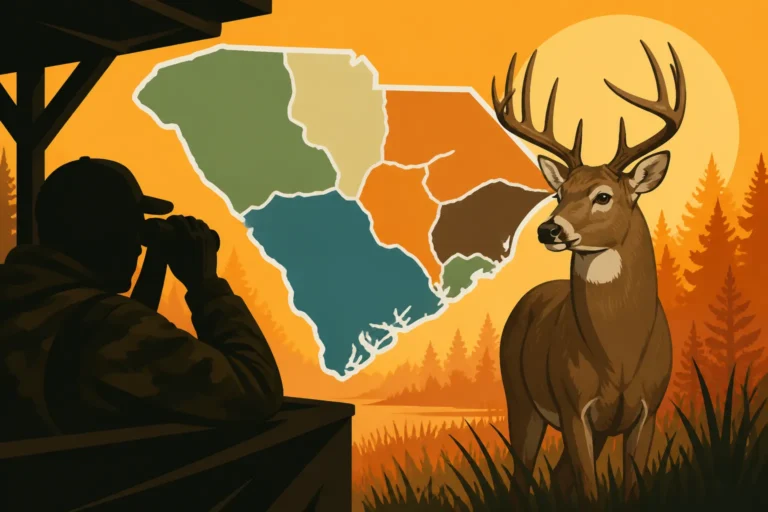
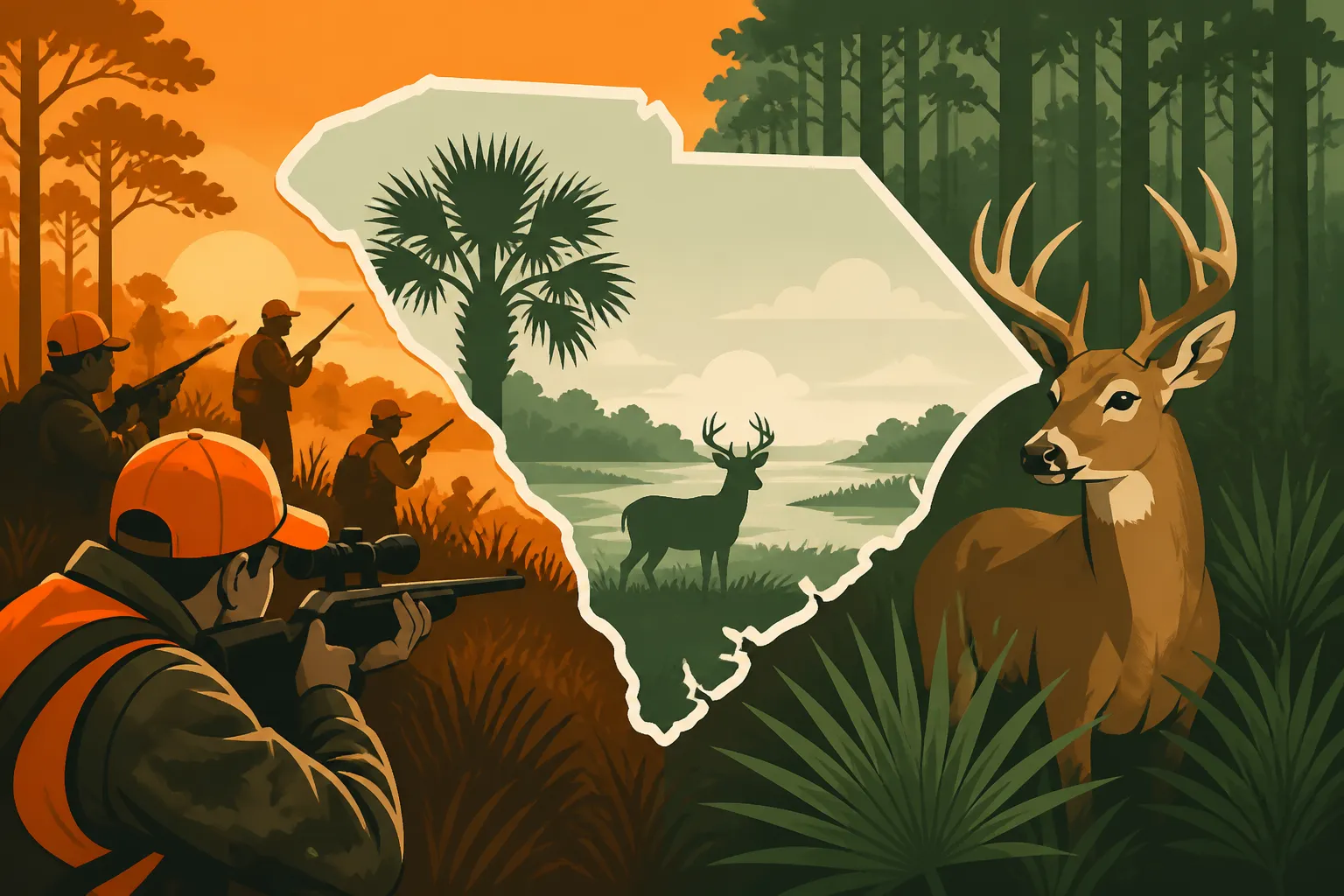
It’s a tale as old as time for many of us who hunt the Palmetto State: you wake up before dawn, drive to your favorite public land spot, only to find three other trucks already parked where you intended to enter. The frustration is real, and it can feel like finding unpressured game on South Carolina’s public land is an impossible task. This guide is all about navigating those crowded waters, understanding why public land can feel so busy, and, more importantly, equipping you with the strategies to find those quiet pockets where deer, turkeys, and hogs haven't been pushed to the next county.
Understanding South Carolina's Public Land Landscape and Pressure Points
South Carolina is a beautiful state, rich in diverse habitats, but like many states with a strong hunting tradition and limited public access compared to some Western states, our public lands can definitely see a lot of boots on the ground. This isn't necessarily a bad thing – it means more people are enjoying the outdoors – but it does mean we have to be smarter about how and where we hunt.
The Reality of High-Visibility Areas
Let's be honest, we all love convenience. A well-maintained dirt road, a designated parking area, a clear path or old logging road leading right into prime-looking timber – these are natural magnets for hunters. But what feels convenient to you also feels convenient to everyone else. Areas within a quarter-mile of easy access points, especially those visible from main roads or trails, are almost always the first to get hammered by hunting pressure.
Think about it: during the "Opening Weekend Crowds on the Coastal Zones", these are the spots that will be packed. People pull up, grab their gear, and head in, often without a lot of deep scouting. They might see a rub line right off the road or fresh tracks in a ditch and assume that's where the action is. While those signs are certainly encouraging, game animals that live consistently near these high-traffic human areas quickly become educated. They learn to avoid daylight movement there, or they'll filter through only under the cover of darkness. It's a fundamental behavior change driven by our presence.
How Hunter Numbers Impact Game Behavior
The presence of hunters, even just the scent left behind or the sound of an ATV, can dramatically alter how deer, turkeys, and even feral hogs move and behave. When animals feel pressured, their natural instinct is to seek refuge. This means they'll shift to thicker cover, often becoming largely nocturnal. A deer that was active in a clear-cut at dusk one day might be deep in a palmetto thicket or a cypress swamp the next, only emerging after legal shooting light because of persistent human intrusion.
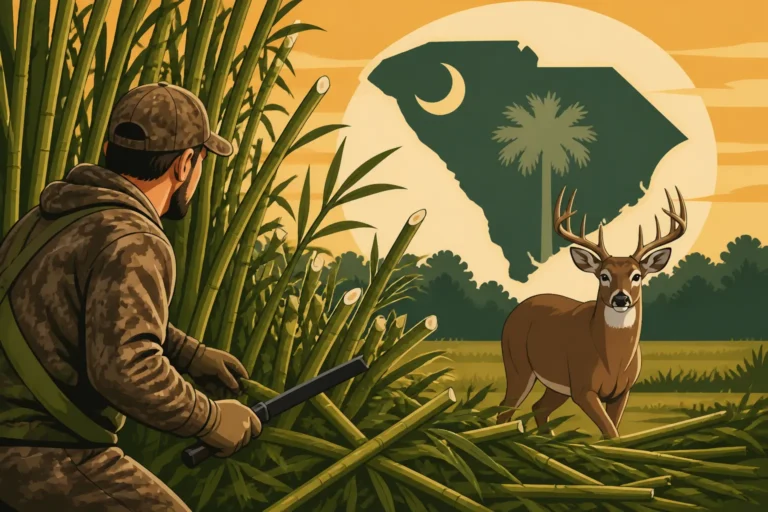
For deer, this often means they’ll bed down in the nastiest, most impenetrable cover they can find – thick briar patches, deep swamps, or dense pine plantations that most hunters wouldn't even consider entering. You might find plenty of fresh "Reading South Carolina Mud for Fresh Deer Movement" from nighttime activity, but seeing those animals during daylight hours becomes a real challenge. Turkeys, notoriously wary birds to begin with, become even more tight-lipped and difficult to call in. They'll often roost further away from roads and fly down into thick cover, avoiding open areas where they feel vulnerable. Hogs, being adaptable and intelligent, will simply go completely nocturnal or burrow into the densest canebrakes, making them incredibly difficult to locate. It’s a constant chess match, and the more pressure they face, the better they get at playing.
Strategies for Escaping the Crowds and Finding Unpressured Game
So, if everyone else is heading for the easy spots, what's a dedicated hunter to do? The answer, like most things worth doing in the outdoors, often involves a bit more effort and a willingness to deviate from the obvious path.
Going Deeper and Off the Beaten Path
This is arguably the most effective strategy for finding unpressured game: walk further. Most hunters, statistically speaking, don't venture much beyond a quarter to half-mile from their vehicle. If you're willing to put in the legwork and push past that invisible barrier, your odds of finding undisturbed animals increase exponentially. This means lacing up those boots and really committing to a longer trek.
Consider areas that require crossing small creeks, navigating dense thickets, or hiking up and down rolling terrain that might deter others. How far is too far? Well, the further you go, the less company you'll have. Using reliable mapping applications, such as those offered by GoHunt, can be a game-changer here. These tools allow you to study satellite imagery and topographic maps from home, identifying natural barriers and remote pockets that might hold deer. You can effectively answer the question "How Far to Walk From a Forest Road" by pre-scouting these maps for pinch points, hidden clearings, or remote water sources. Remember, the goal isn't just distance, but also finding ground that looks less inviting to the casual hunter. This kind of "Scouting South Carolina Public Land Before Season" is invaluable for setting yourself up for success.
Hunting Mid-Week and During Off-Peak Times
Weekends are prime time for hunting, and public lands fill up quickly from Friday afternoon through Sunday. If your schedule allows, hunting on a Tuesday or Wednesday can feel like you have the entire forest to yourself. The woods are quieter, and the animals, having had a couple of days to recover from weekend pressure, might start to revert to more natural movement patterns. This is especially true for morning hunts when deer might still be out and about before the midday lull.
Beyond just weekdays, consider hunting during less popular seasons or specific windows. The early archery season in August and September, for example, can be brutally hot, and many hunters choose to wait for cooler weather. However, if you can adapt your approach with a solid "Warm-Weather Sitting Strategy in South Carolina", you'll face significantly less competition. Similarly, late-season hunts in December and January, when many have filled their tags or focused on other pursuits, can offer fantastic opportunities for those willing to brave the colder (or sometimes still mild) temperatures. Less competition almost always equals higher chances of seeing game.
Focusing on Overlooked Habitat and Small Pockets
While everyone is fighting for a spot in that big oak flat or along that well-known field edge, truly successful public land hunters are often keying in on areas others deem undesirable. These are the "nasty" spots: the thick, swampy bottomlands, the dense pine thickets that look impossible to walk through, the small, isolated islands of timber surrounded by open agricultural fields, or even overlooked creek bottoms that act as natural travel corridors.
Animals, especially pressured ones, know where they are safe. A small, overlooked patch of thick palmettos next to a busy highway might hold a mature buck simply because no one bothers to hunt it. These "micro-sanctuaries" are goldmines. Use your mapping apps, like GoHunt's advanced layers, to identify these isolated cover patches or linear features like small creek beds that connect larger blocks of timber. Learning how to identify and hunt a "Hunting a Funnel Between Two Swamps" or to focus on "Working a Creek Bottom for Late-Season Deer" can lead to consistent success where others only find frustration. These often require a bit more effort to access and hunt effectively, but the reward is usually worth it.
Leveraging Technology and Advanced Scouting to Outsmart Pressure
In today's hunting world, technology isn't just a convenience; it's a vital tool for gaining an edge, especially on public land. Using modern mapping and communication tools can transform how you approach pressured areas.
Utilizing Mapping Apps for Remote Access
Modern mapping applications are arguably the greatest equalizer for public land hunters. Services like GoHunt allow you to zoom in with incredible detail, showing property lines, topographic contours, vegetation types, and even potential access points that aren't marked on official WMA maps. This means you can virtually scout countless acres from your couch, identifying remote fingers of timber, hidden swamps, or overlooked saddles that might be a mile from the nearest parking spot.
You can trace potential entry and exit routes, mark possible stand locations, and even identify subtle changes in elevation that could funnel deer. This is far more efficient than aimlessly wandering the woods. With these apps, you can determine how to get into a spot without disturbing large areas or crossing private land. Even when you're deep in the woods, having your phone loaded with the Go Outdoors SC app can ensure you know exactly where you are relative to property lines and WMA boundaries, even "Using Go Outdoors SC Without Cell Service" if you download maps offline. Utilizing premium features like those found on GoHunt, which can overlay specific land ownership details, can ensure you're always on public ground while identifying adjacent unpressured zones. This also helps you understand how deer might be moving from private land sanctuaries onto public ground.
Interpreting Sign and Adjusting to Pressure
On heavily pressured public land, you'll still find deer sign – tracks, rubs, scrapes – but interpreting what that sign means becomes critical. Fresh sign doesn't automatically mean a deer will be there during daylight. You need to become an expert at discerning fresh daylight activity from purely nocturnal movement. Look for tracks that overlap dew or frost, or rubs that are still dripping sap. Pay attention to how far from thick cover the sign is.
When pressure is high, deer often become more predictable in their use of cover and their travel routes between bedding and feeding areas. They'll stick to the thickest edges, use deep ravines, or follow the paths of least resistance through dense vegetation. Instead of looking for a deer in an open field, focus on the transition zones and the thick, protective cover they'll use to get there. Knowing how to adapt your tactics, such as learning to effectively use "Reading a Ridge for Upstate Deer" to understand subtle deer movements or identifying "Finding Ground Others Walk Past" that offers better cover, is key. If you consistently spook deer from a particular area, it's a sign that your approach needs to change, or that you need to find another spot.
Ethical Considerations and Respecting Fellow Hunters
Hunting public land is a shared privilege, and it comes with a responsibility to uphold ethical standards and foster a respectful environment for everyone. Ignoring these can lead to frustration for all involved and even detract from the quality of the hunting experience.
Maintaining Fair Chase and Hunter Etiquette
One of the most common sources of conflict on public land is encroachment. It's an unwritten rule that if someone is already set up in a spot, you move on. This means being observant for other vehicles at parking areas, walking in quietly, and listening for sounds of other hunters. If you encounter another hunter, a polite wave and a wide berth are always the best approach. Don't crowd someone's stand, especially if they were there first. This includes being mindful of where you might hang a stand, understanding that even if it's legally permissible, common courtesy should dictate distance from another hunter.
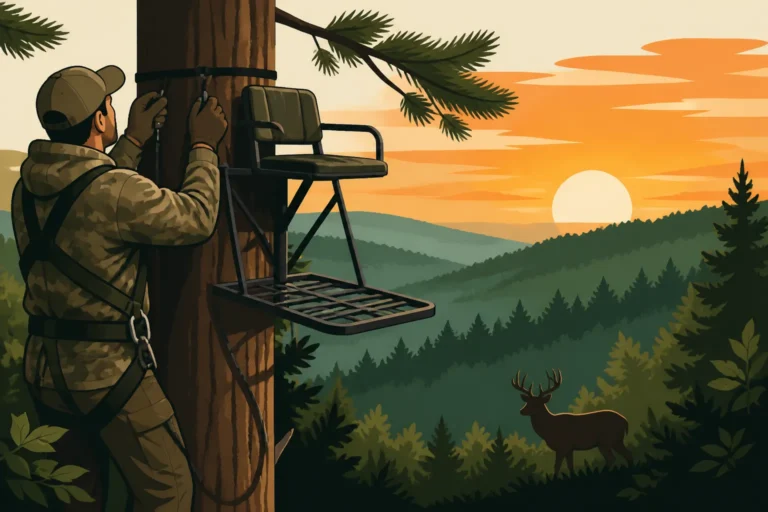
Similarly, when scouting or hunting, try to minimize your impact. Avoid leaving trash, cutting new trails unnecessarily, or disturbing the natural environment more than required. If you're using a treestand, make sure you understand and adhere to the "Treestand Rules on South Carolina Public Land", which often dictate how long a stand can be left up and how it must be marked. The goal is to leave the area as good, if not better, than you found it, preserving the experience for the next person and for future generations of game animals.
Understanding South Carolina Public Land Rules
Ignorance of the rules is never an excuse, and on public land, regulations are often more stringent and specific than on private land. Each Wildlife Management Area (WMA) or National Forest segment might have unique rules regarding hunting days, specific species allowed, weapon restrictions, or even entry and exit requirements. It's your responsibility to know these rules inside and out.
Before heading out, always check the SCDNR regulations guide for the specific WMA or National Forest you plan to hunt. The Go Outdoors SC website and app are excellent resources for this, providing up-to-date information on seasons, bag limits, and specific WMA rules. For instance, knowing the "South Carolina WMA Permit Requirements" is non-negotiable, as is understanding specific turkey hunting rules like "South Carolina WMA Turkey Rules". A simple permit check or a quick review of the regulations can prevent a costly fine or, worse, a negative interaction with a fellow hunter or game warden. Being a responsible public land hunter means respecting both the game and the rules that govern our shared resources.
Disclaimer
Please note: Hunting regulations and seasons in South Carolina are subject to change. Always consult the most current South Carolina Department of Natural Resources (SCDNR) regulations guide before engaging in any hunting activities. This content is for informational purposes only and does not constitute legal advice or endorsement of any specific product or brand.