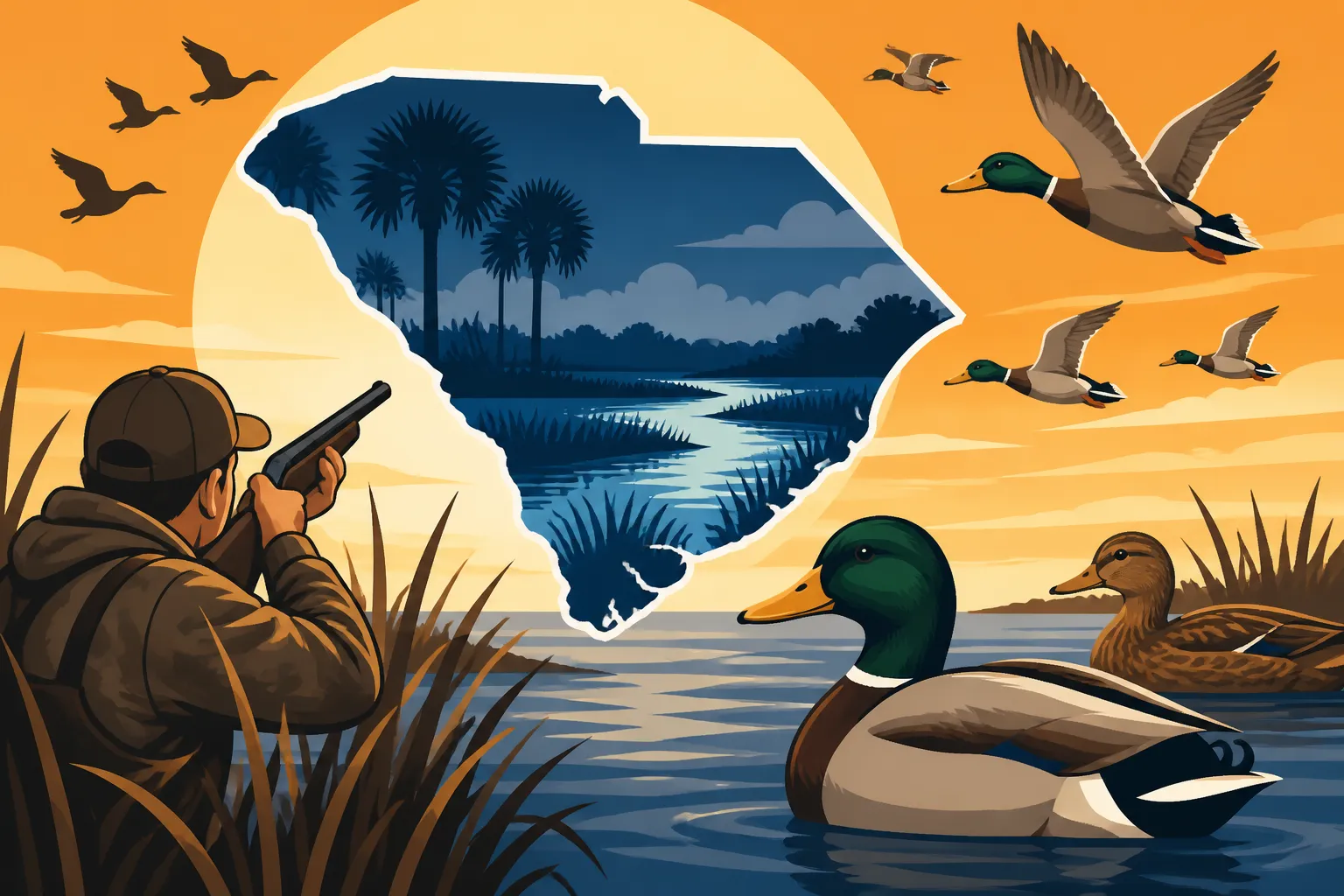
How Many Ducks Winter in the ACE Basin
If you've ever spent time in the ACE Basin during the colder months, watching the skies fill with the frantic wingbeats of ducks, you've probably asked yourself: "Just how many ducks actually winter here?" It’s a question that hints at the incredible scale of the Atlantic Flyway migration and the sheer importance of this South Carolina treasure. Trying to pin down an exact, unchanging number is like trying to count individual raindrops in a thunderstorm, but what we can explore are the significant factors that make the ACE Basin a waterfowl magnet, the incredible diversity of species that rely on it, and the best estimates we have for these fluctuating populations. This guide will take a deep dive into the fascinating world of South Carolina's wintering ducks in the ACE Basin.
The ACE Basin: A Waterfowl Sanctuary and Migratory Hub
The Ashepoo, Combahee, and Edisto (ACE) Basin, named for the three rivers that define its boundaries, is a sprawling, vital estuarine system along South Carolina's coast. For centuries, this region has been shaped by the ebb and flow of tides and, perhaps more significantly, by human hands that once sculpted it into an empire of rice plantations. Today, those same historical impoundments, along with vast expanses of tidal marshes, cypress-tupelo swamps, and managed wetlands, create an irresistible haven for millions of migratory birds, particularly ducks, making it one of the most significant waterfowl wintering grounds on the Atlantic Flyway.
What makes this area so profoundly attractive to ducks? It boils down to a perfect storm of abundant food resources, diverse habitat types offering both feeding and resting security, and its strategic location along a major migratory pathway. Ducks arriving from breeding grounds far to the north are exhausted and need to replenish their energy reserves, and the ACE Basin provides that in spades. From the rich submerged aquatic vegetation in brackish waters to the flooded agricultural fields brimming with waste grain, there’s a smorgasbord for every palate. The sheer acreage of protected and managed lands, including state wildlife management areas (WMAs) and national wildlife refuges, means there's always a safe place for them to rest, loaf, and escape hunting pressure. It’s a truly unique ecological crossroads, and understanding its geography is key to grasping the numbers of birds it supports. For more insight into this incredible area, check out Hunting the ACE Basin.
Why Ducks Flock to the ACE Basin for Winter
Ducks are driven by instinct and necessity, and their decision to winter in a particular location is primarily dictated by two things: food and safety. The ACE Basin excels at both. The complex network of brackish and freshwater marshes, old rice fields, and forested wetlands provides an incredible mosaic of habitat types. Different species of ducks have different dietary preferences—some are dabblers, tipping up in shallow water for seeds and invertebrates, while others are divers, plunging deep for aquatic plants and shellfish. The ACE Basin caters to them all.
Consider the old rice fields, many of which are now actively managed impoundments. These fields are purposefully flooded in the fall, providing shallow, nutrient-rich feeding grounds. They often contain a mix of natural vegetation and cultivated crops like millet or corn, which are absolute magnets for dabbling ducks like mallards and pintails. These managed wetlands are carefully controlled, allowing managers to draw down water in the spring to promote the growth of desired food plants, then reflood in the fall to make that food accessible. Beyond these managed areas, the natural tidal marshes offer an endless buffet of seeds, tubers, and aquatic invertebrates, critical for species such as green-winged teal and gadwall. The deeper waters of the rivers and large open bays offer refuge and feeding for diving ducks, particularly when colder temperatures farther north freeze over their usual haunts.
Furthermore, the relatively mild South Carolina winter climate plays a huge role. While northern states might see their waters freeze solid, locking away food sources, the ACE Basin rarely experiences prolonged freezes that would make foraging impossible. This reliability makes it a crucial stopover and wintering ground, providing a stable environment for birds that have traveled thousands of miles. This predictability, combined with the sheer abundance of resources, is why you see such a concentrated effort of birds here. The dynamics of their arrival are tied closely to South Carolina Waterfowl Migration Timing, which sees waves of birds descending upon the region as cold fronts push them south.
The Dynamics of Counting Wintering Waterfowl
Trying to put an exact number on how many ducks winter in the ACE Basin is a bit like trying to photograph lightning—you know it’s there, you see its effects, but catching it perfectly is fleeting and challenging. The truth is, there isn't one single, static number. Waterfowl populations are dynamic, constantly shifting based on a myriad of factors, and the numbers present in the ACE Basin can fluctuate dramatically from week to week, let alone year to year.
One of the primary methods for estimating waterfowl populations is through aerial surveys conducted by wildlife agencies like the South Carolina Department of Natural Resources (SCDNR) and the U.S. Fish and Wildlife Service. These surveys involve flying fixed routes over known waterfowl habitats, with observers counting birds by species. However, even these surveys come with limitations. Ducks are often hidden in thick marsh vegetation or dense timber, making them difficult to spot from the air. Weather conditions can impact visibility, and the birds themselves move around within the basin, making it tough to get a precise, comprehensive snapshot. A flock counted in one impoundment on Monday might be in another WMA ten miles away by Wednesday.
Factors beyond the ACE Basin itself also heavily influence the numbers. The success of the breeding season up north, water conditions on other parts of the flyway, and the severity of winter weather elsewhere all play a part. If there's abundant open water and food further north, some birds might not push all the way down to South Carolina. Conversely, a harsh winter in the mid-Atlantic can send a massive influx of birds south, causing numbers in the ACE Basin to swell. It's a complex, interconnected system, and wildlife biologists are constantly working to understand these ebbs and flows. Hunters often contribute invaluable anecdotal observations to these efforts, noting changes in species composition or overall numbers they encounter in the field.
Key Duck Species Making the ACE Basin Their Winter Home
The ACE Basin hosts an impressive array of duck species, each with its own preferences for habitat and diet within this diverse ecosystem. While some species are consistently abundant, others might show up in smaller numbers or be more transient visitors. Understanding which ducks frequent the area gives us a better picture of the basin's ecological health and its capacity to support a broad spectrum of waterfowl.
Dabbling ducks are typically the most numerous, thriving in the shallow, food-rich waters of the managed rice impoundments and natural freshwater marshes. Mallards and Wood Ducks in the ACE Basin are iconic examples, with wood ducks being particularly prevalent in the forested swamps and along the heavily vegetated creek banks. Other common dabblers include green-winged teal, gadwall, and pintails, often seen feeding in vast sheets across open water. Diving ducks, while generally less numerous than dabblers in the overall ACE Basin count, are also present, preferring the deeper, more open waters of the rivers, tidal creeks, and larger bays. Species like scaup, canvasbacks, and ring-necked ducks find their niche here, often congregating in large rafts.
Common Duck Species Wintering in the ACE Basin
To give you a better idea of the primary players, here's a look at some of the key duck species you're likely to encounter, along with their preferred habitats in the ACE Basin and a general idea of their presence.
| Species | Primary Habitat in ACE Basin | General Abundance | Key Characteristics in SC |
|---|---|---|---|
| Mallard | Managed impoundments, flooded fields, freshwater marshes | Abundant | The most recognizable duck, often found in large numbers, feeding on seeds and waste grain. |
| Wood Duck | Forested swamps, cypress-tupelo sloughs, heavily vegetated creek edges | Abundant | Often seen flying through timber, nesting in tree cavities; feeds on acorns, seeds, and insects. |
| Green-winged Teal | Shallow freshwater marshes, muddy edges of impoundments | Common to Abundant | Small, agile, fast-flying; feeds on small seeds and invertebrates in very shallow water. |
| Gadwall | Brackish and freshwater marshes, managed impoundments | Common | Often found in diverse groups; feeds heavily on submerged aquatic vegetation. |
| Northern Pintail | Open, shallow impoundments, tidal flats | Common to Less Common | Elegant, long-necked dabbler; prefers open areas for feeding on seeds and tubers. |
| Blue-winged Teal | Shallow freshwater marshes, managed impoundments | Common (early season) | Often among the first to arrive and last to leave in migratory pushes; feeds on seeds and invertebrates. |
| Shoveler | Shallow, nutrient-rich impoundments, muddy ponds | Common | Distinctive large bill for filtering small organisms from the water. |
| Ring-necked Duck | Deeper freshwater ponds, flooded timber | Common | A diving duck often found in dense groups; feeds on seeds and aquatic insects. |
| Lesser Scaup | Larger open water bodies, deeper impoundments, estuaries | Common (coastal) | A diving duck, often in large rafts; feeds on mollusks and aquatic insects. |
| Canvasback | Deeper impoundments, open tidal creeks, large bays | Less Common | Large diving duck; particularly fond of wild celery and other robust aquatic vegetation. |
| Hooded Merganser | Wooded swamps, freshwater ponds, tidal creeks | Common | A fish-eating diving duck, often solitary or in small groups; distinctive crested head. |
This table only scratches the surface, of course. You might also spot American Wigeon, Black Ducks, Ruddy Ducks, and various other waterfowl making their way through or settling in for the winter. Each species adds to the rich tapestry of birdlife that makes the ACE Basin such an incredible place.
Historical Context and Conservation Efforts
The ACE Basin’s significance as a waterfowl haven is not a new phenomenon; it’s deeply rooted in the region's history, particularly its past as a major rice-producing area. From the 17th to the 19th centuries, enslaved Africans developed and maintained an intricate system of dikes, canals, and water control structures that transformed the coastal plain into vast rice plantations. While the rice industry eventually declined, these man-made impoundments remained, providing ready-made, albeit unmanaged, wetland habitats. Ducks, ever opportunistic, quickly adopted these abandoned fields as prime foraging grounds.
However, the 20th century brought new challenges, including habitat loss due to development and changing land use. Recognizing the immense ecological value of the ACE Basin, a concerted conservation effort began in the 1980s. The ACE Basin Task Force, a partnership of state, federal, and private organizations including SCDNR, U.S. Fish and Wildlife Service, The Nature Conservancy, and Ducks Unlimited, was formed. Their mission was to protect the basin’s rich natural resources through voluntary conservation easements and strategic land acquisitions. This effort has been incredibly successful, resulting in the protection of over 300,000 acres of land within the basin. These protected lands ensure that critical habitats, including those vital rice impoundments, remain intact and are actively managed for the benefit of waterfowl and other wildlife.
Managing for Migratory Birds
Modern waterfowl management in the ACE Basin focuses on providing high-quality habitat throughout the wintering season. This includes careful water level manipulation in impoundments to encourage the growth of preferred food plants and make them accessible to feeding ducks. Prescribed burning, invasive species control, and timber management in forested areas also play a role in maintaining a healthy ecosystem. These actions are crucial for sustaining the populations of ducks that visit year after year. For example, ensuring a consistent supply of acorns in the forested wetlands is vital for wood ducks, while managing water depths for submerged vegetation benefits gadwall and scaup.
Conservation efforts aren't just about land protection; they also involve robust monitoring and research. SCDNR and other partners conduct bird banding, population surveys, and habitat assessments to inform management decisions. This data helps biologists understand population trends, migration patterns, and the overall health of the waterfowl resource. Hunters also contribute significantly to these efforts, both through their participation in annual harvest surveys and by purchasing hunting licenses and federal duck stamps, which provide crucial funding for conservation. The commitment to understanding and preserving this ecosystem is what allows the ACE Basin to continue to be a vital stopover on South Carolina Waterfowl on the Atlantic Flyway.
Hunting Pressure and Sustainable Harvest in the ACE Basin
The ACE Basin is a beloved destination for waterfowl hunters, drawing enthusiasts from across South Carolina and beyond. This popularity means that hunting pressure is a significant factor, but it's one that is carefully managed to ensure sustainable populations for future generations. Hunting here is not a free-for-all; it operates under strict regulations designed to balance recreational opportunity with conservation.
Wildlife managers carefully set bag limits and season dates for species like those outlined in South Carolina Duck and Goose Bag Limits. These limits are based on continental population estimates, breeding success, and local conditions, ensuring that harvest levels remain sustainable. For example, if a particular species has had a poor breeding year, its bag limit might be reduced across the flyway, including in the ACE Basin.
Many of the prime waterfowl areas within the ACE Basin are managed by SCDNR as Wildlife Management Areas (WMAs) or are part of the National Wildlife Refuge System. These public lands often implement additional restrictions, such as quota hunts, limited access days, or specific hunting zones, to distribute pressure and prevent overharvest. This strategic management creates a quality hunting experience while ensuring that large portions of the basin can serve as crucial sanctuary areas where ducks can rest undisturbed. For those looking to hunt, understanding the local rules and seasons, such as those covered in South Carolina Waterfowl Zones and Seasons, is paramount.
The Role of Responsible Hunting and Technology
Responsible hunting practices are essential for sustainable harvest. This means respecting bag limits, identifying targets accurately to avoid shooting protected species, and minimizing disturbance to unhunted areas. Hunters who are educated about waterfowl biology and conservation contribute directly to the health of the resource.
In today’s world, technology also plays a role in helping hunters make informed decisions, which indirectly aids in distributing pressure. Tools like the GoHunt app or website, for instance, can provide hunters with valuable information about WMA boundaries, public access points, and even historical satellite imagery of specific impoundments. While it doesn't give real-time duck counts (which don't exist in a reliable form for individual properties anyway), it can help hunters scout potential areas, plan their trips efficiently, and avoid unknowingly trespassing on private lands. This can lead to a more dispersed hunting effort across the vast basin, rather than concentrating everyone in a few known hotspots. Similarly, understanding the regulations specific to Hunting Coastal Marsh Waterfowl or Layout Blind Hunting Lowcountry Rice Fields ensures hunters are operating within legal and ethical boundaries.
Community Involvement and Conservation Funding
Beyond individual actions, the hunting community as a whole is a powerful force for conservation. Organizations like Ducks Unlimited, Delta Waterfowl, and local hunting clubs often partner with state agencies and private landowners to fund and implement habitat restoration projects within the ACE Basin. These projects, such as repairing dikes, planting waterfowl food crops, or creating nesting islands, directly enhance the basin’s capacity to support wintering ducks.
Every hunting license, federal duck stamp, and state migratory bird permit purchased by hunters contributes directly to conservation funding. These funds are vital for maintaining public hunting lands, conducting research, and enforcing wildlife laws. Without this significant financial input from hunters, many of the conservation successes seen in the ACE Basin would not be possible. It's a testament to the fact that hunters are, and always have been, some of the most dedicated conservationists.
Estimating the Numbers: What We Know and Don't Know
So, after all this, can we put a definitive number on how many ducks winter in the ACE Basin? The most honest answer is: it varies, and it’s always an estimate. There isn't a continuous, real-time counter that tracks every duck coming and going. However, based on decades of aerial surveys, ground observations, and habitat assessments, wildlife biologists can provide ranges and general trends.
On any given day during the peak wintering months (roughly November through February), it’s safe to say that the ACE Basin can hold tens of thousands of ducks. In years with excellent breeding success up north and favorable migration conditions, that number can easily swell to hundreds of thousands across the entire basin. It's not uncommon for individual managed impoundments or large marsh complexes to host several thousand birds at a time. The sheer spectacle of thousands of ducks rising off the water at dawn or descending into a protected impoundment at dusk is proof of these significant numbers.
What we do know with certainty is that the ACE Basin is consistently one of the most important wintering areas on the Atlantic Flyway, supporting a substantial portion of the flyway’s duck population. The relative numbers of different species will shift annually, and even daily, depending on food availability, weather fronts pushing birds around, and local hunting pressure.
The Value of Hunter Observation and Reporting
While official surveys are critical, the observations of hunters on the ground are also incredibly valuable. Hunters spend countless hours in the field, witnessing firsthand the populations and behaviors of ducks. Many state agencies encourage hunters to report their harvests accurately, through systems like South Carolina's Game Check, which helps track trends in South Carolina Duck Harvest Numbers. This data, combined with wing samples collected from harvested birds, provides critical insights into age ratios, species distribution, and overall population health.
Beyond formal reporting, anecdotal information shared within the hunting community helps paint a more complete picture. Discussions on forums or amongst hunting buddies often highlight areas with strong bird numbers or, conversely, areas where birds seem sparse. While not scientific data, these collective observations contribute to a general understanding of the seasonal waterfowl presence. Modern platforms and communities, like those found through GoHunt, sometimes facilitate these discussions, allowing hunters to share their experiences and observations, adding another layer to the collective knowledge about migratory patterns and concentrations within regions like the ACE Basin.
The Bottom Line for Wintering Ducks
The specific number of ducks wintering in the ACE Basin remains a dynamic target, not a fixed statistic. However, the consistent presence of robust populations underscores the basin's irreplaceable role in waterfowl conservation. It's a testament to its unique geography, historical land use, and, critically, the ongoing efforts of conservationists, landowners, and hunters. When you apply for a South Carolina Federal Duck Stamp Requirement or consider your South Carolina Duck Daily Bag Limit, remember that you're directly contributing to the continuation of this incredible natural phenomenon.
So, the next time you watch a squadron of pintails bank over a Lowcountry marsh, or hear the distinctive chatter of a flock of mallards in a flooded impoundment, know that you are witnessing a vital chapter in the epic journey of North American waterfowl. The ACE Basin is not just a place where ducks happen to be; it's a place where they thrive, thanks to a delicate balance of nature and dedicated human stewardship.
Disclaimer
This article is for general informational purposes only and does not constitute professional advice. Laws, prices and regulations vary by location and change over time. Consult a qualified professional for guidance on your specific situation.