South Carolina Duck Daily Bag Limit
There’s nothing quite like a crisp South Carolina morning, the smell of marsh mud, and the distant whistle of wings overhead. You’ve put in the work, scouted your spot, perhaps even set up your decoys perfectly. But as those birds start to commit, a tiny voice in the back of your head starts to whisper: "What's the exact limit on these guys?" It can be incredibly frustrating to hit the blinds, call in some birds, and then realize you're not entirely sure about the precise daily bag limit for every species you might encounter. Regulations change, and nobody wants to inadvertently break the law or miss out on a legal bird. This guide will meticulously break down the South Carolina duck daily bag limits, helping you stay compliant and confident on the water, ensuring your hunt is both successful and legal.
Understanding the General South Carolina Duck Daily Bag Limit
Hunting ducks in South Carolina is a truly unique experience, whether you're navigating the sprawling marshes of the Lowcountry or jump-shooting small creeks further inland. But before you even think about loading up, you need to understand the foundational rules that govern your harvest. It's not just about a single number; it's a layered system designed to protect specific species while allowing hunters to enjoy the abundant waterfowl resources.
The Overall Daily Aggregate Limit
When you first glance at the regulations, you’ll typically see an overarching daily limit for ducks. For most of the past several seasons, this has been a total of six ducks per hunter per day. This sounds simple enough, right? Just six ducks, any ducks. Well, not quite. This "aggregate limit" is the ceiling – you cannot shoot more than six ducks in total, regardless of species. However, within that six-duck total, there are far more restrictive sub-limits on certain species. Think of it like a puzzle: you have six pieces, but some pieces can only be specific colors, and you can only have so many of each color.
This aggregate limit is a crucial starting point. Let’s say you’re having an incredible morning and you’ve already harvested three mallard drakes, two gadwall, and a green-winged teal. You’re at your six-duck aggregate limit, and your hunt is over for the day, even if you haven't hit the individual species limits for all of those birds. It's the total tally that counts first and foremost. Many new hunters, or even seasoned veterans who haven't reviewed the digest recently, can get tripped up by only remembering the aggregate and forgetting the crucial species-specific nuances. Always keep that "six-bird total" in mind as your ultimate stopping point for the day.
Why Aggregate Limits Exist
The concept of an aggregate limit isn't just about making things complicated for hunters; it's a vital tool for wildlife management and conservation. Waterfowl populations are managed collaboratively by federal agencies, like the U.S. Fish and Wildlife Service, and state agencies, such as the South Carolina Department of Natural Resources (SCDNR). The aggregate limit serves several key purposes. Firstly, it helps distribute the harvest pressure across various species. While some duck populations are robust and can sustain higher harvest rates, others are more sensitive or have faced greater challenges with breeding or habitat. By capping the total number, it prevents a situation where hunters might exclusively target one or two abundant species, leading to localized overharvest, even if specific limits aren't exceeded.
Secondly, it's a conservation measure rooted in the North American Waterfowl Management Plan, ensuring the long-term health and sustainability of all duck species. These limits are adjusted annually based on complex data including breeding population surveys, habitat conditions, and prior year harvest statistics. When you see a regulation like the six-duck aggregate, it's the result of extensive scientific study and strategic planning to ensure that future generations can also enjoy Waterfowl Hunting South Carolina's Coast. It’s a collective responsibility we all share as hunters to respect these limits and contribute to the health of the resource. Knowing the why behind the rules often helps them stick better in your mind when you're out in the field.
Species-Specific Limits: The Devil is in the Details
While the aggregate limit provides the big picture, the individual species limits are where things get truly specific, and frankly, a bit more challenging to remember. These are the restrictions within the six-duck daily aggregate that are designed to protect less numerous or more vulnerable populations. Missing these details can quickly turn a successful hunt into a costly mistake.
Key Restricted Species
This is the most critical section for waterfowlers. Within that six-duck daily aggregate, you'll find strict limitations on several popular and often sought-after species. Pay very close attention to these:
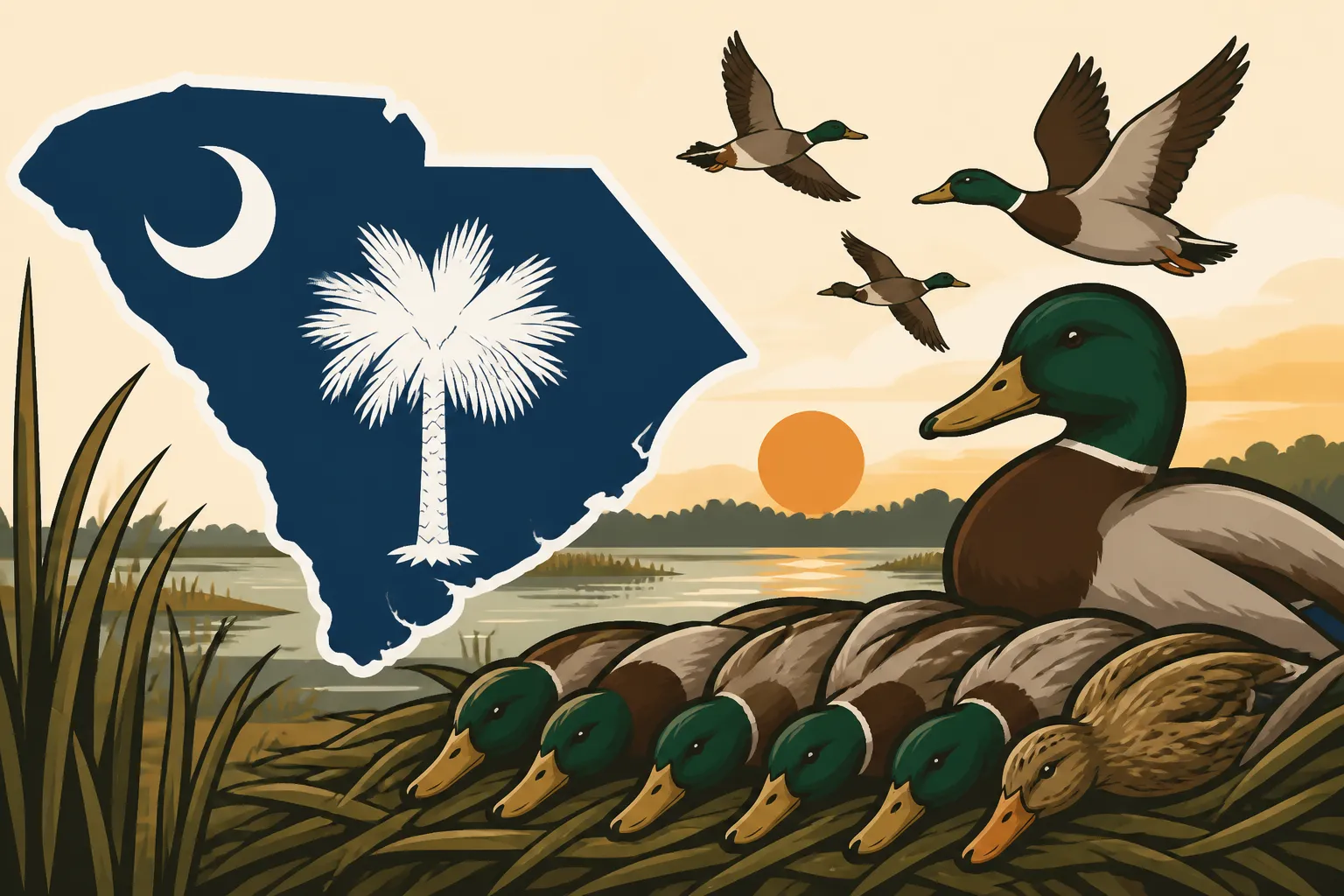
- Mallards: While generally abundant, mallard hens face stricter limits due to their direct role in reproduction. Typically, you can only harvest two mallards per day, and only one of those can be a hen. This is a rule that trips up many hunters, especially those new to duck identification. A mallard drake is unmistakable with its vibrant green head, but distinguishing a hen from other brown ducks requires a keen eye. You might be Hunting Flooded Timber for Mallards where they are plentiful, but still, only one hen.
- Black Ducks: These beautiful, wary birds are often found in similar habitats to mallards but have seen population declines. The limit for black ducks is usually one per day. Their dark plumage can sometimes be confused with mottled ducks, so positive identification is key.
- Pintails: Known for their elegant profile and challenging flight patterns, pintails also have a restrictive limit, often one per day.
- Canvasbacks: The "king of ducks" for many, canvasbacks are fast flyers and often require specialized hunting scenarios. Their limit is typically two per day.
- Mottled Ducks: Primarily found in the coastal plain, these ducks can be confused with black ducks or even mallard hens. Their limit is usually one per day.
- Scaup (Bluebills): Both greater and lesser scaup limits can fluctuate, sometimes being more generous early in the season and then tightening. Always check the current digest, but often it's two or three per day, with potential early/late season splits.
- Wood Ducks: These stunning ducks are often abundant in South Carolina's wooded swamps and creeks. Their limit is generally three per day, a relatively generous limit, but remember they still count towards your overall six-duck aggregate. When Jump-Shooting South Carolina Creeks for Wood Ducks, it's easy to hit this limit quickly.
It's absolutely essential to be able to identify these birds in flight or on the water before you pull the trigger. If you're unsure, it's always best to let the bird go. Investing in good waterfowl identification guides and spending time distinguishing birds in the wild will pay dividends.
Common Ducks with More Lenient Limits
Beyond the highly restricted species, there are many other ducks that frequently visit South Carolina and often have more flexible daily limits, although they still contribute to that overall six-duck aggregate. These species are generally more numerous or have healthier populations.
- Gadwall: Often called the "gray duck," gadwall are common and typically have no specific daily sub-limit other than the overall six-duck aggregate. You could, theoretically, shoot six gadwall if you wanted to.
- American Wigeon: Recognizable by their white belly and green eye patch on drakes, wigeon are also often only limited by the overall six-duck aggregate.
- Green-winged Teal: These small, swift ducks are a favorite among many hunters. Like gadwall and wigeon, they typically don't have a specific sub-limit and are counted towards the total six.
- Northern Shovelers: With their distinctive large bills, shovelers are also generally limited only by the aggregate.
- Ring-necked Ducks (Ringnecks): Common in many of South Carolina's inland wetlands, ringnecks also tend to have no specific sub-limit within the six-duck total.
- Bufflehead, Ruddy Ducks, Common Goldeneye: These diving ducks also typically fall under the general aggregate without further species-specific restrictions.
This doesn't mean you can ignore them, of course. If you shoot three wood ducks and three gadwall, you've reached your six-duck aggregate for the day. The beauty of these more common species is that they offer flexibility once you've accounted for any restricted birds. For instance, if you've harvested your one black duck, you still have five more spots to fill with a combination of unrestricted birds and any remaining restricted birds (like another mallard drake, if you only shot a hen). This is where a hunting app like GoHunt can be incredibly useful, allowing you to quickly check species limits on your phone while in the field, provided you have service or have downloaded the regulations beforehand.
Here’s a simplified breakdown of typical daily bag limits for common duck species in South Carolina. Always confirm with the current SCDNR regulations as these can change annually.
| Species | Daily Bag Limit (Typical) | Notes |
|---|---|---|
| Overall Limit | 6 ducks | Total ducks, all species combined. |
| Mallards | 2 | No more than 1 hen. |
| Black Ducks | 1 | Highly restricted. |
| Pintails | 1 | Highly restricted. |
| Canvasbacks | 2 | Restricted, often found in larger water bodies. |
| Mottled Ducks | 1 | Coastal plain resident. |
| Scaup (Greater/Lesser) | 2-3 | Can vary (e.g., 2 for first 15 days, 3 for remainder, or vice versa). |
| Wood Ducks | 3 | Common in swamps and wooded areas. |
| Green-winged Teal | No specific limit | Count towards 6-duck aggregate. |
| Gadwall | No specific limit | Count towards 6-duck aggregate. |
| American Wigeon | No specific limit | Count towards 6-duck aggregate. |
| Northern Shoveler | No specific limit | Count towards 6-duck aggregate. |
| Ring-necked Ducks | No specific limit | Count towards 6-duck aggregate. |
Remember, this table is a general guide. The official SCDNR waterfowl digest is your definitive source for the most current regulations.
Beyond the Bag: Possession Limits and Other Crucial Regulations
Understanding the daily bag limit is paramount, but a successful and legal waterfowl hunt in South Carolina involves knowing more than just what you can shoot in a single day. There are other regulations that are just as crucial, especially if you're planning a multi-day trip or hunting a South Carolina Duck Zone Rules that has specific requirements. Ignoring these can lead to fines, confiscation, and even loss of hunting privileges.
Possession Limits Explained
One of the most common pitfalls for waterfowlers, particularly those traveling or hunting for multiple days, is the possession limit. This isn't about how many birds you can shoot in one day, but rather the total number of migratory game birds that can be in your possession at any given time, whether that's in your cooler, freezer, vehicle, or home. For ducks and most other migratory game birds in South Carolina, the possession limit is generally three times the daily bag limit.
Let's break that down with an example. If the daily bag limit for mallards is 2 (only 1 hen), your possession limit for mallards would be 6 (no more than 3 hens). For wood ducks, with a daily limit of 3, your possession limit would be 9. The aggregate possession limit for all ducks would be 18 (3 x 6). This is crucial for hunters who might come down for a long weekend from out of state or simply enjoy multiple hunts in a week. You can't just keep adding to your freezer indefinitely without regard for this limit. If you shoot your six-duck daily limit on a Saturday, and then another six on Sunday, you now have 12 ducks in your possession. If you hunt again on Monday and take another six, you'd be at 18. Any more than that, and you're in violation of the possession limit, even if you harvested them legally on different days. This rule is designed to prevent excessive harvest over a short period and to ensure equitable access to the resource among all hunters. It also helps manage illegal market hunting.
Season Limits and Federal Requirements
Beyond daily and possession limits, there are broader requirements every waterfowl hunter must meet. Firstly, you must have a valid South Carolina hunting license. If you're planning to hunt on any of the state's numerous Wildlife Management Areas (WMAs), you'll also need a South Carolina WMA Permit Requirements in addition to your regular hunting license.
Crucially, because ducks are migratory birds, federal regulations also apply. This means you must possess a Federal Duck Stamp. This stamp, often referred to as the Migratory Bird Hunting and Conservation Stamp, is an annual requirement for all waterfowl hunters 16 years of age or older. The revenue from these stamps directly funds the conservation and acquisition of wetland habitats, which benefits countless species, not just ducks. You also need to be HIP (Harvest Information Program) certified. This is a free certification that registers you with a federal database, providing vital information on migratory bird harvest numbers. Without both your federal duck stamp and HIP certification, you are not legally allowed to hunt ducks in South Carolina. You can often purchase these together when buying your state license, or through the Go Outdoors SC app.
It's also worth noting that South Carolina's waterfowl season dates are divided into different zones, often affecting the timing of your hunts, even if the bag limits remain statewide. For instance, the Coastal Zone might have different season segments than the Inland Zone. Always check the annual digest for these specific South Carolina Duck Zone Rules to ensure you're hunting within legal dates.
Staying Informed: Resources for South Carolina Waterfowlers
Navigating the nuances of duck hunting regulations can feel like a full-time job. With seasonal changes, species-specific restrictions, and federal requirements, staying informed is absolutely crucial for a legal and ethical hunt. Luckily, there are excellent resources available to South Carolina waterfowlers that make this process much easier.
SCDNR Waterfowl Regulations Digest
Your absolute, undisputed, single source of truth for all South Carolina waterfowl regulations is the South Carolina Department of Natural Resources (SCDNR) Waterfowl Regulations Digest. Forget what you heard at the tackle shop or what your buddy told you last year – this digest is the law. It's published annually and contains all the current dates, times, bag limits, possession limits, equipment restrictions, and special conditions for hunting ducks, geese, and other migratory birds in the state.
You can usually pick up a physical copy wherever hunting licenses are sold, such as at a local sporting goods store or even some bait shops. However, the most convenient and up-to-date version is always found online on the SCDNR website. I can't stress this enough: always consult the current year's digest. Regulations, especially for species like scaup or pintails, can change based on migratory patterns and population data. Make it a ritual to review it thoroughly before the season opens, and even keep a digital copy on your phone for quick reference while you’re out in the field. This digest also includes critical information like South Carolina Migratory Bird Certification requirements, making it a truly comprehensive resource.
Digital Tools and Apps for Hunters
In this day and age, technology has become an invaluable aid for hunters, and staying informed about regulations is no exception. While the official SCDNR digest is supreme, several digital tools and apps can supplement your knowledge and make planning your hunt much more efficient.
One highly recommended tool is the Go Outdoors SC app. This app, developed by the SCDNR, allows you to purchase and store your hunting license and permits directly on your smartphone. But it's more than just a digital wallet for your tags; it often provides quick access to regulations and a mapping feature that can help you identify public lands and WMA boundaries. For waterfowlers, having your license, federal duck stamp, and HIP certification all in one easily accessible digital format is incredibly convenient, especially when you're wading through a marsh.
Beyond the official state app, platforms like GoHunt offer advanced mapping and information overlays that can include public land boundaries, habitat types, and even some regulatory summaries. While you should always cross-reference with the official SCDNR digest, these apps can be fantastic for scouting new areas, understanding terrain, and getting a general overview. Imagine sitting in your layout blind for Hunting Coastal Marsh Waterfowl and wanting to quickly double-check a specific species limit you're unsure about. Having GoHunt or the Go Outdoors SC app on your phone (with downloaded maps/regulations if cell service is spotty) can be a real lifesaver. These tools, when used responsibly and in conjunction with official sources, empower hunters to be more informed and prepared.
Connecting with Local Hunting Communities
Never underestimate the power of local knowledge. While official digests and apps provide the rules, local hunting communities offer invaluable practical insights. Joining a local duck hunting club, participating in online forums dedicated to South Carolina hunting, or simply striking up conversations at your local sporting goods store can provide context to the regulations.
Local hunters often know about specific nuances in certain areas, historical trends in bird populations, or practical tips for interpreting regulations in real-world scenarios. They can share insights on how Layout Blind Hunting Lowcountry Rice Fields affects your setup or the best tactics for different species in various habitats. However, a critical caveat: always verify any information you receive from anecdotal sources against the official SCDNR regulations. Misinformation, even well-intentioned, can lead to compliance issues. Think of these communities as a way to learn tips and tricks, but never as your primary source for legal information. Combining robust study of the regulations with local wisdom provides the most complete picture for a responsible and successful waterfowler.
Disclaimer
Please note: Hunting regulations can change annually. While this guide provides comprehensive information based on typical South Carolina regulations, it is your responsibility as a hunter to consult the most current South Carolina Department of Natural Resources (SCDNR) Waterfowl Regulations Digest before heading into the field. This article is for informational purposes only and should not be considered legal advice.