South Carolina Black Bear DNA Tracking Study
Understanding the elusive nature of South Carolina's black bears has always been a fascinating challenge for hunters and wildlife enthusiasts alike. We all want to know more about these incredible animals—where they roam, how many there are, and how their populations are thriving. This comprehensive guide will delve into the critical role of black bear DNA tracking studies in South Carolina, revealing how this cutting-edge science provides invaluable insights into their lives and informs conservation efforts, helping us all appreciate and manage this remarkable species better.
What is a DNA Tracking Study and Why It Matters for SC Bears?
When we talk about wildlife, especially something as secretive and wide-ranging as a black bear, it can feel like trying to solve a puzzle with half the pieces missing. Traditional methods for estimating populations, like sightings or trap-and-release studies, have their limitations. That's where DNA tracking studies come into play—they are a game-changer for understanding these animals on a truly individual level.
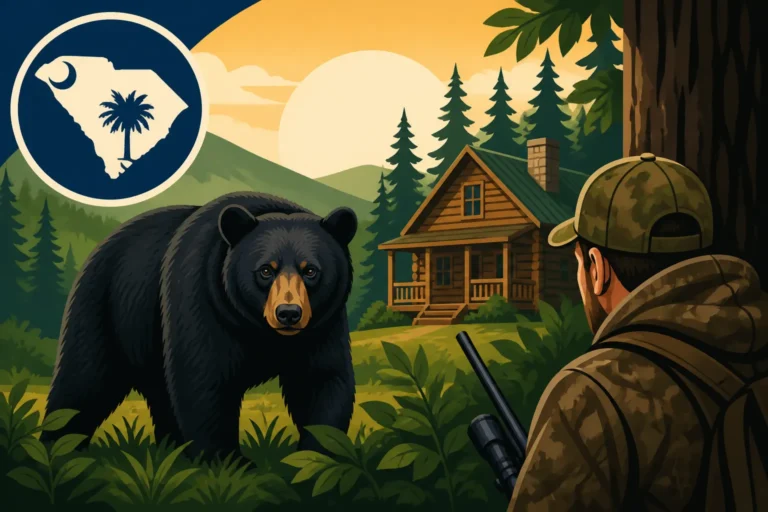
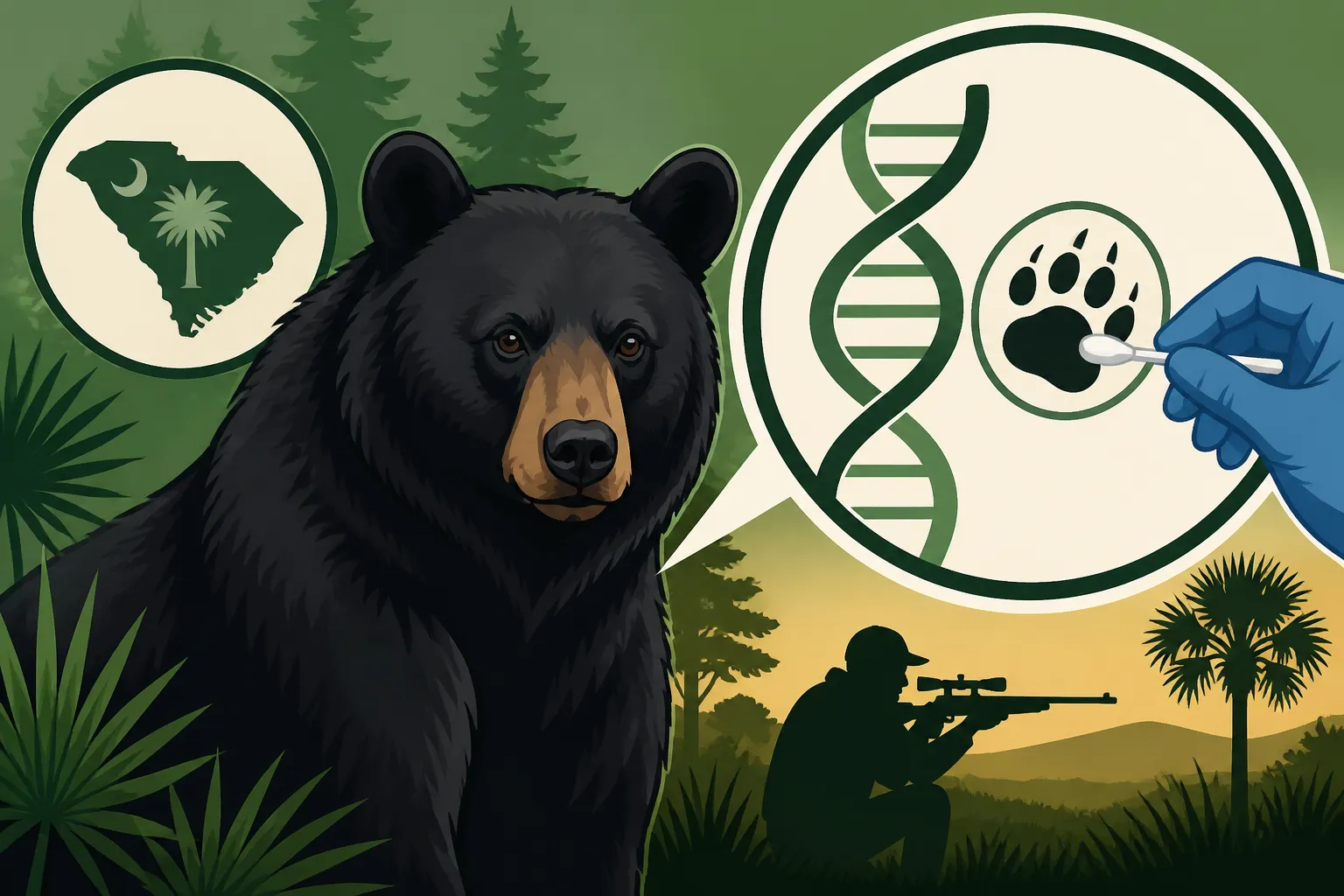
A DNA tracking study, at its core, involves collecting genetic material from wild animals without necessarily having to capture or even see them. Think of it like a biological fingerprint. Every bear leaves behind traces of its unique DNA wherever it goes. By carefully collecting and analyzing these samples, scientists can identify individual bears, track their movements, estimate population sizes, and even determine relationships within the bear community. For South Carolina, with its distinct bear populations in the mountainous Upstate and the sprawling coastal plain, this kind of granular data is absolutely vital. It helps us understand the nuances of South Carolina's Black Bear Population and how it's evolving.
Peeking into the Genetic Blueprint of the Wild
Imagine trying to count every deer in a dense forest, let alone identify if "that buck" you saw last week is the same one you saw yesterday. It's nearly impossible. DNA tracking bypasses this visual limitation. Each bear's DNA is as unique as a human's, offering a reliable way to differentiate between individuals. This isn't just about counting; it's about understanding the health and viability of the population. Are bears moving between the different regions of South Carolina, or are these populations isolated? Genetic diversity is crucial for long-term survival, preventing inbreeding, and ensuring the bears can adapt to environmental changes. Without DNA studies, these questions would remain largely unanswered, leaving wildlife managers to make decisions based on less complete pictures.
For a state like South Carolina, which manages a growing but geographically separated bear population, understanding these genetic connections is paramount. We have bears in the rugged mountains of the Upstate and another distinct population in the vast swamps and maritime forests of the coast. Do these groups ever interbreed? What influences their movements? These are the kinds of questions that a DNA tracking study can answer, guiding crucial conservation decisions and helping us ensure a healthy future for these magnificent animals.
Why Data-Driven Conservation is Essential for South Carolina
The traditional methods of wildlife management often relied on harvest data, anecdotal evidence, and broad assumptions about population dynamics. While these methods have certainly served their purpose, modern conservation demands a higher level of precision, especially when dealing with apex predators like bears. DNA tracking provides that precision. It allows wildlife agencies, like the South Carolina Department of Natural Resources (SCDNR), to move beyond educated guesses and base their management strategies on verifiable scientific data. This is particularly important when considering things like setting appropriate harvest limits, identifying crucial corridors for bear movement, or assessing the impact of human encroachment on bear habitats.
Without this data, managing a species like the black bear becomes a guessing game, potentially leading to over-harvesting in one area or under-protecting critical habitats in another. This scientific approach also helps build public trust, showing that decisions are made not just on tradition or sentiment, but on solid, evidence-based research. Whether you're a hunter carefully planning your season or a landowner concerned about bear activity, having access to accurate, data-driven insights helps everyone make more informed choices. Tools like GoHunt can help hunters visualize and interpret data, even if it's broad population trends derived from such studies, making their planning more effective.
The Mechanics of a South Carolina Black Bear DNA Study
You might be wondering, how do scientists actually go about collecting DNA from a creature that would rather avoid human contact? It's certainly not as simple as asking a bear for a cheek swab! The ingenuity behind collecting bear DNA is fascinating and often involves methods that are non-invasive, meaning they don't require direct contact with the animal. This approach minimizes stress on the bears and allows researchers to gather a wide array of samples over large geographical areas, providing a more accurate picture of the population.
The success of these studies relies heavily on persistence and clever techniques tailored to the bear's natural behaviors. Researchers strategically place collection devices in areas bears are known to frequent, leveraging their natural curiosity and tendency to rub against objects. These methods are designed to be minimally intrusive, ensuring the bears' natural patterns of movement and behavior are not disrupted. Understanding these mechanics helps us appreciate the effort that goes into the valuable data we receive.
Ingenious Methods for DNA Collection in the Wild
One of the most common and effective methods for collecting bear DNA is through hair snares. These typically involve creating a "rub tree" or setting up a barbed wire perimeter around a scent lure (like fermented fish or bacon grease) or an attractant (like an old log with honey rubbed on it). When a bear investigates the lure, it inevitably brushes against the wire or barbed material, leaving behind precious strands of hair. Each hair follicle contains enough genetic material for analysis. These snares are checked regularly, and the collected hair is carefully documented, noting the location and date.
Another key source of DNA is scat samples, or bear droppings. While it might sound a bit unglamorous, scat contains cells from the bear's digestive tract, providing excellent DNA. Researchers learn to identify bear scat, distinguish it from other animals, and then meticulously collect samples. This method is particularly useful because bears naturally deposit scat throughout their territories, giving scientists clues about their movement and diet. Sometimes, tissue samples from harvested bears, collected by hunters in cooperation with SCDNR, also contribute to the DNA database, offering valuable post-mortem information. This broad approach ensures a robust dataset that can truly represent the diversity of the bear population.
From Field to Lab: The Journey of a DNA Sample
Once collected, these hair and scat samples embark on their journey from the field to a specialized genetics lab. The process here is highly meticulous to ensure the integrity of the DNA. First, the samples are cleaned and prepared. For hair, the root bulb is what's important, as it contains the most viable DNA. For scat, specific cells are extracted. Then, the DNA is isolated and amplified, meaning scientists make many copies of specific genetic markers, similar to how forensics teams work with human DNA.
These amplified markers are then run through sophisticated machines that create a unique genetic profile for each sample. If multiple samples from different locations show the exact same genetic profile, researchers know it's the same individual bear. This allows them to map out an individual bear's territory and observe its movements without ever having to physically tag it. This complex lab work transforms seemingly random hair and scat into a treasure trove of information that directly influences our understanding of How Many Black Bears South Carolina Has and where they spend their time.
| DNA Collection Method | Advantages | Disadvantages | Data Insights |
|---|---|---|---|
| Hair Snares | Non-invasive, collects multiple samples from one bear, good for population estimation. | Requires strategic placement, environmental factors can degrade DNA. | Individual identification, population size, density, movement patterns. |
| Scat Samples | Non-invasive, indicates presence and diet, collects digestive cells. | DNA degradation risk, difficult to link directly to individual without other data. | Individual identification, diet analysis, health status, presence/absence. |
| Tissue Samples (from harvested bears) | High-quality DNA, direct confirmation of age/sex if combined with biological data. | Invasive (requires harvest), limited to hunting season and success rates. | Individual identification, genetic health, age structure, movement post-harvest. |
Insights Gained from Bear DNA Research in South Carolina
The true magic of a DNA tracking study isn't just in the collection of samples; it's in the profound insights these samples reveal. For South Carolina's black bears, this research has illuminated aspects of their lives we could only guess at before, offering a scientific lens into their population dynamics, health, and connectivity across diverse habitats. These findings are foundational for effective wildlife management and conservation efforts, painting a clearer picture for hunters and land managers alike.
The data gathered through these studies helps to answer some of the most pressing questions regarding our bear populations. Are the numbers stable, growing, or declining? Are bears successfully dispersing into new areas? Are there any hidden genetic vulnerabilities that could impact their long-term survival? Without the precision of DNA analysis, our understanding would be incomplete, leading to less effective strategies. The ability to identify individual bears and track their movements genetically offers an unparalleled view into their secretive lives.
Unveiling Population Estimates and Movement Patterns
One of the primary benefits of DNA tracking studies is their ability to provide far more accurate population estimates than traditional counting methods. By identifying how many unique genetic profiles are collected within a given area over a specific time, scientists can use statistical models to estimate the total number of bears. This has been instrumental in understanding the actual size and density of South Carolina's black bear populations, especially when considering the significant differences between the Upstate mountains and the coastal lowlands. This data helps to confirm How Many Black Bears South Carolina Has in a much more reliable way.
Beyond just numbers, DNA studies reveal intricate movement patterns. For instance, researchers can track how far young male bears disperse from their birth territories to establish their own, or how female bears maintain their home ranges. This information is critical for identifying potential movement corridors, understanding how habitat fragmentation might impact bear travel, and assessing the degree of interaction between geographically separated bear groups. Imagine seeing a bear hair sample from a fence line near Conway, then another 50 miles away near McClellanville weeks later, confirming it was the same individual. This level of detail empowers wildlife biologists to better protect the pathways bears need to thrive.
Understanding Genetic Health and Connectivity
Perhaps one of the most significant contributions of DNA research is its ability to assess the genetic health of a population. Genetic diversity is like an insurance policy for a species; it ensures there's enough variation within the gene pool for individuals to adapt to diseases, climate change, and other environmental pressures. If a population shows low genetic diversity, it could indicate inbreeding or isolation, signaling a need for conservation intervention. For South Carolina, where the Why the Upstate Holds the Most Bears and Where Coastal Swamp Bears Range populations are distinct, understanding their genetic links (or lack thereof) is crucial. Are these two populations truly isolated, or is there occasional genetic exchange?
DNA studies can confirm if there's gene flow between these separate populations or if they are genetically distinct and isolated. This knowledge directly impacts management decisions. If populations are isolated, measures might be considered to facilitate movement, like preserving certain habitat corridors. The absence of genetic connectivity could mean that while there might be ample bears in one region, they are genetically vulnerable in the long term. This nuanced understanding ensures that conservation efforts aren't just focused on quantity, but on the overall genetic robustness of the species.
Informing Conservation and Management Decisions
The hard data derived from these DNA studies translates directly into actionable conservation and management strategies. When SCDNR knows the true population size, density, and genetic health of the bears, they can make more informed decisions about everything from hunting regulations to habitat protection. For instance, if studies show a healthy, growing population, it might support continued hunting opportunities with appropriate harvest limits. Conversely, if genetic vulnerability is detected, it could trigger measures to enhance genetic diversity.
This information is also vital for understanding South Carolina Bear Harvest Trends and ensuring that hunting remains sustainable. It helps managers determine if the current harvest rates are aligned with population growth and stability, preventing over-exploitation. Furthermore, this scientific backing provides credibility to management plans, helping to educate the public and secure support for conservation initiatives. Organizations that utilize data to empower their members, like GoHunt, can leverage these study insights to provide hunters with highly relevant information about where and how to hunt responsibly, encouraging ethical practices that align with sound wildlife management.
How Hunters and Conservationists Benefit from These Studies
For those of us who spend time in South Carolina's wild places, whether with a bow during Bowhunting South Carolina's Long Archery Season or simply observing nature, the information gleaned from black bear DNA tracking studies offers immense value. This isn't just abstract science; it's practical knowledge that enhances our understanding, improves our hunting strategies, and strengthens our commitment to responsible conservation. When we understand the animals we pursue or admire, we become better stewards of the land and its resources.
These studies create a bridge between scientific research and on-the-ground experience. Hunters, by their very nature, are often the first to notice changes in wildlife populations or behavior. When these observations can be cross-referenced with hard scientific data, it leads to a more comprehensive understanding and ultimately, more effective management. This collaborative spirit between researchers, wildlife agencies, and the public is what truly drives successful conservation in our state.
More Informed Hunting Decisions
Imagine being able to access information that gives you a clearer picture of bear density in your hunting area, or understanding the general movement patterns of bears during different seasons. While DNA studies don't pinpoint individual bears for you to hunt, the aggregate data they provide is invaluable for strategic planning. Knowing that a certain region has a higher density of bears, or understanding typical dispersal routes of younger males, can influence where you focus your scouting efforts or Hunting South Carolina Black Bear Without Bait strategies.
For example, if a study indicates high connectivity between two large tracts of public land, a hunter might predict increased bear movement between them, leading to more strategic stand placement. This data-driven approach moves beyond guesswork, making hunters more effective and ethical. Resources that compile and present this kind of biological information, like those often found on GoHunt, can empower hunters to make more informed decisions, enhancing their experience while promoting sustainable practices. This helps ensure that seasons, whether it's Zone 1 Bear Still-Gun Season Rules or Zone 4 Coastal Bear Season Rules, are managed for long-term health.
Strengthening Conservation Efforts and Public Awareness
For conservationists, DNA tracking studies are a powerful tool for advocacy and action. The concrete data on population numbers, genetic diversity, and habitat use provides undeniable evidence to support calls for habitat protection, corridor preservation, or even adjustments to development plans that might impact bear populations. It moves conservation arguments from emotional appeals to scientifically backed facts, making them far more compelling to policymakers and the public.
Furthermore, these studies raise public awareness about the presence and health of South Carolina's black bears. When people understand that detailed scientific work is being done to protect these animals, it fosters a greater appreciation and willingness to coexist. Education campaigns, often fueled by the clear findings of DNA research, can help reduce human-bear conflicts and promote responsible practices, like proper food storage in bear country. This scientific foundation helps everyone, from urban residents to rural landowners, understand the importance of our black bear populations and how we can all contribute to their well-being. Knowing the data behind Heaviest Bears Killed in South Carolina or even patterns of Bear Denning Behavior allows for more effective conservation strategies.
A Deeper Appreciation for South Carolina's Wildlife
Ultimately, studies like the South Carolina black bear DNA tracking project deepen our collective appreciation for the natural world around us. They pull back the curtain on the hidden lives of these magnificent creatures, allowing us to see them not just as a species, but as individuals navigating complex landscapes. For hunters, this translates into a richer hunting experience, where the pursuit is informed by respect and a deeper understanding of the animal. For non-hunters, it cultivates a sense of wonder and a desire to protect these iconic symbols of our wild heritage.
The ongoing commitment to such scientific research ensures that South Carolina's black bear populations will be managed responsibly for generations to come. It’s a testament to the idea that science and conservation go hand-in-hand, enriching our lives and preserving the wild beauty of our state. Whether you're interested in Hunting Zone 1 Bear Dog Drives or simply observing from a distance, the more we know, the better we can protect.
Disclaimer
This article is for general informational purposes only and does not constitute professional advice. Laws, prices and regulations vary by location and change over time. Consult a qualified professional for guidance on your specific situation.