Hunting Zone 1 Bear Dog Drives
Hunting bear in South Carolina's Zone 1, especially with a dog drive, presents a unique and often demanding challenge. The rugged terrain, dense cover, and the sheer power of a black bear can make for a humbling experience if you're not prepared for the full scope of what's involved. This guide will meticulously walk you through everything you need to know about successfully and ethically participating in a bear dog drive in the challenging mountains of the Upstate's Zone 1.
Understanding South Carolina's Zone 1 Bear Hunting
Before you even consider joining a bear dog drive, it's essential to grasp the unique context of bear hunting in South Carolina's Zone 1. This isn't your typical deer hunt; it's a specialized pursuit that demands a deep understanding of the environment and strict adherence to specific rules.
Distinguishing Zone 1 Bear Habitat
South Carolina's Zone 1, encompassing the mountainous regions of the Upstate, is a world away from the coastal plains many hunters are familiar with. This area features steep topography, dense hardwood forests, and thick rhododendron and mountain laurel thickets that provide ideal cover and forage for black bears. Unlike the lowcountry where bears might raid agricultural fields, Upstate bears are primarily forest dwellers, relying heavily on mast crops like acorns, hickory nuts, and berries. This habitat dictates different hunting strategies, making the use of well-trained hounds not just traditional, but often the most effective way to locate and pursue bears in such formidable terrain. The sheer size of the contiguous forest, part of the Appalachian chain, allows bears to roam widely and develop elusive behaviors, making them a true challenge. For more insight into their environment, you can learn about Where Upstate Mountain Bears Range.
Navigating these mountains requires more than just good boots; it demands an intimate understanding of how bears utilize elevation, water sources, and bedding areas. Ridge tops often serve as key travel corridors, while deep hollers with springs provide crucial water and cooler bedding sites, especially during warmer early season days. Successful dog driving here means anticipating where a bear will go when pushed, and that only comes from intimately knowing the specific area you're hunting. It's not just about turning dogs loose; it's about having a detailed mental map of the terrain and how a bear will react to pressure within it. The more time you spend scouting and observing, the better your chances of success.
Season Dates and Permit Requirements
Before you even think about hitting the woods, you've got to ensure all your paperwork is in order. Bear hunting in South Carolina is a quota-based system, and in Zone 1, you'll find specific dates allocated for still-gun hunting and then a separate, often shorter, window for dog drives. It's crucial to check the current SCDNR regulations annually, as these dates can shift slightly year to year. Generally, Zone 1 bear still-gun season precedes the dog drive season, with the latter typically running for a limited time in October. These seasons are notoriously short, so missing an opening day due to a forgotten permit or misread calendar is a heartbreaking mistake that happens to more hunters than you'd think.
To participate, you'll need a valid South Carolina hunting license, a big game permit, and a special bear tag. These bear tags are limited and must be purchased well in advance, often during specific application periods. Don't assume you can just walk into a store and pick one up the day before the hunt; that's a recipe for disappointment. Non-residents, in particular, face even stricter limitations and higher costs, so planning ahead is paramount. Understanding South Carolina Bear Tag Requirements is critical to avoid any last-minute surprises or legal issues. Failure to possess the correct tags can lead to hefty fines and, worse, the loss of any harvested bear, negating all your hard work and effort. The Go Outdoors SC website is your absolute best friend for staying current on these regulations and purchasing your permits. You can also explore general information on South Carolina's Two Bear Hunting Zones for a broader context.
The Art and Science of Bear Dog Drives
Bear dog drives are a specialized method of hunting, steeped in tradition and requiring a tremendous amount of skill, patience, and cooperation. It's truly an art form passed down through generations, combined with modern scientific approaches to tracking and animal behavior.
Selecting and Training Your Bear Hounds
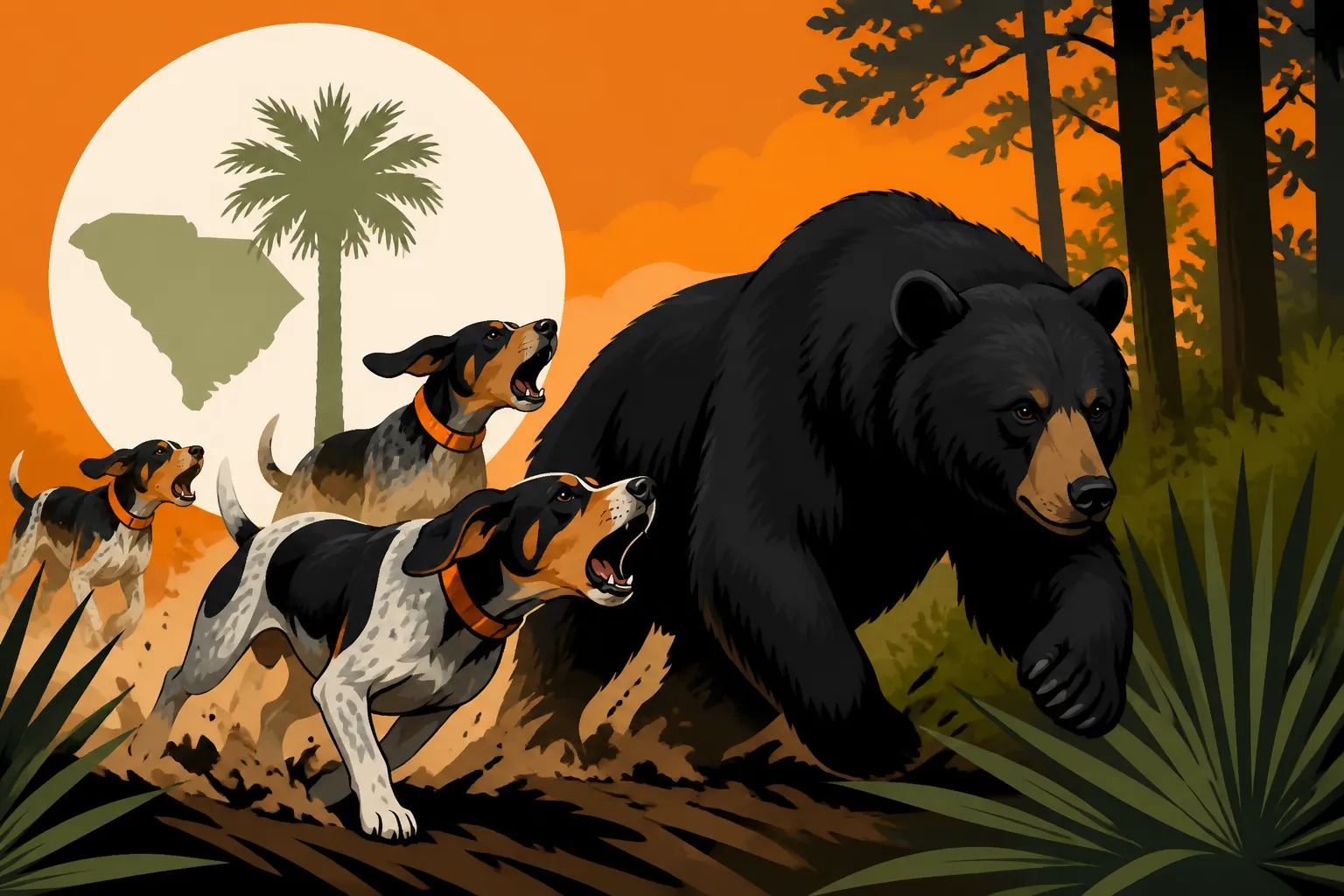
The success of any bear dog drive hinges entirely on the quality and training of your hounds. These aren't just any hunting dogs; bear hounds are a special breed, typically a mix of Plott hounds, curs, and other large, tenacious breeds known for their grit, endurance, and deep baying voices. A good pack isn't just a collection of dogs; it's a symphony of specialized skills and personalities. You'll typically have strike dogs to pick up the initial scent, chase dogs with incredible stamina to follow the track over miles of rugged terrain, and bay dogs that can hold a bear at bay without getting too close, minimizing injury to both bear and dog. Each dog has a role, and they learn to work together as a cohesive unit. For serious bear hunters, investing in high-quality bloodlines and dedicating countless hours to training and conditioning is non-negotiable.
Training isn't just about getting a dog to run a track; it's about conditioning, obedience, and exposure to real-world scenarios. Young dogs are often started with experienced hounds, learning by example through months and even years of patient work. They need to understand what to chase (and crucially, what not to chase – no deer, rabbits, or domestic animals!), how to navigate rugged terrain, and how to communicate effectively through their barks and bays. Modern technology plays a huge role here; GPS Collars for Upstate Bear Hounds are essential. These collars, often from reputable brands like Garmin Alpha, allow handlers to track their dogs' every move, monitor their speed and distance, and even administer remote corrections when necessary. This technology not only protects your valuable dogs from getting lost or into serious trouble but also helps ensure a safe, organized, and efficient drive.
Reading Sign and Locating Bears for a Drive
You can have the best hounds in the world, but if you don't know where to turn them loose, you're just taking your dogs for an expensive walk. Pre-season scouting is absolutely vital for bear dog drives. Bear sign in Zone 1 can be subtle but is often abundant if you know exactly what to look for. Rubs on trees where bears scratch their backs, distinct claw marks on bark from climbing, scat piles filled with berry seeds or acorn husks, and overturned rocks or logs from foraging are all tell-tale clues. Pay close attention to natural food sources – white oak bottoms, persimmon thickets, and blackberry patches are prime locations. Bears will often move through saddles and along ridgelines, creating discernible trails, especially if they're feeding heavily in a particular area.
Finding fresh sign is the first step; the next is understanding bear behavior in relation to that sign. Are they just passing through, or is this a core bedding and feeding area? Look for consistency. A consistent pattern of fresh sign in a particular basin or along a specific ridge indicates a bear is using that area regularly. This is where modern hunting apps like GoHunt can really shine. You can use them to mark specific sign locations, analyze topography for hidden benches or dense cover, and even identify potential escape routes or natural funnels the bear might use when pushed. Understanding these nuances is key to setting up an effective drive and knowing precisely where to place your standers, giving you a distinct advantage over simply hoping to stumble upon a bear.
Developing Your Drive Strategy
Once you've located a bear or a promising area with fresh sign, the real chess match begins: developing your drive strategy. This isn't a chaotic free-for-all; it's a carefully orchestrated maneuver involving multiple people and dogs, all working in concert. The primary goal is to push the bear from its bedding or feeding area towards a designated line of standers, who are positioned to take a safe, ethical shot. This requires intimate knowledge of the terrain, an understanding of how a bear will react under pressure, and precise, constant communication among the entire team. Key considerations include wind direction, known escape routes, the location of dense cover (which bears love), and the proximity of roads or private property lines.
A typical drive involves a "road crew" or "turn-out crew" who release the dogs on fresh sign, and "standers" who are positioned strategically along known travel corridors or escape routes. The number of dogs, hunters, and standers will vary depending on the size of the area, the ruggedness of the terrain, and the number of bears expected. Some drives might involve a small, tight group, while others could be a large community effort involving dozens of people. Mapping out the drive with tools like GoHunt or other detailed topographic maps is absolutely essential. Identify potential "holes" in the stander line, plan for contingencies if the bear breaks unexpectedly in a different direction, and establish clear communication protocols before the drive begins. Each drive is unique, and flexibility in the face of an unpredictable animal is crucial for success.
Essential Gear and Preparation for Dog Drives
Preparation is not just about having the right strategy; it's about having the right tools for the job. Bear dog drives in Zone 1 require robust gear for both hunters and their canine partners, designed to withstand the harsh conditions of the Upstate mountains.
Hunter and Dog Equipment Checklist
When heading out on a Zone 1 bear dog drive, you need to be prepared for rugged conditions and potentially long hours in the woods. For yourself, sturdy, waterproof boots with excellent ankle support are non-negotiable – you will be traversing steep, often wet, and unforgiving terrain. Durable brush pants or chaps are highly recommended to protect against thorns, briars, and thick undergrowth that can tear through regular clothing. Layered clothing is a smart choice, as temperatures in the Upstate can fluctuate dramatically between morning and afternoon, especially if you're working hard or sitting still for extended periods. A reliable backpack with ample water, high-energy snacks, a comprehensive first-aid kit, a sharp knife, and a powerful flashlight or headlamp (even for daytime hunts) is crucial. For your firearm, a powerful rifle chambered in a caliber suitable for bears, such as a .30-06, .308, or .300 Win Mag, with quality optics, is essential for delivering an ethical shot. Remember, Rifle Calibers for South Carolina Bear vary, so choose wisely based on your skill and the expected shot distances.
For your dogs, the equipment list is just as critical, if not more so. As mentioned, GPS collars are paramount for tracking and safety, allowing you to locate them even miles away in thick cover. Durable tracking vests not only protect the dogs from briars and potential bear claws but also make them more visible to other hunters and handlers. Water is absolutely vital for working hounds, especially on warm days and long chases, so dog handlers will often carry extra water and portable bowls. A lead rope or leash for control when turning out or catching dogs, and a smaller, canine-specific first-aid kit (including wound care, antiseptic, and paw protection) should always be on hand. Many dog owners also carry specific treats or high-energy food for rewarding dogs or coaxing them back after a particularly long run.
Communication and Navigation Tools
In the vast, often remote landscape of Zone 1, reliable communication and navigation are not just conveniences; they are absolute lifelines. Cell service can be spotty to non-existent in many of the deep hollows and remote ridges, making two-way radios an absolute necessity for coordinating a drive. Everyone involved, from the dog handlers on the track to the standers waiting patiently, should have a radio with a clear, pre-established channel. Consider models with long-range capabilities and weather resistance, as you'll be exposing them to the elements. It's also wise to have a backup plan, like pre-arranged meeting points, in case radio communication fails completely, or batteries die unexpectedly.
For navigation, a dedicated GPS unit or a reliable mapping app on your smartphone (such as GoHunt, OnX Hunt, or Garmin BaseCamp) is indispensable. These tools allow you to pinpoint your exact location, track the dogs' movements in real-time, see property lines to avoid trespassing, and navigate back to your vehicle or a rendezvous point. Always download offline maps for your hunting area before heading into an area with no cell service; relying on a live connection is a rookie mistake. A physical compass and a paper map, though old-school, should also be part of your kit as a fail-safe against electronic failures. Knowing Scouting South Carolina Public Land Before Season with these tools will not only keep you safe but also make your drives far more efficient and effective, giving you a clear advantage. Batteries for all electronic devices should be fully charged before the hunt, and spares should be carried, especially for GPS collars and radios.
Executing a Successful Bear Dog Drive
The moment the hounds hit the ground and pick up a scent, the true adrenaline and challenge of the bear dog drive begins. This phase requires constant vigilance, quick decision-making, and seamless teamwork.
The Role of the Dog Handler and Standers
A bear dog drive is a true team sport, and every player has a critical, interdependent role. The dog handler is arguably the most crucial individual in the operation. They are responsible for selecting the right dogs for the specific track, releasing them on fresh sign, and then monitoring their progress, often following the chase on foot or by vehicle where access allows. They are the eyes and ears of the drive, constantly interpreting the dogs' bays, monitoring their GPS signals, and communicating real-time updates to the standers. This role requires immense physical stamina, deep knowledge of dog behavior, and the ability to make quick, informed decisions under pressure as the chase unfolds. They are the ones who will ultimately catch the dogs once the bear is treed or the drive concludes, a demanding task in itself.
The standers, on the other hand, are positioned strategically along known bear escape routes, typically on high ground overlooking travel corridors or at bottlenecks where a bear is likely to pass when pushed. Their job is to remain absolutely still, vigilant, and ready to take a safe and ethical shot when the bear comes into range. This often means long periods of quiet waiting, sometimes for hours, in cold or wet conditions. Standers must be acutely aware of their surroundings, understand safe shooting lanes, and clearly identify the bear before pulling the trigger, always being mindful of the dogs that might be close behind or around the bear. It’s a demanding role that requires patience, discipline, and excellent marksmanship under pressure.
Managing the Drive and Tracking the Bear
Once the dogs are released and the chase is on, the drive becomes a dynamic, unfolding event. Dog handlers are in constant communication with standers, providing updates on the dogs' location, speed, and direction of travel. A consistent, excited bay usually means the dogs are hot on a bear's trail, while a distinct change to a "tree bark" or a "bay-up bark" indicates the bear has either been treed or is held at bay on the ground. Standers listen intently and prepare for action, often adjusting their position slightly if the bear's path changes. It's not uncommon for a bear to try and circle back, use dense cover to shake the dogs, or even go to ground in an impenetrable thicket. This is where the handlers' experience and the dogs' tenacity are truly tested.
If a bear is treed, standers or handlers will move in carefully and quietly, always approaching from a safe angle that allows for a clear shot and doesn't endanger the dogs. If a shot is taken and the bear is hit, the real work begins. Tracking a wounded bear, especially in dense Zone 1 cover, can be extremely dangerous and challenging. It's vital to give the bear time if possible, then approach cautiously and with extreme awareness. A well-trained tracking dog can be invaluable here to quickly locate the animal. Once the bear is located, careful field dressing and extraction become the next priorities, often requiring considerable effort due to the rugged terrain and the animal's immense size. This is where a team effort truly pays off.
Safety and Regulations on a Bear Dog Drive
Bear hunting, especially with dogs, requires strict adherence to safety protocols and all relevant regulations. Negligence in either area can lead to serious consequences, both for individuals and the future of the sport.
Blaze Orange, Communication, and Fair Chase Rules
Safety is paramount on any hunting trip, but especially during a bear dog drive where multiple hunters are spread across challenging terrain, and powerful animals are being pursued. South Carolina law mandates that all deer and bear hunters, including those participating in dog drives, wear at least 500 square inches of solid blaze orange above the waist. This includes a hat, and the more visible you are to your fellow hunters, the better. South Carolina Blaze Orange Requirements are not a suggestion; they are a legal necessity to prevent tragic accidents. Ensuring every member of your hunting party is properly attired and highly visible is non-negotiable.
Beyond visibility, clear, concise communication is your absolute best defense against accidents. As discussed, two-way radios are crucial, but establishing strict rules for their use is equally important. No unnecessary chatter, clear call signs, and concise messages prevent confusion during critical moments. Everyone needs to know who is where and what the current plan is, especially if it changes. Furthermore, adhering to fair chase principles is fundamental to ethical hunting. This means ensuring the bear has a reasonable chance to evade, that shots are taken ethically and safely, and that there is no deliberate harassment or harm to non-target animals. Respecting the animal and the hunt ensures a sustainable and ethical tradition for generations to come.
Dealing with Public Land and Adjacent Properties
Many Zone 1 bear dog drives take place on public lands, primarily within the Sumter National Forest. While these vast tracts offer incredible hunting opportunities, they also come with specific rules and the challenge of navigating other users (hikers, campers, etc.). Always consult the specific regulations for the National Forest or Wildlife Management Area (WMA) you are hunting, as rules regarding vehicle access, camping, and even the use of certain types of stands can vary significantly. Understanding Camping Rules on South Carolina National Forest Land is important for multi-day trips and ensuring you're not breaking any rules. Respecting these regulations is crucial for maintaining hunting privileges on public ground for everyone.
A significant challenge in dog driving, particularly in areas bordering private land, is preventing dogs from crossing property lines or bears from escaping onto properties where you don't have permission to hunt. While GPS collars help immensely by allowing you to track your dogs' movements, hounds can cover ground quickly and a bear can lead them far afield. Pre-drive planning should include identifying all adjacent private properties and, whenever possible, proactively obtaining permission from landowners in advance to retrieve dogs or track a wounded bear if it crosses onto their land. This proactive approach builds good relationships and prevents potential conflicts or legal issues. Awareness of South Carolina Trespass and Permission Law is vital; you do not want to be cited for trespassing while trying to retrieve a valuable hound, or worse, a downed bear.
Post-Hunt Procedures and Ethical Considerations
The hunt doesn't truly end when the bear is down. For responsible hunters, ethical considerations and logistical responsibilities continue long after the shot.
Field Dressing and Extraction in Zone 1 Terrain
Once a bear is harvested, the real physical labor often begins, especially in the rugged Upstate. Field dressing should be initiated as quickly as possible to cool the meat, which is particularly critical during the warmer early parts of the season. Bears are thick-skinned and often carry a lot of insulating fat, making rapid cooling even more essential to preserve the quality of the meat. Remove the entrails carefully, paying attention not to puncture any organs that might spoil the meat. Have a sharp, sturdy knife and game bags ready to protect the meat from dirt and insects. You can learn more about Handling a Bear After the Shot to ensure proper care and minimize waste.
Extracting a full-grown black bear, which can easily weigh several hundred pounds, from a steep hollow or dense thicket is no small feat. Often, this involves multiple people, deer carts, sleds, or even packing out meat in sections if the terrain is truly impassable for a whole animal. Planning your extraction route beforehand, considering the quickest and least strenuous path, will save you significant effort and potential injury. Many hunters utilize a "gutless" method to break down the bear into manageable pieces for packing out, which can be invaluable in remote, challenging areas. Always ensure you have enough manpower and proper equipment for safe extraction; don't try to be a hero and risk injury or spoilage.
Reporting and Conservation Efforts
The ethical hunter's responsibility extends beyond the field to ensuring accurate reporting and contributing directly to conservation efforts. In South Carolina, all harvested bears must be reported to the SCDNR through their Game Check system. This is not optional; it's a legal requirement and a critical component of sound wildlife management. The data collected from these reports, including location, sex, and weight of the bear, helps wildlife biologists monitor the health and population trends of the state's bear herd. Without accurate reporting, the SCDNR cannot make informed decisions about future seasons and bag limits, which ultimately impacts your hunting opportunities and the sustainability of the population.
Beyond individual reporting, consider how your participation in bear hunting contributes to broader conservation efforts. Bear dog hunting, when done ethically and legally, can be an effective tool for managing populations and minimizing human-bear conflicts, especially as bear populations expand into new areas. Support organizations that advocate for sound wildlife management and habitat preservation. The tradition of bear dog hunting is a rich part of South Carolina's heritage, but it relies on responsible hunters who respect the animal, the land, and the regulations to ensure its future. Understanding South Carolina's Black Bear Population and how it's managed provides a broader context for your hunting efforts, reinforcing the importance of your role in its continued health.
South Carolina Bear Dog Drive Planning Checklist
| Aspect | Key Considerations | Hunter Responsibilities | Dog Handler Responsibilities |
|---|---|---|---|
| Legal & Permits | Valid SC hunting license, Big Game Permit, Bear Tag | Purchase well in advance, understand Zone 1 dates and quotas. | Ensure all dogs are properly licensed if required (e.g., rabies tags). |
| Scouting & Location | Fresh sign (tracks, scat, rubs), food sources, bedding areas, travel corridors. | Participate in scouting, understand the terrain, identify stand locations. | Locate fresh bear sign, determine optimal turn-out points, assess bear movement patterns. |
| Team & Communication | Roles defined (handlers, standers), radio channels, backup plans. | Understand your stand location, maintain radio contact, report bear sightings. | Coordinate dog release, track dogs via GPS, communicate dog movement to standers. |
| Gear (Hunter) | Rifle (.30-06, .308, .300 WM), ammo, blaze orange, sturdy boots, layers, pack. | Ensure rifle is sighted in, carry water, first-aid, navigation tools (GoHunt app, GPS). | Carry dog first-aid, extra water for dogs, lead ropes, tracking equipment. |
| Gear (Dogs) | GPS collars, protective vests, water, dog first-aid kit, specific treats. | N/A | Ensure all dogs are healthy, conditioned, and equipped for the hunt. |
| Safety Protocols | 500 sq. inches blaze orange, safe shooting lanes, property line awareness. | Remain visible, adhere to safe firearm handling, know your shooting zones and backstops. | Keep dogs under control, ensure they don't harass non-target animals, retrieve promptly. |
| Post-Harvest | Field dressing, cooling, extraction plan, Game Check reporting. | Assist with field dressing and extraction, report harvest promptly via Game Check. | Assist with extraction, ensure dogs are secured and cared for, help with reporting. |
Disclaimer
The information provided in this guide is for informational purposes only and is not a substitute for official regulations. All hunters are responsible for reviewing and adhering to the most current South Carolina Department of Natural Resources (SCDNR) hunting regulations and laws before participating in any hunting activity. Seasons, bag limits, and specific rules can change annually. Always prioritize safety and ethical hunting practices.