Coyotes and Predators in South Carolina
If you've spent any time in the South Carolina woods lately, you've likely noticed a significant shift in the wildlife dynamic. The whispers around hunting camps and the frustrations shared among landowners often circle back to one pervasive issue: predators. It feels like our deer and turkey populations are constantly under siege, and understanding the challenges posed by coyotes and other opportunistic hunters is crucial for anyone dedicated to managing healthy game. This guide dives deep into the world of South Carolina's predators, offering insights into their presence, impact, and how we can adapt.
The Arrival and Spread of Coyotes in South Carolina
It's hard to imagine South Carolina without coyotes now, but these intelligent canines weren't always part of our state's rich ecosystem. Their presence here is a relatively recent phenomenon, one that has profoundly reshaped the landscape for our native wildlife and, consequently, for hunters and landowners alike. Understanding their journey to the Palmetto State helps contextualize their current impact.
The Unintended Colonization of South Carolina
Coyotes, originally native to the American West, began their eastward expansion in the early to mid-20th century. This wasn't a planned migration, but rather a opportunistic movement driven by human activity and the absence of their primary competitor, the wolf, which had been largely extirpated from many eastern states. They navigated changing landscapes, adapting their diets and behaviors to thrive in new environments. For South Carolina, the arrival of coyotes wasn't a direct march from west to east. Instead, it was a combination of natural dispersal from neighboring states, coupled with, surprisingly, intentional and unintentional introductions by humans. Some historical accounts suggest that individuals brought coyotes into the Southeast for hunting purposes, either for sport or to train fox hounds, inadvertently accelerating their spread. Others simply moved westward, crossed the Appalachians, and slowly moved south. This meant that by the late 1970s and early 1980s, these adaptable predators were firmly establishing footholds in the Upstate, and steadily moving down into the Midlands and eventually the coastal plains.
How Coyote Populations Exploded Across the State
Once coyotes found their way into South Carolina, they encountered an environment ripe for their success. Our state offers an abundance of food sources, from small rodents and rabbits to fawns and even adult deer, especially during times of vulnerability. The varied habitats, from dense pine plantations and agricultural fields to sprawling bottomland swamps, provided ample cover for denning and hunting. Crucially, coyotes also have a remarkable reproductive capacity. A female coyote can breed in her first year, and litter sizes can range from 4 to 8 pups, sometimes more, especially when food is plentiful or populations are being heavily pressured. This high reproductive rate allows them to quickly rebound from local control efforts and rapidly colonize new areas. The lack of significant natural predators for coyotes in South Carolina further contributed to their unchecked growth. While bobcats, bears, and even large raptors might occasionally prey on coyote pups, adult coyotes face little threat beyond human intervention. This perfect storm of plentiful food, diverse habitat, and high reproductive rates enabled coyote populations to explode, becoming firmly entrenched residents in every corner of the state.
Current Coyote Density and Range by Region
Today, coyotes are ubiquitous throughout South Carolina. There isn't a county or major habitat type where they haven't established a presence. However, their density can vary significantly across the state's diverse regions. In the agricultural areas of the Lowcountry and Pee Dee, where abundant food sources like crop residue, small mammals, and a high density of deer exist, coyote populations can be particularly robust. Farmers often report frequent sightings and evidence of their presence. Similarly, the rolling hills and fragmented forests of the Upstate, which offer a mix of woodlands, open fields, and residential areas, also support strong coyote numbers. Even in the more urban fringe areas, coyotes have adapted, learning to navigate neighborhoods and green spaces, preying on small pets and scavenging from human refuse. Understanding South Carolina Coyote Range and Density is critical for hunters and landowners formulating management plans. The prevalence of these opportunistic predators means that no matter where you hunt or live in South Carolina, they are a factor you need to consider. Their adaptability and pervasive presence are why they've become such a focal point of wildlife management discussions.
Impact of Coyotes on Game Species and Livestock
The widespread presence of coyotes has led to noticeable shifts in our state's wildlife populations, particularly among our beloved deer and turkey, and has also introduced significant challenges for livestock owners. It's not just a matter of "nature taking its course"; the scale and intensity of coyote predation have disrupted ecological balances and economic livelihoods.
Predation Pressure on Deer and Turkey Populations
This is where the frustration really hits home for many South Carolina hunters. It's a common story: you've put in the time scouting, hung your stands, and observed plenty of deer sign, only to see fewer fawns during the summer or hear fewer gobblers in the spring. While many factors influence game populations, coyote predation has emerged as a significant one. Research, both statewide and nationally, consistently points to coyotes as primary predators of white-tailed deer fawns. Studies show that a substantial percentage, often exceeding 50% in some areas, of fawn mortality occurs within the first few weeks of life, with coyotes being the leading cause. These intelligent hunters are incredibly efficient at finding and dispatching newborn fawns, which are particularly vulnerable due to their reliance on camouflage and immobility. This constant pressure on fawn survival can lead to noticeable declines in deer recruitment, meaning fewer young deer survive to adulthood to replenish the herd. For turkeys, the impact is similarly concerning. Coyotes are notorious nest predators, raiding turkey nests for eggs and preying on vulnerable poults, especially when they are newly hatched and still confined to the ground. They'll also actively pursue adult hens during nesting season and can take jakes and even mature gobblers if the opportunity arises. This predation contributes to the struggle we've seen in South Carolina Turkey Population Trends in some areas, making it harder for our turkey flocks to thrive and expand.
Threat to Livestock and Domestic Animals
Beyond wild game, coyotes pose a very real and often devastating threat to South Carolina's agricultural community and even suburban homeowners. Small livestock, particularly lambs, goat kids, and poultry, are prime targets for coyotes. Farmers and ranchers spend countless hours protecting their herds, only to face the heartbreak and economic loss of animals killed or injured by these cunning predators. A single coyote can wreak havoc on a chicken coop, and a pack can quickly decimate a flock of sheep or goats. The financial implications for producers can be substantial, leading to increased costs for protective measures like fencing, guard animals, and closer monitoring. It's a constant battle for many. Even in more populated areas, coyotes can become a nuisance and a danger. There are countless stories of South Carolina Coyote Attacks on Livestock and even domestic pets, especially small dogs and cats, particularly those left unattended in yards, especially at dawn, dusk, or overnight. Coyotes, being adaptable, learn quickly where easy food sources can be found, and a pet roaming freely is an easy meal. This creates a legitimate fear for pet owners and highlights the need for responsible pet management, such as keeping pets indoors or in secure enclosures.
The Ecosystemic Ripple Effect
The profound impact of coyotes extends beyond direct predation. Their dominant presence has created a ripple effect throughout the entire ecosystem. For instance, the increased predation on fawns can lead to an older age structure in deer herds, potentially affecting breeding dynamics and overall herd health. It can also force deer to become more nocturnal or utilize different habitats to avoid detection, altering their natural movement patterns that hunters have relied on for generations. Beyond deer and turkeys, coyotes compete with native predators for food resources. While they are not the sole reason for declines in some native populations, their sheer numbers and efficient hunting style put additional pressure on the prey base that bobcats, foxes, and even certain raptors depend on. This competition can indirectly affect the populations of these native species. Furthermore, coyotes act as vectors for certain diseases, like mange, which can spread to other canids, including domestic dogs and foxes, adding another layer of complexity to wildlife health management. The introduction and subsequent explosion of coyotes truly demonstrate how a single species can fundamentally alter the delicate balance of an established ecosystem in a relatively short period.
Other Significant Predators in the Palmetto State
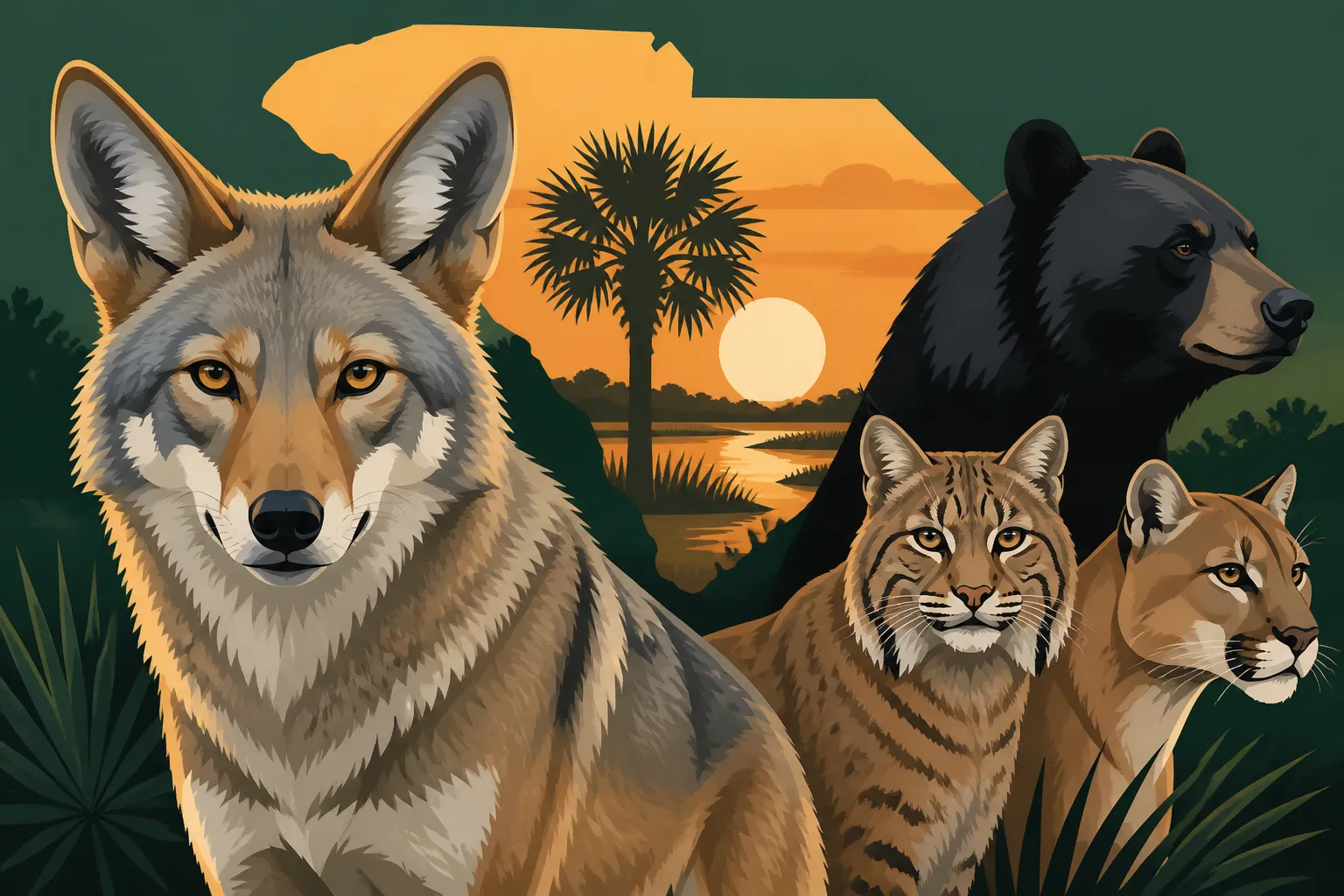
While coyotes often dominate the conversation about predation in South Carolina, they are far from the only formidable hunters roaming our woods. Our state is home to a diverse array of other predators, each playing a unique role in the ecosystem, and some also impacting game populations in their own ways. Understanding these other players gives us a more complete picture of the challenges and opportunities in wildlife management.
South Carolina's Recovering Bobcat Population
Bobcats are truly native to South Carolina and are an integral part of our wild landscapes. These elusive and beautiful felines are incredible hunters, preying primarily on rabbits, rodents, and birds, but they are certainly opportunistic and will take fawns, turkey poults, and even adult turkeys when the opportunity arises. Unlike coyotes, bobcats typically hunt alone and are generally less impactful on widespread game populations due to their lower densities and more specialized hunting style. For years, bobcat populations faced challenges from habitat loss and unregulated hunting. However, thanks to conservation efforts and regulated trapping seasons, South Carolina's Recovering Bobcat Population is a real success story. These days, it's not uncommon to catch a glimpse of a bobcat on a trail camera or even in person, especially in areas with good cover. They play a crucial role in controlling rodent and rabbit populations, which can benefit young tree growth and agricultural fields. Their presence is generally viewed as a sign of a healthy ecosystem, and while they do take some game, their impact is usually balanced by their role in keeping other prey species in check. Hunters and trappers do pursue bobcats during designated seasons, primarily for their fur, but their overall population remains stable and healthy across the state.
The Silent Hunters: Fox Species
South Carolina is home to two primary fox species: the red fox and the gray fox. Both are cunning, adaptable, and highly effective predators, though they generally target smaller prey than coyotes or bobcats. Red foxes, with their striking coloration, tend to prefer more open habitats, often found near agricultural fields or forest edges. Gray foxes, on the other hand, are more comfortable in dense woods and are unique for their ability to climb trees. Both species primarily subsist on a diet of rodents, rabbits, insects, and fruits, but they are also known egg and poult predators, especially during the spring turkey nesting season. They will also opportunistically take young fawns, although less frequently than coyotes. Their impact on deer populations is usually minimal compared to coyotes, but their role in turkey poult and nest predation is well-documented. Like bobcats, foxes play an important ecological role in controlling small mammal populations. While their numbers fluctuate, and competition with coyotes for resources and territory can impact local fox populations, they remain a common sight across much of the state. Understanding their habits is key for those looking to protect nesting turkeys or small game.
Black Bears: A Different Kind of Predator
When most people think of bears, they might not immediately jump to "predator" in the same vein as a coyote, but make no mistake, South Carolina's black bear population can certainly act as one. Our state is home to a growing number of black bears, primarily concentrated in two distinct populations: the mountainous Upstate and the coastal plain swamps. South Carolina's Two Bear Hunting Zones reflect these distinct populations. Bears are omnivores, meaning their diet is incredibly varied, consisting mostly of berries, nuts, insects, and roots. However, they are also highly opportunistic. They will readily scavenge on carrion, and they will absolutely prey on fawns, turkey poults, and occasionally adult deer if the chance arises, especially during early spring when natural food sources are scarce. A bear might discover a hidden fawn or a turkey nest and consider it an easy meal. While their impact on overall game populations is generally localized and less pervasive than coyotes, it's a factor to consider, particularly in high-density bear areas. For hunters in the Upstate, understanding the movements and habits of bears can sometimes influence deer and turkey activity. The primary management focus for black bears revolves around balancing their growing populations with human development and mitigating conflicts, which are becoming more common as bears expand their range.
Understanding Predator Behavior and Ecology
To effectively manage or even coexist with predators in South Carolina, it's absolutely essential to understand how they live, what drives their behavior, and how they interact with their environment. These animals are incredibly intelligent and adaptable, and their survival depends on their ability to find food, reproduce, and avoid detection. Getting into their heads, so to speak, can give us a significant edge.
Coyote Diet and Hunting Strategies
Coyotes are the ultimate opportunists, and their diet reflects this adaptability. While they are incredibly efficient hunters of live prey, they are also excellent scavengers. Their primary food sources in South Carolina often include white-tailed deer fawns, rabbits, rodents (like voles, mice, and rats), squirrels, and various bird species, including turkey poults and eggs. They will also readily consume insects, berries, fruits, and even discarded human food or pet food. This broad diet is a huge reason for their success in diverse landscapes. When it comes to hunting, coyotes employ a variety of strategies. They often hunt alone, especially when targeting smaller, easier prey. A lone coyote might silently stalk a rabbit through a thicket or patiently wait for a mouse to emerge from its burrow. However, they are also capable of cooperative hunting, particularly when pursuing larger prey like adult deer. A pair or small pack of coyotes might work together to corner or exhaust a deer, especially an injured or weakened one. They use their keen sense of smell and hearing, combined with incredible endurance, to locate prey. Hunters have noted that coyotes often patrol deer travel corridors, logging roads, and field edges, knowing that these are prime areas to ambush game. Their nocturnal habits also make them particularly effective, as many prey animals are less vigilant under the cover of darkness. This understanding of their varied diet and sophisticated hunting tactics is crucial for anyone trying to protect game or livestock.
Denning Habits and Reproduction Cycles
Understanding the reproductive cycle and denning habits of coyotes is critical for effective management, as it reveals their most vulnerable periods. Coyotes typically breed in late winter, usually January through March, with gestation lasting around 60 to 63 days. This means that pups are born in the spring, generally from March through May, coinciding perfectly with the peak birthing season for white-tailed deer fawns and turkey nesting. A typical litter consists of 4 to 8 pups, but litter size can vary significantly based on food availability and population density. When food is abundant, or if populations are heavily harvested, coyotes tend to have larger litters, a biological response that helps them rapidly recover their numbers. Coyote dens are often well-hidden and can be found in a variety of locations: brush piles, rock crevices, hollow logs, abandoned burrows of other animals (like armadillos or badgers), or even dug into the ground on secluded hillsides. They prefer sites that offer good cover and proximity to water, but also provide a clear escape route. Both parents participate in raising the pups, with the male bringing food back to the den while the female cares for the young. The pups remain in or near the den for several weeks, gradually venturing out as they grow. By late summer or early fall, the young coyotes are often learning to hunt and will soon disperse from their natal den to find their own territories. This denning period, when pups are confined to a relatively small area, represents a prime opportunity for targeted control efforts, as the entire family unit is concentrated.
Habitat Preferences Across South Carolina's Diverse Landscape
Coyotes are perhaps the most adaptable canids on the planet, and South Carolina's diverse habitats perfectly illustrate this. You can find them thriving in almost any environment, from the high elevations of the Blue Ridge Mountains to the tidal marshes of the coast. However, they do show preferences for certain features within these broader landscapes. Generally, coyotes prefer fragmented habitats—areas with a mosaic of dense cover (like pine plantations, thick brush, or swamp bottomlands) for resting, denning, and concealment, interspersed with open areas (such as agricultural fields, clear-cuts, or pastures) for hunting. This "edge habitat" provides the best of both worlds: security and abundant prey. In the Upstate, they'll utilize the ridge and valley systems, often patrolling forest roads and logging paths, and venturing into open fields at night. In the Midlands, they thrive in farm country, using the margins of crop fields and the small woodlots as hunting grounds. The Lowcountry's extensive swamps and maritime forests offer excellent cover and a consistent food base. Even urban and suburban areas, with their green spaces, golf courses, and accessible food waste, have become viable habitats for coyotes. This extreme adaptability is precisely why coyotes are so challenging to manage. They don't rely on one specific habitat type, making them elusive and able to colonize virtually any landscape they encounter. For hunters utilizing public lands like Francis Marion National Forest or Sumter National Forest, recognizing these preferred coyote habitats can help understand deer and turkey behavior.
Effective Predator Management Strategies for Landowners and Hunters
The challenge of managing predators, particularly coyotes, often feels overwhelming for South Carolina landowners and hunters. While completely eradicating them is unrealistic and often undesirable from an ecological perspective, effective control and mitigation strategies are absolutely necessary to help game populations thrive and protect livestock. The key is a multi-faceted approach, combining direct removal with habitat adjustments.
Trapping and Snaring Techniques
Direct removal through trapping and snaring is arguably the most effective method for reducing coyote populations on specific properties, especially when targeted properly. It's a skill-intensive endeavor that requires knowledge, patience, and adherence to regulations. When discussing methods for Trapping South Carolina Feral Hogs, many of the principles of effective trap placement and site selection also apply to coyotes, though the equipment differs. Foothold traps, when used correctly, are highly selective and allow for the release of non-target animals. They should be set in travel corridors, near known dens (during denning season), or along field edges where coyotes are frequently observed. Snares, when deployed legally and responsibly, can also be very effective, especially along fence lines, pinch points, or trails where coyotes are funneled. For both methods, scent control is paramount. Coyotes have an incredible sense of smell, and any human scent can make them wary. Using lures and baits specifically designed for coyotes can significantly increase success rates. Proper trap placement and maintenance, including regular checks as required by law, are essential not only for success but also for the humane treatment of captured animals. Many experienced trappers can provide valuable guidance, and attending workshops or seeking mentorship is highly recommended for those new to these methods. Remember to prioritize safety for yourself, other humans, and domestic animals when setting traps or snares.
Calling and Hunting for Population Control
Hunting coyotes, particularly through calling, offers another proactive way to manage their numbers and is often a thrilling pursuit in itself. This method primarily relies on mimicking prey distress calls (like a rabbit in distress) or coyote vocalizations (howls, barks) to lure them within shooting range. Electronic calls, such as those from reputable brands like GoHunt, offer a wide range of realistic sounds and can be highly effective, allowing hunters to project calls over long distances and vary the sound sequence easily. During the day, hunters typically set up with a good backdrop for concealment, facing downwind to prevent coyotes from scenting them. Early morning and late afternoon are often the most productive times. In South Carolina, Night Hunting Rules for South Carolina Coyotes allow for the use of artificial lights on private land, which opens up another significant window for coyote control. Night hunting with thermal or night vision optics, combined with electronic calls, can be incredibly effective, as coyotes are often more active and less wary after dark. When hunting at night, safety is paramount. Always be certain of your target and what lies beyond it. While hunting alone is common, a two-person team (one calling, one spotting/shooting) can increase success and safety, especially at night. Integrating coyote hunting into your routine, especially during deer and turkey season, can make a noticeable difference on your property.
Habitat Management to Mitigate Predation Impact
Beyond direct removal, adjusting habitat can significantly reduce predation pressure on game species. This isn't about eliminating coyotes, but about making your property less hospitable to them and more secure for deer fawns and turkey poults. One key strategy is to create dense escape cover for fawns and poults. Areas of thick briars, downed timber, or dense natural regeneration provide places where young animals can hide effectively from predators. Think about establishing or maintaining areas of thick brush adjacent to food sources or nesting areas. Another approach involves managing food plots strategically. While food plots attract deer, they can also concentrate them and their fawns in open, vulnerable areas. Consider leaving strips of taller cover around the edges of food plots to provide a buffer for fawns. For turkey management, focusing on areas with good nesting cover – undisturbed grassy fields, brushy edges, and open pine savannas – can help hens conceal their nests. Reducing dense fencerows or brush lines that provide easy travel corridors for coyotes to access these nesting areas can also be beneficial. Finally, responsible waste management is crucial. Securing trash, pet food, and compost piles on your property eliminates easy food sources that can draw coyotes into your immediate vicinity. By altering the landscape and eliminating attractants, you can make your property less appealing to coyotes while providing more security for your desirable game species.
Legal Considerations and Regulations for Predator Control
Before you jump into any predator control efforts in South Carolina, it is absolutely crucial to understand the rules and regulations. The South Carolina Department of Natural Resources (SCDNR) sets specific guidelines for hunting and trapping various species, and failing to adhere to them can lead to significant penalties. Don't let enthusiasm lead to legal trouble; always confirm current regulations.
South Carolina's Year-Round Hog Rule on Private Land
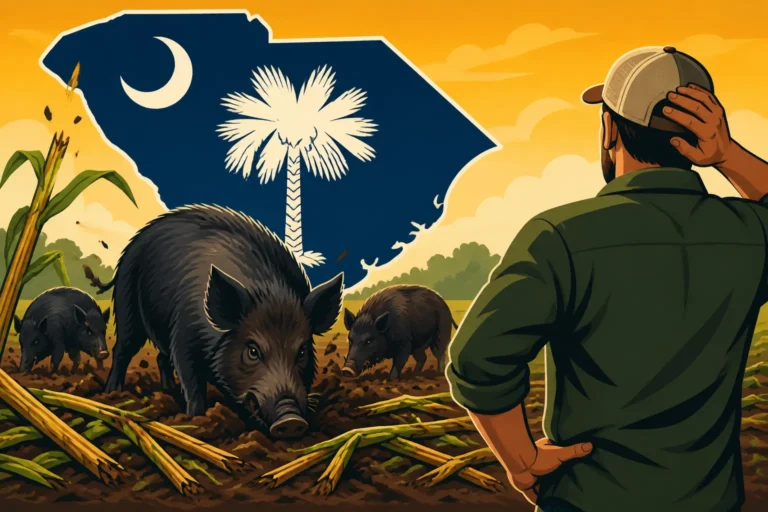
While feral hogs are not strictly predators in the same way coyotes are, they are often a simultaneous target of nuisance wildlife control, and the regulations surrounding them can overlap with general predator control. In South Carolina, feral hogs can be hunted and trapped year-round on private land without a closed season or bag limit. This aggressive stance reflects their status as an invasive, destructive species. This "year-round hog rule" is a valuable asset for landowners facing both hog and coyote problems, as trapping efforts for one can often lead to the incidental capture of the other. For example, large box traps set for hogs can sometimes catch coyotes. Understanding South Carolina's Year-Round Hog Rule on Private Land can provide additional flexibility in managing nuisance animals. However, it's vital to remember that while the season for hogs is open, all other hunting and trapping regulations, such as needing a valid hunting license and any necessary permits, still apply. Always double-check if your methods for hog control might inadvertently impact or be restricted for coyotes, or vice-versa.
Night Hunting Rules With Lights on Private Land
Night hunting is an incredibly effective method for controlling nocturnal predators like coyotes, and South Carolina law provides specific provisions for it on private land. This is a game-changer for many landowners. Generally, it is lawful to hunt coyotes, armadillos, feral hogs, and other nuisance animals at night on private land, often with the aid of artificial lights, thermal imaging, or night vision devices. This is a key regulation for anyone serious about coyote control. However, it is important to remember that this allowance is typically for private land only. Hunting on public land at night, especially with lights, is almost universally prohibited or strictly regulated. When using artificial lights for night hunting, it's crucial to exercise extreme caution. Always identify your target positively before shooting, and be absolutely aware of your backdrop to prevent accidental property damage or injury. Coordinating with neighbors is also a wise practice, as flashing lights and gunshots in the dark can cause alarm. For a full breakdown, refer to the Night Hunting Rules for South Carolina Coyotes as published by the SCDNR. These regulations can change, so a quick check each season or before engaging in night hunting activities is always a smart move.
General Hunting and Trapping License Requirements
Regardless of the species you're pursuing or the method you're using, having the proper licenses and permits is non-negotiable in South Carolina. For general hunting of coyotes, a valid South Carolina hunting license is required. Residents have options like the South Carolina Resident Hunting License Options, while nonresidents also have various choices. If you plan on trapping coyotes or other furbearers, you'll generally need a valid furbearer license or trapping permit in addition to your basic hunting license. The specific requirements can vary, and there are often nuances related to age, residency, and the type of equipment being used. For example, certain types of traps or snares may have specific legal restrictions on placement or design. It's also worth noting that if you are under a certain age or new to hunting, you might be subject to South Carolina Hunter Education Requirements. Even if you're a landowner hunting on your own property, these rules generally still apply. The Go Outdoors SC website (the official SCDNR licensing platform) is your best resource for purchasing licenses and checking the most up-to-date regulations. Don't guess; always verify the current legal framework before you head afield or set a single trap.
The Broader Ecological Role of Predators
While the focus on predators often centers on their impact on game species and livestock, it's crucial to remember that they are also an integral and natural part of South Carolina's complex ecosystems. Their presence, even when challenging, contributes to a balanced and resilient natural world. Taking a step back to appreciate their broader ecological role offers a more holistic perspective on wildlife management.
Natural Selection and Herd Health
It's a tough pill to swallow for hunters, but predators play a vital role in natural selection, which ultimately leads to healthier prey populations. Think about it: coyotes, bobcats, and even bears often target the weakest, sickest, or least wary individuals within a deer or turkey herd. A fawn that is genetically predisposed to being slower or less cautious is more likely to fall prey to a coyote. A turkey hen that chooses a poor nesting site is more likely to have her nest raided. This process, while seemingly brutal, removes less fit individuals from the gene pool, allowing the stronger, more adaptable, and healthier animals to survive and reproduce. Over generations, this natural culling actually strengthens the overall health and resilience of the prey species. Without predators, populations can become over-dense, leading to widespread disease (like CWD in other states, though South Carolina remains vigilant in its efforts for Why South Carolina Stays CWD-Free), habitat degradation due to over-browsing, and ultimately, a less healthy and robust herd. So, while it hurts to lose a fawn, it's part of a larger ecological mechanism that ensures the long-term vitality of the deer and turkey populations we cherish.
Ecosystem Balance and Biodiversity
Predators sit at the top, or near the top, of the food chain, and their presence is indicative of a healthy and functioning ecosystem. They help regulate populations of their prey species, preventing any one species from becoming so numerous that it devastates its food sources or habitat. For instance, without predators to control rodent and rabbit populations, these small mammals could explode in numbers, leading to significant damage to agricultural crops, forests, and other vegetation. By keeping these "mesopredators" (mid-level predators) like raccoons and opossums in check, larger predators can indirectly benefit ground-nesting birds, whose nests are often targeted by these smaller opportunistic feeders. The diversity of life in an ecosystem, known as biodiversity, is often enhanced by the presence of a full suite of predators and prey. Each species has a role, and removing a key player can cause cascading effects throughout the entire system. While coyote populations are considered invasive and often require management due to their impact, native predators like bobcats and foxes are crucial for maintaining this delicate balance. Their varied diets and hunting styles ensure a dynamic interplay that benefits the entire ecological community.
The Ongoing Debate: Predator Control vs. Conservation
The conversation around predators in South Carolina is often fraught with passionate arguments on both sides. On one hand, hunters and landowners, keenly aware of the impact on deer fawn survival or turkey poult recruitment, advocate for aggressive predator control, viewing it as a necessary measure to protect game species and their investments. They might point to declining South Carolina Deer Herd Size numbers in certain regions and directly attribute it to increased predation. On the other hand, some conservationists and wildlife enthusiasts emphasize the inherent ecological value of predators and caution against overly aggressive or widespread removal, fearing unintended consequences or a disruption of natural processes. They highlight the beneficial roles of predators in maintaining healthy ecosystems and their right to exist within the landscape. The truth, as often is the case, lies somewhere in the middle. For South Carolina, the approach to coyote management, in particular, tends to be pragmatic: recognizing them as an established, non-native species that does negatively impact game and livestock, thus justifying control efforts. However, for native predators like bobcats and bears, the approach is generally one of regulated harvest and conservation, acknowledging their essential place in our state's natural heritage. This ongoing dialogue underscores the complexity of wildlife management and the need for science-based decisions that balance the needs of both humans and wildlife for a sustainable future.
Disclaimer
The information provided in this guide is for general informational purposes only and does not constitute legal advice. Hunting and trapping regulations in South Carolina are subject to change. Always consult the most current regulations published by the South Carolina Department of Natural Resources (SCDNR) or contact them directly before engaging in any hunting, trapping, or wildlife management activities. Your safety and adherence to all laws are your responsibility.