Where Coastal Swamp Bears Range
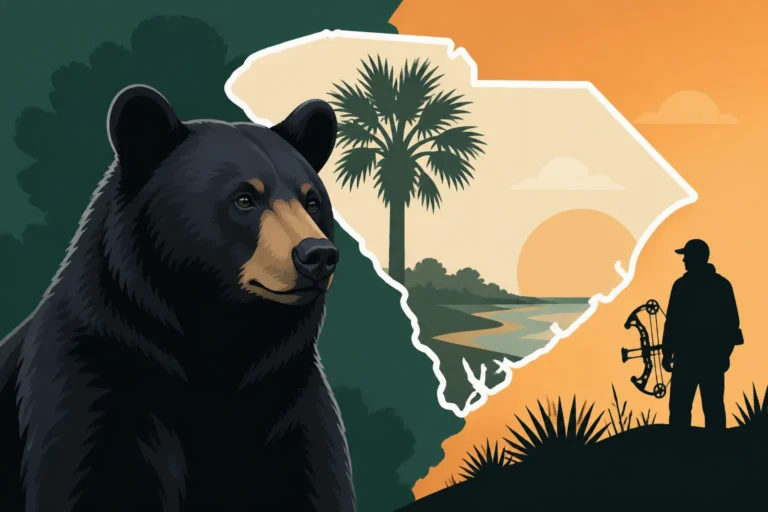
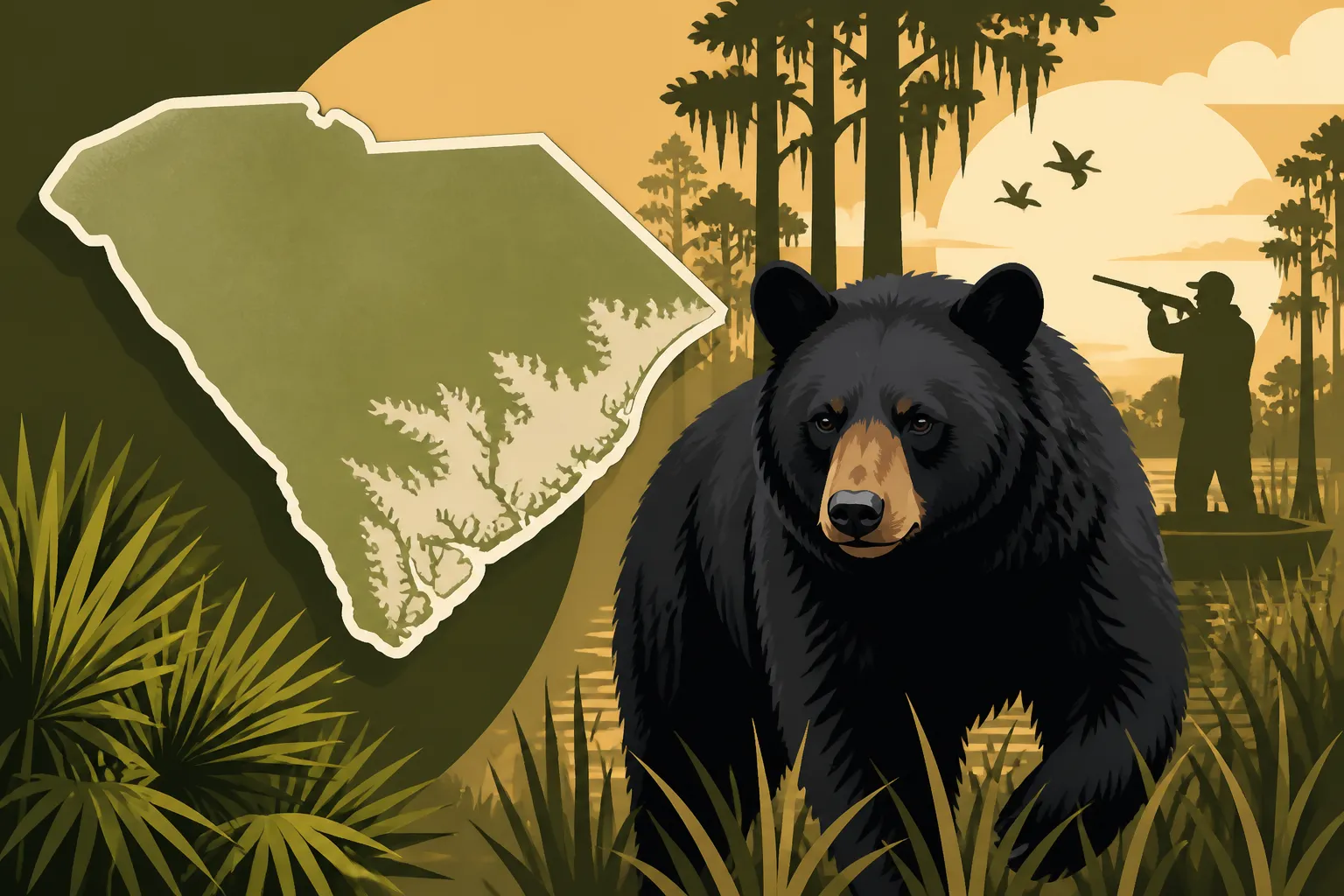
Many folks assume black bears are exclusively creatures of the mountains, confined to the rugged Appalachian peaks. But down here in South Carolina, that couldn't be further from the truth. The Lowcountry's sprawling, often impenetrable swamps and maritime forests harbor a robust and distinct population of black bears, a true testament to their adaptability. This guide will dive deep into understanding where these elusive coastal swamp bears range, exploring their unique habitats, behaviors, and the challenges and rewards they present to both wildlife enthusiasts and hunters.
Understanding South Carolina's Coastal Bear Population
South Carolina is one of the few states lucky enough to have two distinct populations of black bears, thriving in vastly different ecosystems. While the Upstate bears command attention with their mountain haunts, the coastal bears are a fascinating, often overlooked segment of our state's wildlife heritage. They are resilient, intelligent, and perfectly adapted to life in our unique wetlands.
The Distinct Coastal Bear Subspecies
While all black bears in North America are generally Ursus americanus, environmental pressures and geographic isolation over millennia have led to localized adaptations. Our coastal bears, particularly those found in the vast swamp systems, have evolved to thrive in environments that would seem impossible for most large mammals. They are often slightly smaller than their mountain cousins, a common adaptation to warmer climates and different food sources, but they possess an incredible tolerance for heat and humidity, which is essential for survival in the Lowcountry. Their diet is largely dictated by what the low-lying areas provide, differing significantly from the mast-heavy diets of the mountains.
Historical Distribution and Recovery
Historically, black bears roamed much of South Carolina, from the mountains to the coast. However, habitat loss, unregulated hunting, and human encroachment in the 18th, 19th, and early 20th centuries severely decimated their numbers. The coastal population was pushed into the most remote and inaccessible swamp systems, clinging to existence in places like the ACE Basin and the dark recesses of the Francis Marion National Forest. Thanks to concerted conservation efforts, including habitat protection and regulated hunting seasons, these populations have slowly but steadily rebounded. It's a real success story, showing what can happen when dedicated wildlife management is put into action.
Current Population Estimates and Trends
Today, the South Carolina Department of Natural Resources (SCDNR) estimates a healthy and stable coastal bear population, primarily concentrated in the southeastern portion of the state, roughly from Georgetown County south to Beaufort and Colleton counties. While exact numbers are always fluid for elusive animals, the general trend indicates growth and expansion into suitable habitat. This growth has even led to increased sightings in suburban fringes as bears look for new territories. Understanding the nuances of South Carolina's Two Bear Hunting Zones helps illuminate where these populations are recognized and managed for hunting purposes. This continued presence means that the occasional backyard sighting, while startling, is becoming a more common occurrence as their range expands.
Key Habitats and Geographic Range of Coastal Bears
When we talk about where coastal swamp bears range, we're really talking about a specific type of environment. These aren't your typical forest-dwelling bears; they are true masters of the wetland, navigating cypress-tupelo swamps, maritime forests, and dense pocosin thickets with incredible ease. This particular adaptation sets them apart and dictates their movements and preferred areas.
The ACE Basin and Its Bear Strongholds
The ACE Basin, a stunning mosaic of rivers, marshes, and uplands formed by the Ashepoo, Combahee, and Edisto Rivers, is undoubtedly one of the premier strongholds for South Carolina's coastal black bears. This vast, largely undeveloped area provides an unparalleled refuge of dense cover, abundant food sources, and minimal human disturbance. The mix of tidal marshes, hardwood bottomlands, and pine uplands offers a diverse pantry for bears, from palmetto berries and acorns to various wetland plants and insects.
The ACE Basin's unique geography, characterized by its numerous creeks and intricate waterways, also offers bears a natural highway system through the landscape. They are surprisingly adept swimmers, using these channels to move between feeding grounds and bedding areas without expending too much energy or being easily detected. Hunters hoping to encounter these bears often find success focusing their efforts around these water features, understanding that bears will often follow the path of least resistance through otherwise impenetrable vegetation. This area is also a major draw for other species, making Hunting the ACE Basin a truly unique Lowcountry experience.
Francis Marion National Forest and Surrounding Lowlands
Further north, the Francis Marion National Forest stands as another critical pillar of coastal bear habitat. Located just outside Charleston, this massive tract of public land encompasses vast areas of wetland forests, pine flatwoods, and pocosin swamps. The forest's interior, particularly the denser, wetter sections like the Hellhole Swamp, are prime bear country. Bears find ample cover in the thick undergrowth and abundant food in the form of wild grapes, berries, and acorns from the numerous oak species.
The sheer size and wildness of the Francis Marion make it an ideal sanctuary. While it sees its share of hunters and outdoor enthusiasts, there are still plenty of remote pockets where bears can live relatively undisturbed. Understanding how to navigate this challenging terrain is key to locating these elusive animals. Using detailed mapping tools like those offered by GoHunt can provide invaluable insights into topographical features, water bodies, and potential travel corridors within the forest, helping hunters pinpoint high-percentage areas that other people might overlook.
Other Notable Coastal Counties and River Systems
While the ACE Basin and Francis Marion are often highlighted, coastal bears are also found in significant numbers along other major river systems and in several adjacent counties. Areas like the Pee Dee River bottoms, stretching through Georgetown and Horry counties, offer similar habitat with their expansive river swamps and bottomland hardwoods. The Combahee, Ashepoo, and Edisto river corridors, even outside the strict ACE Basin boundaries, provide excellent habitat and serve as crucial travel corridors for bears.
Counties such as Colleton, Dorchester, Berkeley, and even parts of Jasper and Beaufort counties maintain healthy bear populations wherever suitable habitat persists. This often means large, contiguous blocks of undeveloped land, particularly those with dense, wet cover. As habitat fragmentation continues in some areas, the remaining large tracts become even more vital for the long-term survival and expansion of these coastal bear populations. Knowing these broader areas helps contextualize the information provided about Zone 4 Coastal Bear Season Rules, as these rules apply across a wider geographic spread than just the two main strongholds.
Life in the Lowcountry Swamp: Coastal Bear Ecology
Living in a coastal swamp is no easy feat for any large mammal, but South Carolina's black bears have mastered it. Their daily lives, from how they move to what they eat and where they rest, are intimately tied to the unique challenges and opportunities presented by their wetland home. It's a fascinating study in adaptation.
Adaptations to a Wetland Environment
Coastal bears possess several key adaptations that allow them to thrive where other large mammals might struggle. First and foremost is their comfort in and around water. They are excellent swimmers, regularly traversing rivers, creeks, and flooded timber to move between feeding areas or escape perceived threats. This aquatic proficiency is crucial in a landscape dominated by water. Their dense fur, while useful for insulation, can become a burden in the humid Lowcountry, so they often seek out shaded, cooler spots in dense cover during the hottest parts of the day.
Another critical adaptation is their keen sense of smell, which helps them locate food in thick, often visually obstructive environments. Unlike mountain bears that might rely on sightlines over ridgelines, coastal bears navigate a world of dense undergrowth and swamp bottoms. Their large paws also give them an advantage in soft, muddy terrain, distributing their weight to prevent them from sinking too deeply. These physical traits, combined with an innate understanding of their environment, make them truly successful swamp dwellers.
Diet and Foraging Strategies in the Coastal Plain
The diet of a coastal bear is wonderfully diverse, reflecting the rich biodiversity of the Lowcountry. While acorns are a significant food source when available, especially from various oak species found on slightly higher ground, bears in the swamp also feast on an array of palmetto berries, wild grapes, gallberries, and other seasonal fruits. They are opportunistic omnivores, meaning they won't pass up an easy meal. This includes raiding bird nests for eggs, foraging for insects like grubs and ants, and scavenging carrion.
Their foraging strategies often involve extensive rooting in soft soil for tubers and invertebrates, leaving tell-tale signs for observant hunters. During lean times, they might even target young vegetation or browse on tender shoots. Hunters aiming to harvest a bear in this environment need to understand these seasonal food patterns, as bears will concentrate their activity around whatever food source is most abundant at the time. This makes scouting crucial for Hunting South Carolina Black Bear Without Bait, as identifying natural food sources is paramount.
Denning Habits and Reproduction in Swamps
Coastal bears, like their mountain counterparts, utilize dens for winter hibernation and to give birth to their cubs. However, their choice of den sites in the Lowcountry often reflects the unique swamp environment. Instead of rock crevices or hollow logs often used by mountain bears, coastal bears might utilize dense tangles of canebrakes, thick palmetto patches, hollowed-out cypress trees, or even shallow depressions in dense brush. These sites provide excellent concealment and protection from the elements, as well as from predators.
Sows typically give birth to 1-3 cubs in January or February while still in their dens. The cubs remain with the mother for about 1.5 to 2 years, learning essential survival skills before dispersing to establish their own territories. The availability of suitable denning habitat is a critical factor in the overall health and reproductive success of the coastal bear population, making the preservation of these dense, undisturbed swamp areas vital for their future.
Challenges and Opportunities for Coastal Bear Hunters
Hunting black bears in the South Carolina Lowcountry is an experience unlike any other. It presents unique challenges due to the dense terrain and the bears' elusive nature, but for those willing to put in the work, it offers incredibly rewarding opportunities to pursue a truly wild animal in a wild place.
Scouting and Accessing Dense Swamp Terrain
The biggest hurdle for coastal bear hunters is often simply getting to where the bears are. Lowcountry swamps are notoriously difficult to navigate, characterized by thick undergrowth, mucky ground, and numerous water features. Traditional scouting methods, like covering miles on foot, can be exhausting and unproductive. Instead, successful coastal bear hunters often rely on mapping tools, aerial photography, and perhaps even kayaks or small boats to access key areas. Identifying subtle changes in elevation, drier ridges, or "islands" within the swamp that bears might use for bedding or travel can be highly effective.
Moreover, understanding water levels and their impact on bear movement is critical. High water can push bears to higher ground, while low water might open up new feeding areas. Using technology such as GoHunt can be immensely helpful here, providing detailed topographic and satellite imagery that reveals hidden pockets of dry ground or potential travel corridors. Look for sign like tracks along muddy edges, scat, and rubbed trees, especially near areas that offer both food and thick cover.
Unique Hunting Tactics for Coastal Bears
Given the challenging environment, hunting coastal bears often requires different tactics than those used in other regions. Still-hunting or stand hunting from elevated positions are common approaches. Treestands, particularly ladder stands or climbing stands, can provide a much-needed vantage point above the dense vegetation. Setting up along natural funnels, such as narrow strips of dry ground between two swamp sections, or pinch points where bears are forced to cross, can be highly effective. Understanding Hunting Lowcountry Swamp Deer can even provide transferable skills, as many of the same principles of reading the terrain apply to bears.
While baiting is allowed in some areas for bear hunting, it's essential to check specific regulations for Zone 4 Coastal Bear Season Rules as they can vary. Even with bait, the dense cover means bears might approach from unexpected directions, requiring constant vigilance. Many hunters choose to utilize natural food sources, like stands of palmetto or oaks, focusing on areas with fresh sign. The key is patience and an intimate knowledge of the specific piece of ground you're hunting.
Conservation and Management Efforts
The robust coastal bear population is a testament to strong conservation and management efforts by the SCDNR. These efforts include habitat preservation, research into bear ecology, and carefully structured hunting seasons designed to maintain healthy population levels. Hunting plays a vital role in this management, helping to regulate populations, collect valuable data on bear health and distribution, and fund ongoing conservation initiatives through license and tag sales.
Hunters are often the first line of defense against poaching and are crucial partners in reporting bear sightings and harvest data. The SCDNR regularly conducts surveys, collects samples from harvested bears, and monitors population trends to ensure that hunting opportunities remain sustainable while protecting the species for future generations. It's a careful balance, and every hunter who adheres to regulations and participates responsibly contributes to this success.
Comparing Coastal Bears to Upstate Mountain Bears
South Carolina’s two bear populations offer a fascinating case study in adaptation and ecological diversity. While they share the same species name, the coastal swamp bears and the Upstate mountain bears have evolved distinct characteristics and behaviors influenced by their vastly different environments. Understanding these differences can enhance appreciation for both.
Habitat and Physical Differences
The most obvious difference lies in their preferred habitat. Upstate bears, found primarily in the Blue Ridge Mountains and associated foothills, inhabit dense hardwood forests, conifer stands, and rocky terrain. Their lives revolve around the cyclical availability of hard mast like acorns and hickory nuts, supplemented by berries and other forest vegetation. The rugged topography means they often utilize steep slopes, rock crevices, and hollow logs for denning.
Coastal bears, as we’ve explored, are creatures of the low-lying swamps, maritime forests, and river bottoms. They navigate a world defined by water, humidity, and flat terrain, often denning in dense canebrakes or hollow cypress trees. Physically, coastal bears tend to be slightly smaller on average than their mountain counterparts, an evolutionary response to their warmer environment and potentially different calorie sources. Their fur might also appear coarser due to constant exposure to wet, abrasive vegetation. While both are powerful animals, their physical adaptations cater precisely to their specific home ranges.
Behavioral Patterns and Diet Variation
The behavioral patterns of the two populations also diverge based on their surroundings. Upstate bears often have larger home ranges, traversing mountain ridges and valleys in search of food and mates. Their foraging might involve more climbing of trees for nuts and berries, and their movements are less constrained by water. Their diet is heavily reliant on the mast crops of the Appalachian ecosystem, particularly acorns and chestnuts, which can dictate their movements and overall health from year to year. For more on these differences, check out Where Upstate Mountain Bears Range.
Coastal bears, by contrast, exhibit behaviors finely tuned to their wetland environment. They are more likely to utilize water features for travel and escape, and their diet is a much broader mix of palmetto berries, wild grapes, insects, and wetland plants, complementing the acorns and soft mast available on higher ground. Their movements can be more confined to specific "islands" of dry land within expansive swamps, leading to potentially smaller, but intensely utilized, home ranges. These differences lead to varied challenges for hunters, from navigating terrain to predicting movements.
Hunting Regulations and Challenges by Zone
South Carolina’s approach to bear hunting reflects these distinct populations. The state is divided into South Carolina's Four Game Zones, but specifically for bears, there are two primary management zones: Zone 1 (Upstate) and Zone 4 (Coastal). Hunting seasons, methods, and tag requirements can vary significantly between these zones. For instance, Zone 1 often has a short still-hunt season followed by a dog drive season, reflecting the traditional hunting methods and terrain of the mountains.
Zone 4, covering the coastal plain, typically has a shorter season, often restricted to still-hunting, given the challenges of conducting dog drives in dense swamps and the potentially different population dynamics. Hunters planning to pursue bears in either region must be intimately familiar with the specific regulations for that zone, including tag requirements, legal weapons, and season dates. The unique conditions also influence gear choices; for example, snake boots are far more essential in a coastal swamp than in the Upstate mountains, and specialized communication devices may be critical where cell service is spotty, regardless of zone. Using a mapping app like GoHunt can help clarify boundaries and regulations on the go.
| Feature | Coastal Swamp Bears (Zone 4) | Upstate Mountain Bears (Zone 1) |
|---|---|---|
| Primary Habitat | Cypress-tupelo swamps, maritime forests, river bottoms, pocosin | Hardwood forests, conifer stands, rocky terrain, mountain ridges |
| Average Size | Tend to be slightly smaller | Tend to be slightly larger |
| Diet Staples | Palmetto berries, wild grapes, insects, wetland plants, acorns | Acorns, hickory nuts, chestnuts, forest berries |
| Denning Sites | Dense canebrakes, hollow cypress trees, brush piles | Rock crevices, hollow logs, dense thickets |
| Travel Method | Frequent swimming, using waterways as corridors | Traversing ridges and valleys, climbing steep terrain |
| Hunting Season | Shorter, often still-hunt only (check current regulations) | Still-hunt and dog drive seasons (check current regulations) |
| Hunting Gear | Snake boots, waterproof gear, bug repellent, specialized navigation | Sturdy hiking boots, durable outerwear, long-range optics (e.g., Bear Hunting Gear in the Upstate Mountains) |
Looking Ahead: The Future of South Carolina's Coastal Bears
The fact that South Carolina boasts a thriving coastal bear population is a testament to the resilience of wildlife and effective management. However, like all large predators, these bears face ongoing challenges that will shape their future in the Lowcountry. Vigilance, informed management, and public education are key to ensuring their continued presence.
Habitat Protection and Expansion
One of the most critical factors for the long-term health of coastal bear populations is the protection of their remaining habitat. As development continues to encroach on natural areas, preserving large, contiguous tracts of swamp, forest, and wetlands becomes paramount. Initiatives that focus on land acquisition, conservation easements, and responsible forest management practices are vital. These efforts not only secure existing bear territories but also allow for potential expansion into new, suitable areas.
Connectivity between existing habitat blocks is also crucial. Creating and maintaining wildlife corridors helps bears move safely between different areas, reducing conflicts with humans and promoting genetic diversity within the population. Organizations and state agencies are continually working to identify and protect these critical links, understanding that fragmented landscapes pose significant threats to wide-ranging species.
Living with Bears: Human-Wildlife Coexistence
As coastal bear populations grow and occasionally expand into more suburban or agricultural areas, human-wildlife conflict inevitably increases. Bears, driven by their powerful sense of smell and opportunistic nature, can be drawn to unsecured garbage, pet food, bird feeders, and agricultural crops. Educating the public on "bear-wise" practices – such as securing trash, removing food attractants, and understanding bear behavior – is essential for fostering coexistence.
Minimizing these conflicts protects both humans and bears. Bears that become habituated to human food sources can become a nuisance, potentially leading to property damage or, in rare cases, dangerous encounters. By understanding and implementing simple preventative measures, residents of bear country can significantly reduce the likelihood of negative interactions, allowing these magnificent animals to thrive in their natural environment.
Research and Monitoring Programs
Ongoing research and monitoring by the SCDNR and academic institutions are fundamental to understanding the dynamics of South Carolina's coastal bear population. This includes studies on population size, distribution, reproductive rates, denning behavior, and diet. Data collected from harvested bears, trail camera surveys, and GPS telemetry studies provide invaluable insights that inform management decisions.
For instance, understanding things like how South Carolina Bear Harvest Trends fluctuate provides critical feedback for setting future season limits and ensuring sustainable take. This scientific approach ensures that conservation efforts are evidence-based and adaptable to changing environmental conditions or population shifts. Continued investment in these programs will be vital for protecting South Carolina's unique coastal bear population far into the future.
Disclaimer
Please remember that hunting regulations and wildlife management practices can change. Always consult the latest South Carolina Department of Natural Resources (SCDNR) regulations and guidelines before planning any hunting trip or engaging in any wildlife-related activity. This article is intended for informational purposes only and should not be considered a substitute for official legal or regulatory advice.