Zone 4 Coastal Bear Season Rules
Navigating the unique world of bear hunting in South Carolina can feel like trying to untangle a fishing line after a big blow, especially when you start looking at the very specific rules for Zone 4. It's not like deer season where things are often a bit more straightforward; coastal bear hunting comes with its own set of challenges and regulations that can easily trip up even seasoned hunters. This guide is designed to cut through that confusion, giving you a clear, in-depth understanding of every rule, permit, and tactic you need to know to hunt black bears successfully and legally in South Carolina's distinctive coastal Zone 4.
Understanding South Carolina's Bear Zones and Why Zone 4 is Different
South Carolina isn't exactly famous for its bear hunting, but don't let that fool you. We've got a growing population of black bears, and the state manages them through two very distinct zones: the mountainous Upstate (Zone 1) and the low-lying Coastal Plain (Zone 4). It’s crucial to understand that these two zones are like night and day, not just in their geography but in how the bears live and how the state manages them. The rules that apply in the Blue Ridge foothills simply won't cut it, or even be legal, down near the Atlantic.
The Two Distinct Bear Management Zones
Our state's bear population has made an incredible comeback from near extirpation, a testament to dedicated conservation efforts. This recovery, however, hasn't been uniform. The Upstate, with its vast tracts of Sumter National Forest, supports a larger, more contiguous bear population. Here, the landscape of rolling hills and dense woodlands provides ample habitat for bears to thrive and expand their range. The hunting opportunities in Zone 1 reflect this healthier, more robust population, often including specific seasons for still-hunting and even bear dog drives.
On the flip side, Zone 4, our Coastal Plain, presents a much different scenario. Bear populations here are often more isolated and fragmented, existing in pockets of suitable habitat amid a rapidly developing landscape. These coastal bears are relics of a time when the Lowcountry was an unbroken expanse of swamps and maritime forests. Their management, therefore, is far more cautious and restrictive, aiming to protect these smaller, more vulnerable populations while still allowing limited hunting opportunities. It’s a delicate balance to ensure these unique coastal bears continue to persist and hopefully expand their numbers in an ever-changing environment.
Unique Characteristics of Zone 4 Coastal Habitat
Hunting in Zone 4 means embracing a landscape unlike almost anywhere else in South Carolina. Forget the steep climbs and rocky outcrops of the mountains. Here, you're dealing with immense, tangled swamps, ancient maritime forests clinging to barrier islands, and dense, almost impenetrable thickets that define the Lowcountry. These environments provide incredible cover for bears, making them incredibly elusive and difficult to spot. Imagine trying to track a shadow through a cypress stand in July – that's the kind of dense cover we're talking about.
The diet and daily routines of coastal bears are also heavily influenced by their surroundings. They feast on seasonally available foods like palmetto berries, muscadines, and various acorns, often venturing into agricultural fields to supplement their diets with corn or soybeans. This proximity to human activity, especially farms and developing areas, sometimes leads to conflicts, making careful management even more critical. Understanding these unique habitats and food sources is paramount for anyone hoping to locate a bear in the coastal zones, as their movements are tightly dictated by what the land provides. Knowing where to look for this kind of forage can be the difference between an empty stand and a successful encounter.
Essential Regulations for Zone 4 Coastal Bear Season
If you're considering a Zone 4 bear hunt, the first thing you need to do is ditch any assumptions you might have from hunting other species or even bears in other states. The rules here are stringent, reflecting the delicate nature of the coastal bear population. It's not a free-for-all, and careful adherence to every regulation is absolutely non-negotiable for both conservation and legality.
Season Dates and Bag Limits for Zone 4
The Zone 4 coastal bear season is typically very short, often lasting only a few days, and sometimes even less. It's not uncommon for the season to be a specific window in the fall, and these dates are subject to change annually based on population assessments by the South Carolina Department of Natural Resources (SCDNR). You absolutely must check the most current regulations directly from SCDNR each year. Unlike the longer deer seasons, this brief window means preparation and timing are everything. You often have a very limited number of days, or even just hours, to make your hunt count.
The bag limit for Zone 4 is incredibly restrictive, almost always one bear per hunter per season, and often with further stipulations. For instance, sometimes the harvest is restricted to male bears only, or there might be an overall quota for the entire zone, meaning the season could close early if that quota is met. This strict limit is a cornerstone of the management strategy for coastal bears, designed to ensure that these smaller, more fragmented populations aren't overharvested. It underscores the conservation-first approach to hunting these animals, recognizing their vulnerability compared to their Upstate counterparts.
Geographic Boundaries and Restricted Areas
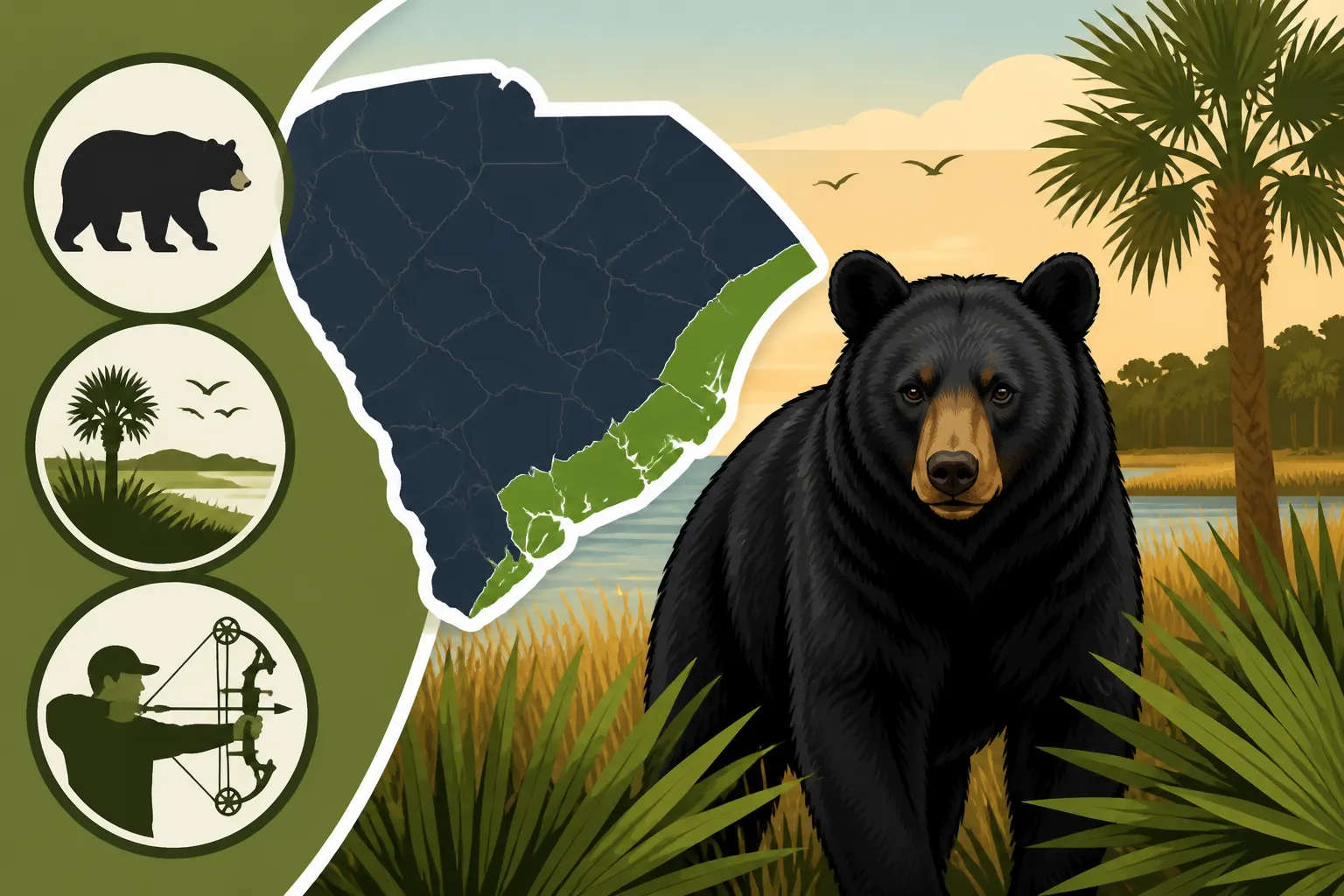
Zone 4 encompasses specific portions of several coastal counties, including parts of Horry, Georgetown, Williamsburg, Berkeley, Charleston, Colleton, Beaufort, Jasper, and Hampton counties. However, it's critical to understand that just because your county is listed doesn't mean all of it is open for bear hunting. Specific boundaries, often tied to major roads, rivers, or land features, define the legal hunting areas. These details are clearly outlined in the SCDNR regulations, and it's your responsibility to know them intimately. There are no excuses for accidental boundary crossings.
Furthermore, within these open counties, certain Wildlife Management Areas (WMAs) or other public lands might have entirely different rules, or bear hunting might be prohibited altogether. For example, some WMAs might have quota hunts with specific application periods and draw odds, while others may be completely closed to bear harvest. Even on private land, you need explicit permission and must ensure it falls within the legal Zone 4 boundaries. Always consult the SCDNR WMA regulations or use mapping tools to confirm your location and its specific hunting allowances. Getting this wrong could not only result in fines but also potentially compromise the limited hunting opportunities for everyone.
Permitting, Tags, and Reporting Requirements
Hunting a bear in Zone 4 isn't as simple as buying a general license and heading to the woods. It involves a very specific permitting process, often competitive, and comes with mandatory reporting requirements designed to help SCDNR manage these unique animals. Skipping any step could invalidate your hunt, so pay close attention to the details.
Obtaining Your South Carolina Bear Tag
Before you can even think about heading out for a coastal bear, you’ll need to secure a bear tag, and this is typically not a walk-up purchase. The state often manages bear harvest through a limited draw or quota system, especially in Zone 4, to control the number of bears taken. This means you'll usually need to apply for a specific bear tag during a designated application period, which usually falls well in advance of the season itself. You'll first need your general South Carolina Hunting Licenses and What They Cost and then your South Carolina Big Game Permit Requirements before you can even apply for the bear tag itself. These tags are highly sought after, and drawing one for Zone 4 can be quite a challenge due to the limited number issued.
Once you submit your application, it's a waiting game. If you're fortunate enough to draw a tag, you'll receive your South Carolina Bear Tag Requirements through the mail or electronically. This process requires careful attention to deadlines, and missing an application window means you'll be sitting out that year's season. Utilizing online resources or even a service like GoHunt can be invaluable for staying on top of application deadlines and understanding the odds of drawing a tag, as these details are crucial for planning your hunt successfully. Be prepared for a non-refundable application fee, regardless of whether you draw a tag or not, so make sure you're fully committed before applying.
Mandatory Harvest Reporting and Carcass Management
Harvesting a bear in South Carolina comes with strict, mandatory reporting requirements that are far more detailed than those for deer. Once you’ve successfully taken a bear in Zone 4, you are required to report it to the SCDNR through their "Game Check" system. This isn't just a quick online entry; you'll typically need to physically present the bear at a designated check station within a specific timeframe, usually 24 hours. The bear must remain intact until it has been officially checked by SCDNR staff.
At the check station, biologists collect vital data: they'll confirm the sex, weigh the bear, and often remove a tooth for aging purposes. This biological information is critical for SCDNR to monitor the health, age structure, and population trends of the coastal bear herd, directly informing future management decisions and season structures. This meticulous data collection is why the reporting process is so important. Unlike deer, where certain carcass parts can be imported into the state under specific conditions as detailed in Why You Cannot Bring a Deer Carcass Into South Carolina, bear carcasses harvested in-state must undergo this rigorous check process to ensure data integrity and track population dynamics accurately. Failing to report a bear or attempting to check it in an unauthorized manner can lead to severe penalties and jeopardize future hunting opportunities for everyone.
Legal Weapons and Methods Specific to Coastal Bear Hunting
The methods and equipment you can use to hunt bears in Zone 4 are tightly regulated, designed to promote fair chase and ensure humane harvest while protecting the coastal bear population. Understanding these rules is essential, as certain common hunting practices, particularly those involving dogs or bait, are explicitly prohibited.
Permitted Firearms and Archery Equipment
When it comes to firearms for bear hunting in South Carolina, a variety of options are typically legal, but always check the current year's regulations for any updates. Generally, rifles in commonly accepted big-game calibers (like .270, .30-06, .308, or larger) are permitted, along with shotguns using slugs, muzzleloaders, and handguns. The key is using a caliber and ammunition type that delivers sufficient kinetic energy for a quick, ethical kill. Overkill is better than underkill when it comes to a powerful animal like a bear. Remember that ethical shot placement is paramount; aiming for the vitals is not just good practice, it’s a moral obligation to ensure a swift and humane harvest.
For archery hunters, traditional bows, compound bows, and crossbows are generally allowed. Specific minimum draw weights for bows are usually in place, and broadheads must meet certain requirements, typically fixed-blade or mechanical broadheads that create a wide cutting diameter. If you're considering a crossbow, it's important to be aware that Crossbow Rules During South Carolina Archery Season apply here, which means understanding the nuances of their use during various hunting seasons. Ensure your equipment is properly tuned and you've practiced extensively at realistic hunting distances, especially given the dense cover you'll likely encounter in Zone 4.
Prohibited Methods and Ethical Considerations
Here's where Zone 4 bear hunting really diverges from some other bear hunting traditions, particularly those found in Zone 1. In coastal South Carolina, baiting bears is strictly prohibited. You cannot use any food, garbage, or attractants to lure bears. This includes everything from corn piles to molasses. Likewise, hunting bears with the aid of dogs is also illegal in Zone 4, a stark contrast to the bear dog drives that are a permitted tradition in the Upstate mountains. These prohibitions reflect the SCDNR's conservative approach to managing the more sensitive coastal bear populations, aiming to reduce human-bear conflict and ensure a true fair-chase hunting experience.
Other common sense ethical considerations also apply: hunting from a moving vehicle, shooting across a public road, or hunting outside of legal shooting hours are all prohibited. Beyond the letter of the law, hunters have a moral obligation to act responsibly. This means making clean, ethical shots, diligently tracking and recovering any wounded animal, and respecting the land and other users. Failure to adhere to these rules not only risks legal penalties but also tarnishes the image of hunting and could lead to further restrictions on the privilege to hunt bears in the future. Always prioritize safety, respect, and the integrity of the hunt.
Strategic Considerations for Hunting Coastal Bears
Hunting black bears in South Carolina's Zone 4 is a formidable challenge, pushing hunters to their limits with dense cover, heat, and the elusive nature of the game. It’s a pursuit that demands meticulous scouting, patience, and a deep understanding of how bears interact with their unique coastal environment. Simply walking into the woods won't cut it; you need a well-thought-out strategy.
Scouting and Locating Coastal Bear Sign
Successful coastal bear hunting begins long before the season opens, with intensive scouting. You're not just looking for a bear; you're looking for its routine, its preferred foods, and its travel corridors. What you need to look for are fresh tracks in muddy areas, scat piles indicating recent feeding, and "bear rubs" – trees where bears have rubbed or clawed, often at various heights, to mark territory or scratch an itch. Overturned logs or rocks are also tell-tale signs of a bear foraging for insects. Focus your efforts around seasonal food sources like palmetto thickets, oak flats, and fields of agricultural crops such as corn or peanuts, which are prime feeding grounds for bears in these areas.
The dense coastal cover, however, makes visual scouting difficult. This is where modern tools shine. Trail cameras are invaluable for patterning bear movement, helping you identify active areas and determine the times of day bears are most active. Place cameras on known game trails, near suspected food sources, or along creek bottoms that bears might use as travel routes. Understanding the topography, even subtle changes in elevation, can reveal natural funnels. Mapping tools, like those offered by GoHunt, can help you analyze satellite imagery to pinpoint potential habitat, access points, and dense cover where bears might bed down, giving you a crucial edge in breaking down vast areas into manageable scouting zones.
Tactics for Still-Hunting and Stand Hunting in the Lowcountry
Once you've identified an active area, your hunting tactics need to adapt to the coastal environment. Still-hunting for coastal bears requires an almost meditative pace. Move incredibly slowly, pausing often to listen and scan. The thick vegetation means you'll rarely get a long shot, so being patient and quiet is paramount. Always play the wind; bears have an incredible sense of smell, and a shifting breeze can instantly give you away. This approach is vastly different from Still-Hunting Sumter Forest Ridges, where longer sightlines might allow for slightly faster movement and longer shots. In the Lowcountry, it's all about close-quarters detection.
For stand hunting, whether from a treestand or a ground blind, placement is everything. Position your stand near known bear travel corridors, between bedding areas and food sources, or overlooking an active feeding site. Many hunters find that Using a Ground Blind on South Carolina Public Land offers an advantage in the Lowcountry. They provide concealment in areas with limited suitable trees for treestands and offer a crucial barrier against the notorious South Carolina insect population. Ensure your blind is brushed in naturally to blend with the surroundings. Beyond tactics, you'll need the right gear for the conditions. Think lightweight, breathable camouflage for Warm-Weather Clothing for South Carolina Hunters, plenty of bug repellent, and sturdy snake boots. The heat, humidity, and insects can be brutal, and being uncomfortable will quickly spoil your hunt.
Preserving South Carolina's Coastal Bear Population
Hunting in South Carolina, especially for species like the black bear in Zone 4, is much more than just a recreational activity; it's a vital component of wildlife conservation. Hunters play an indispensable role in ensuring the long-term health and sustainability of these unique populations. Understanding this partnership is key to appreciating the privilege of hunting.
The Role of Hunters in Conservation
Responsible hunting, under the careful management of the SCDNR, serves as a crucial tool for maintaining healthy and balanced bear populations. By harvesting a limited number of animals, hunters help manage population growth, reduce potential conflicts with humans, and prevent overpopulation that could lead to habitat degradation and disease. This is particularly important in fragmented coastal habitats where bears frequently encounter human development. Every license and tag fee paid by hunters directly contributes to the SCDNR's conservation budget, funding critical research, habitat restoration projects, and law enforcement efforts that benefit bears and countless other wildlife species across the state.
Hunters are often the first line of defense, observing wildlife trends and reporting unusual sightings. Being a responsible hunter means not just following the rules, but actively participating in the stewardship of our natural resources. It means educating others, promoting ethical practices, and understanding that the future of bear hunting, and indeed the bears themselves, rests on our collective actions and commitment to conservation.
Future Outlook for Coastal Bear Hunting
The future of coastal bear hunting in South Carolina is a complex and evolving picture. While bear populations have rebounded significantly, coastal bears face ongoing challenges, primarily habitat loss and fragmentation due to relentless development pressure along the coast. As more swamps are drained and forests are cleared for homes and agriculture, the available habitat for bears shrinks, pushing them into closer contact with human communities. This constant pressure means that SCDNR's management strategies for Zone 4 must remain flexible and responsive, constantly monitoring population health and adjusting regulations as needed.
It's likely that Zone 4 bear hunting will continue to be highly regulated, with limited tags and short seasons, reflecting the need to protect these vulnerable populations. Hunters interested in pursuing bears in this unique environment should anticipate that regulations may change from year to year. Staying informed through official SCDNR channels is paramount, but using a service that aggregates and updates hunting regulations, such as a paid subscription to GoHunt, can also be incredibly helpful in keeping abreast of any changes to seasons, tag allocations, or specific area restrictions. Our continued vigilance and dedication to ethical hunting and conservation will be essential in ensuring that the privilege of hunting South Carolina's coastal black bears endures for generations to come.
South Carolina Zone 4 Coastal Bear Season Summary
| Regulation Category | Zone 4 Coastal Bear Season Rule |
|---|---|
| Season Dates | Typically a very short, specific period in the fall; check SCDNR annually for exact dates. Season may close early if quota is met. |
| Bag Limit | One bear per hunter per season. Often restricted to male bears, or an overall zone quota may apply. |
| Required Permits | Valid SC Hunting License, SC Big Game Permit, and a special SCDNR-issued Zone 4 Bear Tag (often acquired via lottery/draw). |
| Legal Methods | Rifles (adequate calibers), shotguns with slugs, muzzleloaders, handguns (adequate calibers), archery equipment (bows, crossbows meeting minimums). |
| Prohibited Methods | Baiting (including any food/attractant), hunting with dogs, hunting from a vehicle, hunting outside of legal shooting hours. |
| Reporting | Mandatory Game Check: bear must be presented intact to an SCDNR check station within 24 hours of harvest for data collection (sex, weight, tooth removal). |
Disclaimer
Please remember that hunting regulations are dynamic and can change from year to year. While this guide provides comprehensive information based on current knowledge, it is the individual hunter's responsibility to verify all season dates, bag limits, licensing requirements, and legal hunting methods directly with the South Carolina Department of Natural Resources (SCDNR) before heading afield. Always consult the most recent official SCDNR hunting regulations.