How South Carolina’s Four Zones Split the Calendar
Trying to figure out South Carolina's deer season dates can feel like decoding a secret message, especially with our unique system of four distinct game zones. It's not just a simple statewide opener and closer; each zone has its own rhythm, dictated by geography, habitat, and localized deer biology. This guide will break down how these zones operate, helping you understand the calendar and plan your hunts effectively across the Palmetto State.
Understanding South Carolina's Unique Zone System
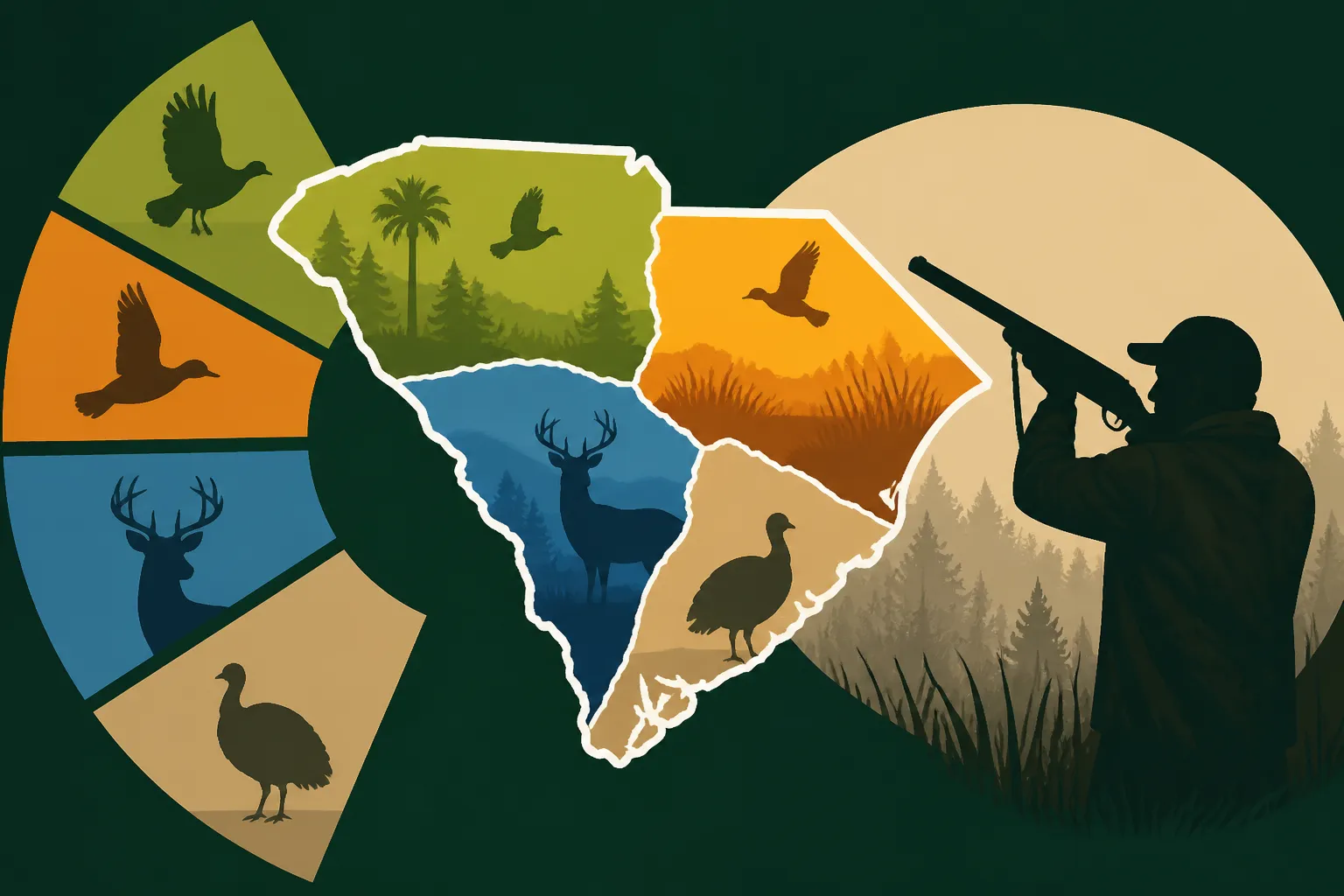
South Carolina stands out from many other states because it doesn't have a uniform deer season across all its counties. Instead, the state is divided into four distinct game zones, each with its own set of deer hunting regulations and season dates. This approach, while initially a bit confusing for new hunters or those accustomed to simpler statewide rules, is actually quite brilliant. It allows the Department of Natural Resources (SCDNR) to manage deer populations more precisely, tailoring hunting pressure to local conditions, habitat types, and even the varying timing of the deer rut across the state.
Why We Have Four Game Zones
The primary reason for dividing South Carolina into zones boils down to geography and deer biology. Our state is incredibly diverse, from the Appalachian foothills in the Upstate to the vast coastal plains and swamps of the Lowcountry. Deer populations, their health, breeding cycles, and even their antler growth can vary significantly across these different environments. For instance, deer in the warm, lush Lowcountry often rut earlier and have a longer breeding season compared to their counterparts in the cooler, more mountainous Upstate. By having separate zones, SCDNR can implement regulations that make sense for the deer in that specific region, aiming for healthier herds and sustainable harvests.
The General Philosophy Behind Zone Dates
At its core, the zone system aims to balance hunter opportunity with biological necessity. Historically, areas with higher deer densities and earlier rutting activity, like the Lowcountry, received earlier and longer seasons. This has shifted over time with population changes and modern management strategies. Generally, the coastal zones tend to open earlier, often in mid-August for archery, while the Upstate zone holds out until mid-October. This staggered approach helps distribute hunting pressure and aligns seasons more closely with local deer behavior. Understanding South Carolina's Four Game Zones is the first step in unlocking successful deer hunting across the state.
Zone 1: The Upstate Mountains and Foothills
Zone 1 covers the mountainous northwestern corner of South Carolina, including counties like Oconee, Pickens, and parts of Greenville. This region is characterized by rugged terrain, dense hardwood forests, and a distinctly different feel from the rest of the state. Hunters here face different challenges and opportunities, and the season dates reflect that unique environment.
Later Openers for Archery and Primitive Weapons
Unlike the early August openers found closer to the coast, Zone 1 has the latest deer season start dates in South Carolina. Archery season typically kicks off in mid-September on private lands, with primitive weapons following a couple of weeks later in October. This later start is partly due to the cooler climate, which often means the rut in the Upstate occurs later in the fall, usually peaking in November. It also allows deer a longer period of antler growth and for fawns to mature a bit more before hunting pressure begins. For those who enjoy Primitive Weapons Deer Hunting in South Carolina, these later, cooler hunts can be incredibly rewarding.
Modern Gun Season Timing
The modern gun season in Zone 1 is usually the shortest of all the zones, often running from mid-October through the end of November or early December. This shorter, concentrated gun season helps manage hunter numbers and provides a more intense hunting experience during the prime rut period. Hunters here often focus on hardwood ridges, looking for acorns and tracking mature bucks moving through the rugged topography. It's a completely different hunt from the agricultural fields or pine plantations of the Lowcountry. If you're planning on Hunting the Latest Upstate Zone Opener, be prepared for cooler weather and potentially steep climbs.
Zone 2: The Central Piedmont Region
Moving east from the Upstate, Zone 2 encompasses a large portion of the central Piedmont region. This area includes counties like Spartanburg, Chester, Laurens, and parts of Newberry and Fairfield. It's a mix of rolling hills, agricultural lands, and timber operations, providing a diverse habitat for deer. The season dates here serve as a transition between the late Upstate and the earlier coastal zones.
Archery and Primitive Season Flow
Archery season in Zone 2 typically opens in mid-September, a bit earlier than Zone 1 but still later than the coastal regions. Primitive weapons usually start in early October, providing a good window for hunters who prefer a more traditional challenge before the modern gun season. This allows for a solid month or more of bowhunting and muzzleloader opportunities, giving hunters time to scout and adapt to early fall conditions. Deer in this zone often benefit from agricultural food sources, making for larger-bodied animals and impressive antlers in some areas.
Understanding the Modern Gun Framework
The modern gun season in Zone 2 generally runs from mid-October through the end of December. This extended season provides ample opportunity, allowing hunters to target deer throughout the rut, which often peaks in this region during late October and early November. The mixed landscape means hunters might be still-hunting timber, sitting over a small food plot, or participating in organized deer drives, especially on larger tracts of private land. It’s a versatile hunting experience that demands different tactics depending on where you are within the zone.
Zone 3: The Northern Coastal Plain and Pee Dee
Zone 3 covers the northeastern portion of South Carolina, often referred to as the Pee Dee region, stretching down into parts of the northern coastal plain. Counties like Horry, Florence, Marion, and Dillon fall into this zone. This area is characterized by vast pine plantations, agricultural fields, and river bottom swamps, all contributing to a rich habitat for deer. Season dates here begin to lean towards the earlier side, reflecting the warmer climate and earlier rut.
The Archery Head Start
Archery season in Zone 3 typically opens in early September, offering hunters a significant head start compared to the Upstate. This early opening means dealing with warmer temperatures and active insects, but it also provides a unique challenge and opportunity to pattern deer before they become heavily pressured. It’s a time when deer are still on summer patterns, often focused on specific food sources like early-dropping acorns or agricultural fields. Many hunters use mapping tools, like those available through GoHunt, to pinpoint early season food sources and potential travel corridors.
Modern Gun and Primitive Season Overlap
The primitive weapons season usually begins in mid-September, overlapping with archery, and the modern gun season typically kicks off in early October. This means a substantial portion of Zone 3 has an open season for all legal weapons from mid-October through January 1st. This long season is reflective of the historical deer populations and habitat capacity in the Pee Dee and northern coastal areas. Hunters here often focus on the edges of agricultural fields, such as corn or soybeans, or dense pine thickets where deer bed down. With such a long season, it's crucial to understand South Carolina Deer Reporting Requirements to ensure you're compliant with all regulations.
Zone 4: The Southern Coastal Plain and Lowcountry
Zone 4 encompasses the southernmost and westernmost portion of South Carolina's coastal plain, often referred to as the Lowcountry. This includes counties such as Colleton, Beaufort, Charleston, Dorchester, and Berkeley. This zone is famous for its vast expanses of swamp, maritime forests, and rice fields, providing some of the densest deer populations in the state. Historically, this region has the earliest and longest deer seasons.
The Earliest Archery Opener in the State
If you're an early bird hunter, Zone 4 is your paradise. Archery season on private land here typically opens on August 15th, making it the earliest deer season opener in South Carolina. Hunting in August in the Lowcountry means battling intense heat, humidity, and mosquitoes, but it also provides an incredible opportunity to take a deer when they are still relatively unpressured and on predictable summer feeding patterns. This is when Bowhunting South Carolina's Long Archery Season truly begins, offering a unique challenge with big rewards.
A Long, Extended Gun Season
Primitive weapons open in September, and modern gun season on private lands generally begins in mid-September, extending all the way through January 1st. This is by far the longest general deer season in South Carolina, reflecting the historical abundance of deer and the biological need for robust management in this productive habitat. Deer in Zone 4 often have an earlier and more drawn-out rut, peaking anywhere from late September to late October, depending on the specific location. Hunters here often employ diverse tactics, from still-hunting cypress swamps to sitting over food plots or agricultural fields, and even organized deer drives. Understanding the specific Zone 4 Coastal Season Dates is paramount for any hunter venturing into this unique region. For those trying to plan out hunting access and seasons, online tools like GoHunt's mapping features can be incredibly helpful for identifying specific boundaries and public land opportunities within this expansive zone.
Navigating Zone-Specific Regulations and Seasons
While the zones dictate opening and closing dates for archery, primitive weapons, and modern gun seasons, there are other critical regulations that hunters need to be aware of. These include bag limits, WMA-specific rules, and antlerless deer opportunities, all of which can vary or have specific stipulations that apply across the zones.
Bag Limits and Antlerless Opportunities
South Carolina has a statewide antlered deer bag limit, meaning regardless of which zone you hunt in, the total number of antlered bucks you can harvest in a season is capped. However, antlerless deer opportunities, and how many tags you can fill, often vary by zone or even by specific WMA within a zone. For example, some zones might allow a higher daily limit of antlerless deer, or have certain days designated as "doe days." Always consult the current year's SCDNR Hunting & Fishing Regulations booklet or the Go Outdoors SC website before you head out. These details are crucial for responsibly Filling a Five-Deer Statewide Limit and managing the herd.
WMA and Public Land Considerations
Hunting on Wildlife Management Areas (WMAs) or other public lands often comes with its own set of rules that might override or supplement general zone regulations. Many WMAs have specific quota hunts, limited access periods, or unique weapon restrictions. For instance, an archery-only WMA within Zone 4 might have different dates than the surrounding private land. It's not uncommon for public lands, especially those in the national forests like Francis Marion or Sumter, to have a more conservative season structure than adjacent private lands. Always check the specific WMA regulations, often found on the SCDNR website or via interactive maps like those offered by GoHunt, before planning your public land hunt. This proactive check ensures you stay legal and safe.
The Importance of Staying Informed
The South Carolina hunting regulations, while generally stable, can see minor tweaks from year to year. New rules might be implemented based on deer population surveys, disease management, or public input. Therefore, it is absolutely essential to review the official SCDNR regulations guide every year before the season begins. Ignorance of the law is never an excuse, and a simple check can save you a lot of trouble. Make it a habit to look up South Carolina Hunting Licenses and What They Cost and review the regulations for your specific zone and desired hunting area.
Here's a quick reference table for general season date ranges by zone (always verify with current SCDNR regulations):
| Game Zone | Archery (Private Land) | Primitive Weapons (Private Land) | Modern Gun (Private Land) | General Rut Peak (Estimate) |
|---|---|---|---|---|
| Zone 1 | Mid-September – Oct 10 | Oct 1 – Oct 10 | Oct 11 – Nov 30 | Mid-November |
| Zone 2 | Mid-September – Oct 10 | Oct 1 – Oct 10 | Oct 11 – Dec 31 | Late Oct – Early November |
| Zone 3 | Sep 1 – Jan 1 | Sep 1 – Jan 1 | Oct 1 – Jan 1 | Mid-October |
| Zone 4 | Aug 15 – Jan 1 | Sep 1 – Jan 1 | Sep 15 – Jan 1 | Late Sep – Late October |
Note: These dates are approximate and subject to change. Always consult the current year's SCDNR regulations for precise dates and WMA-specific rules.
Disclaimer
The information provided in this article is for general guidance only and does not constitute legal advice. Hunting regulations in South Carolina are subject to change, and it is the hunter's sole responsibility to consult the official South Carolina Department of Natural Resources (SCDNR) regulations guide for the current year before participating in any hunting activities.