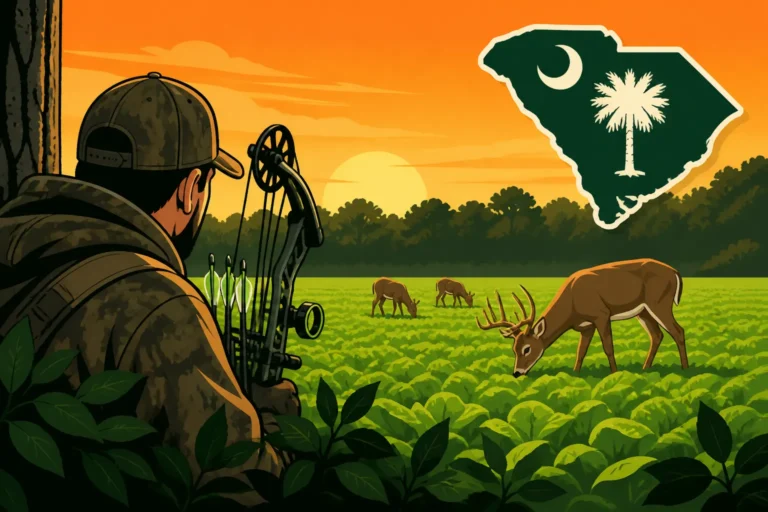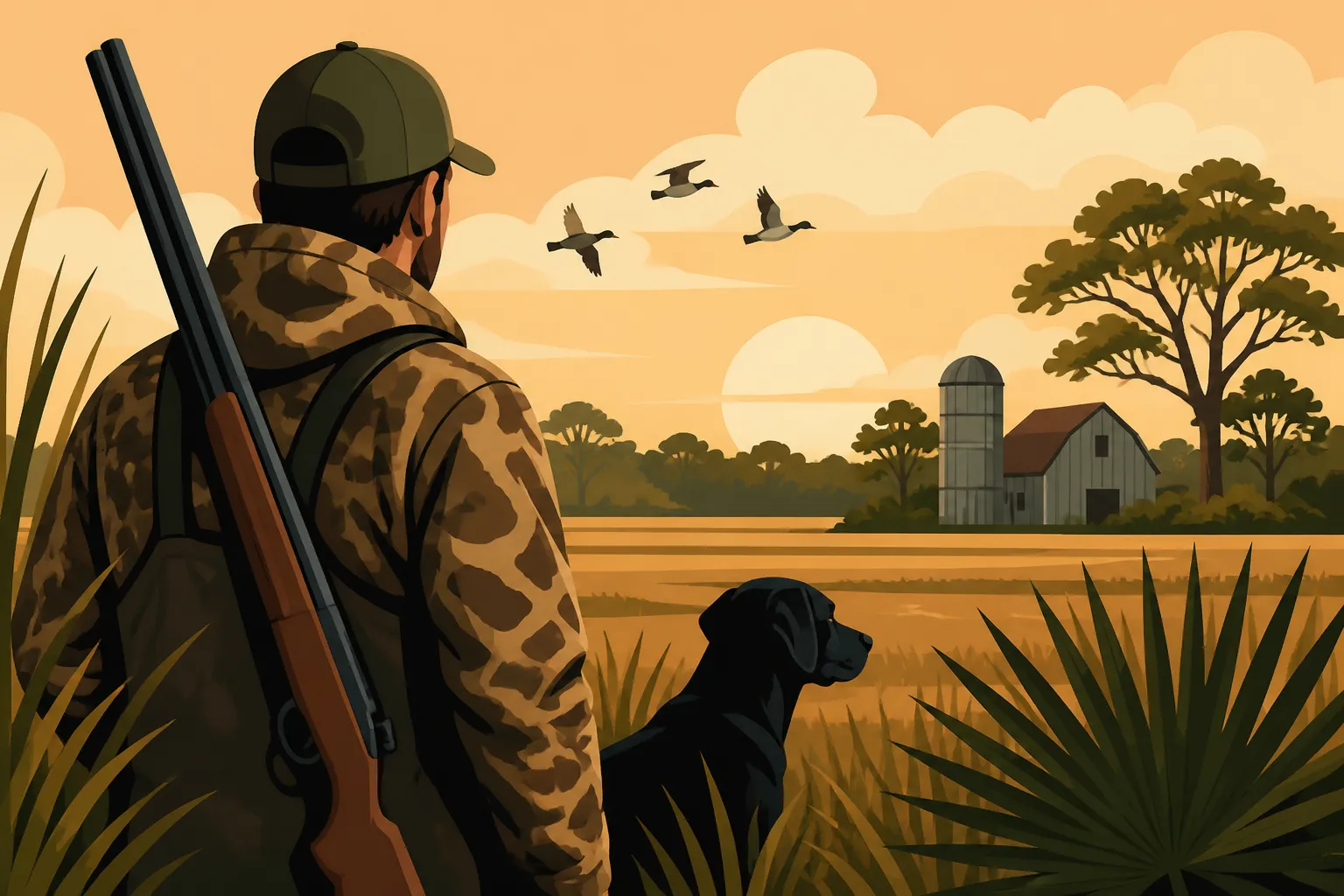
Knocking on Doors in Lowcountry Farm Country
Finding hunting land in South Carolina's Lowcountry farm country can feel like trying to solve a puzzle with half the pieces missing, especially if you don't have existing connections. Many hunters feel the frustration of limited public access and the daunting task of approaching private landowners. This guide will walk you through a realistic, respectful, and effective strategy for knocking on doors and securing permission to hunt on those prime Lowcountry agricultural tracts.
Understanding the Lowcountry Farmer's Perspective
Before you even think about stepping onto someone's property, it’s crucial to put yourself in the shoes of a Lowcountry farmer. Their land is their livelihood, their home, and often, a legacy passed down through generations. They aren't just looking at a few deer; they're looking at their family's well-being, crop damage, security, and the peace of mind that comes with knowing who is on their property.
Why Farmers Are Often Hesitant
Many farmers have had bad experiences in the past. Perhaps a hunter left gates open, drove across freshly planted fields, shot too close to homes or livestock, or simply didn't respect boundaries. These negative encounters create a significant barrier of distrust. They worry about liability if someone gets hurt, the potential for property damage, or the general disruption of their daily operations. The Lowcountry, with its rich agricultural heritage, often sees multi-generational farmers who have heard all the stories, good and bad, about allowing outsiders onto their land. They might also already have family, friends, or established hunting clubs using their property, making them less inclined to open it up to new people. The idea of adding an unknown person to that equation can be a major source of anxiety for them.
What Landowners Truly Value in a Hunter
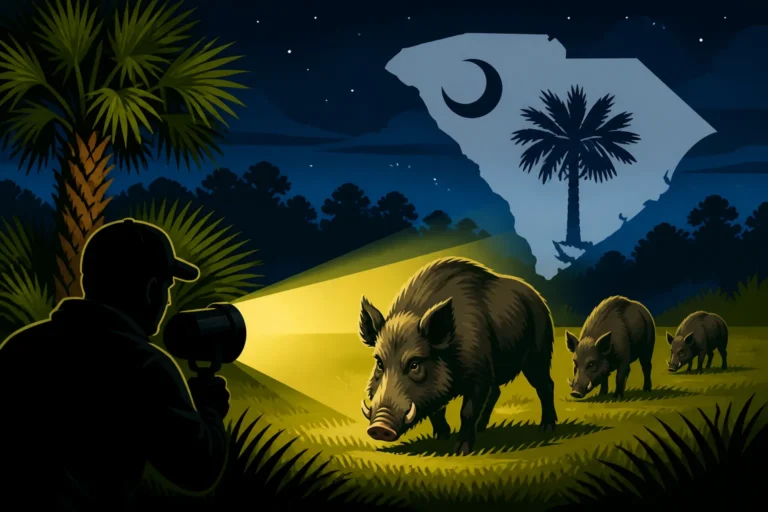
What a farmer truly values goes far beyond simply taking a deer. They value respect, reliability, and responsibility above all else. They want someone who understands that their farm is a working environment and that hunting is a privilege, not a right. Often, their biggest concerns are property security and agricultural damage. Feral hogs, for instance, cause immense devastation to crops across the Lowcountry, rooting up fields and creating costly repairs. A hunter who can offer a solution to the ongoing issue of Crop Damage Hogs Cause in South Carolina might be seen as a valuable asset rather than just another person wanting to hunt. They appreciate clear communication, adherence to rules, and someone who will treat their property as if it were their own. Honesty and a genuine desire to build a relationship, rather than just get a tag, will set you apart.
Preparation Before You Knock
You wouldn't go into an important job interview without preparing, and asking for hunting permission is no different. Your preparation speaks volumes about your character and your seriousness. This isn't just about showing up; it's about showing up with a plan and a presentation.
Scouting and Research is Key
First things first, do your homework. Start by identifying specific tracts of land that genuinely interest you. Don’t just drive aimlessly. Use online mapping tools like GoHunt, OnX Hunt, or even Google Earth to identify promising areas. Look for telltale signs of deer activity adjacent to fields, timber pockets, creek bottoms, or areas that seem difficult to access for the general public. Pay attention to properties that are bordered by public land or those with substantial cover that might hold deer. Once you've pinpointed a few properties, try to find the landowner's name and contact information. County tax assessor websites are often public resources for this, or sometimes you can piece it together through local connections. Understanding Finding South Carolina Property Lines will be crucial here. Knowing who you're speaking to, and maybe even a little about their farming operation, shows initiative and respect.
What to Bring With You
When you actually go to knock on a door, you need to be prepared. Appearance matters; dress neatly, but don't overdress to the point of appearing disingenuous. Business casual is usually a good bet. Bring a small, organized folder containing a few key items:
- Your South Carolina Hunting License and Big Game Permits: Proof that you're a legal, responsible hunter.
- References: Have a list of 2-3 character references (non-family members) who can vouch for your responsibility and respect for property. Perhaps a previous landowner, a hunting buddy, or a work colleague.
- Liability Waiver: A simple, pre-written liability waiver (templates are easily found online) that absolves the landowner of responsibility if you get injured on their property. While it's not foolproof, it shows you're thinking proactively about their concerns.
- A Map: A printout or digital map (from GoHunt or similar) of their property with areas you've scouted or specific access points you'd like to use. This demonstrates you've thought about logistics.
- Pen and Paper: To take notes.
- A Small Gift (Optional, but highly recommended): A pie from a local bakery, a gift certificate to a local farm supply store, or even a small batch of homemade jam. It’s not a bribe, but a gesture of goodwill and appreciation for their time. This little touch can really make a difference in how you're perceived, moving you beyond just another hunter.
The Art of the Knock: What to Say and Do
This is the moment of truth. Approach with confidence, humility, and an understanding that "no" is always a possibility. Your demeanor will be just as important as your words. Remember, you're interrupting their day, so be mindful of their time.
Initial Approach and Conversation Starters
When you get to the door, always introduce yourself clearly and state your purpose upfront. Start by saying something like, "Good morning/afternoon, my name is [Your Name], and I'm a local hunter. I know you're busy, but I was wondering if I could trouble you for just a couple of minutes of your time?" This immediately acknowledges their busy schedule and sets an expectation for a brief conversation.
If they grant you a moment, pivot to expressing genuine admiration for their land and farming operation. "I've noticed your farm as I've driven by, and it's clear you take great pride in your work. It's a beautiful piece of Lowcountry property." Then, get to the point, but gently. "I've been looking for a place to hunt deer and, more specifically, feral hogs, as I know they can be a real nuisance for farmers. I was wondering if you ever allow anyone to hunt on your property?"
Be prepared for questions, and answer them honestly and thoroughly. Highlight your responsible nature. Mention that you're quiet, respect boundaries, and always check in before hunting. If they express concerns about South Carolina Trespass and Permission Law, reassure them of your commitment to following all regulations. Offer your references and the liability waiver. Emphasize your interest in helping with hogs or other predator control if that's a known issue on their farm. Many farmers are genuinely plagued by wild pigs and appreciate an honest offer of assistance, turning a hunting request into a mutually beneficial arrangement.
What to Offer and When to Walk Away
If they show interest, be clear about what you're asking for:
- Specific Game: Are you interested in deer, hogs, small game, or a combination? Be specific.
- Timeframe: Are you asking for a day, a season, or a longer-term arrangement?
- Access Points: Show them on your GoHunt map where you'd like to access and how you plan to minimize disruption.
- Rules You'll Follow: Propose common-sense rules: no driving in fields, strict gate closure, adherence to property boundaries, checking in and out, and prompt reporting of any issues you observe.
Be ready to negotiate. Maybe they only want you to hunt hogs, or only during specific times. Be flexible. If they say no, accept it gracefully. Thank them for their time and move on. Do not push, argue, or try to change their mind. A polite acceptance of "no" leaves a far better impression than badgering, and sometimes, a "no" today can turn into a "yes" next year if you’ve left them with a positive memory of your respectful approach. Always leave your name and phone number, even if it's a "no," in case circumstances change.
| Aspect of the Approach | What to Do (Do's) | What to Avoid (Don'ts) |
|---|---|---|
| Appearance | Dress neatly, respectfully | Look disheveled or overly casual |
| Initial Greeting | Introduce yourself clearly, state purpose briefly | Ramble, assume familiarity, be vague |
| Conversation | Express genuine admiration for their farm, be direct | Complain about public land, act entitled |
| Your Offer | Be specific about game, timeframe, and access | Make vague promises, demand open access |
| Farmer's Concerns | Address liability, crop damage (hogs), safety | Dismiss their worries, get defensive |
| Materials | Have license, map, references, waiver ready | Show up empty-handed |
| Outcome | Accept "no" gracefully, thank them for their time | Argue, beg, leave a bad impression |
Building Long-Term Relationships
Getting permission is just the first step. The real success lies in cultivating a lasting relationship based on trust and mutual respect. Think of this as a partnership, not a transaction.
Respecting the Land and the Rules
Once you have permission, uphold every single promise you made, and then some. This includes always checking in before you hunt and checking out afterward, whether by a quick text or a phone call. Never bring extra hunters without explicit permission. Respect property boundaries like they're solid walls, even if you think a deer is just over the line. Be especially mindful of South Carolina's Four Game Zones boundaries and local ordinances that might affect hunting hours or methods. Drive slowly on farm roads, close all gates, and never leave trash or spent casings. If you see something amiss on their property—like a fallen fence post or an open gate—report it to them immediately. Being an extra set of eyes and ears demonstrates your value beyond just hunting. Knowing the rules and adhering to them, especially regarding proper game checking and South Carolina Deer Reporting Requirements, reinforces your reliability.
Follow-Up, Gratitude, and Continued Assistance
Don't let your communication end once you've secured permission. A simple text after a successful hunt saying "Got a nice doe today, thanks again for the opportunity!" goes a long way. After the season, a handwritten thank you card or a small gift (like some processed venison if they enjoy it) is always appreciated. You could also offer to help with small chores around the farm, such as mending fences, clearing brush, or even just helping to retrieve a stray calf if you're able. The key is to offer assistance without expectation, showing that you value the relationship more than just the hunting privilege. If you successfully take down a few hogs, be sure to let them know the impact you’re having on their Feral Hogs Across South Carolina problem. This kind of consistent, respectful engagement builds a bond that can last for years, securing not just a hunting spot, but a friendship. Remember, a good reputation among landowners is invaluable, and in the tight-knit Lowcountry communities, word travels fast.
Disclaimer
Please note that hunting regulations, license requirements, and landowner permissions can change. Always consult the latest South Carolina Department of Natural Resources (SCDNR) regulations before hunting. This guide is for informational purposes only and does not constitute legal advice.