Francis Marion National Forest Hunting
Hunting in South Carolina can be an incredibly rewarding experience, but the state's diverse geography, especially the vast and often challenging lowcountry terrain, presents unique hurdles. Many hunters find themselves scratching their heads when trying to navigate the sprawling, complex landscape of places like the Francis Marion National Forest, wondering how to even begin breaking down such an immense public land opportunity. This guide is dedicated to helping you unravel the mysteries of hunting the Francis Marion, offering practical insights and detailed strategies to make your time in this iconic South Carolina wilderness both successful and enjoyable.
A Deep Dive into Francis Marion National Forest
The Francis Marion National Forest isn't just a patch of woods; it's a massive, living ecosystem spanning hundreds of thousands of acres in coastal South Carolina, roughly northeast of Charleston. For hunters, it represents an unparalleled public land opportunity, but it also comes with its own set of challenges. We're talking about a landscape that can shift dramatically from dense pine plantations to ancient cypress-tupelo swamps, often within a stone's throw. Understanding this environment is the first step to successful hunting.
Understanding the Unique Ecosystem
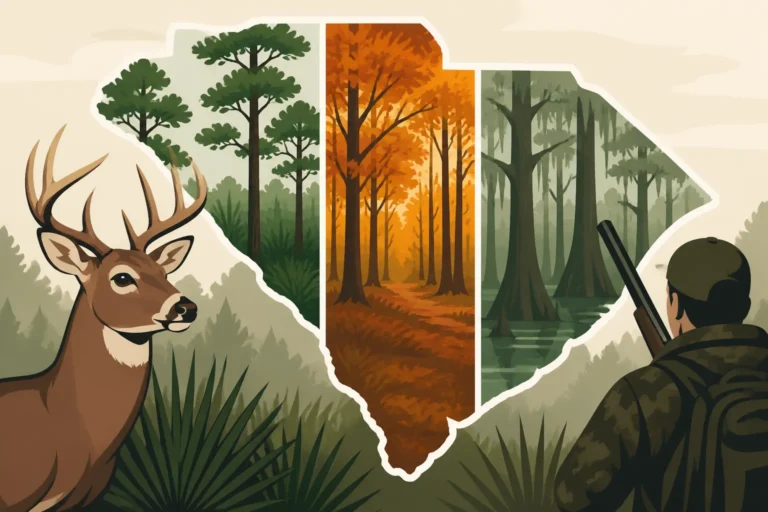
Imagine stepping out of your truck and immediately being enveloped by the humid, fragrant air, the calls of unseen birds echoing through towering longleaf pines. That's the Francis Marion. This forest is characterized by a fascinating mix of habitats, largely shaped by its proximity to the Atlantic Ocean and its low-lying topography. You'll encounter vast stretches of managed pine forests, often with a relatively open understory thanks to prescribed burns – crucial for wildlife. Then, almost without warning, these upland pines can give way to dense, tangled bottomland hardwoods and deep, dark cypress swamps. These swamps are the lifeblood of the forest, holding water even in the driest times, and creating natural travel corridors and bedding areas for deer and other game.
The coastal influence also means a different kind of "winter" than what you might find further inland. Food sources remain available longer, and game patterns can be less predictable than in areas with distinct, harsh winters. Understanding these transitions, from dry pine ridges to soggy creek bottoms, is key to finding where animals live and move. The sheer scale of the forest means animals have ample room to roam, and finding their patterns requires dedication and keen observation.
Navigating Access and Boundaries
One of the biggest frustrations hunters face in any large public land area is simply figuring out where they can go and where they can't. The Francis Marion is crisscrossed by an extensive network of forest roads, some well-maintained and gravel, others more primitive dirt paths that might require four-wheel drive, especially after a good rain. These roads are your primary access points. However, the forest is not one contiguous block of public land. It contains numerous private inholdings – parcels of private property surrounded by national forest land. This can be incredibly confusing if you're not prepared, as you might be hunting along a promising-looking ridge only to find a "No Trespassing" sign popping up unexpectedly.
This is where modern mapping tools become absolutely indispensable. Applications like onX Hunt provide incredibly detailed satellite imagery combined with property boundary lines, allowing you to see exactly where public land ends and private land begins. This digital overlay on your phone or GPS unit is a game-changer for avoiding accidental trespass and making sure you're hunting legally. Always carry a paper map as a backup, though, because cell service can be spotty at best in many parts of the Francis Marion. Look for signs posted by the Forest Service, indicating boundaries or specific regulations for certain areas. Trust me, getting lost or accidentally crossing onto private property is a surefire way to ruin a hunt.
Respecting the Multi-Use Environment
The Francis Marion National Forest is a resource for everyone, not just hunters. You'll encounter a diverse group of outdoor enthusiasts enjoying the same landscape. Hikers might be exploring a section of the Palmetto Trail, equestrians riding the extensive horse trails, mountain bikers speeding along designated paths, or birdwatchers quietly observing migratory species. Campers set up tents in designated campgrounds or along forest roads. This multi-use environment means hunters need to be extra vigilant and courteous.
Safety is paramount. Always be aware of your surroundings, and if you're still-hunting or moving through thick cover, always assume there might be another person nearby, even if you don't see their vehicle. Wearing blaze orange, even when not legally required for your specific season, is a smart choice to increase your visibility to other forest users. South Carolina Blaze Orange Requirements detail when it's mandatory, but an extra layer of safety never hurts. Beyond safety, simply being respectful goes a long way. A friendly nod or a wave to a hiker can help foster a positive image for hunters. Remember, we share this incredible natural resource, and demonstrating respect for all users helps ensure continued access and enjoyment for everyone.
Deer Hunting Opportunities in the Francis Marion
Deer hunting is arguably the most popular pursuit in the Francis Marion, drawing countless hunters each season. While the sheer density of deer might not always match some of the intensively managed private lands, the challenge and reward of harvesting a wild lowcountry buck or doe on public land are immense. The Francis Marion falls entirely within South Carolina's Zone 4, which means specific season dates and regulations that differ from other parts of the state.
Season Dates and Regulations
Understanding the season structure is non-negotiable for hunting the Francis Marion. As part of Zone 4, this region boasts some of the earliest deer season openers in the state, often kicking off in mid-August for archery. This can be a real blessing and a curse: more days in the woods, but also intensely hot and humid conditions. The early opener means hunters need to be prepared for Warm-Weather Sitting Strategy in South Carolina and proper meat care. The season then typically progresses through primitive weapons (muzzleloader) season, eventually leading into the general firearms season. South Carolina's Zone 4 Coastal Deer Season provides detailed dates and rules specific to this zone.
It's crucial to consult the latest South Carolina Department of Natural Resources (SCDNR) regulations annually, as dates and rules can shift. Pay close attention to bag limits, which can vary between antlered and antlerless deer, and whether a WMA permit is required for the specific area you're hunting within the Francis Marion. Remember, the statewide antlered bag limit applies, but antlerless deer limits often depend on daily or weekly allowances. Hunters are also required to report all harvested deer through the South Carolina Deer Reporting Requirements system, which is a vital part of the state's deer management efforts.
Key Habitat Types for Whitetails
Deer in the Francis Marion are masters of adaptation, using the varied landscape to their advantage. One of the primary habitat types you'll encounter, and one that often holds deer, is the vast pine flatwoods. These areas, particularly those with a history of prescribed burns, can offer good forage and open sight lines. However, deer often favor the edges and transitions. Look for where these pine stands meet thicker bottomland hardwoods, creek drains, or dense young clear-cuts. These "edge" habitats provide both food and cover, acting as natural travel corridors.
The cypress-tupelo swamps and associated bottomland hardwoods are absolute magnets for deer, especially during times of heavy hunting pressure in the uplands. Deer will often bed deep within these wet, tangled areas, emerging to feed along the drier edges or on elevated islands within the swamp. Identifying these islands, or "hammocks," can be incredibly productive. These higher ground spots offer refuge from water and often grow different forage, such as oaks, which become prime food sources when acorns drop. Learning to read these diverse habitats will greatly improve your chances of locating deer. Think about areas where food, water, and thick cover converge – that’s often where the deer will be.
Effective Tactics for Swamp and Pine Woods
Hunting the Francis Marion requires specific tactics tailored to its unique terrain. For the vast pine woods, still-hunting can be very effective, especially during the early archery or primitive weapons seasons. Moving slowly, stopping frequently, and using your binoculars to pick apart the shadows can yield results. Focus on logging roads, fire breaks, and the subtle changes in elevation that might indicate a deer trail. When it comes to stand placement, consider how deer will use the wind and cover. A stand overlooking a pinch point where a pine ridge meets a swamp edge can be golden. Treestand Setups in Francis Marion National Forest dives deeper into specific strategies for elevated hunting here.
The swampy areas demand a different approach. Often, the best tactic is to identify those drier islands or ridges within the swamp and figure out how deer are accessing them. This might mean wading through knee-deep water, so appropriate gear like waders or Snake Boots for South Carolina Swamp Ground are a must. Ground blinds, brushed in naturally, can also be very effective along swamp edges or on isolated hammocks, offering concealment in areas where treestand placement might be difficult or limited. During the gun season, small, organized deer drives can be productive in pushing deer out of thickets and swamps, but always be mindful of other hunters and safety protocols. Deer Drives With Three or Four Hunters offers a good starting point for coordinating safe and effective small drives.
| Deer Season Type | Typical Timing (Zone 4) | Common Habitat Focus | Preferred Tactics |
|---|---|---|---|
| Archery | Mid-August to Mid-September | Swamp edges, food plots, clear-cut regrowth | Still-hunting, stand hunting over natural funnels |
| Primitive Weapons | Mid-September to Mid-October | Pine ridges with mast, transition zones | Stand hunting, slow still-hunting in heavier cover |
| General Firearms | Mid-October to January 1 | Thicker swamps, dense cover, pinch points | Stand hunting, small drives, focusing on pressured areas |
Turkey Hunting Strategies in Francis Marion's Lowcountry
Spring turkey hunting in the Francis Marion National Forest is an experience unlike any other. The vast, often damp landscape, combined with the calls of gobblers echoing through dense woods, creates a truly wild hunting adventure. However, it's not without its specific challenges, from thick undergrowth to managing expectations in a large, public setting.
Locating Gobblers in Vast Timber
Finding turkeys in a forest as immense as the Francis Marion can feel like searching for a needle in a haystack. Unlike smaller private tracts where birds might be concentrated, Francis Marion gobblers have enormous home ranges. Your best bet is to focus on areas that offer prime roosting habitat and potential strutting zones. Look for mature pine stands, especially longleaf pines, or large oaks along creek bottoms and swamp edges. These tall trees provide ideal roosting cover. Early morning scouting, before the season opens, is invaluable for Scouting South Carolina Public Land Before Season. Listen for gobblers on the roost, either from your vehicle on forest roads or by walking quietly into areas before dawn.
Once a bird is located, your approach needs to be calculated. Due to the thick understory that can develop in many areas, getting close enough for a setup without spooking a bird can be tricky. Use locator calls like owl hoots or crow calls to pinpoint gobblers, then plan your move. Turkeys in the Francis Marion are often wary, having encountered hunters before, so a cautious approach is best. Don't be afraid to move silently for a quarter-mile or more if you've got a bird talking a good distance away.
Challenges of Swamp-Edge Turkey Hunting
The unique lowcountry environment of the Francis Marion presents particular hurdles for turkey hunters. The prevalence of water is a major factor. You might hear a gobbler across a creek you can't cross, or find him strutting on an island you can't easily reach. This means adapting your strategy. Sometimes, setting up on the closest dry ground you can find and trying to call him across the water is your only option. Another significant challenge is visibility. Even in open pine stands, pockets of dense palmetto or young growth can obscure your view, making it hard to see a strutting tom until he's right on top of you, or worse, too late.
Insects are another battle. Early spring can bring out the mosquitoes and ticks, making long sits uncomfortable. Always carry a good bug repellent and consider permethrin-treated clothing. Finally, the sheer quietness of the woods, sometimes interrupted only by distant calls, can play tricks on your ears. Distinguishing a gobble from another forest sound takes practice. Despite these challenges, the satisfaction of working a Francis Marion gobbler, finally seeing him emerge from the shadows, is truly unmatched.
Decoy and Calling Considerations
When it comes to calling, less can often be more with public land turkeys in the Francis Marion. Overcalling can quickly educate a wary gobbler. Start with soft hen yelps and clucks, mimicking natural sounds. Gauge his interest, and if he responds, maintain that subtle conversation. Locator calls are excellent for finding birds, but once you've got one engaged, switch to more realistic hen sounds. Slate and mouth calls are both effective, but always practice before the season to ensure your calls are crisp and realistic. Grunt Calls in Mature South Carolina Timber refers to deer, but the principle of natural sounds applies to turkeys too.
Decoy use can be a mixed bag. In more open areas, like along the edge of a pine plantation or a forest road, a single hen or jake decoy can draw a curious gobbler in. However, in thick cover, decoys might not be visible enough to be effective, and they can potentially give away your position to a sharp-eyed bird. If you do use decoys, consider a non-strutting hen or a submissive jake to avoid intimidating other birds or creating a target for a competitive hunter. Always set up your decoy where you have a clear shot and be aware of your backdrop. Given the prevalence of cypress swamps and low-lying areas, you might find yourself Calling a South Carolina Gobbler Off the Roost more often than pulling one across a field.
Exploring Small Game and Other Species
While deer and turkey get a lot of the spotlight, the Francis Marion National Forest offers a wealth of opportunities for other game species, often presenting a less crowded and equally rewarding experience. Diversifying your hunts can also help you learn the forest intimately, making you a better all-around hunter.
Squirrel and Rabbit Hunting Prospects
For a more relaxed pace, or an excellent way to introduce new hunters to the woods, squirrel and rabbit hunting in the Francis Marion can be incredibly productive and fun. Squirrels thrive in the abundant oak and other hardwood bottomlands, particularly along the Edisto and Cooper River drainages that border or flow through parts of the forest. Look for areas with mature hardwoods that produce mast crops like acorns and hickory nuts. Squirrel Hunting South Carolina Bottomland Hardwoods provides excellent tactics for these areas. Early morning or late afternoon, when squirrels are most active, are prime times. A good pair of binoculars can help you spot their movements high in the canopy.
Rabbits, particularly cottontails, prefer brushy cover, clear-cuts with dense regrowth, and the edges of fields or pine plantations. The thick palmetto patches and briar thickets found throughout the Francis Marion provide excellent rabbit habitat. Hunting with beagles or other small game dogs is a popular and very effective method, as the dogs can push rabbits out of cover. Still-hunting these thickets with a shotgun can also yield results. These small game seasons often run concurrently with parts of the deer season, offering a chance to fill your vest after your deer hunt, or if the deer aren't moving.
The Ever-Present Feral Hog Challenge
Feral hogs are an undeniable presence across the Francis Marion, and indeed, all of South Carolina. They are an invasive species that cause immense ecological damage, rooting up forest floors, destroying crops, and competing with native wildlife for food. The good news for hunters is that they can be hunted year-round on private land, and during any legal hunting season for other species on public land like the Francis Marion, provided you have the appropriate licenses and permits. South Carolina's Year-Round Feral Hogs provides a comprehensive look at these animals.
Hogs are prolific breeders and incredibly smart. Look for their distinctive rooting signs, wallows, and fresh tracks, particularly around water sources and thick, swampy areas where they love to bed. Trail cameras can be incredibly useful for patterning their movements. Still-hunting early in the morning or late in the evening along known hog trails can be effective. They are often most active at night, so hunting them during daylight hours can be a challenge. Trapping is also a very effective method, particularly for removing larger numbers of hogs from a specific area. Remember, any method you use helps manage this destructive species.
Waterfowl Hunting Along the Edges
While the Francis Marion is primarily known for its deer and turkey, its proximity to the coast and the presence of numerous tidal creeks, rivers, and impoundments mean that waterfowl hunting opportunities exist, particularly along its eastern and southern edges. The forest interacts with the tidal marshes of the Atlantic Flyway, bringing in various species of ducks and geese. The best waterfowl hunting is typically found in or adjacent to the designated Wildlife Management Areas (WMAs) within the Francis Marion, many of which have specific managed impoundments or access to tidal creeks.
Species like wood ducks, mallards, and various divers and dabblers can be found. Hunting these areas often requires specialized gear such as waders, decoys, and a boat or kayak for access. You'll need to understand the tidal movements, as these can greatly influence where and when birds are feeding or loafing. Hunting Coastal Marsh Waterfowl is an excellent resource for understanding these unique conditions. Always check specific WMA regulations for waterfowl season dates, bag limits, and any special drawing or permit requirements, as these can be quite strict for managed waterfowl areas.
Essential Gear and Scouting for Francis Marion
Hunting in the Francis Marion National Forest is an adventure, but it's one that demands proper preparation, especially when it comes to gear and understanding the terrain before you even step foot in it. The unique lowcountry environment means you can't just show up with any old setup and expect success.
Clothing and Footwear for Wet, Warm Conditions
The South Carolina lowcountry, especially the Francis Marion, is synonymous with heat, humidity, and moisture. This dictates your clothing choices. Forget heavy layers for most of the deer season, which starts in August. Focus on lightweight, breathable, moisture-wicking fabrics in camouflage patterns. Early season hunts might even call for full mesh hunting shirts to maximize airflow. As the season progresses into late fall and early winter, layering becomes more important, but still prioritize versatility for fluctuating temperatures.
Footwear is perhaps the most critical gear decision for the Francis Marion. You will encounter water. Whether it's standing puddles, boggy ground, or full-on swamp crossings, your feet will get wet if you're not prepared. Snake boots are almost a mandatory piece of equipment, not just for water protection but also for safety from venomous snakes that are prevalent in these habitats. Look for boots that are waterproof, comfortable for long walks, and provide good ankle support. Rubber boots or even chest waders might be necessary for specific areas or for retrieving game from deeper water. Don't forget high-quality, moisture-wicking socks to prevent blisters. And bug spray! Lots and lots of bug spray.
Navigational Tools and Mapping Resources
Trying to navigate the Francis Marion with just a vague sense of direction is a recipe for getting lost. The forest is vast and often featureless to the untrained eye. A reliable GPS unit or a smartphone with a robust hunting app is absolutely essential. We highly recommend digital mapping resources like onX Hunt or GoHunt. These apps provide detailed topographical maps, satellite imagery, and, crucially, property boundary lines that show you where public land ends and private property begins. This feature alone is worth the subscription, as private inholdings are common and easily stumbled upon.
Before you go, download offline maps to your device, as cell service will be non-existent in many parts of the forest. Mark potential hunting spots, access points, and parking areas. A physical compass and a paper map of the area are also highly recommended backups, should your electronics fail. Learn to read a topographic map to understand elevation changes (even subtle ones are significant in flat terrain) and water flow. Good navigation is not just about finding your way, it's about being able to get to your stand, find your way back to your truck in the dark, and locate that deer you just shot.
Pre-Season Scouting Techniques
Successful hunting in the Francis Marion often boils down to thorough pre-season scouting. You can't just drive in on opening morning and expect to find prime spots. Start your scouting digitally from home. Use those mapping apps to identify potential access points, likely bedding areas (thick cover near water), feeding areas (hardwoods with mast, clear-cuts with browse), and pinch points or funnels where deer might travel. Look for subtle changes in elevation, creek crossings, or areas where different habitat types converge.
Once you have some digital points of interest, it's time to hit the woods. Walk quietly, looking for deer sign: tracks, rubs, scrapes, and droppings. Pay attention to game trails, especially those leading into or out of thick cover. Don't be afraid to put on some serious miles. In a forest this large, finding those hidden pockets that don't see as much pressure can be the key. Look for mast trees and observe if any acorns are dropping. Hang trail cameras in promising areas, especially along logging roads or at creek crossings, but always be mindful of Trail Camera Rules on South Carolina Public Land. Scouting isn't just about finding deer; it's about understanding the land and how the deer use it.
Safety and Ethical Considerations in the Forest
Hunting in any large wilderness area, especially one as rugged and diverse as the Francis Marion National Forest, comes with inherent risks and responsibilities. Beyond the rules and regulations, understanding general safety practices and upholding ethical standards are paramount to ensuring a positive experience for yourself and others.
Understanding Bear Encounters and Precautions
While often associated with the Upstate mountains, South Carolina has a significant and growing population of black bears in its coastal regions, including the Francis Marion National Forest. South Carolina's Black Bear Population has expanded, and encounters are becoming more common. While black bears are generally shy and avoid humans, it's crucial to be aware of their presence and take precautions, especially if you're hunting in thick, remote areas.
If you encounter a bear, never approach it. Make noise, make yourself look as large as possible, and slowly back away. If a bear approaches you, especially if it seems curious or aggressive, be assertive and loud. Carrying bear spray is a wise precaution, especially during primitive weapons or archery seasons when you're moving more quietly. Be mindful of food storage at your camp or in your vehicle, as bears are attracted to easy meals. Knowing how to react calmly and responsibly can prevent a potentially dangerous situation. Hunting South Carolina Black Bear Without Bait is a great resource if you're interested in pursuing these animals.
Heat, Humidity, and Hydration
The Francis Marion's climate is characterized by high temperatures and oppressive humidity for much of the hunting season, particularly from August through October. Dehydration and heat-related illnesses are serious risks that many hunters underestimate. Always carry more water than you think you'll need, especially during early season hunts. A hydration pack is an excellent investment. Electrolyte supplements can also help replace salts lost through sweating.
Dress in lightweight, breathable clothing, and take frequent breaks. If you start feeling dizzy, nauseous, or experience cramping, stop immediately, find shade, and rehydrate. Hunting alone in remote areas under these conditions adds to the risk. Inform someone of your hunting plans, including your exact location and expected return time. It’s also crucial to plan for swift game recovery. A deer left in the heat for too long can spoil quickly, so have a plan for Field Dressing a Deer in Warm Weather and getting it on ice as fast as possible.
Respecting Property and Fellow Hunters
Ethical conduct is the bedrock of hunting. This means not only adhering to all local and state regulations but also demonstrating respect for the land, the wildlife, and other people. As mentioned earlier, the Francis Marion has many private inholdings. Use your mapping tools to stay on public land. Accidental trespass is still trespass, and it can give all hunters a bad name. South Carolina Trespass and Permission Law is clear on this.
Additionally, be courteous to other hunters. If you arrive at a popular spot and see another vehicle, consider moving to a different area to give everyone space. Don't crowd other hunters. If you encounter someone in the woods, a friendly wave or quiet acknowledgment is usually sufficient. Clean up after yourself, leaving no trash or human impact behind. This includes spent casings, food wrappers, and anything else you brought in. Leave the forest better than you found it. Ethical behavior ensures the longevity of hunting opportunities for everyone.
Permit Requirements and WMA Overlap
Navigating the various licenses and permits for hunting in South Carolina can feel like a bureaucratic maze, and the Francis Marion National Forest adds another layer of complexity due to its designation and inclusion of specific Wildlife Management Areas (WMAs). Understanding these requirements is crucial to avoid legal issues and ensure you're hunting legally.
Francis Marion WMA Regulations
While the Francis Marion is a national forest, large portions of it are managed by the SCDNR as Wildlife Management Areas (WMAs). This is a critical distinction. WMAs often have specific regulations that differ from general statewide rules or even other national forest lands. Within the Francis Marion, you'll find popular WMAs like Santee WMA, Hellhole WMA, and Wambaw WMA. Each of these can have unique season dates, bag limits, equipment restrictions (e.g., specific rules for ATVs or trail cameras), and even special quota hunts.
It is absolutely essential to consult the SCDNR's annual hunting regulations specific to the WMA you plan to hunt within the Francis Marion. These regulations are usually published online and often available in print at local tackle shops or SCDNR offices. Don't assume that just because it's a national forest, the rules are uniform. For example, South Carolina WMA Turkey Rules might differ significantly from private land turkey rules. Pay close attention to any sign-in/sign-out requirements for quota hunts or daily public access.
License and Big Game Permit Requirements
To hunt in the Francis Marion, you'll first need a valid South Carolina hunting license. Residents and nonresidents have different options, ranging from annual licenses to multi-year or lifetime choices. Beyond the basic hunting license, if you plan to hunt deer, bear, or turkey, you'll also need to purchase a Big Game Permit. This permit covers these species across the state. South Carolina Hunting Licenses and What They Cost will break down the various options and current pricing structures.
Crucially, if you are hunting within a WMA portion of the Francis Marion, you will also need to purchase a WMA Permit, often referred to as a "WMA Access Permit." This is an additional stamp or endorsement on your license that grants you legal access to hunt on designated WMA lands. South Carolina WMA Permit Requirements explains this in detail. Without both your base hunting license, big game permit (if applicable), and WMA permit, you could be hunting illegally and face hefty fines. Always carry proof of your licenses and permits, whether a physical card or on your phone via the Go Outdoors SC app.
Reporting Harvests and Compliance
South Carolina has mandatory harvest reporting requirements for specific game animals, primarily deer and turkeys. Every deer and turkey harvested in the state, whether on public or private land, must be reported through the SCDNR's Game Check system. This system can be accessed online, via a mobile app, or by phone. It's a straightforward process, but it needs to be completed within a specific timeframe after the harvest. South Carolina Deer Reporting Requirements clearly outlines this process and deadlines.
This reporting system is vital for wildlife management, providing valuable data to the SCDNR about population trends, harvest rates, and hunter effort. By diligently reporting your harvests, you contribute directly to the science-based management that helps sustain South Carolina's incredible hunting heritage. Always be honest and accurate in your reports. Compliance with these rules is not just about avoiding penalties; it's about being a responsible steward of the wildlife resources we all enjoy.
Disclaimer
This article is for general informational purposes only and does not constitute professional advice. Laws, prices and regulations vary by location and change over time. Consult a qualified professional for guidance on your specific situation.