Bobwhite Quail in South Carolina
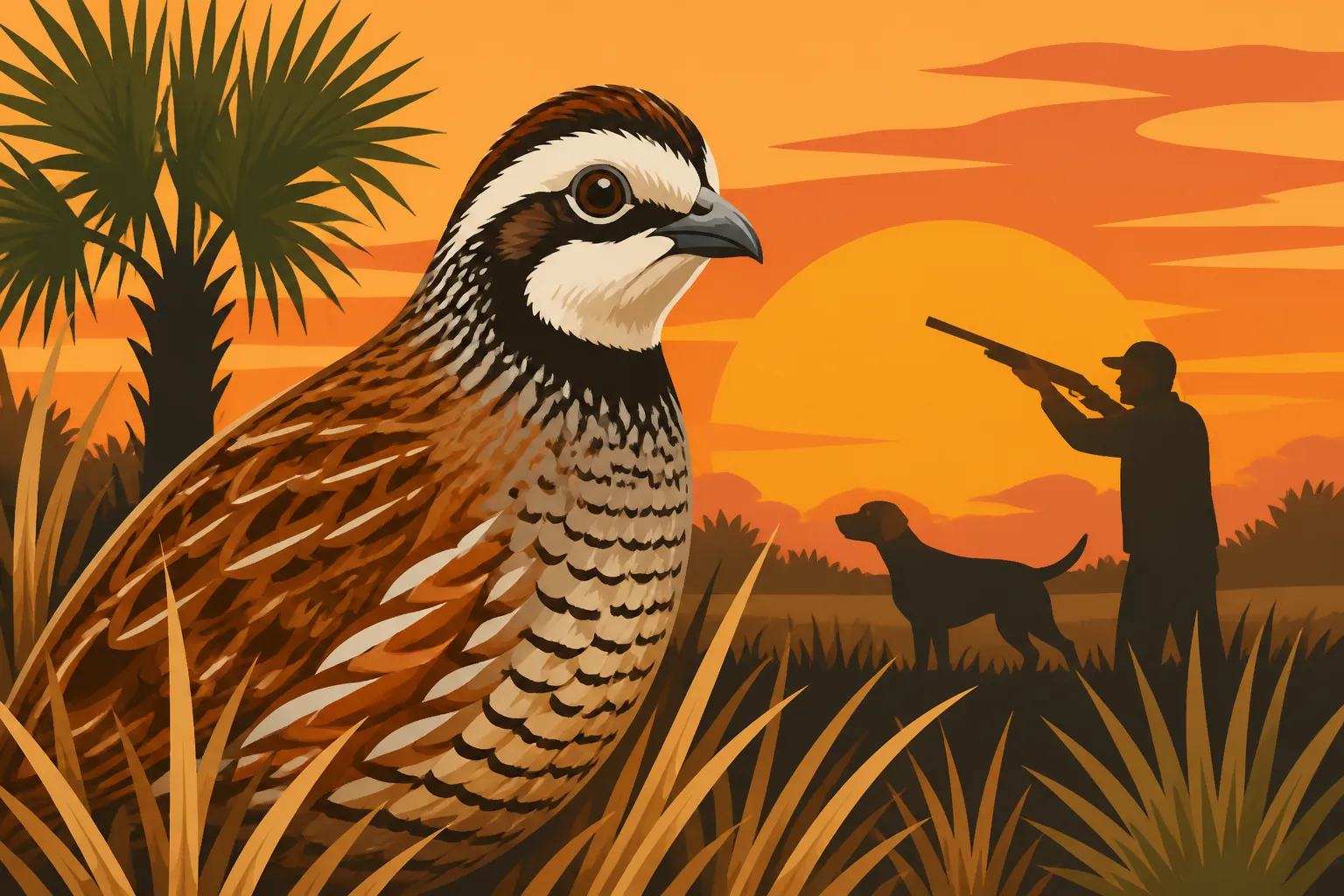
Oh, the bobwhite quail. Just hearing that name brings back a flood of memories for so many of us, and for many others, it brings a pang of wistfulness for something they've only heard stories about. South Carolina once boasted a quail hunting tradition that was second to none, a truly integral part of our state's outdoor heritage. But let's be honest, those days feel like a distant dream for most hunters now. If you've been out in the field trying to find a covey, you know the frustration of walking mile after mile through beautiful country, only to hear nothing but the wind, or maybe flush a deer instead. This comprehensive guide is here to shed light on the challenges our beloved bobwhite quail face, explore the incredible efforts being made to bring them back, and offer real-world advice for those still dedicated to pursuing these elusive, explosive little birds in the Palmetto State.
The Historical Grandeur and Modern Reality of South Carolina Quail
For generations, the distinctive "bob-white!" whistle was as much a part of the South Carolina soundscape as cicadas in summer or marsh hens in the Lowcountry. But that iconic sound has grown quieter, and the once-ubiquitous bobwhite quail has become a rare gem, a testament to changing landscapes and the ongoing struggles of our native wildlife. It’s a hard truth for those of us who remember a different time, and a frustrating puzzle for new hunters trying to experience this classic Southern pursuit.
A Look Back at the Golden Age of Quail Hunting
There was a time, not so long ago, when bobwhite quail seemed to be everywhere in South Carolina. My granddaddy would tell stories of walking out his back door, whistling, and having a covey respond from the old cotton field. It wasn't just a fantasy; it was the reality across much of the Southeast. Large, intact tracts of open pine woodlands, especially longleaf pine, with healthy understories of native grasses and forbs, were the norm. These landscapes were often managed with frequent prescribed burns, mimicking natural fire regimes that kept the woods open, creating the perfect mosaic of cover, bare ground, and seed-producing plants that quail thrive in.
Plantations, small family farms, and even neglected pastures provided ideal habitat. Hunters didn't have to travel far; often, the best covey finds were just beyond the property line. Bird dogs, often English pointers or setters, were prized members of the family, and the crack of a double-barrel shotgun over a staunch point was the soundtrack to crisp autumn mornings. The sheer abundance of birds meant that hunters could expect multiple covey flushes in a day, and a limit was a realistic expectation. For many older hunters, the memory of those days is bittersweet, a reminder of a bygone era when wild quail were a cornerstone of our hunting culture and agricultural landscape. It creates a deep frustration when current conditions are compared to those rich memories.
Understanding the Decline: Where Did All the Quail Go?
So, what happened to those abundant coveys that seemed to disappear almost overnight? The answer isn't simple, and it's certainly not one single factor. The primary culprit is undoubtedly habitat loss and degradation. Post-World War II, agricultural practices shifted dramatically. Small, diverse farms that offered a variety of food sources and cover were replaced by massive monoculture operations – think endless rows of corn or soybeans, often sprayed heavily with pesticides and herbicides. These expansive fields, while efficient for farming, offer little to no benefit for quail.
Forestry practices also changed. The shift from open, frequently burned longleaf pine savannas to dense, fast-growing loblolly pine plantations, often managed with chemical clear-cutting and without fire, choked out the understory plants quail depend on. Development, too, has played its part, sprawling across former farmland and timberland, fragmenting what little suitable habitat remains. Beyond habitat, increased predation from booming populations of coyotes, raccoons, and feral hogs has taken a toll on quail nests and poults. For a deeper dive into these issues, you might find our article on South Carolina's Historic Quail Decline particularly insightful. It's a complex web of factors that has led to a significant population drop, leaving many hunters disheartened and wondering if they'll ever hear that true wild "bob-white!" call again in their lifetime.
Habitat is King: Restoring Quail in South Carolina
Despite the stark reality of the bobwhite's decline, there's a beacon of hope shining from dedicated landowners, conservation organizations, and state agencies. The overwhelming consensus is that habitat is the absolute key to bringing these birds back. Without the right place to live, forage, and raise their young, all other efforts are in vain. It's a long, challenging road, but the science and success stories are there to guide us.
The Ideal Quail Habitat: What It Looks Like and Why It Matters
Imagine walking through an open pine forest. The trees aren't packed tightly together; instead, there's a healthy spacing, allowing sunlight to filter through to the forest floor. Beneath your feet, you see a rich tapestry of native grasses like bluestem and indiangrass, alongside diverse forbs such as partridge pea and lespedeza. Crucially, there are patches of bare ground, essential for quail to dust bathe, forage for insects and seeds, and move easily. Interspersed within this open woodland are thickets of blackberry, sumac, or young pines – these provide critical escape cover from predators and thermal protection from harsh weather.
This mosaic of open areas, native herbaceous growth, and scattered dense cover is the epitome of ideal quail habitat. It provides everything a covey needs within a relatively small home range: food (seeds, insects), water (dew, succulent plants), nesting cover, brood-rearing cover, and escape cover. The role of natural disturbance, especially fire, cannot be overstated. Prescribed burning, when done correctly and regularly, mimics the historical fire regimes that shaped these ecosystems. It controls woody encroachment, stimulates native plant growth, and creates the bare ground component vital for quail. To understand how crucial these specific ecosystems are, check out our guide on South Carolina Longleaf Pine and Quail Habitat. Without these key features, quail simply cannot thrive, no matter how many birds are released or how many predators are managed.
Management Strategies for Private Landowners
For private landowners with a desire to see quail return, there are numerous practical and effective management strategies available. The first step is often to assess existing habitat and identify areas for improvement. Timber thinning is frequently a primary action. Removing a portion of dense pine or hardwood trees allows more sunlight to reach the forest floor, encouraging the growth of native grasses and forbs. Following thinning, prescribed burning is often the most impactful tool. A carefully planned burn regime, typically on a 1-3 year rotation, is crucial for maintaining open understories and promoting the preferred plant communities.
Beyond fire, disking fields or forest edges in strips can mimic natural disturbances, setting back succession and encouraging new growth of beneficial plants. Planting native warm-season grasses can provide excellent nesting and brood-rearing cover, as well as food. Organizations like Quail Forever, and even federal programs through the Natural Resources Conservation Service (NRCS), offer technical assistance and often cost-share programs to help landowners implement these practices. While it can seem like a daunting task, even small, strategically managed patches of habitat can make a difference, especially when connected to larger blocks of suitable land. It’s a labor of love, but the sight of a healthy covey bursting from cover on your own land is a reward like no other.
Public Land Efforts and What Hunters Can Expect
While private lands often lead the charge in intensive quail management, the South Carolina Department of Natural Resources (SCDNR) and other public land managers are making concerted efforts to restore quail habitat on Wildlife Management Areas (WMAs) and national forests. These efforts often include prescribed burning, timber thinning, and the establishment of native plant communities, all aimed at improving conditions for a variety of early successional wildlife, including bobwhites.
However, expectations for public land quail hunting need to be tempered with realism. Public lands are typically managed for multiple uses, and the sheer scale and intensity of management required for robust quail populations are challenging to achieve universally. While you might find pockets of excellent habitat, widespread, huntable covey densities are rare. Hunters exploring public lands like portions of the Sumter National Forest, Francis Marion National Forest, or various WMAs should focus on areas that show evidence of recent burning or thinning. Look for open pine stands with healthy groundcover, old field edges, and areas with diverse vegetation. Using mapping tools like GoHunt can be invaluable for identifying these areas by looking at aerial imagery for open timber or clear-cut edges that might have been managed for early successional growth.
It’s often a "walk-until-you-find-them" proposition, sometimes requiring significant effort for a single flush. This makes scouting crucial. Don't expect to just drive up and start dropping birds like in the old days. Instead, go in with the mindset of enjoying the dog work, the beautiful scenery, and the satisfaction of finding a truly wild bird in its native habitat.
Hunting South Carolina Bobwhite Quail Today
Hunting bobwhite quail in South Carolina today is less about filling a cooler and more about honoring a tradition, appreciating the hard work of conservation, and cherishing the fleeting moments of dog work and explosive covey flushes. It’s a challenge, for sure, but one that offers immense satisfaction for those willing to put in the effort.
Equipment and Dogs: Essential Tools for the Modern Quail Hunter
Let's be clear: pursuing wild bobwhite quail effectively in South Carolina almost always requires a good bird dog. These aren't birds you typically jump-shoot like doves; they hold tight, relying on camouflage, and a well-trained pointer or setter is indispensable for finding them, holding them, and retrieving them. A good dog makes the hunt, turning hours of walking into moments of pure excitement as they lock up on point, trembling with anticipation.
For shotguns, lighter is better for the long walks involved. Many upland hunters favor a 20-gauge, 28-gauge, or even a .410, often in a classic side-by-side or over-under configuration. Open chokes (like improved cylinder or skeet) are preferred, as most shots on flushing quail are relatively close. Shot size typically ranges from 7.5 to 8, sometimes even 9 for close-holding birds. Beyond the firearm, an upland vest with plenty of game storage and shell loops is essential. Given South Carolina's varied terrain, especially in areas with dense undergrowth, good snake boots are a non-negotiable piece of gear to protect against hazards. The experience of hunting wild quail with a dedicated bird dog is truly special, and these tools simply enhance the tradition. For more on appropriate firearms, our guide on Upland Guns for Quail Plantation Walks offers excellent advice.
Tactics and Strategies for Finding Birds
Finding wild quail in South Carolina means understanding their habitat preferences and focusing your efforts on those specific areas. As we discussed, they need a specific mix of cover, food, and bare ground. When you're in the field, look for the edges – the transition zones where different habitat types meet. Creek bottoms, with their slightly different vegetation and moisture, are often excellent spots, as are old fencerows that have grown up into shrubby cover. Old field edges, especially if they haven't been intensely managed or sprayed, can be prime locations. Look for thinned pine plantations with good undergrowth, or areas that have been recently prescribed burned (but not too recently – give the vegetation time to regrow a bit).
Quail will often feed in more open areas, then retreat to dense cover to loaf or escape predators. Understanding this daily pattern can help you target your search. Using a mapping application can be a game-changer. Apps like GoHunt, or even the Go Outdoors SC app with WMA layers, can help you scout from your couch, identifying potential habitat features like clear cuts, thinned timber blocks, or connecting corridors between different cover types. This can save you countless hours of walking unproductive ground. Remember, you're not just walking aimlessly; you're hunting for habitat that holds birds. Sometimes, finding smaller, overlooked tracts of land, perhaps even near more developed areas, can yield surprising results if they offer the right cover, as discussed in Hunting Small Woodlots Near Suburban Columbia.
Managing Expectations and Enjoying the Experience
Let's be honest with each other: wild quail hunting in South Carolina is not what it used to be. You are unlikely to experience dozens of covey flushes or fill your bag limit in a few hours. That's the cold, hard truth. If your measure of a successful hunt is a full game vest, you might often be disappointed. The key to enjoying modern quail hunting in South Carolina is managing your expectations and shifting your focus.
Instead, savor the moments. Celebrate the incredible bond with your bird dog as it works a scent cone, freezes on a staunch point, and then honors the flush. Appreciate the beauty of the unique longleaf pine ecosystem or the subtle nuances of an old field edge. The sound of that wild covey flush, even if it's only one or two in a day, will be a memory you replay for years. A single bird harvested after a challenging hunt is a trophy in itself. It’s about the tradition, the physical activity, the companionship, and the deep satisfaction of connecting with a truly wild bird in its native, often disappearing, habitat. Embrace the difficulty, and the rewards will be all the sweeter.
Seasons, Regulations, and Licensing for Quail
Before you even step foot in the field, it’s absolutely essential to be well-versed in South Carolina’s current hunting regulations for bobwhite quail. These rules are in place not just for safety, but also for the long-term health of our quail populations, ensuring that we can continue to enjoy this pursuit for years to come.
Understanding South Carolina's Quail Season Dates
The bobwhite quail season in South Carolina typically opens in late November and runs through early March. For the most up-to-date and precise dates, always consult the current year's SCDNR hunting regulations guide. As of the most recent regulations, the statewide season for bobwhite quail usually runs from November 25 through March 1.
The daily bag limit for quail is generally 12 birds per hunter, with a possession limit of 36 birds. These limits are designed to allow for recreational harvest while still protecting the overall population, particularly given the challenges quail face. Always remember that regulations can change, so a quick check of the SCDNR website or the official hunting guide is a must before each season. Often, other small game seasons, like those for rabbits and squirrels, coincide with quail season, which you can read more about in our article on South Carolina Squirrel and Rabbit Season Rules. This overlap allows hunters to enjoy a broader upland experience in the right habitats.
License and Permit Requirements
To legally hunt bobwhite quail in South Carolina, you'll need the proper licenses and permits. For residents, this typically starts with a base South Carolina Resident Hunting License. Non-residents will need a Nonresident Hunting License, which can come in various durations. There's no specific "quail permit" beyond the general hunting license, but if you plan to hunt on public lands, such as Wildlife Management Areas (WMAs) or national forests, you will also need to purchase a WMA permit.
The easiest way to secure your licenses and permits is through the Go Outdoors SC platform, either online or at an authorized vendor. This system makes it straightforward to purchase and manage your hunting credentials. You can also carry digital proof of your license on your phone, which is a convenient modern amenity. For a detailed breakdown of resident options, refer to our guide on South Carolina Resident Hunting License Options, and if you're venturing onto public lands, our information on South Carolina WMA Permit Requirements will be incredibly helpful. Don't forget that if you're bringing a bird dog from out of state, ensure all their vaccinations and health certificates are in order as well, though generally, specific dog permits aren't required for hunting within the state.
Ethical Hunting and Conservation Practices
Being an ethical hunter goes far beyond simply following the letter of the law. It means understanding the spirit of conservation and acting as a steward for the resource. For quail hunters, this involves several key practices. First, respect for the land is paramount. Always obtain explicit permission before hunting on private property, and be mindful of your impact on agricultural fields or timber operations. Leave gates as you found them, and pack out everything you pack in.
Secondly, responsible harvest is crucial. With quail populations facing such struggles, avoiding overharvest in areas where birds are scarce is important. While daily limits exist, exercising self-restraint if a covey seems particularly small or if you’ve had multiple flushes from the same covey repeatedly is a good ethical choice. Finally, participation in conservation efforts is perhaps the most impactful ethical practice. Supporting organizations like Quail Forever, the National Wild Turkey Federation (NWTF), or local land trusts through membership or volunteer work directly contributes to habitat restoration and research. Reporting any poaching or wildlife violations to SCDNR is also vital for protecting our precious game resources. We all have a role to play in ensuring the bobwhite's future.
Challenges and Future Outlook for South Carolina Quail
The path to restoring bobwhite quail populations in South Carolina is fraught with significant challenges, but it's also illuminated by the dedication of conservationists and the resilience of nature itself. Understanding these hurdles is critical for anyone hoping to contribute to the quail's comeback.
Ongoing Threats: Predators, Climate Change, and Development Pressure
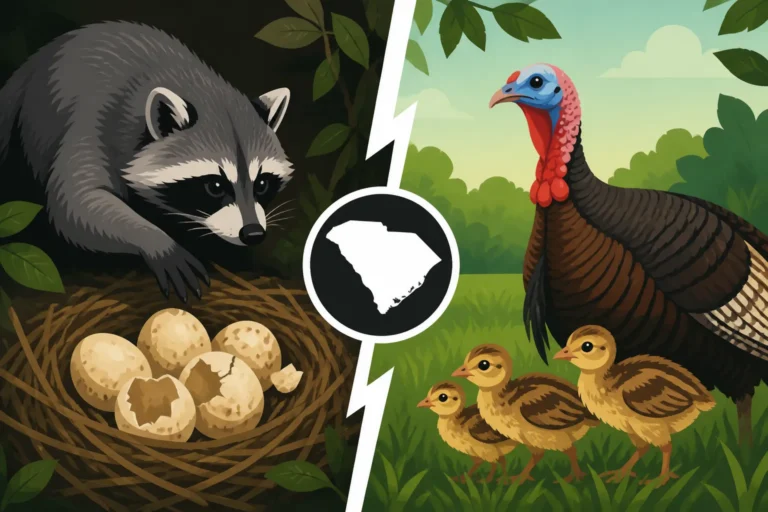
While habitat loss remains the primary driver of quail decline, several other factors exacerbate the problem. Predator populations, particularly coyotes, raccoons, and feral hogs, have a considerable impact on quail, especially on nests and poults. Coyotes are efficient predators of adult birds, while raccoons are notorious nest robbers. Feral hogs, in addition to destroying habitat through rooting, will also prey on nests and young birds. This constant pressure makes it incredibly difficult for quail populations to rebound even when habitat is improved. You can read more about how predators impact prey species in our article on South Carolina Predator Impact on Fawn Recruitment.
Climate change is another looming threat. Changing weather patterns, including more frequent and intense droughts or heavy rainfall events, can directly affect breeding success. Extended droughts can reduce the availability of crucial insect protein for poults and diminish natural food sources, while heavy, persistent rains can flood nests or chill young birds, leading to higher mortality. Finally, the relentless march of development across South Carolina continues to consume and fragment what little suitable habitat remains. As towns grow and suburbs expand, agricultural and timber lands, which often provide critical (even if imperfect) habitat, are paved over, making large-scale habitat restoration increasingly difficult and expensive. These combined pressures create a complex and formidable adversary for quail conservation.
Conservation Initiatives and Success Stories
Despite the challenges, there are genuine rays of hope and inspiring success stories. Dedicated private landowners, often fueled by a deep passion for quail, are demonstrating that intensive, science-based habitat management can bring birds back. Large plantations in areas like the Lowcountry, Aiken, and the Pee Dee regions have maintained robust quail populations through meticulous prescribed burning, selective timber thinning, and native plant restoration. Organizations such as Quail Forever are at the forefront of these efforts, working directly with landowners and public agencies to implement habitat projects, provide technical assistance, and raise awareness. Their habitat work, often done with local chapters, is literally changing the landscape acre by acre.
State agencies, particularly SCDNR, continue to manage public lands with quail in mind, often through collaborative projects with federal partners like the US Forest Service. These initiatives focus on prescribed fire and forest thinning to create more open, quail-friendly woodlands. While not always producing huntable populations on public land, these efforts provide vital refuges and breeding grounds. The key to these successes lies in consistent, long-term commitment to active habitat management, recognizing that quail thrive in disturbed, dynamic environments. Tools like GoHunt can even highlight land ownership and management trends that might indicate areas of ongoing conservation work, potentially guiding hunters to where these successes are starting to emerge.
What Hunters Can Do to Help
For those of us who cherish the bobwhite quail, there’s a real opportunity to be part of the solution. The single most important thing hunters can do is to support conservation organizations that are actively engaged in quail habitat work. Becoming a member of Quail Forever, the National Wild Turkey Federation, or your local sportsman’s association puts your money and voice directly towards habitat restoration and advocacy.
Beyond financial support, consider volunteering for habitat projects on local WMAs or private lands. Prescribed burns, tree planting, and invasive species removal are often volunteer-driven efforts that desperately need manpower. Advocate for sound land management policies at local and state levels that prioritize early successional habitats and controlled burning. For landowners, even small-scale habitat improvements, like leaving un-mowed field edges or planting native grasses, can contribute to the larger landscape. Mentoring new hunters, particularly youth, and instilling in them an appreciation for quail and their habitat ensures that the passion for these birds, and the drive to conserve them, continues for future generations. Our collective effort, however small, can make a significant difference in the future of South Carolina’s bobwhite quail.
Beyond the Hunt: Enjoying Your Harvest
While the pursuit of bobwhite quail is often more about the experience than the harvest count these days, bringing home a few birds is a truly special reward. These small game birds are renowned for their delicate flavor, making them a prized culinary treat. Maximizing that enjoyment starts in the field and extends to the kitchen.
Field Dressing and Care for Quail
Given South Carolina's generally warm climate, especially during the early parts of the quail season, proper field dressing and care are crucial to preserving the quality of the meat. As soon as a bird is harvested, it's best to field dress it. This usually involves simply removing the entrails, which helps the carcass cool down more quickly and prevents bacterial growth. Some hunters prefer to breast out the bird immediately, taking just the breast meat and leaving the rest.
Once dressed, get the birds cool as quickly as possible. A small game vest often has a game pouch that allows for some airflow, but if temperatures are warm, carrying a small cooler with ice in your vehicle (or even a few ice packs in your vest for shorter hunts) can make a huge difference. Avoid piling birds in a warm game bag for extended periods. When you get home, immediately refrigerate or freeze the cleaned birds. A properly cared-for quail will provide delicious, tender meat. For more tips on warm-weather game care, our article on Field Dressing a Deer in Warm Weather offers some universally applicable advice.
Simple and Delicious Quail Recipes
Wild bobwhite quail have a distinct, slightly sweet, and delicate flavor that is truly exquisite. They don't require complicated preparations to shine. Here are a few simple and incredibly delicious ways to prepare your hard-earned harvest:
| Recipe Type | Description | Key Tips |
|---|---|---|
| Pan-Seared Quail | This is perhaps the most classic and straightforward method. Simply season the quail with salt, pepper, and your favorite herbs (thyme, sage work wonderfully), then sear them quickly in a hot skillet with butter or olive oil. Brown them on all sides until the skin is crispy and golden, then reduce the heat and cook until the internal temperature reaches 165°F (a quick 5-7 minutes depending on size). | Don't overcrowd the pan. A hot pan is key for a good sear. |
| Grilled Quail | For a smoky flavor, marinate whole quail or quail breasts in a simple marinade (lemon juice, olive oil, garlic, herbs) for 30 minutes to an hour. Grill over medium-high heat, turning frequently, until cooked through and slightly charred. They cook very quickly on the grill, so keep a close eye on them to prevent drying out. | Keep the heat consistent; use a meat thermometer for accuracy. A little char is good, but don't overcook. |
| Roasted Quail | Stuff the cavity with a sprig of fresh rosemary and a lemon slice. Brush the skin with olive oil, season, and roast in a preheated oven (around 400°F) for about 15-20 minutes, or until cooked through. Roasting yields a tender, juicy bird with beautifully browned skin. | Basting with pan juices or melted butter can add flavor and moisture. Consider wrapping in bacon or prosciutto for extra moisture and flavor. |
| Quail in a Cream Sauce | After pan-searing, deglaze the pan with a splash of white wine, then add heavy cream, chicken broth, and a touch of Dijon mustard. Simmer until slightly thickened, then return the quail to the pan to finish cooking and coat in the rich sauce. This method is incredibly comforting and pairs well with rice or grits. | Don't let the sauce get too thick initially; it will reduce. Serve immediately to enjoy the creamy texture. |
Remember, quail meat is lean, so be careful not to overcook it, as it can quickly become dry. A digital meat thermometer is your best friend for ensuring perfect doneness.
Sharing the Tradition and Educating New Hunters
One of the most rewarding aspects of hunting, especially for a cherished species like the bobwhite quail, is sharing the experience with others. Introducing new hunters, particularly youth, to the traditions of upland hunting is vital for ensuring the future of our sport and our conservation efforts. There’s nothing quite like witnessing the awe on a young person’s face as they watch a bird dog work, or the thrill of their first covey flush.
Mentoring involves more than just teaching shooting skills; it’s about imparting a deep respect for wildlife, habitat, and ethical conduct. Teach them about the history of quail, the challenges they face, and what it takes to bring them back. Encourage them to get involved in habitat work or join conservation groups. By passing on our knowledge, passion, and the core values of hunting, we ensure that the legacy of the bobwhite quail, and the efforts to conserve them, continues for generations to come in South Carolina.
Disclaimer
Please note: Hunting regulations, season dates, and license requirements are subject to change. Always consult the most current South Carolina Department of Natural Resources (SCDNR) regulations guide before engaging in any hunting activities. This guide is for informational purposes only and does not supersede official state regulations.