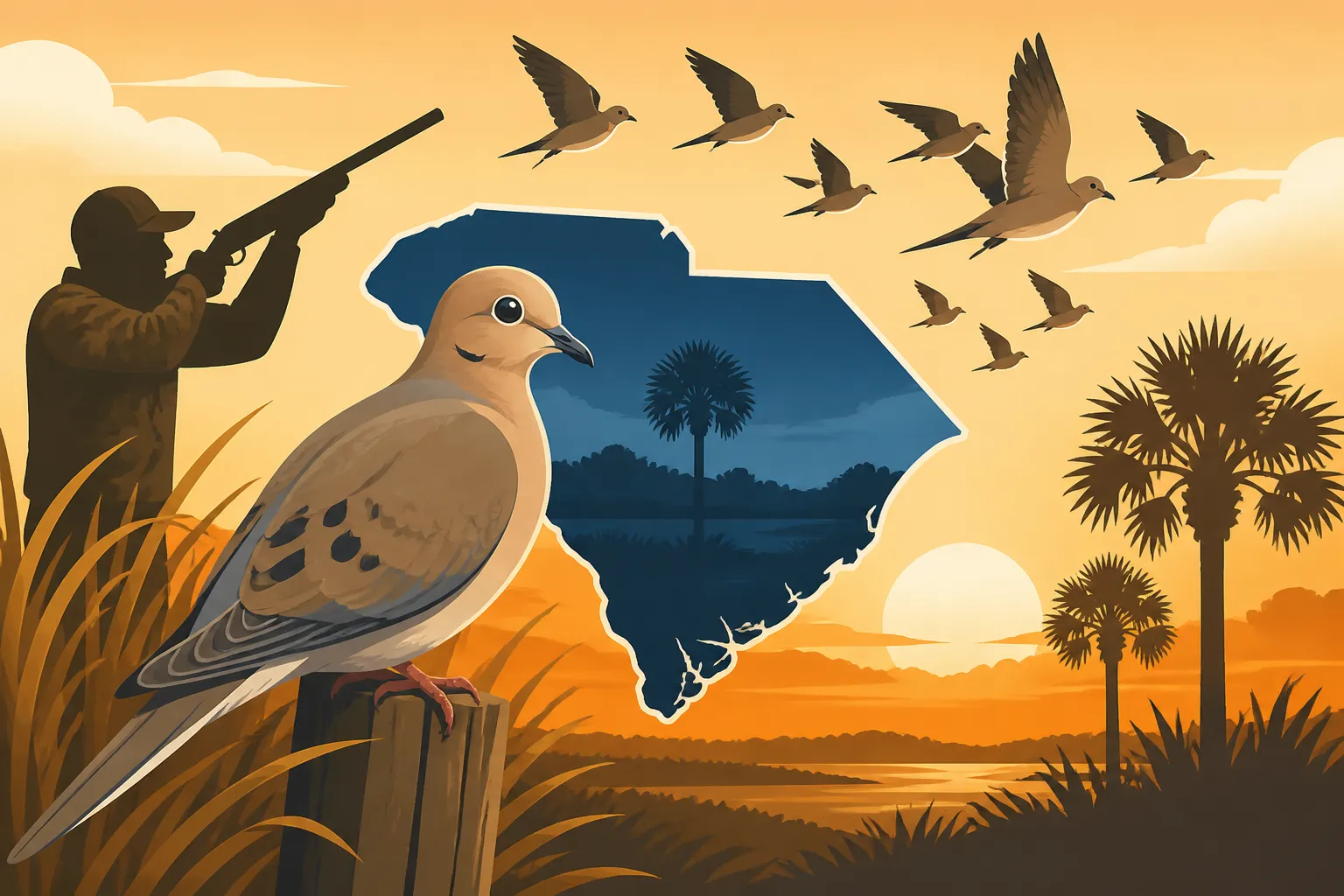
South Carolina Mourning Dove Migration Timing
For anyone who’s ever meticulously prepared a dove field, only to find the birds have mysteriously vanished after opening weekend, you know the frustration. It often feels like a guessing game trying to predict when the best flights will hit South Carolina, or why the birds you scouted disappeared overnight. This comprehensive guide will unravel the intricate patterns of mourning dove migration in our beautiful state, helping you understand their movements and vastly improve your hunting success.
Understanding Mourning Dove Behavior in South Carolina
Mourning doves are one of South Carolina's most popular game birds, drawing thousands of hunters to fields across the state each fall. But understanding when and where to find them isn't always straightforward. It requires a keen eye for subtle behavioral cues and an appreciation for the factors that drive these birds, whether they're local residents or long-distance travelers.
Resident vs. Migratory Populations
South Carolina is unique in that it hosts a significant population of year-round resident mourning doves alongside the migratory birds that pass through. These resident birds breed here, raise their young, and often stay within a relatively small area, provided food, water, and roosting cover are abundant. They are the backbone of our early season hunting, the birds you scouted diligently in August, feeding along field edges or dusting themselves in gravel roads. Their numbers can fluctuate based on nesting success, local predation, and habitat availability, but they generally offer a more predictable presence than their traveling cousins.
However, as the calendar inches towards fall, especially after September, our fields and timber begin to see an influx of migratory doves. These are birds that have nested further north, often in states like North Carolina, Virginia, or even further up the Atlantic Flyway. They are driven by an internal clock, shortening daylight hours, and often, the first significant cold fronts pushing down from the continent's interior. These migratory birds represent a fresh wave of opportunities, often flying in larger, more cohesive flocks and exhibiting different behaviors than the local birds. Recognizing the difference and adapting your approach is key to prolonged success throughout the season.
Factors Influencing Dove Movement
Mourning dove movements, whether local dispersal or full-blown migration, are governed by a complex interplay of environmental factors. For the avid hunter, understanding these drivers is like having a secret decoder ring for dove activity. The most significant factors are weather patterns, food availability, and hunting pressure. A strong cold front pushing south can initiate a major movement of migratory birds, emptying fields in the Upstate only to refill them with new birds days later. Conversely, a prolonged period of warm, stable weather can lead to stagnant local populations, with birds not feeling the urge to push south.
Food availability is perhaps the most critical local factor. Doves are primarily seed-eaters, and their presence is inextricably linked to accessible food sources. Agricultural fields, especially those planted with dove favorites like sunflowers, millet, corn, or wheat, act as powerful magnets. As crops are harvested or fields are managed for dove hunting, new food becomes available, drawing birds from surrounding areas. But food sources aren't static; they get consumed, rained out, or overgrown. A field that was hot on opening day might be devoid of birds a week later if all the preferred seeds are gone. Water sources are also crucial, especially in warm South Carolina early seasons. Doves need to drink daily, often congregating around ponds, puddles, or even dew-covered fields in the morning. Lastly, hunting pressure itself dictates dove movement. Birds quickly learn to avoid fields where they've been shot at. They'll shift their feeding times, adjust their flight paths, or simply abandon a pressured field for quieter pastures or timber blocks, often moving to adjacent private lands or lesser-known public areas.
The Annual Migration Cycle of South Carolina Doves
The dove season in South Carolina isn't a single event; it's a dynamic period marked by shifting populations and behaviors. To truly master dove hunting, you need to understand this annual cycle, from the early local flushes to the later, more challenging flights. It's about being in tune with the rhythm of the birds.
Early Season Movements Late Summer/Early Fall
As August melts into September, and our much-anticipated South Carolina Archery Season Opens for deer hunters, dove season kicks off. This initial period is primarily about our resident birds. You'll observe local flocks beginning to consolidate, moving from their dispersed nesting territories to communal feeding and roosting sites. These birds are often less wary than mid-season migrants, having not yet faced intense hunting pressure. Hunters who have put in the work Scouting South Carolina Public Land Before Season will have identified these key local fields and flight paths.
However, even in late summer, minor "soft" migrations can begin. These aren't the large, dramatic pushes of fall but rather subtle, gradual southbound movements. Local birds from the northern reaches of the state might start filtering south, especially if their local food sources begin to dwindle or if there's an early, mild cool front. These movements are often hard to detect without extensive scouting, but they can bring new birds into fields that were previously quiet, offering a pleasant surprise for hunters who are out consistently.
Peak Migration Windows Mid-Fall
Mid-fall, typically from late September through October, represents the traditional peak of mourning dove migration through South Carolina. This is when the northern-bred birds are truly on the move, pushed by stronger, more consistent cold fronts and the physiological urge to reach their wintering grounds further south. During this period, you can experience incredible influxes of new birds, often overnight. One day a field might have a sparse number of local doves, and the next, it's teeming with hundreds of fresh birds. These migratory waves are what every dove hunter dreams of, offering fast-paced action and the chance to fill a vest quickly.
Identifying these peak weeks requires paying close attention to weather forecasts, particularly those indicating significant frontal systems originating in the Midwest or Northeast. A sustained dip in temperatures, especially if accompanied by northerly winds, is a strong indicator of an impending push. Hunters who time their trips to coincide with these weather events often find themselves in the thick of the action. It's during these times that a strategy like Hunting the Second Dove Split in October can be incredibly rewarding, as these new arrivals are less familiar with local pressures and flight patterns. Utilizing a mapping tool like GoHunt can provide crucial insights into land features that might funnel these migrating birds, helping you position yourself optimally.
Late Season Stays Late Fall/Early Winter
As November gives way to December and even into January, the large-scale migratory pushes diminish, but dove hunting opportunities persist. These late-season birds are a mix of lingering migrants who have found suitable wintering habitat in South Carolina and resilient resident populations. They have survived weeks, if not months, of hunting pressure and are often much warier. The key to finding success in the late season is to shift your focus from expecting large migratory waves to identifying reliable, consistent food and water sources that hold birds through colder weather.
Late-season birds will often be found in larger, more secluded flocks. They tend to have very specific flight patterns, often flying lower and more cautiously. Agricultural fields, particularly those with standing grains or waste grain that remains accessible, become critical. Areas with ample thermal cover, such as thick pine plantations or dense hedgerows, will also hold birds seeking refuge from cooler temperatures. These birds are often focused solely on feeding and watering, so finding those specific spots and being patient is paramount. Remember that late-season hunting often overlaps with other seasons like Squirrel and Small Game Hunting in South Carolina, offering mixed bag opportunities.
Key Timing Considerations for South Carolina Dove Hunters
Timing is everything in dove hunting. It's not just about the calendar date, but about understanding the daily and weekly fluctuations in bird activity that can make or break your hunt. Adaptability is your best friend when chasing these fast-flying targets.
Anticipating Opening Day Flights
Opening day of dove season in South Carolina is practically a holiday for many hunters, and for good reason! The anticipation is palpable. To maximize your success, it's crucial to understand what drives those initial flights. Most opening day birds are our resident population. They've been feeding and roosting in the area all summer, and while they might be plentiful, they haven't yet experienced the shock of widespread hunting pressure. This is why Setting Up a Dove Field Before Opening Day is so critical – getting the birds accustomed to a specific feeding area.
What to look for right before opening day is evidence of consistent activity: birds flying into fields in the mornings and evenings, dusting themselves, or drinking at water holes. If a substantial cold front pushes through just before opening day, it can either bring in a few new, naive birds or, conversely, push out some of the local birds that might have been your target. Pay attention to local chatter and scout thoroughly the week prior. On opening day, the initial flights are often quite predictable, as birds follow established routes. However, once the shooting starts, these patterns can quickly change, and birds will adjust their flight paths dramatically. The early hours of the hunt typically offer the best action before birds become heavily pressured.
Capitalizing on Mid-Season Pushes
The mid-season is where the true migratory action often kicks in, offering the potential for new, unpressured birds to enter the state. As we discussed, this typically occurs from late September through October. Hunters need to be vigilant for those key weather changes that signal a push. A significant dip in temperature, especially when combined with strong north or northwest winds, acts as a powerful catalyst for migration. You might have hunted a field a few days ago and found only sparse birds, but a new cold front can bring in hundreds of fresh migrants overnight.
To capitalize on these pushes, flexibility is key. If you hear reports of strong cold fronts sweeping across states to our north, be ready to head out. New birds are often less wary and more predictable in their flight patterns initially. They'll be looking for readily available food sources, so fields with standing grain, freshly cut crops, or managed dove fields that haven't been completely depleted are prime locations. It's also worth revisiting fields that were heavily pressured during opening weekend; these new birds won't have the same negative associations. Using a modern mapping platform like GoHunt can help you identify new agricultural patterns or potential water sources where these fresh birds might concentrate.
Finding Late-Season Opportunities
As the season progresses and temperatures truly drop, finding doves becomes more of a challenge, but the rewards can be significant for the persistent hunter. Late-season doves are typically larger, plumper, and incredibly wary. The major migratory waves have passed, leaving behind local birds and those few tough migrants that decided South Carolina offered enough to stick around. These birds have seen it all, and they won't tolerate much hunting pressure.
Success in the late season hinges on identifying and exploiting very specific food and water sources. Doves will concentrate on fields that still offer abundant, accessible seeds – often fields that were overlooked earlier in the season or specific patches that weren't completely picked clean. They'll also seek out thermal cover, so edges of thick timber blocks, dense fencerows, or overgrown creek bottoms can be productive. Hunting these birds often means setting up in a less conspicuous manner, perhaps using a ground blind that's well brushed in, and being patient for those small, wary flocks to make an appearance. It’s a different kind of hunt than the chaos of opening day, but it can be incredibly fulfilling to outsmart these seasoned birds.
Scouting and Technology for Tracking Dove Movements
While some might see dove hunting as a casual social event, consistently putting birds in the bag throughout the season, especially as the migration unfolds, requires diligent scouting and smart use of available tools. You can't just show up and expect success without doing your homework.
Field Scouting for Active Birds
There's no substitute for boots-on-the-ground scouting when it comes to doves. Driving around, or better yet, walking potential hunting areas, is how you truly learn the landscape and the birds' habits. Look for active feeding patterns – doves will often leave tell-tale "cuttings" (bits of seed hulls or plant material) on the ground. Observe their flight paths: where are they coming from, and where are they going? Do they prefer a specific flight corridor along a treeline or over a particular dip in a field? These are the crucial details that help you pick the perfect stand location.
Water holes are absolute magnets, especially during warmer early season hunts. Look for ponds, cattle troughs, or even large puddles where doves gather to drink, particularly in the mid-morning or late afternoon. Roosting sites, often dense stands of pines or power lines, are also excellent indicators of where birds are spending their nights. By identifying these three key elements – feeding, watering, and roosting – you can piece together a complete picture of local dove activity. Remember, doves are creatures of habit until pressure forces them to change, so finding those initial habits is paramount for Working a Dove Field on Opening Day.
Utilizing Weather Forecasts and Migration Tools
Connecting weather patterns to bird movement is a critical skill for any successful dove hunter. Forget just checking if it will rain; you need to look at broader fronts and temperature swings. As discussed, a strong cold front pushing from the north is your best friend during peak migration periods. Pay attention to the wind direction and strength, as doves prefer to fly with a tailwind, which can often push them south faster and make them harder to hit if they're screaming over your decoys.
While there might not be a dedicated "dove migration tracker" app in the same way there is for waterfowl, general weather apps are invaluable. Furthermore, using a mapping application like GoHunt can elevate your scouting considerably. With detailed satellite imagery, you can identify potential food sources (like harvested fields), water bodies, and even dense roosting cover from your couch. You can also mark potential hunting locations, known flight paths, and even areas where you've seen high concentrations of birds during previous seasons. This kind of digital scouting, combined with real-world observation, gives you a distinct advantage. Remember to check local regulations through official channels, especially when hunting South Carolina Wildlife Management Areas, as rules can vary.
Regional Differences in South Carolina Dove Migration
South Carolina is a diverse state, from the mountains to the coast, and these geographical differences absolutely influence dove migration patterns and hunting opportunities. What works in the Lowcountry might not be the best approach in the Upstate.
Coastal Plain Dove Dynamics
The vast Coastal Plain of South Carolina, stretching from the Pee Dee region down through the ACE Basin, is often considered prime dove habitat. Its expansive agricultural fields, interspersed with swampy bottomlands and pine forests, create an ideal environment for both resident and migratory birds. Doves here often benefit from the staggered harvest of various crops like corn, sunflowers, and millet, providing a continuous buffet throughout the season. The relatively milder coastal climate means that migratory birds may linger longer here before pushing further south into Georgia or Florida.
Hunters in the Coastal Plain often focus on large, managed dove fields, which can draw incredible numbers of birds. Water sources, such as retention ponds or irrigation canals, are critical, especially during the hotter early season. You might also find birds utilizing edges of former Coastal Rice Field Edges where waste grain can be found. The main challenge here can be intense hunting pressure, particularly during opening weekend, which can quickly scatter birds. Being able to find less-pressured fields, often on smaller private tracts or by doing extensive scouting on public lands, is key.
Upstate and Piedmont Influences
Moving west and north into the Piedmont and Upstate regions, the landscape shifts dramatically. Here, agricultural fields tend to be smaller and more interspersed with rolling hills, hardwood forests, and river valleys. This topography can create natural funnels for migrating doves, especially along river corridors or through mountain gaps. Resident dove populations in the Upstate are often tied to these smaller agricultural patches, farm ponds, and power line clearings.
Migratory doves moving through the Upstate often follow these geographical features, making scouting for specific flight paths crucial. Cold fronts tend to hit the Upstate first and with more intensity than the coast, often initiating earlier and more pronounced migratory pushes. Hunters here should focus on smaller grain fields, often planted with wheat or corn, and pay close attention to water sources in these hillier terrains. Pressure can still be high, especially on accessible public lands like parts of the Sumter National Forest Hunting, but dedicated hunters can often find pockets of less-pressured birds by walking further into public areas or gaining access to private farms.
Midlands Magnetism for Migrants
The Midlands region, centrally located in the state, acts as a sort of crossroads for many migrating birds, including doves. With a mix of agricultural areas, sprawling timberlands, and numerous waterways like the Congaree and Santee rivers, it offers a diverse range of habitats. This central location often means it benefits from birds moving down both the eastern seaboard and those filtering across from more westerly flyways.
Dove numbers in the Midlands can be highly variable, often fluctuating significantly with each passing cold front. One week might see a flurry of activity, and the next, things are quiet before another wave pushes through. Hunters in this region need to be particularly adaptable, ready to hunt one type of field one week and switch to a different area or food source the next. The presence of significant water bodies and varied agricultural practices makes it a compelling destination for both resident and migratory doves throughout the season. Understanding South Carolina's Four Game Zones can give a broader context to how seasons align with these regional differences.
| Migration Phase | Timing (General) | Bird Behavior | Hunter Strategy |
|---|---|---|---|
| Early Season | Sept. 1 – Late Sept. | Primarily resident birds, local movements, less wary | Focus on scouted local fields, water sources. |
| Peak Migration | Late Sept. – Mid/Late Oct. | Major influx of northern migrants, larger flocks, more active. | Watch weather for cold fronts, be ready to move fields. |
| Late Season | Nov. – Jan. | Wary, scattered migrants & resident birds, focused on consistent food. | Target specific, secluded food/water; ground blinds. |
| Post-Harvest Dispersal | Varies by crop (e.g., late corn harvest) | Birds drawn to new food, local congregation. | Identify freshly harvested fields. |
| Weather Front Impact | Any time, esp. Mid-Season | Strong pushes of new birds with north winds. | Be flexible, check forecasts, hunt new arrivals. |
Disclaimer
This article is for general informational purposes only and does not constitute professional advice. Laws, prices and regulations vary by location and change over time. Consult a qualified professional for guidance on your specific situation.