When South Carolina Coyotes First Arrived
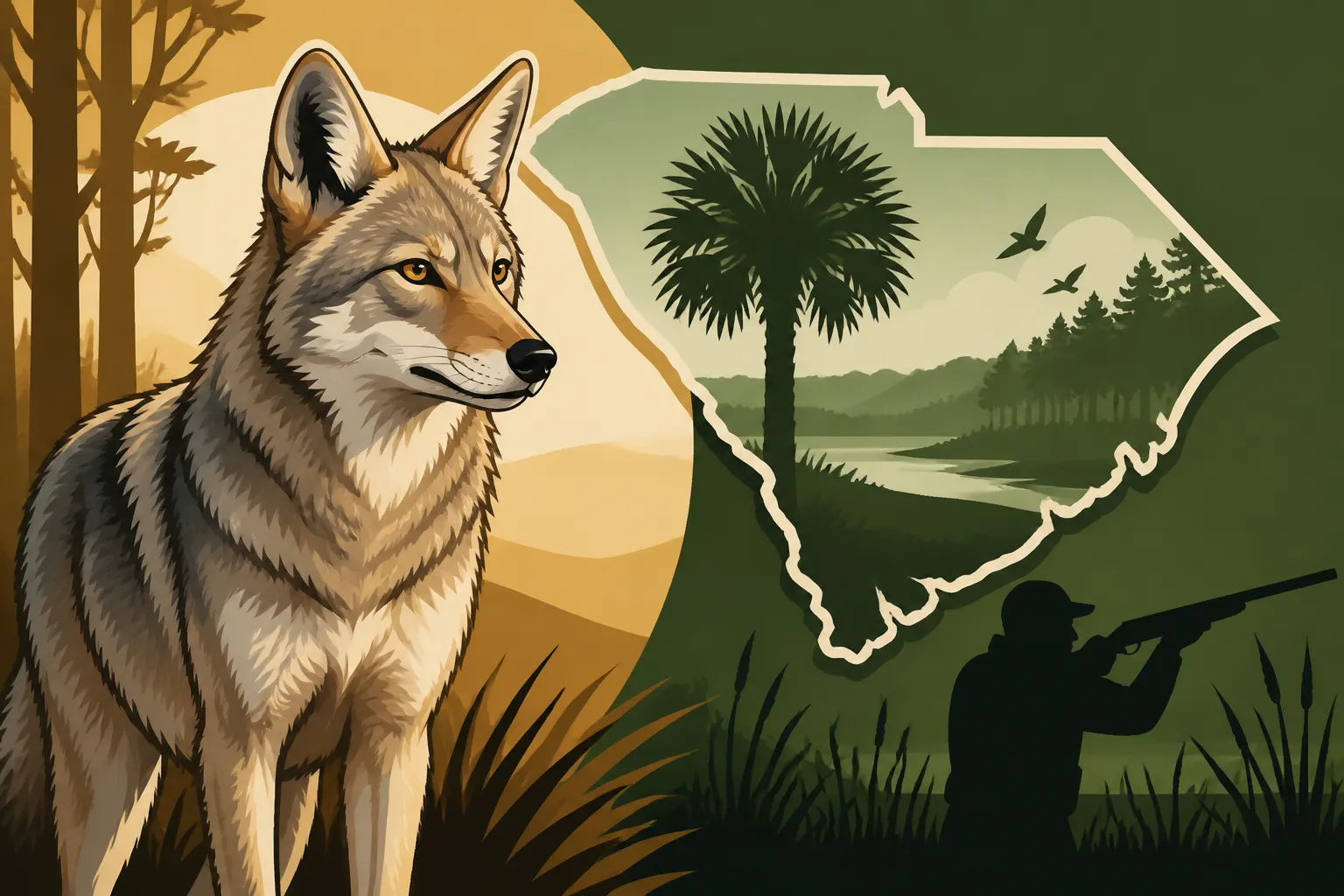
It’s a question many of us have pondered while sitting in a treestand at dawn, or perhaps after finding some less-than-pleasant evidence of their presence on the back forty: "When exactly did coyotes decide to make South Carolina their permanent home?" For those of us who grew up in the Palmetto State, it feels like they simply appeared one day, and suddenly, every rustle in the underbrush or distant howl carried a new, often unsettling, implication. If you’re like me, you remember a time when seeing a coyote track was a rarity, almost a novelty, and now, they’re practically everywhere. This guide will take a deep dive into the fascinating, and sometimes frustrating, history of the coyote's colonization of South Carolina, exploring how they got here and the impact they've had.
Tracing the Coyote's Unofficial Entry into South Carolina
The coyote, often hailed as one of North America's most adaptable canids, didn't just parachute into the South Carolina Lowcountry overnight. Their arrival was a slow, steady expansion, driven by both natural forces and, as we'll discuss, some less-than-natural human intervention. Understanding their journey helps us grasp why they've become such a dominant force in our wild spaces.
Natural Expansion from Western Strongholds
For centuries, coyotes were primarily creatures of the American West. Think wide-open plains, deserts, and mountains – that was their traditional stomping ground. However, as European settlers pushed westward, they systematically removed the top predators in the East, particularly wolves and cougars, which were competitors and natural enemies of the smaller, more opportunistic coyote. This created a massive ecological vacuum, a wide-open continent with plenty of food and very few threats. It was an invitation, plain and simple, and the coyotes answered with a vengeance.
Their expansion wasn't a sudden burst but a gradual, relentless creep. Individual coyotes and small groups ventured further and further east, generation after generation. They followed river systems, game trails, and eventually, even human-made corridors like highways and power lines. They are incredibly opportunistic, thriving on whatever food sources are available, from mice and rabbits to deer fawns and even ripe berries. This adaptability is key to their success story. Over decades, starting roughly in the early to mid-20th century, their populations swelled in the Midwest and then began to spill over into the eastern states, looking for new territories to claim. They're tenacious, and if there's an opening, they'll find it.
The 'Ghost' Migration Through the Southeast
The coyote's journey into the Southeast, and specifically South Carolina, often felt like a "ghost" migration. Unlike larger, more conspicuous animals, coyotes are masters of stealth. They are often most active at dusk and dawn, and their reddish-gray fur blends seamlessly with the brush. For many years, sightings were rare and often dismissed as misidentified foxes or stray dogs. Hunters and farmers, who spend the most time observing wildlife, were usually the first to report "something new" out in the woods. These early reports were often met with skepticism, because, let's face it, a coyote in the swamps of the Lowcountry or the pine forests of the Sandhills just didn't sound right to folks used to a different cast of wildlife characters.
This stealthy approach allowed them to establish a foothold without much fanfare. Habitat changes also played a significant role. The clearing of vast tracts of old-growth forest for agriculture and timber, while devastating for some species, created a patchwork of open fields, young clear-cuts, and fragmented woodlands – prime coyote habitat. These areas provided diverse food sources and plenty of cover, making it easier for small, pioneering groups to settle in, raise litters, and expand their local range without being noticed immediately. It wasn't like a massive wave crashing; it was more like water slowly seeping through cracks until it fills the basin.
Human Influence: Accidental and Intentional Introductions
While natural range expansion certainly brought coyotes to our doorstep, many wildlife biologists and long-time South Carolina residents believe that humans played a very direct, albeit often misguided, role in accelerating their arrival. This isn't just local folklore; there's strong evidence and anecdotal accounts supporting the idea of human-assisted movement.
Illegal Translocation for Hunting or Pest Control
This is where the story gets a bit controversial, but it's a critical part of the coyote's history in the South. It's widely believed, and often openly discussed among older generations of hunters, that some individuals actively brought coyotes into the Southeast. The primary motivation for this illegal translocation was often rooted in hunting culture. As fox populations in some areas began to decline, some dog hunters sought a new quarry. Coyotes, with their intelligence and resilience, fit the bill. They were perceived as a challenging animal to run with hounds, providing the thrill of the chase. Others may have brought them in with the mistaken belief that coyotes would control deer populations, or even feral hogs, which were already becoming a problem.
The practice of "coyote drops" or releasing them for sport, whether officially sanctioned or not, certainly contributed to their rapid spread in certain pockets. These intentional releases meant that breeding populations could establish far faster and in areas that natural expansion might have taken decades longer to reach. It was a Faustian bargain, meant to solve one perceived problem or create a new sport, but ultimately unleashing a highly efficient predator into an ecosystem largely unprepared for it. While the exact scale is hard to quantify, these human actions undoubtedly sped up the process, putting South Carolina firmly on the coyote's map much sooner than nature intended.
The "Fill the Niche" Hypothesis
Beyond direct human intervention, an ecological principle known as "filling the niche" offers another explanation for the coyote's success here. Think of an ecosystem like a complex puzzle. Historically, the Southeast had large apex predators like red wolves and Florida panthers (a subspecies of cougar). Over time, due to habitat loss and persecution, these larger predators were extirpated from much of their range, including South Carolina. This left a void – a "niche" at the top of the food chain, especially for medium to large-sized prey animals like deer, rabbits, and turkeys.
Enter the coyote. They are incredibly adaptable and opportunistic, perfectly suited to capitalize on this vacant niche. Without larger predators to compete with or be preyed upon by, coyotes faced little resistance. They could expand their diet, breed efficiently, and quickly increase their numbers. South Carolina Deer Population Estimate and South Carolina Turkey Population Trends show how abundant these species were, providing a ready food source. This hypothesis suggests that even if humans hadn't intentionally moved coyotes, their natural expansion would have eventually found these welcoming, predator-free environments, leading to a similar outcome. The Southeast was, in essence, a buffet with no bouncers, and the coyotes moved right in.
Early Sightings and Official Recognition in South Carolina
The coyote's arrival wasn't announced with a brass band. Instead, it was a slow awakening, first felt by those closest to the land, then gradually acknowledged by official channels.
Anecdotal Evidence and Local Legends
For years before the South Carolina Department of Natural Resources (SCDNR) formally acknowledged their widespread presence, rural communities, especially hunters and farmers, had their stories. These were the whispers at the hunting club, the accounts shared over coffee at the co-op, of strange dog-like creatures that weren't quite dogs, not quite foxes. "Saw a long-legged critter cross the road this morning, never seen one like it," or "Heard a chorus of yips last night, sounded different than any fox or dog I ever heard." These anecdotal reports were the first ripples in the pond.
Often, these initial sightings were met with skepticism, or the animal was misidentified. Was it a stray German Shepherd? A large fox? The unique vocalizations, the distinctive loping gait, and the overall demeanor of the animal were unfamiliar to many. But for those who spent countless hours in the woods, tracking South Carolina Deer Harvest Records or chasing South Carolina Small Game and Furbearers, these encounters became more frequent and consistent. They began to realize that something new was truly afoot, long before it was printed in a newspaper or broadcast on the news. These informal observations by local outdoorsmen were crucial in painting the initial picture of the coyote's quiet invasion.
SCDNR's Monitoring and Confirmation Timeline
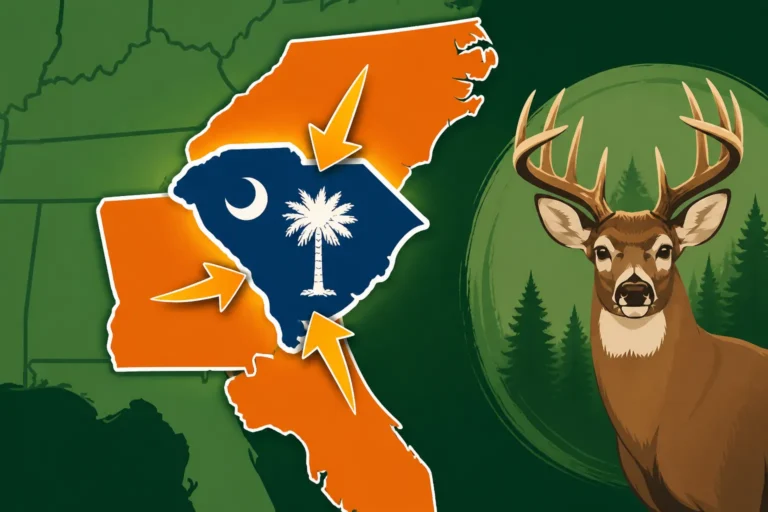
While anecdotal sightings began to surface in the 1970s, it took time for the SCDNR to officially confirm and track the extent of the coyote population. The initial confirmation of coyotes breeding in the state generally dates to the late 1970s and early 1980s. These were usually isolated incidents, often in the Upstate, which borders states like Georgia and North Carolina that had seen earlier coyote colonization. However, by the mid-1980s, the evidence became undeniable: coyotes were not only present but were actively breeding and establishing viable populations across multiple regions of South Carolina.
The progression was swift. From a few scattered sightings, their presence quickly escalated to widespread distribution. By the 1990s, it was clear that coyotes were here to stay, and their numbers were exploding. What started as a few pioneering animals, likely from natural expansion down the Appalachian chain and potentially assisted by human releases, rapidly became a statewide phenomenon. The SCDNR began to adapt its wildlife management strategies to account for this new, highly successful predator, acknowledging that it had become a permanent resident in virtually every county and ecosystem. Tools like GoHunt became invaluable for hunters and biologists alike, allowing them to track and share data on wildlife sightings, including these ever-present canids, offering a more contemporary view of their movements.
Here's a simplified look at the general consensus on coyote arrival:
| Time Period | Primary Arrival Method | Geographic Spread (Initial) | Official Recognition | Impact on Ecosystem (Initial) |
|---|---|---|---|---|
| Pre-1970s | Natural Western Expansion (distant) | None/Bordering States | No | Minimal |
| Late 1970s – Early 80s | Natural Expansion & Human Translocation | Upstate (from NC/GA) | Isolated reports | Beginning to be felt |
| Mid-1980s – 1990s | Widespread Establishment & Proliferation | Statewide | Yes | Noticeable on game/livestock |
| 2000s – Present | Dominant Predator | Established & Thriving | Yes | Significant |
The Impact of Coyote Arrival on South Carolina's Ecosystem
The arrival of coyotes wasn't just a new dot on the state's wildlife map; it was a fundamental shift in the ecological dynamics of South Carolina. With a new, adaptable predator at play, everything from deer herds to backyard pets felt the change.
Pressure on Deer and Small Game Populations
One of the most immediate and hotly debated impacts of coyotes has been their effect on game populations. Prior to coyotes, deer and turkeys had relatively few natural predators once they reached maturity. Fawns and turkey poults, however, became prime targets for the efficient and opportunistic coyote. Studies across the Southeast, and locally observed data, confirm that coyotes are significant predators of deer fawns. This doesn't mean coyotes are solely responsible for population fluctuations, as habitat, disease, and other factors play a role, but they add a new layer of pressure.
For hunters, this meant adjusting strategies. Where once the focus might have been solely on food sources and bedding areas, now understanding South Carolina Predator Impact on Fawn Recruitment becomes crucial. Many hunters have noted a decrease in fawn survival rates in heavily coyoted areas. Similarly, wild turkey populations, particularly their fragile poults, are vulnerable to coyote predation. This new challenge has prompted landowners and wildlife managers to consider various tactics, including predator control efforts, to try and mitigate some of this impact, especially on private lands. It's a complex puzzle, and coyotes have certainly made it more challenging.
Challenges for Livestock and Domestic Animals
Beyond wild game, coyotes brought significant challenges for farmers and pet owners. Rural communities, accustomed to leaving their small livestock, poultry, and pets outdoors without constant vigilance, quickly learned that a new threat had arrived. South Carolina Coyote Attacks on Livestock became an unfortunate reality for many, with reports of losses ranging from chickens and goats to calves and even sheep. Coyotes are incredibly intelligent and will readily exploit vulnerabilities in fencing or routines.
For homeowners, especially those on the rural-urban interface, the risk to pets, particularly outdoor cats and small dogs, increased dramatically. Coyotes, bold and hungry, can easily snatch a pet from a yard, even during daylight hours if the opportunity arises. This has led to increased awareness campaigns, urging pet owners to keep animals indoors or in secure enclosures, especially at night. It's a stark reminder that as human development pushes further into natural spaces, encounters with wildlife, including predators like coyotes, become more frequent, necessitating new precautions and management strategies. The presence of robust tools like GoHunt has allowed individuals to report sightings and learn about local coyote activity, helping communities stay informed and proactive.
Managing a New Apex Predator: Past and Present Strategies
The sudden, widespread presence of coyotes presented wildlife managers and landowners with an unprecedented challenge. How do you manage a highly adaptable, rapidly reproducing predator that was never historically part of the ecosystem? The answer has evolved significantly over time.
Initial Response: Misunderstanding and Underestimation
In the early days of coyote colonization, there was a significant learning curve. Many wildlife agencies, accustomed to managing native species with established population dynamics, underestimated the coyote's resilience and reproductive potential. Initial control efforts, if they existed, were often localized and not scaled to the magnitude of the problem. There was a period of misunderstanding, where some hoped they might simply move on or that their numbers would stabilize naturally at a lower level.
However, coyotes proved them wrong. Their ability to adapt their diet, rapidly reproduce (often having larger litters when populations are depressed), and thrive in various habitats meant that traditional predator control methods often fell short. It became clear that simply trying to eliminate them was a losing battle. The sheer numbers and their innate intelligence meant that they quickly learned to avoid traps and adapt to hunting pressure. This period was marked by frustration for landowners and managers alike, as they grappled with a new, formidable force in the South Carolina wilds.
Current Approach: Year-Round Hunting and Trapping
Recognizing the futility of eradication and the widespread impact coyotes were having, South Carolina, like many other states, shifted to a more pragmatic management strategy. The current approach largely focuses on population control through liberal hunting and trapping regulations. South Carolina's Year-Round Hog Rule on Private Land often includes coyotes, highlighting the state's aggressive stance against invasive or overabundant species. On private lands, coyotes can be hunted year-round, day or night, and trapped without a closed season. This widespread allowance aims to give landowners and hunters the tools to manage coyote numbers where they pose a threat to livestock, pets, or game species.
While these liberal regulations won't eliminate coyotes, they do offer an opportunity to reduce local populations and alleviate pressure on vulnerable prey, particularly during critical periods like fawn drop or turkey nesting season. Many hunters now actively engage in Predator Calling South Carolina Pine Plantations and Night Hunting Rules for South Carolina Coyotes as a means of population management. It's an ongoing battle, and the coyote continues to demonstrate its incredible ability to persist, but by understanding their history and capabilities, South Carolina is striving to find a balance in this new ecological reality. The availability of detailed mapping and land ownership data on platforms like GoHunt also assists hunters and trappers in navigating public and private lands, allowing for more effective and responsible management efforts.
Disclaimer
This article is for general informational purposes only and does not constitute professional advice. Laws, prices and regulations vary by location and change over time. Consult a qualified professional for guidance on your specific situation.