Best South Carolina Counties for Big Bucks
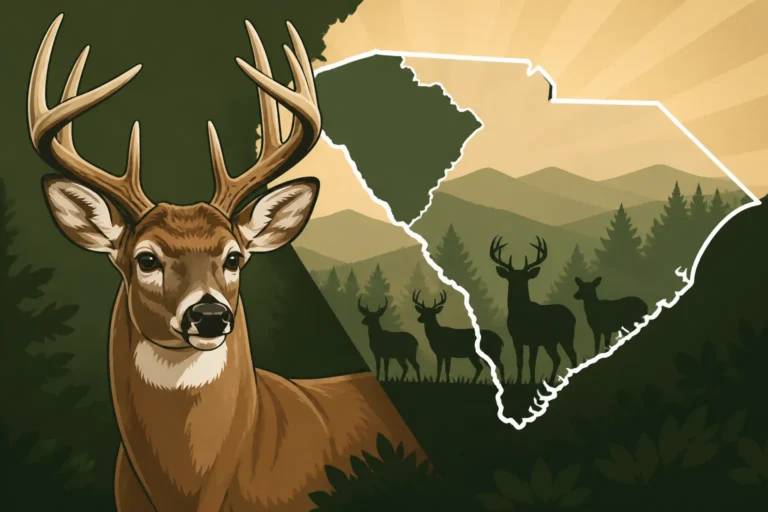
The thrill of chasing a genuinely big buck, one that makes your heart pound just glimpsing its rack through the pines, is a pursuit many South Carolina hunters share. But finding those elusive giants, the deer that have managed to grow mature antlers, often feels like searching for a needle in a vast, wild haystack. This guide dives deep into the factors that contribute to a buck's antler growth and highlights which areas of the Palmetto State consistently produce top-tier whitetails, helping you focus your efforts for a better chance at that trophy of a lifetime.
Understanding South Carolina's Deer Dynamics
Before we even talk about specific locations, it's crucial to understand what makes a buck grow impressive antlers in the first place. It’s not just luck; it’s a delicate balance of genetics, age, and nutrition. South Carolina’s diverse landscapes mean these factors play out differently across our state, creating unique opportunities and challenges for hunters.
The Role of Nutrition and Habitat
Imagine a young buck, full of vigor, but growing up in an area with poor soil, sparse forage, and constant stress from predators or lack of water. No matter how good his genetics might be, his antlers will likely suffer. Nutrition is paramount. Deer need a consistent supply of high-quality forage rich in protein, minerals, and carbohydrates to reach their full potential. This means healthy, fertile soil that supports lush native browse, abundant mast crops like acorns, and often, agricultural crops.
In regions with rich river bottom soils and extensive agricultural lands, deer have access to a veritable buffet of food sources. Think about cornfields, soybean plots, peanut fields, and lush clover. These provide not just sustenance but the vital building blocks for robust bone and antler development. Areas with a mix of diverse habitat – mature timber for mast, thickets for bedding, and open fields for feeding – are ideal. Conversely, areas with heavily leached, sandy soils or vast monocultures of pine plantations might struggle to provide the diverse diet needed for top-end antler growth, simply because the nutritional base isn't as strong. Understanding the basic ecological health of an area is your first clue to its big-buck potential.
Age Structure and Management Strategies
Even with perfect nutrition, a buck won't grow a truly large rack if he doesn't live long enough. Age is the second critical component. Most whitetail bucks don’t reach their peak antler size until they are 4.5, 5.5, or even 6.5 years old. This means that for a county to consistently produce big bucks, a significant portion of its deer herd must be allowed to reach these older age classes. This is where hunting pressure and management strategies come into play.
Heavily hunted areas, especially those with high numbers of hunters and less restrictive harvest criteria, often see bucks taken at younger ages, preventing them from expressing their full antler potential. On the other hand, properties or regions where hunters voluntarily pass on younger bucks, or where regulations foster a more mature age structure, are more likely to yield those impressive trophies. This often means private land with dedicated deer management programs, but certain public lands with specific quota hunts or more remote access can also offer pockets of older bucks. Hunters who prioritize herd health and trophy quality over simply filling a tag are instrumental in cultivating these conditions. Many hunters find using tools like GoHunt invaluable for researching land ownership and understanding potential management trends in different areas.
Top Counties and Their Unique Advantages
Now that we understand the foundational elements, let's explore some of the specific regions and counties in South Carolina that have a reputation for producing big bucks. Keep in mind that "best" can be subjective, and conditions can vary year to year, but these areas consistently show up in harvest reports and local lore.
The Midlands Region: A Consistent Contender
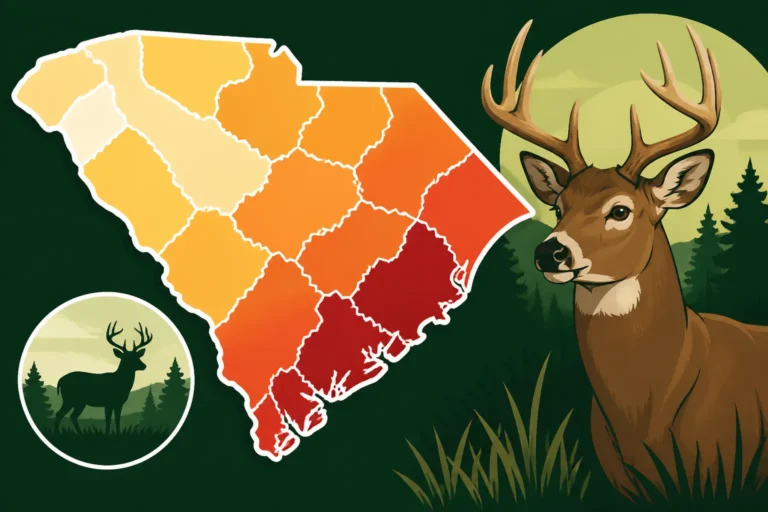
When serious deer hunters talk about big bucks in South Carolina, the Midlands region often comes up first. This central belt of the state, with its fertile soils, diverse agricultural landscape, and often expansive timber tracts, provides an ideal environment for whitetail deer to thrive and grow old. The land here can be a mosaic of cultivated fields, hardwood bottoms, and pine stands, offering everything a deer needs.
Counties like Orangeburg, Calhoun, and Aiken frequently top the charts for total deer harvest and often boast impressive Boone and Crockett entries. The nutrient-rich soils in these areas, particularly along river drainages and floodplains, contribute directly to the quality of the forage. This means deer can pack on the pounds and minerals necessary for antler development. Large private land holdings in the Midlands often practice quality deer management, passing on younger bucks and maintaining healthy age structures. This deliberate approach, combined with the habitat, is a potent recipe for growing big racks. Hunters often find that scouting the many Hunting the Pee Dee River Bottoms and creek systems can reveal excellent opportunities.
Here's a closer look at a few Midlands counties:
- Orangeburg County: This county is a consistent powerhouse. Its vast acreage, coupled with a mix of agriculture (corn, soybeans, peanuts) and timber, provides an abundant food supply. The relatively long deer season allows for ample hunting opportunities, and many private landowners prioritize letting young bucks walk, fostering an older age class. It's not uncommon to hear tales of true giants coming from Orangeburg.
- Calhoun County: Smaller in size than Orangeburg but equally potent. Situated near the Congaree River, Calhoun benefits from incredibly fertile river bottomland soils. These areas are ecological goldmines, providing exceptional browse and mast crops. The presence of large tracts of private land dedicated to deer management further enhances its reputation for producing high-quality bucks.
- Aiken County: Known for its diverse terrain, from sandy uplands to productive river drainages. While not all areas are created equal, sections of Aiken County, particularly those bordering larger timber operations and agricultural fields, have a strong history of producing heavy-bodied deer with impressive headgear.
Many hunters will tell you that the secret to Why the Midlands Grows Big Bucks isn't just one thing, but a perfect storm of environmental factors and management practices that allow deer to live longer and eat better.
Coastal Plain Powerhouses
While the Midlands often gets the most press, the Coastal Plain, particularly the Lowcountry, holds its own when it comes to big bucks. These areas feature longer seasons, often opening earlier, and boast incredibly dense cover, allowing deer to reach older ages by simply being harder to hunt. The challenge here often isn't finding deer, but getting a shot at a mature buck in the thick swamps and maritime forests.
Counties such as Colleton, Dorchester, and Georgetown are frequently cited for their buck potential. These areas benefit from a mix of agriculture, expansive timberlands, and vast wetland systems like the ACE Basin. The longer growing seasons and varied food sources contribute to healthy deer, and the sheer amount of cover provides sanctuaries for mature bucks. Hunters pursuing deer in these zones often discover that Hunting the Rut in the Coastal Zones offers a unique challenge due to the warm weather and dense foliage, but it can also be incredibly rewarding.
Let's delve into some Coastal Plain counties:
- Colleton County: A huge county, much of it characterized by low-lying swamps, pine flats, and agricultural fields. The density of cover here is legendary, giving bucks plenty of places to hide and grow old. Management on larger private tracts, combined with the extensive habitat, contributes to a healthy age structure and opportunities for impressive antlers.
- Dorchester County: Located just inland from Charleston, Dorchester benefits from a mix of suburban influence (which can mean less hunting pressure in some pockets) and productive agricultural and timber lands. It's an area where finding good private land access can be key, but the deer quality on well-managed tracts is undeniable.
- Georgetown County: Situated along the coast, Georgetown features a combination of tidal marshes, timber, and agricultural lands. Its proximity to the Winyah Bay and other water bodies provides unique habitat features. The longer seasons and dense cover give bucks ample time and space to mature, offering good potential for those willing to put in the work.
While deer densities might be higher in some parts of the Lowcountry, the true challenge and reward often come from consistently pursuing older animals in their formidable habitat.
Upstate Opportunities
The Upstate, with its rolling hills, Piedmont forests, and even mountainous terrain, presents a different set of opportunities and challenges for big-buck hunters. While deer here may not reach the sheer body weights or antler scores of their Midlands counterparts on average, specific pockets and well-managed lands can certainly produce impressive animals. The key in the Upstate is often finding those particular areas with superior food sources and lower pressure.
Counties like Anderson, Oconee, and Greenville can offer surprises. The Upstate deer typically have access to diverse mast crops from oak-hickory forests, but the agricultural base isn't as widespread as in the Midlands. Therefore, finding properties with dedicated food plots or adjacent to significant agricultural operations becomes even more critical for growing larger bucks. The terrain itself can create natural funnels and sanctuaries, offering strategic hunting advantages. Hunters should refer to information like South Carolina Deer Population Estimate to gauge densities and potential pressure in these areas.
Considering the Upstate:
- Anderson County: Known for its mix of agricultural land and timber. While more populated in some areas, the rural sections with good habitat and food sources can produce solid deer. Finding private land with quality management is often the path to bigger bucks here.
- Oconee County: Stretching into the Blue Ridge Mountains, Oconee's terrain is rugged and can be challenging to hunt. However, the diverse habitat, including mature hardwoods, provides excellent mast crops. Pockets of good deer exist, particularly in areas with less hunting pressure and ample food.
- Greenville County: Like Anderson, Greenville is a blend of urban and rural. The challenge is often access to quality private land. However, areas with managed timber, good oak stands, and limited pressure can allow bucks to grow older and larger.
The Upstate requires a different hunting approach, often more focused on Reading Aerial Photos for Upstate Deer to identify prime habitat and access.
Beyond County Lines: Factors for Success
While certain counties have a well-earned reputation, focusing solely on a county name can sometimes lead to disappointment if you don't consider other critical factors. The best hunting often happens at a more granular level, within specific properties or management units, regardless of county lines.
Private Land Versus Public Land Potential
The debate between private and public land hunting is eternal, and when it comes to big bucks in South Carolina, it often boils down to management and pressure. On average, private land, particularly large tracts with dedicated wildlife management plans, tends to produce older, larger-antlered bucks. Landowners or hunting clubs can implement specific strategies such as antler point restrictions, food plot programs, and predator control, all of which contribute to better buck quality. Getting Private Land Permission in South Carolina can be a game-changer for serious trophy hunters.
Public lands, including our National Forests and Wildlife Management Areas (WMAs), present a different scenario. While they offer invaluable access, they often experience higher hunting pressure, making it challenging for bucks to reach older age classes. However, this isn't to say big bucks don't exist on public land. Hunters willing to go deeper, scout harder, and hunt smarter can find unpressured pockets. Look for areas that are difficult to access, have dense cover, or are far from main roads. Tools like GoHunt can provide crucial insights into public land boundaries and features, helping you identify these hidden gems. Understanding South Carolina WMA Permit Requirements is also essential before venturing out.
Scouting and Intelligence Gathering
Regardless of whether you're hunting private or public land, thorough scouting and intelligence gathering are non-negotiable for consistent big buck success. You can be in the "best" county, but if you're not in the right spot within that county, it means nothing.
Start with maps – topographic, aerial, and land ownership maps. Identify potential funnels, pinch points, bedding areas, and prime food sources. Modern tools like GoHunt provide incredibly detailed satellite imagery and property line information, which is a huge advantage for pre-season scouting. Look for evidence of mature buck sign: large rubs, deep scrapes, and big tracks. Pay attention to how deer move through the terrain, considering wind directions and thermal currents.
Trail cameras are also invaluable for monitoring deer movement and identifying specific bucks. By observing patterns over time, you can learn when and where a mature buck is most likely to be present. Combine this with real-time observation and "boots on the ground" scouting to confirm your theories. Understanding South Carolina Deer Season Structure Explained across the zones will help you time your scouting efforts effectively. It's a year-round commitment, not just a few weeks before the season. The more you know about the specific deer in your chosen area, the better your chances of encountering that trophy buck. Even after harvest, reporting your deer through systems like Game Check helps contribute to data that informs future management, impacting trophy potential across the state.
South Carolina Big Buck Potential Overview
Here's a simplified look at the general characteristics and big buck potential of South Carolina's major hunting regions. Remember, these are broad generalizations, and exceptional deer can be found in any region with the right combination of habitat and management.
| Region | Key Counties (Examples) | Primary Habitat Type | General Big Buck Potential | Key Factors for Success |
|---|---|---|---|---|
| Midlands | Orangeburg, Calhoun, Aiken, Sumter | Agriculture, River Bottoms, Mixed Pine/Hardwood | Excellent | Nutrition, Private Land Management, Older Age Structure |
| Lowcountry | Colleton, Dorchester, Georgetown, Charleston | Dense Swamps, Maritime Forests, Agriculture, Pine | Very Good | Dense Cover, Longer Seasons, Patience, Access to Managed Land |
| Upstate | Anderson, Oconee, Greenville, Spartanburg | Piedmont Forests, Hardwood Ridges, Mixed Agriculture | Good | Specific Pockets, Dedicated Food Plots, Lower Pressure |
| Pee Dee | Florence, Darlington, Marion, Chesterfield | Agriculture, River Bottoms, Mixed Pine/Hardwood | Very Good | Fertile Soils, Agriculture, River Systems |
Ultimately, hunting for big bucks in South Carolina is a journey of understanding the land, the deer, and yourself. It requires patience, persistence, and a willingness to learn from every season. Whether you're targeting a South Carolina Record Book entry or just a personal best, the Palmetto State offers incredible opportunities for those who are dedicated to the pursuit. Don't forget to secure your South Carolina Hunting Licenses and What They Cost before heading out into the field!
Disclaimer
This article is for general informational purposes only and does not constitute professional advice. Laws, prices and regulations vary by location and change over time. Consult a qualified professional for guidance on your specific situation.