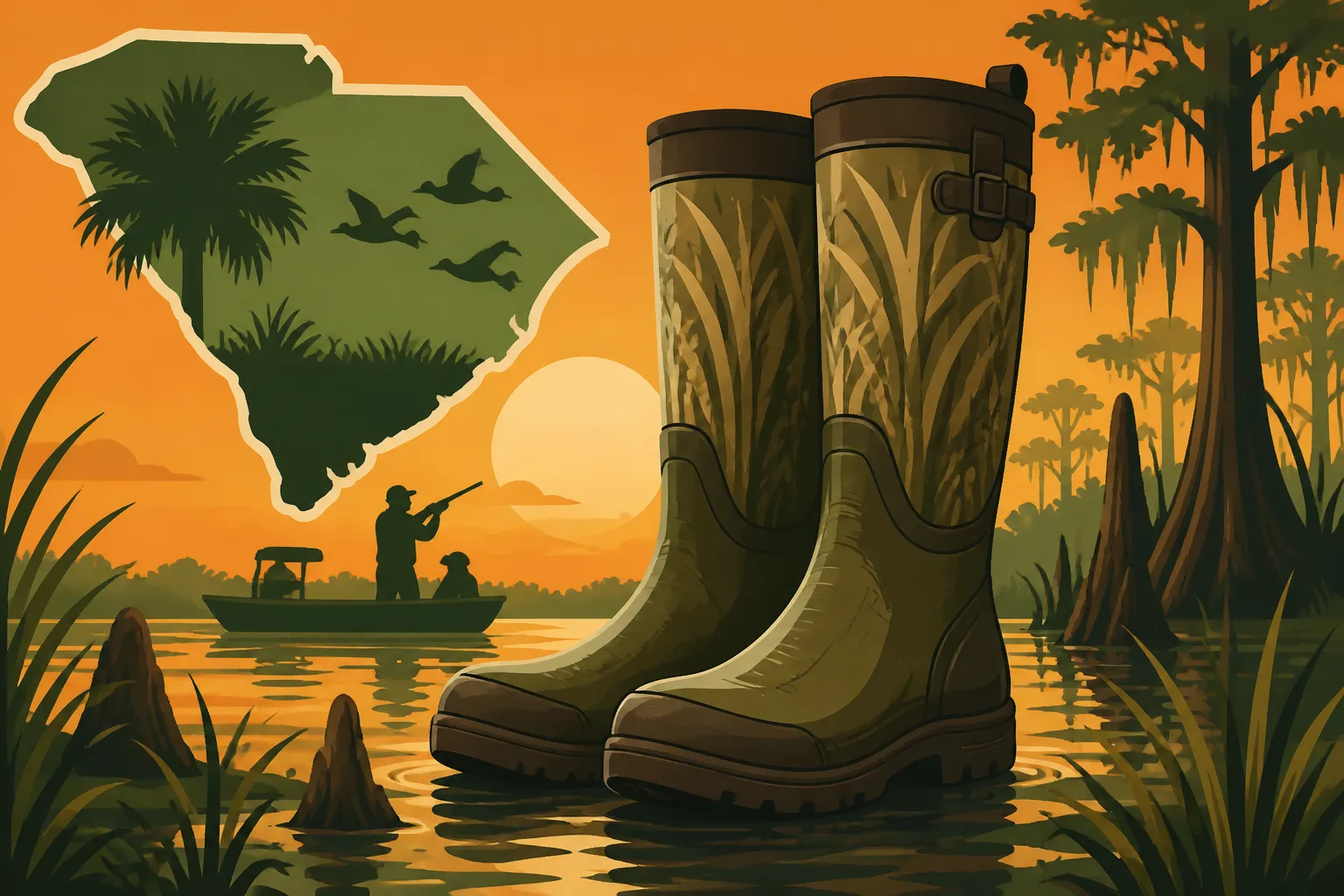
Rubber Boots for Swamp Walking
There's nothing quite like the feeling of stepping into a promising South Carolina swamp or a muddy lowcountry creek bottom, only to have that cold, clammy seep of water breach your "waterproof" boots. It's a truly miserable experience that can cut a hunt short and leave you shivering, especially during those cooler months or after a heavy rain. This guide is all about helping you understand why quality rubber boots are an absolute essential for hunting our unique South Carolina terrain and what to look for to keep your feet dry, warm, and comfortable, no matter how deep the muck gets.
The Undeniable Need for Rubber Boots in South Carolina
Hunting in South Carolina often means dealing with water. From the expansive tidal marshes of the coast to the numerous rivers, creeks, and cypress swamps that crisscross the state, our landscape is inherently damp. Traditional leather or even many "waterproof" fabric boots just aren't cut out for the constant submersion and deep mud you'll encounter.
The Problem with Traditional Boots in Wet Conditions
You might have a fantastic pair of hiking boots, maybe even one with a waterproof membrane. They might handle a rainy day or shallow puddles just fine. But think about wading through a knee-deep cypress slough or traversing a muddy creek bed where your foot sinks down past your ankle. That "waterproof" membrane eventually gets overwhelmed, or water simply comes in over the top. Once water gets in, it's trapped, and your feet stay soaked, leading to blisters, discomfort, and potentially hypothermia in colder weather.
Moreover, the persistent dampness in South Carolina can be brutal on traditional boot materials. Leather can break down, stitches can rot, and fabric can become permanently saturated and start to smell. It's a losing battle trying to keep conventional footwear dry and clean after repeatedly exposing it to our wet, boggy environments.
The Unique South Carolina Swamp Environment
Our state's swamps and bottomlands aren't just wet; they're often teeming with sharp stumps, hidden roots, and slick mud that demand specific footwear characteristics. Imagine Hunting a Funnel Between Two Swamps – you're likely crossing murky water multiple times, each step a gamble if your boots aren't up to snuff. The ground underfoot can vary wildly, from firm sandy patches to deep, sucking mud that tries to pull your boots right off.
Then there are the creatures that call these places home. Snakes are a real concern in many of our swampy areas, and while no boot is entirely snake-proof, the taller, thicker rubber of a good swamp boot offers an extra layer of protection that a low-cut hiking boot simply can't match. Having that peace of mind, especially when you're Tracking a Deer Through South Carolina Pine Straw and potentially pushing through dense undergrowth, is invaluable.
Staying Dry is Key to Comfort and Success
Ultimately, staying dry is about more than just comfort; it's about endurance and focus. When your feet are cold and wet, every step is a chore, and your mind starts to wander from the hunt to your misery. You become less observant, less patient, and less effective. Good rubber boots allow you to slog through that lowcountry marsh or up a creek bottom without a second thought, keeping you in the game longer and more effectively. Whether you're focused on Waterfowl Hunting South Carolina's Coast or trying to get close to a wary whitetail in a boggy area, dry feet mean you can concentrate on the task at hand.
Key Features to Look For in Quality Swamp Boots
When you're investing in a pair of rubber boots for South Carolina hunting, you're not just buying footwear; you're buying a piece of essential gear. It pays to be discerning and look for specific features that will stand up to our challenging conditions.
Insulation and Warmth Considerations
While South Carolina isn't known for extreme cold, those late-season hunts in December and January, or even early morning sits during duck season, can get surprisingly chilly, especially if your feet are wet. Many rubber boots come with insulation, often measured in grams (e.g., 800g, 1200g, 2000g).
- Warm-Weather Boots (Uninsulated or Lightly Insulated): For early archery season or Hunting South Carolina's Year-Round Feral Hogs in the summer, you'll want uninsulated or very lightly insulated boots. The key here is breathability and keeping your feet from sweating excessively, which can lead to its own set of problems. Too much insulation in August will make your feet sweat profusely, defeating the purpose of keeping them dry from the outside.
- Cold-Weather Boots (Heavily Insulated): For late-season deer hunting or frigid duck blinds, a heavily insulated boot (1200g or more) can be a game-changer. These keep your feet warm even when standing in icy water or sitting motionless for hours. Remember, though, that more insulation often means a bulkier, heavier boot, which might not be ideal for long walks. A helpful tip is to check the weather and water conditions using resources like your GoHunt app before deciding which pair to bring.
Tread Patterns for Mud and Slippery Surfaces
The sole of your boot is your connection to the ground, and in South Carolina's swamps, that ground is often anything but stable. You need a tread pattern designed for maximum grip in loose, muddy, and often slick conditions.
- Aggressive Lugs: Look for deep, widely spaced lugs on the sole. These "teeth" dig into soft mud, providing traction and stability, and crucially, they shed mud easily. Boots with tightly packed, shallow treads might work on dry trails, but they'll quickly clog with mud in a swamp, turning your foot into a slippery ski.
- Self-Cleaning Designs: Some boot manufacturers design their treads to be "self-cleaning," meaning the mud pushes out of the grooves with each step. This is a huge advantage, as it prevents mud buildup that would otherwise diminish your traction. Consider the kind of mud you're typically walking through – thick, sticky clay requires different traction than sandy, loose soil.
Fit for Comfort and Performance
A good fit is paramount. An ill-fitting boot can cause blisters, fatigue, and even lead to dangerous falls.
- Snug, Not Tight: You want a snug fit around your ankle and heel to prevent slippage, which is a common cause of blisters, especially when navigating uneven terrain or deep mud. However, it shouldn't be so tight that it restricts circulation or causes discomfort. Your toes should have enough room to wiggle without hitting the front of the boot.
- Room for Socks: Always try on rubber boots with the type of socks you'll actually wear hunting. If you plan on wearing thick wool socks for warmth, make sure there's ample room without the boot feeling too tight. Warm-Weather Clothing for South Carolina Hunters is often different from late-season gear, so your sock choice will change, and your boots need to accommodate that.
- Calf Fit: Pay attention to how the boot fits around your calf. Some boots are wider or narrower than others. If it's too tight, it can be uncomfortable and restrict blood flow; too loose, and it can chafe or allow debris inside. Many modern boots incorporate adjustable gussets or flexible neoprene shafts to accommodate different calf sizes and make them easier to get on and off.
Boot Height and Protection
The height of your rubber boot directly correlates to the depth of water you can comfortably wade through without getting wet.
- Knee-High (15-18 inches): This is a popular general-purpose height, offering good protection for most creek crossings and swamp edges. It’s a versatile choice for a lot of South Carolina hunting scenarios.
- Thigh-High Waders (25-30 inches or more): For serious Hunting the ACE Basin for Waterfowl or navigating deep lowcountry sloughs where you expect water to rise above your knees, thigh-high waders or even chest waders become necessary. While not strictly "boots," many are essentially rubber boots integrated into wader systems, providing maximum protection.
Beyond water depth, taller boots offer increased protection from briars, sticks, and, importantly, snakes. While no boot guarantees protection from all snake bites, the thickness and height of quality rubber boots can provide a significant deterrent and a measure of peace of mind.
Material Durability and Flexibility
The materials used in rubber boots have come a long way. Gone are the days of stiff, crack-prone rubber being your only option.
- Natural Rubber: Still a fantastic choice, especially for its flexibility and scent-free properties. High-quality natural rubber is durable, comfortable, and resists cracking better than cheaper synthetic alternatives. It also tends to be quieter in the woods, which is a bonus for close-range deer or turkey hunting.
- Neoprene: Often used in combination with rubber, particularly in the shaft. Neoprene offers excellent insulation and flexibility, making boots more comfortable for walking and easier to put on and take off. It's the same material used in wetsuits, providing warmth even when wet. However, it can sometimes be more prone to snags and punctures than solid rubber.
- EVA (Ethylene-vinyl acetate): A lightweight, flexible material often used in the footbed or as an insulating layer. While incredibly light and comfortable, boots primarily made of EVA might not offer the same puncture resistance as solid rubber, making them less ideal for truly rugged, brush-filled swamps. Many companies, like the ones you might research after seeing an article on GoHunt, are constantly innovating with material blends to maximize both durability and comfort.
Popular Types of Rubber Boots and Their Best Uses
Choosing the right type of rubber boot depends heavily on the specific kind of hunting you'll be doing and the conditions you expect to encounter. What works for a quick morning duck hunt might not be suitable for a day-long deer drive.
Neoprene Boots for Warmth and Flexibility
Neoprene boots typically feature a rubber foot and a neoprene upper shaft. This combination offers a fantastic blend of features that many South Carolina hunters find appealing.
- Pros: The neoprene upper is incredibly flexible, making these boots very comfortable for walking long distances or navigating uneven terrain. It also provides excellent insulation, keeping your feet warm even in colder water or weather. This flexibility also makes them easier to get on and off, which is a small but welcome convenience after a long hunt. They often fit snugly around the calf, helping to keep debris out.
- Best Uses: These are fantastic all-around boots for cooler weather, late-season deer hunting, and duck hunting in shallow water. If you're going to be sitting in a chilly Layout Blind Hunting Lowcountry Rice Fields or moving through a cold, wet forest, the insulation and flexibility of neoprene are hard to beat. They're also great for areas where you might be Recovering a Deer From a Lowcountry Swamp and need to move quickly through varied terrain.
All-Rubber Boots for Maximum Waterproofing
Traditional all-rubber boots are made almost entirely of vulcanized rubber, from the sole right up to the top of the shaft.
- Pros: When it comes to pure, unadulterated waterproofing, nothing beats a solid rubber boot. They are incredibly durable and puncture-resistant, making them ideal for pushing through dense briars, sharp sticks, and tough undergrowth without worrying about a tear. They are also typically easier to clean and resist taking on odors compared to fabric or neoprene. Many hunters appreciate their classic, rugged feel.
- Best Uses: These are your workhorse boots for the nastiest, gnarliest swamps and thickets. If your hunt involves constant wading, bushwhacking through dense cover, or just need something utterly bombproof that will last for years, all-rubber is the way to go. They excel in scenarios where you are Dragging a Deer Out of a Swamp or walking through extremely muddy, sticky areas. While they might be less flexible than neoprene, their sheer durability and waterproof integrity are unmatched.
Hybrid Designs with Added Features
The market has evolved, and many manufacturers now offer hybrid designs that try to blend the best aspects of different materials and technologies.
- Pros: These boots often incorporate features like waterproof zippers, adjustable calf gussets, or different rubber compounds for specific areas (e.g., tougher rubber on the foot, more flexible rubber on the shaft). Some even integrate advanced footbed technologies for enhanced arch support and shock absorption, making them feel more like a hiking boot than a traditional rubber boot. These can offer a truly custom fit and feel.
- Best Uses: Hybrid boots are perfect for the hunter who wants the waterproof capabilities of rubber but desires more comfort, flexibility, or specific features for their hunting style. Perhaps you need a boot that's easier to get on and off, or one that offers superior ankle support for navigating tricky, uneven terrain. Before heading out, consider using an app like GoHunt to check elevation changes and water levels, which might influence your decision on whether a more supportive hybrid design is beneficial for that particular trip.
Here's a quick comparison of common rubber boot types for South Carolina hunting:
| Boot Type | Primary Material(s) | Key Advantage | Best For | Considerations |
|---|---|---|---|---|
| All-Rubber | Natural Rubber | Maximum Durability & P-R. | Deep mud, thick briars, ultimate waterproof. | Can be less flexible, heavier. |
| Neoprene | Rubber foot, Neoprene shaft | Insulation & Flexibility | Cold weather, wading, long walks. | Neoprene can snag/tear more easily. |
| Hybrid | Various blends | Comfort, Features, Versatility | Varied terrain, specific needs (e.g. ankle support). | Can be more expensive, features vary widely. |
| Wader-Boot | Rubber/Neoprene (integrated) | Max Water Depth | Deep water, Hunting Coastal Marsh Waterfowl. | Not a standalone boot, limited mobility out of water. |
Care and Maintenance for Longevity
You've invested good money in a quality pair of rubber boots. Now, make sure they last. Proper care isn't just about cleanliness; it's about preserving the materials and extending the life of your gear.
Cleaning After Every Hunt
It might seem tedious after a long, tiring hunt, but a quick clean can prevent long-term damage.
- Rinse Off Mud and Debris: As soon as you can, hose down your boots. Mud and organic debris can contain acids and enzymes that will slowly degrade rubber and neoprene over time. Pay special attention to the seams and tread patterns, where mud loves to hide. Use a stiff brush if necessary to get into those aggressive lugs.
- Mild Soap and Water: For tougher grime, a mild soap solution (like dish soap) and water can work wonders. Avoid harsh chemicals or solvents, which can strip protective coatings or dry out the rubber. After washing, rinse thoroughly to remove all soap residue.
- Dry Thoroughly (but Naturally): This is crucial. Never force-dry your rubber boots with a direct heat source like a fire, space heater, or direct sunlight. Excessive heat will dry out and crack the rubber, making them leak. Instead, wipe down the exterior, and for the interior, let them air dry in a cool, well-ventilated area, preferably upside down or with a boot dryer that uses gentle, circulating air. You might even stuff them loosely with newspaper to absorb moisture, changing it regularly.
Proper Storage Techniques
How you store your boots between hunts can significantly impact their lifespan.
- Cool, Dark Place: Store your boots in a cool, dry, and dark place. UV light from the sun is one of rubber's worst enemies, causing it to degrade and crack prematurely. Garages, closets, or basements are generally good, as long as they aren't prone to extreme temperature swings or dampness.
- Upright or Hanging: Store them upright to maintain their shape. If you have boot trees, use them. Alternatively, some hunters hang their boots upside down using clips, which can also help prevent them from collapsing and creating creases where cracks might form.
- Avoid Contact with Solvents/Oils: Keep your boots away from petroleum-based products, oils, and strong chemicals. These can break down the rubber and compromise its integrity. If you've been working with fuel or other chemicals, make sure your boots are thoroughly cleaned before storage.
Repairing Minor Damage
Even with the best care, sometimes accidents happen. A small puncture or tear doesn't necessarily mean your boots are trash.
- Puncture Repair Kits: Many outdoor stores and even boot manufacturers sell rubber boot repair kits, similar to what you'd use for bicycle tires or waders. These typically involve a patch and a strong adhesive. For small holes, these kits can be incredibly effective at sealing the leak and extending the life of your boots.
- Follow Instructions Carefully: When using a repair kit, always follow the manufacturer's instructions to the letter. Proper surface preparation (cleaning, roughing up the area) and application of the adhesive are key to a lasting seal. Allow ample drying and curing time before re-using the boots.
- When to Replace: While minor repairs are often successful, there comes a time when replacement is the best option. If you have extensive cracking, large tears, or multiple leaks that keep reappearing, it's time to retire that pair. A leaky boot isn't just uncomfortable; it can be a safety hazard in cold weather. There’s nothing more frustrating than having to stop a hunt early because your feet are soaked to the bone from a patch that didn't hold up. Always scout your gear, just like you'd scout a new hunting spot on your GoHunt map, to ensure it's ready for the challenge.
Investing in high-quality rubber boots specifically designed for the challenges of South Carolina's wet, muddy, and often unforgiving terrain is one of the smartest decisions any hunter can make. They are more than just footwear; they are an essential piece of equipment that directly impacts your comfort, endurance, and overall success in the field. By understanding the unique demands of our environment and knowing what features to prioritize, you can select a pair that will serve you well for many seasons to come, keeping your feet dry and your mind focused on the hunt.
Disclaimer
This article is for general informational purposes only and does not constitute professional advice. Laws, prices and regulations vary by location and change over time. Consult a qualified professional for guidance on your specific situation.