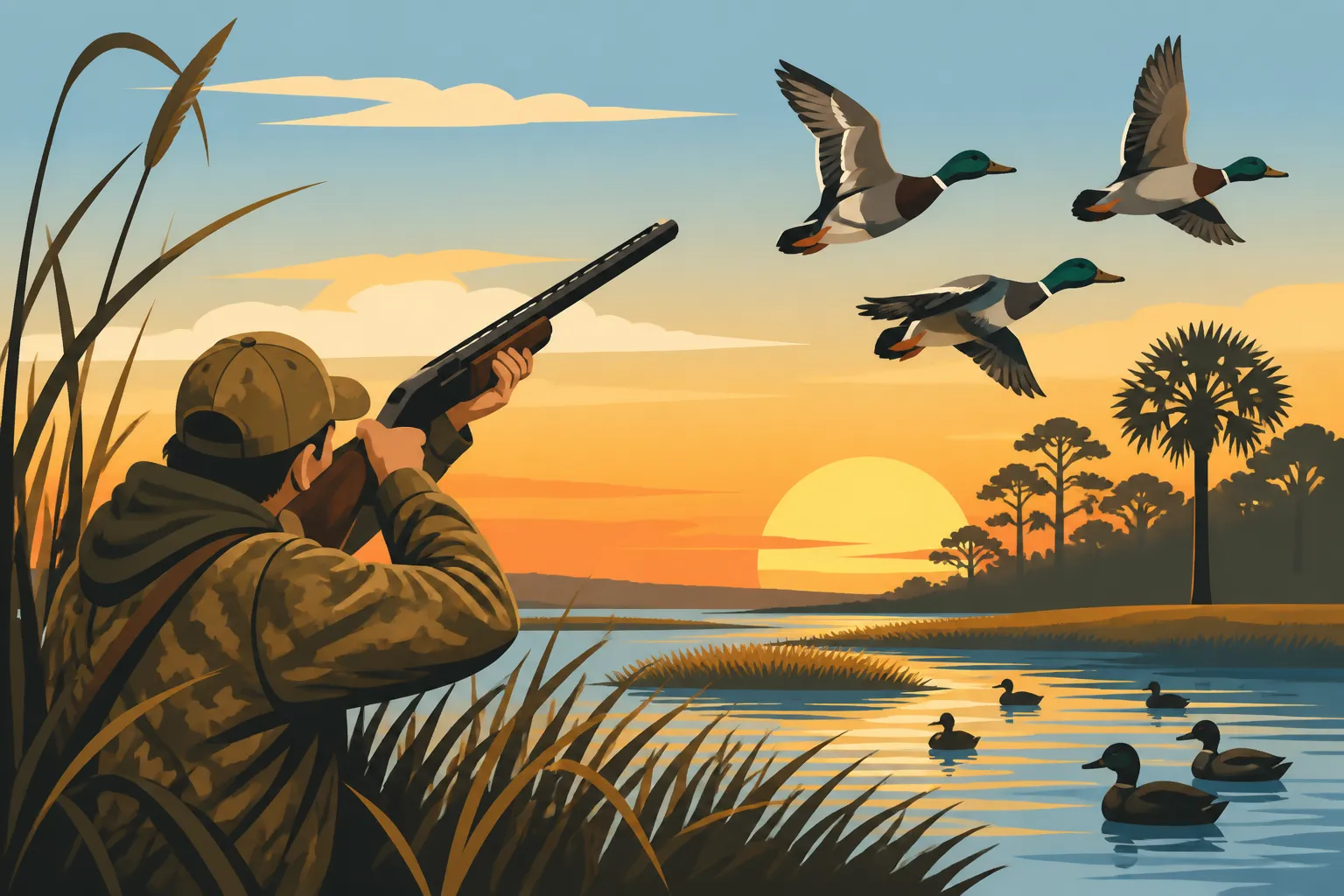
Hunting the ACE Basin for Waterfowl
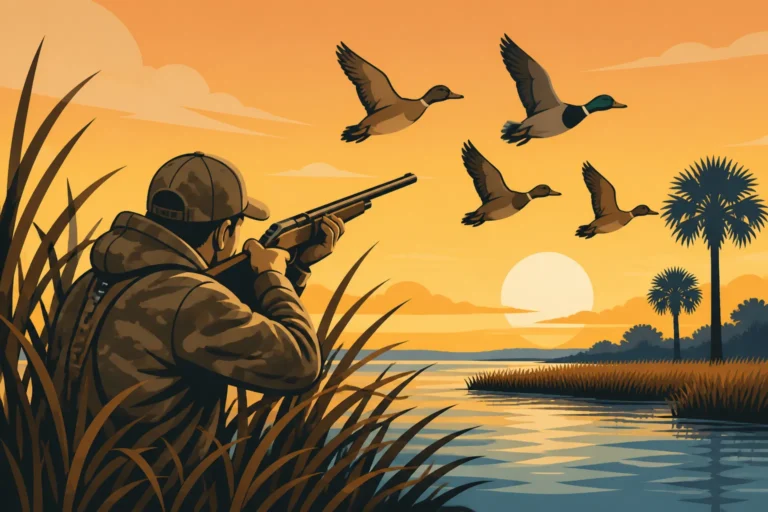
Hunting waterfowl in South Carolina's magnificent ACE Basin presents a unique challenge, unlike hunting any other place in the state. The complex interplay of tidal marshes, cypress swamps, and managed impoundments can leave even seasoned hunters scratching their heads, wondering where the birds will be and how to even get to them. This guide will meticulously break down the intricacies of waterfowl hunting within the Ashepoo, Combahee, and Edisto River basin, equipping you with the knowledge to confidently pursue ducks and geese in this truly special lowcountry environment.
Understanding the ACE Basin's Unique Waterfowl Habitat
The ACE Basin isn't just another hunting spot; it's a sprawling, dynamic ecosystem where freshwater meets saltwater, creating an incredibly rich habitat for a myriad of migratory waterfowl. The sheer scale and diversity of this area, encompassing thousands of acres of critical wetlands, makes it a prime destination for birds seeking winter refuge and abundant food sources. Understanding its unique characteristics is the first step toward successful hunting.
The Tidal Influence: How Tides Shape Hunting Opportunities
One of the most defining features of the ACE Basin, and indeed much of the South Carolina coast, is the powerful influence of the tides. This isn't just about water levels; it’s about how the ebb and flow dictate everything from bird movement to access for hunters. When the tide is high, vast areas of marsh grass and flooded timber become accessible, allowing ducks to spread out and feed in areas that might be dry or barely navigable at low tide. Conversely, a falling tide can concentrate birds into smaller, deeper pockets, creating potential hot spots.
For hunters, this means your entire strategy, from boat launch times to decoy placement, must revolve around the tide chart. Getting stuck miles from your boat because the tide dropped unexpectedly is a common rookie mistake in the lowcountry. You'll often find yourself having to drag a boat through thick pluff mud if you miscalculate. This tidal dance also affects how birds feed and rest. A rising tide can bring fresh food sources into reach, while a falling tide might expose mudflats rich with invertebrates. Many veteran hunters meticulously study the tidal charts, often using mapping apps like GoHunt that overlay satellite imagery with public land boundaries and even contour lines, to predict where birds will naturally funnel with the water movement. Recognizing how to interpret these movements is crucial for successful Reading a Tidal Marsh for a Morning Flight.
Diverse Ecosystems: From Estuaries to Freshwater Impoundments
The ACE Basin’s beauty lies in its habitat mosaic. You'll find everything from brackish tidal creeks winding through Spartina grass to deep, dark cypress swamps, and perhaps most importantly for waterfowl, historical rice field impoundments. These impoundments, often bordered by dikes and managed to control water levels, are absolute magnets for ducks. They are meticulously flooded and drawn down to promote the growth of specific waterfowl food plants like smartweed and millet, creating a buffet that attracts thousands of birds.
Contrast this with the natural tidal creeks and estuaries where ducks might be feeding on small fish, crustaceans, or the seeds of various marsh grasses. The cypress swamps offer protected roosting areas and different food sources, like acorns when the water is up. Each of these mini-ecosystems within the larger basin holds different species of ducks at different times, and understanding which habitat attracts which bird is key. For example, pintails and wigeon often prefer the more open, brackish flats, while wood ducks and mallards gravitate towards the flooded timber and managed impoundments. Navigating these varied habitats requires a versatile approach to both gear and tactics.
Public vs. Private Access: Navigating Hunting Opportunities
The ACE Basin is a complex patchwork of public and private lands. While a significant portion is protected under conservation easements or owned by organizations like Ducks Unlimited or the US Fish and Wildlife Service, there are still excellent public hunting opportunities available. Areas like the ACE Basin National Wildlife Refuge offer specific quota hunts, which require applying well in advance and being drawn for a limited number of spots. These hunts are highly coveted due to the quality of the hunting experience.
Additionally, certain Wildlife Management Areas (WMAs) within or adjacent to the basin offer public access, though regulations can vary widely between areas. It's imperative to consult the South Carolina Department of Natural Resources (SCDNR) regulations annually, as rules for South Carolina Waterfowl Zones and Seasons and specific WMAs can change. Many of the most productive rice field impoundments are on private land, often managed by hunting clubs or large landholders. Gaining access to these can be challenging, but it's not impossible if you cultivate relationships or look into guided hunt opportunities. Always know your boundaries, especially when hunting tidal waters that may border private property, and respect signage.
Key Waterfowl Species and Migration Patterns
The ACE Basin is a crucial stopover point along the Atlantic Flyway, attracting a vast array of waterfowl each winter. Understanding which species you're likely to encounter and when they typically arrive and depart is fundamental to planning a successful hunt. The population dynamics and behavioral patterns of these birds are heavily influenced by weather, food availability, and hunting pressure both north and south of the basin.
Ducks of the ACE: Mallards, Woodies, and More
When you think of duck hunting in the ACE Basin, a few species immediately come to mind. Mallards are a cornerstone, often found in the freshwater impoundments and flooded timber, dabbling for seeds and invertebrates. Their distinctive quack is a welcome sound on a crisp morning. Wood ducks, with their incredible agility and vibrant plumage, are also abundant, especially in the cypress-tupelo swamps and smaller creeks. They’re often the first ducks to buzz the decoys at dawn and are known for their spectacular flight displays. Many hunters specifically target Mallards and Wood Ducks in the ACE Basin due to their prevalence and excellent table fare.
Beyond these two, you’ll likely encounter a host of other dabbling ducks like Green-winged Teal, Blue-winged Teal (especially early in the season), Gadwalls, and Wigeon. These birds favor shallow water and feed by tipping up, rather than diving. For divers, the more open water and deeper impoundments might hold Ring-necked Ducks, Scaup (Bluebills), and even occasional Canvasbacks or Redheads, particularly in the brackish parts of the basin. Each species has its own preferred habitat, flight patterns, and responses to calls, making a diverse decoy spread and adaptable calling techniques essential. Keep in mind the specific South Carolina Duck Zone Rules for bag limits on different species, as some may have lower daily take restrictions.
Geese and Other Migratory Birds
While the ACE Basin is primarily known for its ducks, geese can also be a part of the waterfowl hunting experience, though usually in smaller numbers. Resident Canada geese are present year-round, and migratory Canada geese pass through during colder months, often utilizing agricultural fields adjacent to the basin. Snow geese and Brant are less common in the inner basin but can sometimes be seen in larger coastal estuaries or adjacent agricultural areas, especially if harsh weather pushes them further south.
In addition to ducks and geese, the ACE Basin also provides habitat for other migratory birds, some of which are huntable. Coots are plentiful and often mistaken for ducks by new hunters. While not every hunter’s preferred table fare, they can add to a day's action. Mergansers, both Hooded and Red-breasted, are also common. While some hunters will take them, their fishy taste often makes them less desirable for the dinner table. When considering your harvest, always be mindful of the daily and possession limits for all species, referring to the official South Carolina Duck and Goose Bag Limits to ensure compliance.
Timing Your Hunt with Migration Peaks
Successfully hunting waterfowl in the ACE Basin often comes down to timing. The early season, usually starting in September or October depending on species and zone, primarily sees resident birds and early migrants like Blue-winged Teal. These hunts can be incredibly fun, especially with warm weather. However, the real influx of birds, including larger numbers of mallards, gadwalls, and divers, typically coincides with colder weather fronts pushing down from the north. This is when the true "migration peak" occurs for most species, usually from mid-November through January.
Knowing the general South Carolina Waterfowl Migration Timing is crucial, but successful hunters also pay close attention to regional weather patterns and bird reports. A deep freeze in the Midwest or Northeast can push thousands of birds south into the comparatively milder climate and abundant food sources of the ACE Basin. Conversely, mild weather to our north can delay their arrival. Late season can offer some of the most consistent hunting, as birds are well-established, but they are also often warier due to sustained hunting pressure. Your GoHunt app can be invaluable here, helping you track weather fronts and recent bird reports to optimize your hunting dates.
Essential Gear and Preparation for ACE Basin Hunts
Hunting the ACE Basin isn't like hunting a dry field; it's a watery world that demands specific gear and meticulous preparation. The right equipment can make the difference between a miserable, cold, and wet outing and a comfortable, successful one. Ignoring the unique challenges of this environment will quickly lead to discomfort and frustration.
Waterfowl Specific Clothing and Footwear
Forget your typical deer hunting camo; waterfowl hunting requires specialized clothing. Layers are paramount in the lowcountry, as mornings can be quite chilly, but temperatures often rise significantly by midday. Think moisture-wicking base layers, insulating mid-layers, and a waterproof, windproof outer shell in a suitable waterfowl pattern like marsh grass or timber camo. You'll be exposed to the elements, often sitting still in a blind, so staying dry and warm is critical.
However, the most important piece of clothing for an ACE Basin waterfowl hunt is undoubtedly your waders. Chest waders, preferably insulated neoprene or breathable GORE-TEX with sturdy boots, are non-negotiable. You'll be walking through mud, wading into tidal creeks, and possibly retrieving birds from deep water. Cheap waders will fail quickly and leave you soaked, risking hypothermia. Investing in a quality pair, like those from LaCrosse or Rogers Sporting Goods, designed for serious marsh work will pay dividends. Many hunters even opt for heavier-duty Waders for South Carolina Tidal Marsh Hunting that can withstand punctures from submerged stumps or oyster shells. Don't forget waterproof gloves and a warm hat for those chilly boat rides and early morning waits.
Boats, Blinds, and Decoys: Setting Up for Success
Accessing many prime ACE Basin spots requires a boat. A shallow-draft boat like a flat-bottom jon boat or a mud motor-equipped skiff is ideal for navigating the skinny water, oyster rakes, and marsh channels. Airboats are also common in some areas for commercial operations. Whichever vessel you choose, ensure it's reliable, properly maintained, and equipped with all necessary safety gear. A robust push pole is also invaluable for silently maneuvering through shallow areas where a motor might spook birds or get stuck.
Concealment is another key component. While some areas might offer natural cover to build a quick blind, portable blinds or Layout Blinds and Marsh Boats are often necessary. Layout blinds, especially, are effective in open impoundments or marsh flats where natural cover is sparse. Be sure to brush in your blind thoroughly with local vegetation to break up its outline.
And, of course, decoys. A diverse spread is typically most effective in the ACE Basin. You’ll want a mix of dabbling ducks (mallards, pintails, teal) and potentially some diver decoys if you’re hunting deeper water. Motion decoys, such as spinning wing decoys or jerk strings, can add realism and attract distant birds. How many? That depends on your chosen location and the hunting pressure. In larger, open areas, a spread of 3-5 dozen isn't uncommon. If you're hunting smaller creeks or flooded timber, a dozen or two might be plenty. Always deploy your Decoy Spreads for ACE Basin Divers in a way that creates a landing zone and simulates natural bird behavior.
Navigation and Safety in a Dynamic Environment
The ACE Basin is vast, disorienting, and full of hidden hazards. Navigational tools are not just a convenience; they are a necessity for safety. A reliable GPS unit or a smartphone with a robust mapping app like GoHunt, pre-loaded with satellite imagery and offline maps, is essential. Mark your launch point, your hunting spot, and any tricky channels or obstacles. Tidal changes can make familiar landscapes look completely different, and fog can roll in unexpectedly, reducing visibility to mere feet.
Safety should always be your top priority. Always wear a PFD (personal flotation device) when in a boat, especially during cold weather. Inform someone of your hunting plans and expected return time. Carry a fully charged cell phone (in a waterproof bag), a whistle, a first-aid kit, and an emergency signal device. The remote nature of many ACE Basin spots means help can be a long time coming. Understanding the local hazards, like strong tidal currents, hidden oyster beds, and venomous snakes (which are common in the lowcountry), will also help ensure a safe and enjoyable hunt.
Tactics and Strategies for Success in the ACE Basin
Once you understand the habitat, the birds, and have your gear ready, it's time to refine your hunting tactics. The ACE Basin demands flexibility and an understanding of how waterfowl utilize this complex environment. What works one day might not work the next, so being able to adapt is crucial.
Scouting for Waterfowl Hotspots
You can't shoot ducks where they aren't, and in a place as expansive as the ACE Basin, finding where they are is the real challenge. Pre-season scouting is invaluable. Look for areas with abundant food sources – managed impoundments planted with millet, naturally occurring smartweed patches, or areas with exposed mudflats rich in invertebrates. Observe bird flight patterns from a distance. Where are they flying to and from? What time of day are they moving?
During the season, adjust your scouting based on recent weather and tide conditions. A GoHunt app can help you identify remote pockets of public land that might see less pressure, or give you a clearer view of isolated ponds and creeks on private land (where you would, of course, need permission). Don't be afraid to put boots on the ground (or waders in the water) and explore. Look for fresh droppings, disturbed vegetation from feeding, and concentrations of feathers. Sometimes, the "hidden gem" spots are just a little further off the beaten path than most hunters are willing to go. Remember that Hunting Coastal Marsh Waterfowl often means scouting by boat at high tide to spot potential feeding grounds.
Decoy Spreads for Different Species and Conditions
Your decoy spread is your primary tool for attracting birds. In the ACE Basin, a versatile approach often yields the best results. For dabblers like mallards and teal, a U-shaped or J-shaped spread with an open "landing strip" in front of your blind is effective. Place some decoys closer to the blind to give the impression of contented birds, and scatter others further out. Use a mix of active (head-down, feeding) and resting (head-up) positions for realism.
If you're targeting divers, a more linear or clumped spread can work well in open water, often with a "hook" leading towards your blind. Don't be afraid to mix in a few coot decoys; ducks often feel safer landing among them. Wind conditions play a huge role in how your decoys sit and how birds approach. Always try to set your spread so that incoming birds will finish into the wind, presenting an easier shot. When the sun is bright, ensure your decoys aren't casting long, unnatural shadows that might spook wary birds. Consider a few oversized decoys to catch the eye of high-flying flocks.
Calling and Concealment: Mastering the Art of Deception
Effective calling in the ACE Basin is an art. For mallards, a variety of calls, from quiet greetings to excited comeback calls, can be useful. For teal, a sharp, high-pitched whistle is often all you need. Wood ducks respond well to their distinct "squeal" or "whistle" calls. The key is to read the birds and adjust your calling. Are they locked up and coming? A soft contented chuckle might be best. Are they flaring at a distance? A more aggressive comeback call could turn them.
However, no amount of calling will overcome poor concealment. Ducks have incredible eyesight, and they will spot anything out of place. This means not only brushing in your blind meticulously but also staying absolutely still when birds are approaching. No peeking over the top, no fidgeting. Wear a face mask or face paint and gloves to eliminate any visible skin. Ensure your dog is well-trained to remain still and quiet in the blind. Remember, the goal is to make your setup look as natural and inviting as possible, a seamless part of the ACE Basin landscape.
Disclaimer
Hunting carries inherent risks, including injury and death. Always prioritize safety, follow all local, state, and federal regulations, and obtain proper licensing and permits. This guide is for informational purposes only and does not endorse or encourage unsafe practices. Consult with official wildlife authorities for the most current regulations and safety guidelines.