Waterfowl Hunting South Carolina’s Coast
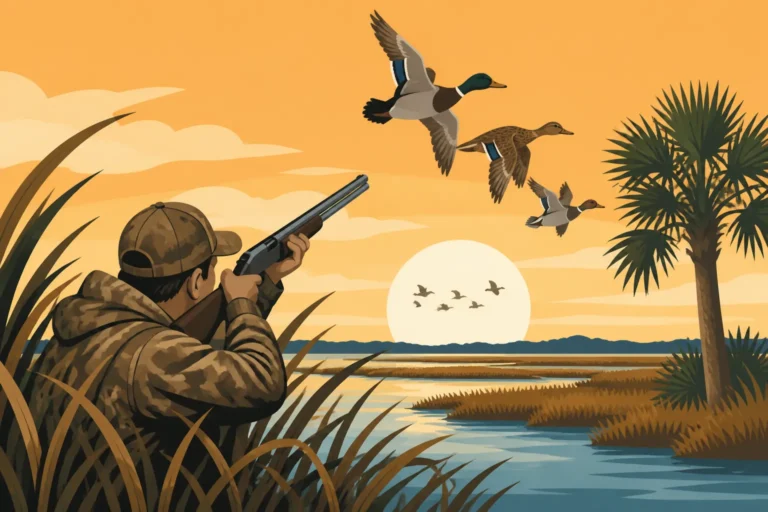
There's nothing quite like the crisp air, the smell of salt marsh, and the distant whistle of wings cutting through the pre-dawn quiet on the South Carolina coast. For many of us, it’s a deeply ingrained tradition, but let's be honest, hunting waterfowl here presents its own unique set of challenges that can leave even seasoned hunters scratching their heads. The dynamic tides, vast open marshes, and often wary birds demand a different approach than inland impoundments or agricultural fields. This comprehensive guide will equip you with the knowledge, strategies, and gear insights you need to confidently pursue ducks and geese along South Carolina's stunning coastline.
Understanding South Carolina's Coastal Waterfowl Zones
South Carolina's coast is a critical wintering ground for numerous waterfowl species, thanks to its extensive wetlands, estuaries, and mild climate. But it's not a one-size-fits-all hunting environment. Understanding the specific zones and the migratory patterns that influence them is fundamental to successful hunting.
The Atlantic Flyway and Migratory Patterns
Our coast sits squarely in the middle of the Atlantic Flyway, a superhighway for migratory birds traveling between their northern breeding grounds and southern wintering habitats. This means we get a fantastic diversity of species, from various dabbling ducks like mallards, pintails, gadwalls, and wigeon, to diving ducks like bluebills, redheads, and buffleheads, and, of course, a healthy population of resident and migratory Canada geese and even some snow geese. The timing of their arrival and departure is heavily influenced by weather fronts up north. A good cold snap in the Northeast can push waves of new birds down to us, revitalizing hunting opportunities. Without those cold fronts, birds tend to linger further north, leading to slower periods on our local marshes.
The peak migration for many species typically occurs from late November through January. Early in the season, you might find more local birds and early migrants like blue-winged teal. As the season progresses and colder weather settles in across the continent, you'll see a greater influx of colder-weather ducks like canvasbacks, ringnecks, and scaup. Understanding these general patterns helps you anticipate what species might be in your area and tailor your scouting efforts accordingly. Keeping an eye on weather reports for states to our north, like the Carolinas, Virginia, and even further up into New England, can give you a heads-up on when to expect new birds to arrive.
Navigating the Three Duck Zones
South Carolina actually divides its duck hunting into three distinct zones: the Coastal Zone, the Inland Zone, and the Catawba Zone. For coastal waterfowl hunting, our primary focus is, naturally, the Coastal Zone. This zone encompasses a broad swath of the state, generally following the line of the Intracoastal Waterway and extending inland to include major river systems influenced by tides. This distinction is crucial because the season dates and sometimes even specific regulations can vary between zones. It’s absolutely vital to know which zone your intended hunting spot falls into before heading out, as misinterpreting boundaries can lead to costly violations.
The Coastal Zone is designed to align with the migratory behavior of ducks along our Atlantic seaboard, often opening and closing at slightly different times than the Inland Zone. This allows the South Carolina Department of Natural Resources (SCDNR) to manage harvest pressure and provide optimal opportunities based on bird presence. For detailed dates, always consult the current year’s regulations, which are readily available on the SCDNR website. You'll want to be intimately familiar with the specific South Carolina Waterfowl Zones and Seasons to avoid any confusion and ensure you're hunting legally.
Key Waterfowl Areas Along the Coast
South Carolina's coast is rich with diverse waterfowl habitats. From vast salt marshes and tidal creeks to freshwater impoundments and cypress swamps, there's a spot for every kind of waterfowler. The ACE Basin, a globally recognized estuary, is perhaps the crown jewel. Here, the Ashepoo, Combahee, and Edisto rivers converge, creating an immense mosaic of freshwater and brackish wetlands. These historic rice fields, now managed for wildlife, are magnets for ducks. You'll find everything from green-winged teal and pintails feeding in the shallow waters to mallards and wood ducks in the flooded timber.
Beyond the ACE Basin, other notable areas include the Santee Delta, which offers expansive public and private hunting opportunities around Georgetown, and the Bulls Bay area near McClellanville, known for its vast spartina marshes and open water. Further north, the Waccamaw River and its associated wetlands near Myrtle Beach also hold significant numbers of ducks, particularly wood ducks and resident mallards. Each of these areas has its own character and challenges, but they all share the common thread of dynamic coastal environments. Scouting these varied areas is key to understanding where the birds are feeding, loafing, and roosting, and often requires specific strategies, which we'll dive into shortly.
Essential Gear for Coastal Waterfowl Hunting
The coastal environment is notoriously tough on gear. Saltwater, mud, strong currents, and often thick vegetation demand robust, reliable equipment. Skimping on the right gear can lead to a frustrating, uncomfortable, and even dangerous hunt.
Decoys and Spreads for Tidal Waters
Decoys are your primary tool for luring birds within range, and in tidal waters, their deployment requires extra thought. You're not just setting out a spread; you're battling currents and often shallow, sticky mud. For dabbling ducks like mallards, pintails, and wigeon, a spread of 2-3 dozen decoys is often sufficient. Include a mix of species that frequent your area, with an emphasis on mallards as they are recognized by most ducks. Motion decoys, such as spinning-wing or jerk-string setups, can be incredibly effective in grabbing attention, especially on calm days. For diving ducks, larger spreads of 5-10 dozen can be more productive, often placed in lines or large rafts to mimic feeding groups in open water.
Anchoring your decoys is paramount. Standard decoy weights often aren't heavy enough to hold in strong tidal currents, especially in deeper channels. Many hunters opt for heavier mushroom anchors or even cement-filled soft drink bottles. Longer lines, perhaps 6-8 feet, allow decoys to ride naturally with the current, creating a lifelike appearance. Pay close attention to the tide when setting out your spread. A spread placed at low tide in a shallow area might be completely submerged or swept away at high tide, and vice versa. Consider setting decoys on the down-current side of your blind so approaching birds can naturally cup into the wind over your spread without fighting the current to get there.
Boats, Blinds, and Concealment
Accessing prime coastal hunting spots often requires a boat. A shallow-draft boat, like a jon boat or a skiff, with a reliable outboard motor, is ideal for navigating the skinny water, mudflats, and tidal creeks. Ensure your boat is well-maintained, as breakdowns in remote marsh environments can be serious. For really shallow, muddy areas, a mud motor can be a game-changer, allowing access where conventional outboards fear to tread. Always carry essential safety gear: life jackets, throwable cushions, paddles, anchor, rope, a fully charged cell phone (in a waterproof bag), and a first-aid kit.
Concealment is just as critical. Many hunters utilize portable ground blinds or pop-up blinds brushed in with natural vegetation from the area. If you're hunting a marsh edge or a creek bank, weaving marsh grass, palmetto fronds, or pine branches into your blind can make it virtually disappear. For open water or large impoundments, a layout blind is often the most effective option, especially when combined with a low-profile boat blind. When hunting these open areas, consider reading our article on Layout Blind Hunting Lowcountry Rice Fields for more in-depth strategies. Remember, ducks have incredible eyesight, and even a small patch of exposed skin or a shiny object can flare them.
Appropriate Apparel and Waders
Coastal South Carolina hunting often means dealing with variable temperatures, from chilly pre-dawn lows to surprisingly warm midday sun. Layering is key. Start with a moisture-wicking base layer, add insulating layers like fleece or wool, and top it off with a waterproof and windproof outer shell in a camo pattern that blends with the local habitat. Don't forget a warm hat and gloves, even if the forecast seems mild; the wind chill on the water can be brutal.
High-quality waders are non-negotiable. Chest waders, preferably made of neoprene for insulation or breathable material for warmer early-season hunts, are essential for setting decoys, retrieving birds, and navigating shallow marsh. Look for waders with reinforced knees and durable boots to withstand rough terrain and sharp oysters. Make sure they fit comfortably so you can move freely without chafing or restricting blood flow, especially important when standing in cold water for extended periods. When selecting your waders, it's a good idea to consult resources like our guide on Waders for South Carolina Tidal Marsh Hunting to ensure you pick the best option for our unique conditions. Don't forget snake boots for areas where you might be walking through tall grass or thicker cover; while many hunts are in water, dry ground can still harbor hazards.
Mastering Tidal Marsh and Impoundment Hunting
Tidal marshes and impoundments are the quintessential coastal waterfowl habitats in South Carolina. However, they demand specific strategies due to the dynamic nature of the water and the types of birds they attract.
Reading Tides and Current for Optimal Setup
This is arguably the most crucial skill for successful coastal waterfowl hunting. The tide dictates everything: when ducks feed, where they rest, and how you access your hunting spot. Ducks, particularly dabblers, will often move into shallow, flooded marsh during high tide to feed on submerged vegetation and invertebrates. As the tide falls, they'll concentrate in deeper channels, potholes, or adjacent impoundments. Knowing the tide schedule for your specific area is non-negotiable. Use a reliable tide chart app or website, but also understand that strong winds can significantly alter predicted tide levels, pushing water in or holding it back.
When scouting, observe how ducks react to different tidal stages. Do they feed heavily on a rising tide in a particular flat? Do they gather in a certain channel at low tide? Your setup should reflect this. If you plan to hunt a flooded flat, aim for a rising or high tide. If you're targeting birds loafing in a channel, a falling or low tide might be better. Position your decoys and blind so that the current carries your scent away from the landing zone, and birds naturally work into the wind, ideally over your spread. A strong current can also make it challenging to keep your decoys looking natural, so heavier anchors and longer lines are your friends. For more specific insights into these dynamic environments, consider reading our dedicated guide on Hunting Coastal Marsh Waterfowl.
Layout Blind Hunting Lowcountry Rice Fields
The historic rice fields of the Lowcountry, now often managed as waterfowl impoundments, offer some of the most iconic coastal hunting. These impoundments are typically shallow, expansive, and surrounded by dikes, making them ideal for layout blind hunting. The key here is to blend into the surroundings completely. Layout blinds, by their nature, keep you low to the ground, but they still need to be brushed in meticulously with local vegetation – marsh grass, stalks of rice, palmetto fronds, or whatever is dominant in your specific spot. The goal is to make the blind disappear entirely, appearing as just another mound of dirt or vegetation.
When selecting a spot, look for areas where ducks are actively feeding or loafing. This might be a slightly higher spot within the impoundment, a point of land, or even a subtle rise that breaks up the horizon. Place your decoys within comfortable shooting range, typically 20-30 yards. A "J" or "U" shaped spread with the open end facing your blind is effective, creating a natural landing zone for incoming birds. Avoid placing decoys directly in front of your blind, which can make birds decoy short. Always be aware of the sun's position, especially in the morning, and try to position your blind so the sun is at the backs of the birds, making it harder for them to see you.
Effective Decoy Placement in Marsh Environments
In the sprawling, often featureless marsh, strategic decoy placement can make all the difference. Instead of just throwing them out randomly, think about what ducks are looking for: safety, food, and companionship. In open marsh, create pockets or landing zones within your spread. These open areas give ducks a clear, inviting space to land. Consider splitting your spread into two smaller groups with an open lane in between, funneling birds right into your shooting zone.
Motion is crucial in the marsh. Live ducks are constantly moving, preening, and feeding. Adding jerk cords or even simple floating weights that cause decoys to bob in the current can add a lot of realism. Use the natural features of the marsh to your advantage. If there's a small island, a mudflat, or a bend in a creek, set some decoys around it to make it look like a prime resting or feeding spot. For divers, larger, denser rafts of decoys often work best in open water. Remember that wind direction is paramount, as ducks will always land and take off into the wind. Position your decoys so that incoming birds have to fly over your blind to reach the landing zone, giving you the best shot opportunities.
Jump-Shooting Creeks and Rivers for Wood Ducks
While big spreads and marsh blinds are classic for coastal ducks, sometimes the most exciting and productive hunting involves a more active approach, especially for a particular favorite: the wood duck.
Identifying Prime Wood Duck Habitat
Wood ducks are creatures of the swamp and timbered creeks, favoring areas with plenty of overhead cover, mast-producing trees (especially oaks), and calm, sheltered water. On the South Carolina coast, this means focusing on the upper reaches of tidal creeks where freshwater influence is stronger, cypress swamps, flooded bottomland hardwoods, and any small, winding tributaries that feed into larger rivers. Look for areas with standing timber in the water, beaver ponds, and thick brush along the banks. Wood ducks are notoriously wary, so dense cover is both a home and a hiding place for them.
Scouting is absolutely essential for jump-shooting. Spend time before the season driving or paddling these creeks, looking for roosting areas, feeding spots, and flight paths. Focus on identifying "bowls" or widened areas in the creek, beaver dam backwaters, or oxbow lakes. Look for fresh droppings on logs or stumps, and listen for their distinctive "woo-eek" call or the squeal of a flushed bird. These clues will lead you to their preferred haunts. Often, the quieter, more overgrown sections of a creek will hold more birds than wide, open stretches.
Stealth and Approach Techniques
Jump-shooting wood ducks is an art form that prioritizes stealth and quick reflexes. The goal is to surprise birds as you round a bend in the creek or paddle around an island. This typically involves using a small canoe, kayak, or quietly wading. Move slowly and deliberately, hugging the banks where possible to avoid silhouetting yourself. Wear camouflage that blends with the forest and water, and avoid any sudden movements or loud noises. Keep your shotgun ready, but pointed safely, as birds can flush at any moment.
When approaching a bend, try to guess where the birds might be resting or feeding on the other side. Paddle or wade quietly, listen intently, and be prepared for a sudden explosion of wings. Often, you'll hear them before you see them. If you're hunting with a partner, one person can paddle while the other remains ready to shoot, or you can take turns. Don't be discouraged if you flush birds without getting a shot; simply note where they came from and adjust your approach for the next time. This method is all about covering ground and surprising the birds in their sanctuary. Our article on Jump-Shooting South Carolina Creeks for Wood Ducks offers even more tactical details.
Shotgun and Load Considerations
For jump-shooting wood ducks, a fast-handling shotgun is paramount. A 12-gauge or 20-gauge pump or semi-automatic with a shorter barrel (26 inches or less) is ideal, allowing for quick swings in tight quarters. Wood ducks are relatively small birds, but they are incredibly fast fliers. An improved cylinder or modified choke is generally sufficient, providing a good pattern at the close ranges typical of jump-shooting. You don't want a tight full choke, as many shots will be within 20-25 yards.
As for loads, non-toxic shot is legally required for all waterfowl hunting. Steel shot in sizes #3 or #4 is a popular choice for wood ducks, offering a good balance of pellet count and energy. If you prefer heavier-than-steel options like bismuth or tungsten-matrix, you can often drop down a shot size (e.g., #5 or #6) due to their increased density and energy retention. Always pattern your chosen load and choke combination before the season to ensure it throws a consistent, effective pattern at the ranges you expect to encounter. The dense cover means you often only get a fleeting glimpse, so a reliable pattern is crucial for cleanly taking these swift flyers.
Calling Strategies for Coastal Ducks and Geese
Calling is an art form in waterfowl hunting, and it's particularly nuanced on the coast where birds can be wary and conditions vary wildly. It's not just about making noise; it's about communicating.
Honing Your Mallard and Pintail Calls
Mallards are the "quackers" of the duck world, and a good mallard call is a cornerstone of any duck hunter's lanyard. The basic mallard vocabulary includes the greeting call (5-7 quick quacks), the comeback call (a louder, more urgent 3-5 quacks), and the lonesome hen call (a slow, drawn-out single quack). In the often-pressured environment of coastal South Carolina, less can sometimes be more. Start with soft greeting calls, especially if birds are working at a distance. If they start to turn away, increase the urgency with a comeback call. If they're flying high, a highball (loud, aggressive greeting) might be needed to get their attention. The key is to listen to the birds and respond appropriately.
Pintails, with their elegant long necks and swift flight, respond well to a "whistle" call. This mimics their soft, trilling whistle. A simple whistle with your mouth or a dedicated pintail whistle can be incredibly effective. Use short, sharp trills to get their attention and softer, drawn-out trills as they work closer. Often, a combination of subtle mallard quacks and pintail whistles can create a realistic "social" sound that draws both species in. Remember, the goal isn't to blast out the loudest calls, but to sound like contented birds on the water.
Goose Calling for Resident and Migratory Birds
South Carolina hosts both resident Canada geese and migratory populations that pass through or winter here. Resident geese are often more vocal and may respond aggressively to calling, especially if you can mimic their excited "honks." A good short-reed goose call allows for a full range of sounds, from deep honks to high-pitched clucks and murmurs. Start with a greeting call, a series of honks to simulate a flock, and if they respond, add in some clucks and murmurs to sound like a happy group on the ground.
Migratory geese can be warier. They've heard it all along the flyway. For these birds, sometimes subtle calling, paired with a realistic decoy spread, is best. Don't overcall. If they're locked on your decoys, let them come. If they hesitate, a soft cluck or two might be all that's needed. Pay attention to how the geese are flying: if they're cupped and committed, stop calling. If they're wary or flying past, more aggressive calling might be needed to turn them. Remember that just like ducks, geese want to feel safe and see other geese contentedly feeding or resting.
Adapting Calls to Different Scenarios
The coastal environment throws many variables at the caller. Wind, for instance, can carry your call far, but also distort it. On windy days, you might need to call louder and more aggressively to cut through the noise, but be careful not to sound unnatural. On calm days, soft, subtle calls are often more effective, as every sound carries. Think about the mood of the birds. Are they high and fast, just passing through? Are they circling warily? Or are they actively feeding and social?
The type of habitat also plays a role. In tight, timbered creeks, a soft wood duck squeal or a few subtle mallard quacks might be all you need. In wide-open marshes, you might need to be more aggressive to grab attention from a distance. Always be ready to adjust. If birds are flaring, try less calling, or change your tone. If they're ignoring you, try a different sequence or a different call altogether. It's an ongoing conversation, and the best callers are the best listeners. Remember, you're trying to convince a wild animal, not impress your buddies.
The Importance of Scouting and Habitat Knowledge
You can have the best gear and the finest calls, but without knowing where the birds are, you're just sitting in the wrong spot. Scouting is the absolute bedrock of waterfowl hunting success, particularly on the complex South Carolina coast.
Utilizing Aerial Maps and Public Land Resources
Before you ever set foot in the marsh, get intimately familiar with your hunting area from above. Tools like Google Earth, OnX Hunt, or the GoHunt app are invaluable for this. Look for patterns: where are the major channels, potholes, mudflats, and impoundments? Identify potential roosting areas (often dense, sheltered cover) and feeding areas (shallow, vegetated flats). Note areas of dense cover for blind placement and potential entry/exit routes. The Go Outdoors SC map tool, accessible online, provides layers for public lands and WMAs, clearly outlining boundaries and often showing management units.
Public land resources, like those provided by the SCDNR for Wildlife Management Areas (WMAs) and National Forests (like Francis Marion National Forest), are a treasure trove of information. They often detail specific WMA rules, designated hunting units, and access points. When you're looking for new areas or want to confirm boundaries, these official maps are your best friend. Look for areas with a mosaic of habitat types: open water, Spartina marsh, and higher ground with woody vegetation. This diversity often holds a wider variety of bird species and provides options as conditions change. Don't overlook the importance of checking South Carolina WMA Permit Requirements before heading out.
In-Season Reconnaissance and Patterning Birds
Scouting isn't just a pre-season activity; it's an ongoing process throughout the season. Bird patterns change based on weather, food availability, and hunting pressure. Drive back roads at dawn and dusk, looking for birds flying to and from feeding or roosting areas. If legal and safe, use binoculars or a spotting scope from a distance to observe birds on the water without disturbing them. What species are present? How are they behaving? Where are they feeding? What are they feeding on?
Pay close attention to recent weather patterns. A strong cold front to the north will often push new birds down the flyway, potentially changing the dynamics of your local marshes. Conversely, a prolonged warm spell might cause birds to disperse or move to less-pressured areas. Don't be afraid to move your blind or adjust your plan if the birds aren't where you expect them. Sometimes, even moving 100 yards can make a huge difference. The best hunters are those who are constantly observing and adapting to the birds' current habits.
Understanding Food Sources and Roosting Areas
Ducks and geese are driven by two primary instincts: food and safety. Understanding their preferred food sources in different habitats is critical. In salt marshes, they'll often dabble for aquatic invertebrates, seeds, and marsh grass. In managed impoundments, they might be targeting various cultivated grains (like millet or corn), widgeon grass, or submerged aquatic vegetation. Wood ducks love acorns in flooded timber. Knowing what they're eating helps you narrow down where they'll be. If there's a good mast crop in the flooded hardwoods, you know where to focus your jump-shooting efforts.
Roosting areas are equally important. These are typically secluded, safe areas where birds rest and loaf during the day or overnight. They might be dense stands of reeds, thick timber, or isolated pockets of marsh. While you generally don't want to hunt a roost, knowing where birds are coming from and going to can inform your setup for feeding areas. Watching flight lines at dawn and dusk can give you invaluable clues about these patterns. Respecting roosting areas is also part of ethical hunting, as continually harassing birds in their safe zones can push them out of the area entirely.
Regulations, Safety, and Ethical Considerations
Waterfowl hunting is highly regulated, and for good reason—it ensures healthy populations for future generations. Ignorance of the law is never an excuse, and safety should always be your number one priority.
South Carolina Duck Zone Rules and Bag Limits
As we discussed, knowing which of the South Carolina Duck Zone Rules apply to your hunting spot is critical. Season dates will vary, so always confirm before you hunt. Beyond dates, there are daily bag limits and possession limits, which vary by species. For example, you might be allowed a certain number of mallards, but only one or two pintails. These limits are subject to change annually, based on population surveys and federal guidelines, so refer to the current SCDNR regulations.
The SCDNR also specifies legal shooting hours (typically half-hour before sunrise to sunset), methods of take (shotgun only, specific shot types), and rules regarding motorboats. For example, you generally cannot shoot from a moving boat under power. You'll also need to be aware of South Carolina Duck and Goose Bag Limits for the specific species you encounter. Always identify your target clearly before shooting. There are protected species you cannot hunt, and misidentification can lead to serious legal consequences.
Federal Duck Stamp and HIP Requirements
In addition to state licenses and permits, waterfowl hunters in the United States must comply with federal regulations. The Migratory Bird Hunting and Conservation Stamp, commonly known as the Federal Duck Stamp, is required for anyone 16 years of age or older hunting migratory waterfowl. This stamp, purchased annually, is a vital source of funding for wetland conservation efforts, with 98% of the proceeds going directly to acquire and protect wetland habitat. It's truly a stamp that gives back to the resource.
You also need to be HIP (Harvest Information Program) certified. This is a simple, free registration process that gathers data on migratory bird hunters, allowing wildlife agencies to conduct surveys and better manage populations. You can typically complete your South Carolina HIP Certification for Bird Hunters when you purchase your state hunting license. Both your Federal Duck Stamp and HIP certification must be valid and readily available for inspection by game wardens. Neglecting these seemingly small details can result in fines and a ruined hunt.
Prioritizing Hunter Safety and Ethical Practices
Waterfowl hunting, especially from a boat or in remote marsh, carries inherent risks. Always wear a life jacket when in a boat. Ensure your boat is seaworthy and equipped with all required safety gear. Tell someone where you're going and when you expect to return. Be mindful of changing weather conditions, especially sudden storms or cold fronts, which can make travel treacherous. Never overload your boat.
As for gun safety, always follow the four cardinal rules: treat every firearm as if it's loaded, always keep the muzzle pointed in a safe direction, keep your finger off the trigger until ready to shoot, and be sure of your target and what's beyond it. In a layout blind or a cramped boat blind, maintaining muzzle control is paramount. Never swing your gun across another hunter. Beyond safety, ethical hunting dictates that you only take clean, responsible shots within your effective range, and you make every reasonable effort to retrieve every bird you shoot. Wounded birds should be pursued immediately and dispatched humanely. Hunting is a privilege, and we owe it to the resource and our fellow hunters to conduct ourselves responsibly and ethically at all times.
Specific Public Land Opportunities
South Carolina's coast boasts an impressive array of public lands open to waterfowl hunting, offering diverse experiences from managed impoundments to wild tidal marshes. These areas are vital for hunters who don't have access to private land.
Hunting the ACE Basin for Waterfowl
The ACE Basin National Estuarine Research Reserve, located where the Ashepoo, Combahee, and Edisto Rivers meet, is undoubtedly one of the premier waterfowl destinations on the Atlantic Flyway. This vast region of diverse habitats includes federal, state, and private lands, many of which are managed specifically for waterfowl. Public access for hunting in the ACE Basin is primarily through various Wildlife Management Areas (WMAs) and the ACE Basin National Wildlife Refuge. Many of these require quota hunts due to high demand and sensitive habitat management.
Quota hunts typically involve an application process and a drawing system, where successful applicants are assigned specific dates and areas to hunt. While competitive, getting drawn for an ACE Basin hunt can offer an unparalleled experience, often in historically managed rice fields that attract thousands of ducks. Even if you don't draw a quota hunt, other sections of WMAs within the ACE Basin might offer general public access on specific days. Always check the SCDNR website or the U.S. Fish and Wildlife Service website for the specific rules, dates, and application procedures for Hunting the ACE Basin for Waterfowl, as regulations can be quite detailed for these highly managed areas.
Other Notable Coastal WMAs for Ducks
Beyond the ACE Basin, several other state-managed WMAs along the coast offer excellent waterfowl opportunities. These often include tidal marshes, impoundments, and river systems. For example, the Santee Delta WMA near Georgetown provides extensive marsh and managed impoundment hunting. Bear Island WMA and Donnelley WMA, while part of the broader ACE Basin region, are managed separately and offer different types of quota or general public hunting depending on the specific unit and year. Further north, the Waccamaw River Heritage Preserve offers access to riverine habitats ideal for jump-shooting wood ducks and mallards.
Each WMA has its own unique rules, including hunting days, permissible methods, and sometimes even specific access points. Some may be walk-in only, while others allow boat access. It’s crucial to thoroughly research the specific WMA you plan to hunt through the SCDNR website or even by calling the local regional office. They can provide invaluable, up-to-date information on bird activity, recent draw results, and any temporary closures. Remember that public lands can experience significant hunting pressure, especially on opening day and weekends, so scouting for less-pressured areas or hunting on weekdays can often lead to more success.
Drawing a Managed Waterfowl Area Hunt
Managed waterfowl area hunts, sometimes called quota hunts or draw hunts, are a common feature of prime public land in South Carolina. These hunts are designed to control hunter numbers, reduce pressure on the birds, and ensure a high-quality hunting experience. The application process typically opens several months before the season, and hunters apply for specific areas and dates. A lottery system then determines who gets a spot. While the odds can be tough for some of the most sought-after hunts, applying consistently is the only way to get in.
When applying, research the areas carefully. Some managed hunts are for ducks, others for geese, and some are general waterfowl. Understand the success rates and the types of habitats offered. If you're successful in drawing a hunt, make sure to read all the instructions carefully. There are often specific check-in procedures, hunt boundaries, and time restrictions. Scouting beforehand, if permitted, is highly recommended for these managed hunts to maximize your chances of success. It's often helpful to talk to other hunters who have been drawn in previous years to get an idea of what to expect.
Disclaimer
Please note that hunting regulations, season dates, and license requirements can change frequently. It is the responsibility of every hunter to consult the most current South Carolina Department of Natural Resources (SCDNR) regulations before engaging in any hunting activity. This guide is for informational purposes only and should not be considered a substitute for official legal documents or professional advice. Always prioritize safety and ethical hunting practices.