Warm-Weather Clothing for South Carolina Hunters
Hunting in South Carolina often feels like a constant battle against the elements, and let's be honest, the biggest one we face for a good chunk of the year isn't a wily old buck, but the relentless heat and humidity. Many hunters dread those early season sits, feeling like they're melting into their treestand before legal light even breaks. It's frustrating to invest in good camo only to feel drenched and miserable within an hour. This comprehensive guide is here to equip you with the knowledge and strategies to choose the right warm-weather clothing, ensuring you stay comfortable, concealed, and focused in the challenging South Carolina environment.
The Unique Challenges of South Carolina's Climate
South Carolina's hunting seasons stretch through some seriously hot and humid months, especially the early archery and primitive weapons openers. It's not just about tolerating the heat; it's about managing its effects on your body and your hunt. The conditions here present a specific set of problems that generic hunting gear often fails to address adequately, leading to discomfort, fatigue, and even compromised safety.
Humidity and Sweat Management
Anyone who's spent an August morning in a South Carolina deer stand knows the feeling: you haven't even walked fifty yards from the truck, and you're already sweating buckets. The air itself feels thick and heavy, and that's not just a feeling – it's the high humidity. Unlike arid climates where sweat quickly evaporates, taking body heat with it, our air is often so saturated with moisture that your sweat has nowhere to go. It just sits on your skin, making you feel sticky, clammy, and incredibly warm. This lack of evaporation means your body struggles to cool itself efficiently, leading to rapid overheating.
Beyond the discomfort, excessive sweat management is crucial for scent control. That moisture on your skin carries your human scent, which can be easily detected by deer with their incredible noses. Traditional cotton clothing, while sometimes feeling initially cool, quickly soaks up sweat like a sponge and holds onto it, becoming heavy, uncomfortable, and a scent magnet. Trying to hunt effectively when you feel like you've just stepped out of a shower makes concentrating on subtle deer movement or turkey calls nearly impossible. It's a real mental game, and the wrong clothes make it so much harder to play.
Heat and Sun Exposure
The sun in South Carolina can be brutal, even on partly cloudy days. Early morning hunts might start with a comfortable, damp chill, but as soon as the sun climbs over the pines, temperatures can soar. Prolonged exposure to direct sunlight, especially when combined with high humidity, poses a significant risk of heat-related illnesses like heat exhaustion or even heatstroke. Dehydration is a constant threat, and when you're focused on the hunt, it's easy to overlook the signs until it's too late. Staying hydrated is paramount, but your clothing also plays a huge role in protecting you.
Sunburn isn't just a minor inconvenience; it's painful, distracting, and a serious health concern in the long run. Many hunters, trying to stay cool, will opt for short sleeves or light, non-protective fabrics, unknowingly exposing themselves to harmful UV rays. Imagine trying to stay still and focused on a deer slipping through the woods when your shoulders are screaming from sunburn, or your neck feels like it's been cooked. It completely detracts from the experience and can make a multi-day hunt miserable. The goal is to maximize shade and minimize direct sun contact without feeling like you're wearing a winter coat.
Persistent Bug Pressure
Ah, the charming winged and crawling inhabitants of the South Carolina woods. From the moment you step out of your vehicle until you climb back in, you're likely to be under siege by mosquitoes, ticks, gnats, and various biting flies. These pests aren't just annoying; they can transmit diseases like West Nile virus, EEE, and Lyme disease, making protection a critical component of your warm-weather clothing strategy. Trying to stay motionless in a stand while a swarm of mosquitoes attacks your exposed skin is enough to break even the most patient hunter.
Many hunters resort to heavy bug spray, but even that has its limits, especially with sweat and long hours afield. Plus, some repellents can be strong-smelling and potentially alerting to game. Exposed skin is an open invitation for these critters. Clothing needs to provide a physical barrier without adding excessive heat. There's nothing quite as maddening as a tick crawling up your leg or a mosquito buzzing incessantly in your ear when a big gobbler is just out of sight, and you can't move. You want to focus on the game, not on swatting bugs, and your clothing choice can make a world of difference here.
Understanding Technical Fabrics for Warm Weather
Gone are the days when cotton was king for comfort. For South Carolina's challenging conditions, technical fabrics are your best friends. These materials are engineered to perform specific functions that ordinary clothes just can't, making a significant difference in your comfort, scent management, and overall hunting success. Understanding what makes them work is key to choosing the right gear.
Moisture-Wicking Properties
The term "moisture-wicking" gets thrown around a lot, but what does it actually mean, and why is it so vital for hunting in the humid South? Essentially, moisture-wicking fabrics are designed to pull sweat away from your skin and transfer it to the outer surface of the fabric. Think of it like a series of tiny capillaries in the material that draw moisture through them. This process helps your body's natural cooling mechanism – evaporation – work more effectively. When sweat can evaporate from the fabric surface, it takes heat with it, helping to cool your body down, even in high humidity.
For a hunter, this means no more sticky, clammy feeling. Your skin stays drier, which drastically improves comfort. It also means less sweat-soaked fabric clinging to you, which reduces chafing and hot spots. More importantly, drier skin equals less human scent buildup. When your clothes aren't saturated with sweat, they don't hold onto that telling odor as readily. This is especially critical during those bowhunting weeks when the deer are still in their summer patterns, and temperatures can easily hit the 90s. Lightweight base layers with excellent wicking capabilities are often your first line of defense against both discomfort and a deer's keen nose.
Breathability and Airflow
Another critical feature of warm-weather hunting clothing is breathability. This refers to a fabric's ability to allow air to pass through it, facilitating ventilation. In simple terms, breathable fabrics prevent heat and moisture from getting trapped against your body. Imagine wearing a rain jacket that's not breathable on a warm, damp day; you'd quickly feel like you're in a sauna because the moisture and heat from your body can't escape. Technical warm-weather garments often use special weaves or perforated zones to enhance airflow.
Good breathability means that even when you're exerting yourself, whether it's still-hunting through a thick pine plantation or Hunting a Funnel Between Two Swamps, warm air can move away from your body and cooler air can circulate. This constant exchange helps regulate your core temperature, preventing you from overheating. Many modern hunting apparel lines, including offerings from brands like GoHunt, incorporate strategic venting, often under the arms or across the back, to further boost airflow where you need it most. It's not just about staying dry; it's about feeling a subtle breeze that helps keep you from feeling stifled, which makes those long sits much more bearable.
Quick-Drying Capabilities
Closely linked to moisture-wicking and breathability is the fabric's ability to dry quickly. This feature is a game-changer for South Carolina hunters. We've all been caught in an unexpected summer pop-up shower, or maybe you just sweat through your clothes on a long walk in to your stand. If your clothing takes hours to dry, you're left sitting in damp, heavy material, which not only feels awful but can lead to a chill once the temperatures drop, even slightly, at dusk. Furthermore, damp fabric is a prime breeding ground for odor-causing bacteria, compounding your scent problem.
Quick-drying fabrics, typically synthetics like polyester or nylon, shed water rapidly. This means that if you get caught in the rain or work up a serious sweat, your clothes will dry out much faster, often just from your body heat or a gentle breeze. This is incredibly beneficial if you're doing an all-day hunt, or if you plan to hunt multiple days from the same set of gear. Imagine getting drenched while Tracking a Deer Through South Carolina Pine Straw, then having your clothes feel almost dry by the time you're back in your stand. It significantly enhances comfort and reduces the logistical headache of trying to dry out gear at camp, ensuring your clothing is ready to perform again the next morning.
Essential Base Layers for South Carolina's Heat
When it comes to warm-weather hunting, your base layer is arguably the most critical component of your clothing system. This is the fabric that sits directly against your skin, and its job is to manage moisture and temperature effectively from the inside out. Don't underestimate its importance; a poor base layer can negate the benefits of even the best outer garments.
Lightweight Synthetics
For pure sweat management in high heat and humidity, lightweight synthetic base layers are incredibly tough to beat. Materials like polyester and nylon are engineered specifically for athletic performance, which translates perfectly to hunting. They excel at wicking moisture away from your skin, distributing it across the fabric surface where it can evaporate more readily. This means you feel drier, even when you're exerting yourself in the pre-dawn darkness, hiking to your spot on a lowcountry creek. These fabrics are also exceptionally quick-drying, so if you do get soaked, they won't stay heavy and clammy for long.
The key with synthetics is to choose a truly lightweight, thin weave. Avoid anything that feels thick or has a brushed interior, as those are designed for insulation, not cooling. Look for smooth, silky textures that glide over your skin. Many brands offer a variety of weights, and for South Carolina's early season, you want the absolute lightest option. While they might not offer the same natural odor resistance as some other materials, their superior wicking and drying properties keep you comfortable, and many come with built-in scent control treatments, which we'll discuss shortly. They're usually very durable and stand up well to repeated washing, making them a practical choice for regular use.
Merino Wool for Warm Climates
"Wool in the summer? Are you crazy?" It's a common reaction, but merino wool is a fantastic, albeit often misunderstood, option for warm-weather hunting, even in South Carolina. Unlike the scratchy, heavy wool sweaters of old, modern merino wool base layers are incredibly fine, soft, and lightweight. The natural properties of merino wool make it a powerhouse for temperature regulation. It not only insulates when wet (which is great for an unexpected cold snap or a damp morning) but also actively helps cool your body when it's hot. It does this by absorbing moisture vapor from your skin before it turns into liquid sweat, then slowly releasing it to the outside, creating an evaporative cooling effect.
Perhaps the biggest advantage of merino wool for hunters is its natural odor resistance. The lanolin and complex fiber structure of merino wool naturally inhibit the growth of odor-causing bacteria. This means you can wear a merino base layer for multiple days in the field, even in warm weather, without it smelling like a locker room. This is a huge benefit for extended hunts or when you want to minimize your scent footprint as much as possible, especially if you're trying to Hunting the South Carolina Rut by Zone. While merino tends to be a bit more expensive than synthetics and might not dry quite as quickly if fully saturated, its comfort, breathability, and impressive odor control make it a premium choice for serious warm-weather hunters. Just remember to pick a super-lightweight grade, often labeled 150g or less.
Scent Control Technologies
Let's face it, scent control is a battle we fight constantly, especially in the warm, humid air where odors linger and spread. While showering with scent-free soap and playing the wind are foundational tactics, your base layers can provide an additional line of defense through integrated scent control technologies. These treatments typically fall into a few categories: antimicrobial, activated carbon, or zeolite-based. Antimicrobial treatments, often using silver ions, directly inhibit the growth of bacteria that cause human odor. Without the bacteria, there's no stink.
Activated carbon or zeolite technologies are designed to physically absorb and trap scent molecules. These materials are often integrated into the fabric or layered within it. When you buy a base layer that boasts "scent control" or "odor absorption," it's likely using one of these methods. While no technology can make you 100% scent-free, these treatments can significantly reduce your odor signature, giving you an edge. Many hunters swear by them, especially when hunting cautious game like mature whitetails. Remember to follow the care instructions carefully, as some treatments can be degraded by certain detergents or high heat in the dryer. Think of these technologies as a critical piece of your overall scent management puzzle, working in tandem with smart clothing choices and wind awareness.
Outer Layers for Protection and Concealment
Once you've got your base layer sorted, your outer layers—your pants and shirt—are what truly face the elements. These pieces need to be tough enough to handle briars and branches, yet light and breathable enough to keep you comfortable. They also need to provide effective camouflage and critical protection from the sun and bugs.
Durable, Lightweight Pants and Shirts
When picking out your primary hunting attire for South Carolina's warm seasons, you're looking for a very specific balance: durability that can stand up to the thick brush of the lowcountry or the rocky terrain of the Upstate, coupled with a lightweight feel that won't weigh you down or make you overheat. Many hunters make the mistake of choosing heavy, rigid fabrics that are designed for cooler weather, only to find themselves drenched in sweat and restricted in movement. Instead, look for ripstop nylon or performance polyester blends. These materials are surprisingly tough against snags but remain light and airy.
The fit is also crucial. You don't want anything too baggy that will snag on every branch, nor anything so tight it restricts movement or airflow. A relaxed, athletic fit is usually ideal, allowing for full range of motion whether you're climbing into a stand or navigating dense cover. Look for features like articulated knees in pants for easier movement, and zippered vents on shirts, often under the arms or on the back, to allow for quick heat dumps during strenuous activity. Companies like GoHunt often feature reviews and product comparisons that can help you zero in on specific brands and models known for excelling in these challenging conditions. The right pants and shirt will feel almost imperceptible, allowing you to focus on the hunt, not your discomfort.
Camouflage Patterns for Diverse Habitat
South Carolina's landscape is incredibly diverse, ranging from dense coastal swamps to rolling piedmont hills and mountainous Upstate forests. This variety means that choosing a versatile camouflage pattern for your warm-weather gear is important. While there's no single "perfect" pattern for every scenario, you generally want something that breaks up your outline effectively in green, leafy environments. Early season hunts, especially for deer and hogs, take place when the woods are still lush and vibrant, so patterns with greens, browns, and subtle leaf or branch elements are usually a good bet.
Avoid patterns designed predominantly for winter, open country, or extremely dark timber, as they might stand out in South Carolina's often bright and busy green foliage. Consider the specific area you'll be hunting most. Are you Hunting Lowcountry Swamp Deer where a marshy, leafy pattern might be ideal, or are you in a hardwood bottomland where more universal tree-bark and limb patterns excel? Many popular patterns today are "universal" designs that aim to blend into a variety of landscapes by mimicking natural light and shadow. Regardless of the pattern, remember that breaking up your silhouette and staying still are far more important than the specific details of your camo.
Sun Protection and UV Resistance
As we mentioned, the South Carolina sun is no joke. Your outer layers are your primary defense against harmful UV radiation, and choosing clothing with built-in sun protection is a smart move. Many modern technical fabrics are designed with a high Ultraviolet Protection Factor (UPF), similar to the SPF rating in sunscreen. A UPF rating of 30 provides good protection, blocking approximately 97% of UV radiation, while UPF 50+ offers excellent protection. Look for these ratings on garment tags.
Opting for long-sleeved shirts, even in the hottest weather, is highly recommended. Many warm-weather hunting shirts are designed with lightweight, breathable fabrics that cover your arms without making you feel hot. A collar that can be flipped up to protect your neck, or integrated neck gaiters, are also fantastic features. When you combine high UPF clothing with a good hat and regular application of sunscreen to any exposed skin (like your face and hands), you create a robust barrier against the sun. This protection isn't just about preventing a painful burn; it's about long-term skin health and ensuring you can stay out in the field longer without succumbing to the sun's draining effects.
Headwear, Handwear, and Footwear Considerations
It's easy to focus on your main clothing, but don't overlook the crucial role that hats, gloves, and footwear play in overall comfort, concealment, and protection during warm-weather hunts in South Carolina. These often-forgotten items can make or break your experience.
Hats and Neck Gaiters for Sun and Bug Defense
Your head and neck are particularly vulnerable areas during a warm-weather hunt. A good hunting hat serves multiple purposes. First and foremost, it provides shade for your face and eyes, shielding you from the harsh South Carolina sun and improving your visibility in bright conditions. A wide brim can also keep rain and sweat out of your eyes. Secondly, it helps with concealment, breaking up the human outline of your head. Look for lightweight, breathable fabrics that won't trap heat. Many caps now feature mesh panels or moisture-wicking sweatbands to enhance comfort.
Pairing a hat with a lightweight neck gaiter (often called a "buff" or "face mask") is a tactical masterstroke for South Carolina. This simple piece of fabric can be pulled up to cover your neck and lower face, offering crucial protection from both the sun and biting insects like mosquitoes and gnats. When it's hot, a wet neck gaiter can even provide some evaporative cooling. When a wary buck is approaching, it also helps break up the distinct outline of your head and jawline, which can be an immediate alert for game. Hunting a Ridge-Top Saddle for Rutting Bucks in the middle of a hot day demands maximum concealment, and a good neck gaiter provides that without adding significant heat. Choose one in a breathable, wicking fabric with a camouflage pattern that matches your attire.
Lightweight Gloves for Protection and Feel
Many hunters skip gloves in warm weather, thinking they'll be too hot or cumbersome. However, a pair of lightweight hunting gloves can offer significant advantages in the South Carolina woods. First, they provide an extra layer of bug protection for your hands, which are often exposed and an easy target for mosquitoes and chiggers. Secondly, they offer sun protection, preventing sunburn on the back of your hands. Thirdly, and perhaps most importantly, they aid in concealment. Bare hands can be surprisingly bright against the dark background of the woods, and even a slight movement can catch a deer's eye.
Look for gloves made from thin, breathable synthetic fabrics, often with a mesh back. They should fit snugly enough to offer good dexterity, allowing you to easily handle your bow, rifle, or calls without fumbling. Fingerless gloves or those with touch-screen compatible fingertips are popular choices, giving you the best of both worlds—protection and precise control. While they won't keep you warm, they will add a layer of defense against abrasions from brush and splinters, making them a wise addition to your warm-weather kit.
Breathable Boots and Socks
Your feet are often the most abused part of your body during a hunt, and in South Carolina's warm, humid climate, they require special attention to avoid discomfort and potential issues like blisters or trench foot. Investing in good, breathable hunting boots is paramount. While snake boots are often a necessity in certain areas (and we'll get to those), for general warm-weather hunting, look for boots with less insulation and good ventilation. Materials like Cordura nylon combined with waterproof, breathable membranes (like Gore-Tex, which allows moisture vapor out but keeps liquid water from coming in) are excellent choices. Ensure they fit well, with enough room for your toes but no slippage in the heel.
Equally, if not more important, are your socks. Forget cotton socks; they'll hold onto sweat and cause blisters. Instead, opt for performance socks made from merino wool or synthetic blends. These materials wick moisture away from your feet, keeping them drier and reducing friction. Choose socks with strategic cushioning and a snug fit to prevent bunching. For especially warm days, a thin liner sock worn under a slightly thicker outer sock can further reduce friction and enhance moisture management. Changing into fresh, dry socks mid-day or every evening is a small luxury that can prevent huge problems, especially if you're on a multi-day trip scouting with the Go Outdoors SC App or doing some serious hiking on public land.
Specialized Gear for Extreme Conditions
South Carolina isn't just "warm and humid"; it often throws truly extreme conditions at hunters. From venomous snakes lurking in thick cover to sudden torrential downpours, you need specialized gear to stay safe and effective. Ignoring these conditions can put you at risk or prematurely end your hunt.
Snake Boots and Gaiters
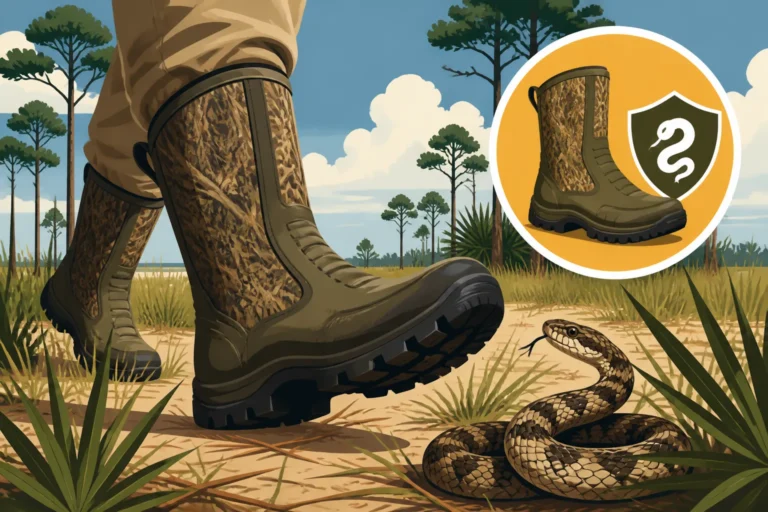
If you're hunting in the lowcountry swamps, along river bottoms, or in areas with thick undergrowth anywhere in South Carolina, snake boots aren't a luxury; they're a necessity. Our state is home to several species of venomous snakes, including rattlesnakes, copperheads, and cottonmouths (water moccasins), and encountering them in their natural habitat is always a possibility. A bite from one of these can be life-threatening and certainly hunt-ending. Snake boots are designed with puncture-resistant materials, often extending up to your knee, to protect your lower legs.
While they can be warm due to their protective layers, modern snake boots are becoming increasingly breathable and lighter than their predecessors. Look for models that still offer good ankle support and a comfortable fit for walking long distances. If full snake boots feel too restrictive or warm for your specific hunting style, snake gaiters are an alternative. These protective coverings strap over your regular hunting boots and up your shin, offering a similar level of protection. Whichever you choose, ensure they're rated for snake protection and worn every time you step into prime snake habitat. It's an investment in your safety that you absolutely shouldn't skip. Snake Boots for South Carolina Swamp Ground are a piece of gear that you buy hoping you never need, but are profoundly glad to have if you do.
Rain Gear That Breathes
South Carolina's weather is notoriously unpredictable. A perfectly clear, sunny morning can turn into a torrential downpour by lunchtime. Having reliable rain gear is essential, but for warm-weather hunting, it's crucial that this gear is also breathable. Traditional waterproof raincoats are often glorified plastic bags that trap all your body heat and sweat, leaving you just as wet from the inside out as you would be from the rain. This is especially miserable when you're already trying to Warm-Weather Sitting Strategy in South Carolina.
Look for rain gear that utilizes waterproof, breathable membranes. These advanced fabrics are designed to block liquid water from entering while allowing water vapor (sweat) to escape. This means you stay dry from the outside without getting clammy and overheated on the inside. Packable rain jackets and pants are ideal; they can be compressed into a small pouch and easily stowed in your pack until needed. Look for features like pit zips for extra ventilation, adjustable cuffs to seal out water, and a hood that provides good coverage without impeding your vision or hearing. The best rain gear won't just keep you dry; it'll help you stay comfortable enough to keep hunting through an unexpected shower, giving you an edge when other hunters are packing up and heading for the truck.
Insect Repellent Systems and Permethrin Treatment
While protective clothing covers a lot of your skin, some areas will always be exposed, and those persistent little buggers will find them. This is where a comprehensive insect repellent strategy comes in, going beyond just a quick spray before you head out. Traditional bug sprays containing DEET or picaridin are effective for exposed skin, but using them heavily can be potent-smelling and raise concerns about chemical contact. A more advanced approach combines personal repellent with permethrin-treated clothing.
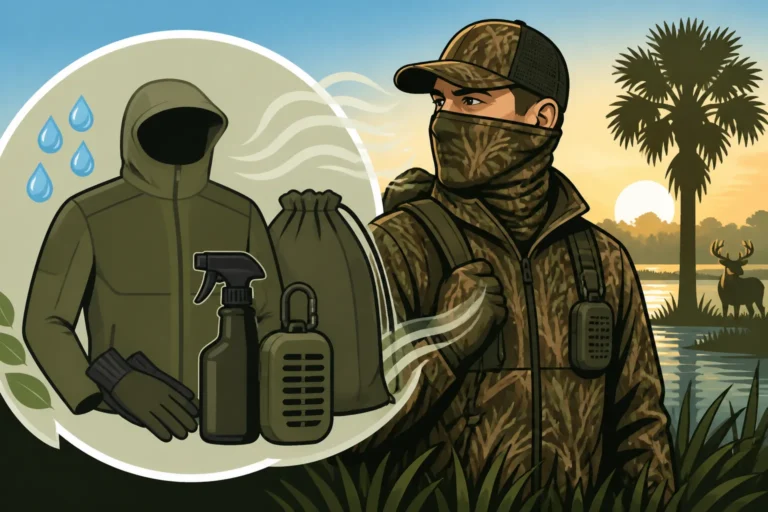
Permethrin is an insecticide that, when applied to clothing, kills or repels insects on contact. It's not meant for skin application but creates a powerful bug barrier on your garments. You can purchase clothing pre-treated with permethrin, or buy a permethrin spray and treat your own hunting clothes, hats, and even gear like your pack or ground blind. Once applied and dried, permethrin remains effective through several washes, creating a silent, scent-free shield against ticks, mosquitoes, chiggers, and other biting insects. This is an absolute game-changer for early season hunts, especially when Hunting the Earliest Coastal Zone Opener where bugs can be particularly ferocious. Combining permethrin-treated clothing with a minimal amount of skin-safe repellent for exposed areas like hands and face, and perhaps a headnet for extreme conditions, creates a nearly impenetrable defense against the relentless bug pressure in South Carolina.
Layering Strategies for Variable South Carolina Weather
Even within the context of "warm weather," South Carolina's conditions can fluctuate dramatically. A typical late summer or early fall hunt might start with a cool, dew-soaked morning, transition into a scorching midday, and then settle into a pleasantly warm evening. Successfully navigating these shifts requires a smart layering strategy that allows you to adapt on the fly without carrying a huge pack.
Adapting to Early Morning Chill and Midday Heat
This is the classic South Carolina dilemma: it's 65 degrees at 5:30 AM when you're walking into your stand, but by 10:00 AM, the mercury is pushing 85 and climbing. Your layering system needs to accommodate this wide swing. The core principle here is to start with a lightweight, moisture-wicking base layer as your foundation. This is the piece that stays against your skin, managing sweat even when you're adding or shedding other layers.
For that early morning chill, add a very light, breathable mid-layer. This could be a thin fleece vest, a lightweight long-sleeve performance shirt, or even just a heavier-weight base layer over your lighter one. The key is that it's easy to shed as the sun comes up. As temperatures rise, simply take off the outer layer, fold it compactly, and stow it in your daypack. You should then be comfortable in just your primary lightweight hunting shirt and pants. The goal is to avoid overheating during your walk in, which causes excessive sweating, but also to prevent getting chilled during the initial sit when temperatures are lowest. This adaptable approach helps maintain a stable body temperature and minimizes unnecessary sweat.
Packing for Unexpected Showers
As we've covered, pop-up thunderstorms are a regular feature of the South Carolina landscape, especially during the warmer months. Being caught unprepared can ruin a hunt and even pose a safety risk. Therefore, having packable, breathable rain gear is a non-negotiable part of your warm-weather kit. The critical aspect is that it needs to be easily accessible. It does no good if it's buried at the bottom of a bulging pack when the heavens open up.
Your rain jacket and pants should be lightweight enough to be stowed in an external pocket of your pack or even rolled up and strapped to the outside, allowing for quick deployment. This rapid response is vital; you want to get your rain gear on before you're soaked to the bone. Choose gear that goes on quickly over your hunting clothes without too much fuss. Having this insurance policy means you can continue your hunt through a passing shower, rather than having to retreat, allowing you to maximize your time in the woods. This is especially true if you are Hunting After a Poor Acorn Year and every minute of scouting counts.
Mobility and Minimal Bulk
Layering in warm weather isn't just about temperature regulation; it's also about maintaining mobility and minimizing bulk. You don't want to feel like the Michelin Man when you're trying to move silently through the woods or draw a bow. Every piece of clothing should be chosen with its compressibility and weight in mind. The ideal warm-weather layering system feels light and allows for unrestricted movement, whether you're drawing a bow from a treestand or crawling into position for a turkey.
This means selecting thin, performance fabrics for every layer. Even your outermost layers should be designed to be compact when packed. When layering, ensure that each successive layer is slightly looser than the one beneath it, allowing for airflow and preventing constriction. Avoid bulky seams or excessive pockets that can snag or create noise. A streamlined, minimalist approach to layering will not only keep you more comfortable but also make you a more agile and stealthy hunter. Remember, every piece of gear should serve a purpose without becoming a burden.
Practical Tips for Maximizing Comfort and Performance
Beyond choosing the right gear, there are practical steps you can take before, during, and after your hunt to ensure maximum comfort and performance in South Carolina's warm weather. These seemingly small details can have a big impact on your overall experience and success.
Pre-Treating Clothing for Bugs and Scent
Before you even step foot in the woods, you can give your clothing an edge against two of the biggest warm-weather nuisances: bugs and human scent. We've already touched on permethrin for bug control, but it's worth reiterating the importance of pre-treating your clothes. Apply permethrin to your hunting garments (pants, shirts, hats, gloves, socks) several days before your hunt, allowing them to thoroughly dry and air out. This ensures the chemical bonds to the fabric and any potential odor from the treatment dissipates, leaving you with a potent, long-lasting insect barrier.
For scent control, consider washing your hunting clothes in a scent-free detergent well in advance. Some hunters even go as far as storing their clean clothes in sealed bags with natural elements like pine needles or cedar branches to give them an "earthy" scent profile. While no method guarantees you're 100% scent-free, minimizing any artificial or human-related odors before the hunt begins is crucial, especially when you're trying to fool a wise old whitetail that has seen a lot of pressure during Opening Weekend Crowds on the Coastal Zones. Taking these proactive steps turns your clothing into part of your overall hunting strategy rather than just something you wear.
Hydration and Electrolyte Management
Perhaps the most critical, yet often overlooked, aspect of warm-weather hunting in South Carolina is proper hydration and electrolyte management. Sweating profusely isn't just uncomfortable; it rapidly depletes your body's water and essential salts (electrolytes). Dehydration can lead to fatigue, dizziness, headaches, loss of concentration, and in severe cases, heatstroke. You cannot hunt effectively if you're not properly hydrated. The frustrating reality is that by the time you feel thirsty, you're already partially dehydrated.
Start hydrating days before your hunt, not just the morning of. Drink plenty of water throughout the day. While in the field, carry more water than you think you'll need. For longer hunts or particularly hot days, supplementing with an electrolyte drink mix is highly recommended. These mixes replenish the salts your body loses through sweat, helping you retain water and avoid cramping. Avoid sugary drinks or excessive caffeine, as they can actually contribute to dehydration. Consider packing a small, insulated water bottle or a hydration bladder in your pack, which allows for easier, continuous sipping. Staying on top of your hydration game is fundamental to staying safe, alert, and able to make that critical shot when the opportunity arises.
Post-Hunt Care and Maintenance
Your warm-weather hunting clothing is an investment, and proper care after each hunt will ensure it performs effectively season after season. Simply tossing sweat-soaked, permethrin-treated, or scent-controlled garments into a hot wash with regular detergent can degrade their performance and lifespan. For items treated with permethrin, wash them separately from your regular clothing to prevent cross-contamination. Use cold water and a gentle cycle, and always use a scent-free, non-UV brightening detergent.
Air drying your technical gear is often the best approach. High heat from a dryer can damage elastic fibers, reduce the effectiveness of waterproof membranes, and break down scent-control treatments. Hang your clothes in a well-ventilated area away from direct sunlight. Before storing for the off-season, ensure everything is thoroughly clean and dry to prevent mildew growth. If you use activated carbon or zeolite scent control gear, some manufacturers recommend "recharging" them in a hot dryer for a specific time to open up the pores and release trapped odors—always check the garment's specific care instructions. Taking these extra steps ensures your gear is ready to perform at its peak for your next warm-weather adventure in the South Carolina woods.
| Clothing Layer | Purpose | Key Features for SC Heat | Recommended Fabric Types |
|---|---|---|---|
| Base Layer | Moisture management, next-to-skin comfort | Moisture-wicking, quick-drying, odor control | Lightweight Polyester, Merino Wool |
| Outer Layer | Protection, concealment, sun/bug barrier | Durable, breathable, UPF rated, vents | Ripstop Nylon, Performance Polyester Blends |
| Headwear | Sun shade, concealment, bug defense | Breathable, wide brim, moisture-wicking band | Lightweight synthetics |
| Neck Gaiter | Sun/bug protection, concealment | Breathable, stretch fabric, wicking | Synthetic blends, lightweight Merino |
| Gloves | Concealment, bug/sun protection, dexterity | Thin, breathable, good grip | Synthetic mesh, stretch polyester |
| Footwear | Support, breathability, snake protection | Minimal insulation, waterproof-breathable membrane | Cordura nylon, leather, performance rubber (snake boots) |
| Socks | Moisture management, blister prevention | Wicking, cushioning, anti-odor | Merino wool, synthetic blends |
| Rain Gear | Waterproof, emergency weather protection | Waterproof-breathable membrane, packable, pit zips | Laminates (e.g., Gore-Tex style) |
Disclaimer
This article is for general informational purposes only and does not constitute professional advice. Laws, prices and regulations vary by location and change over time. Consult a qualified professional for guidance on your specific situation.