Insulated Boots for a South Carolina January
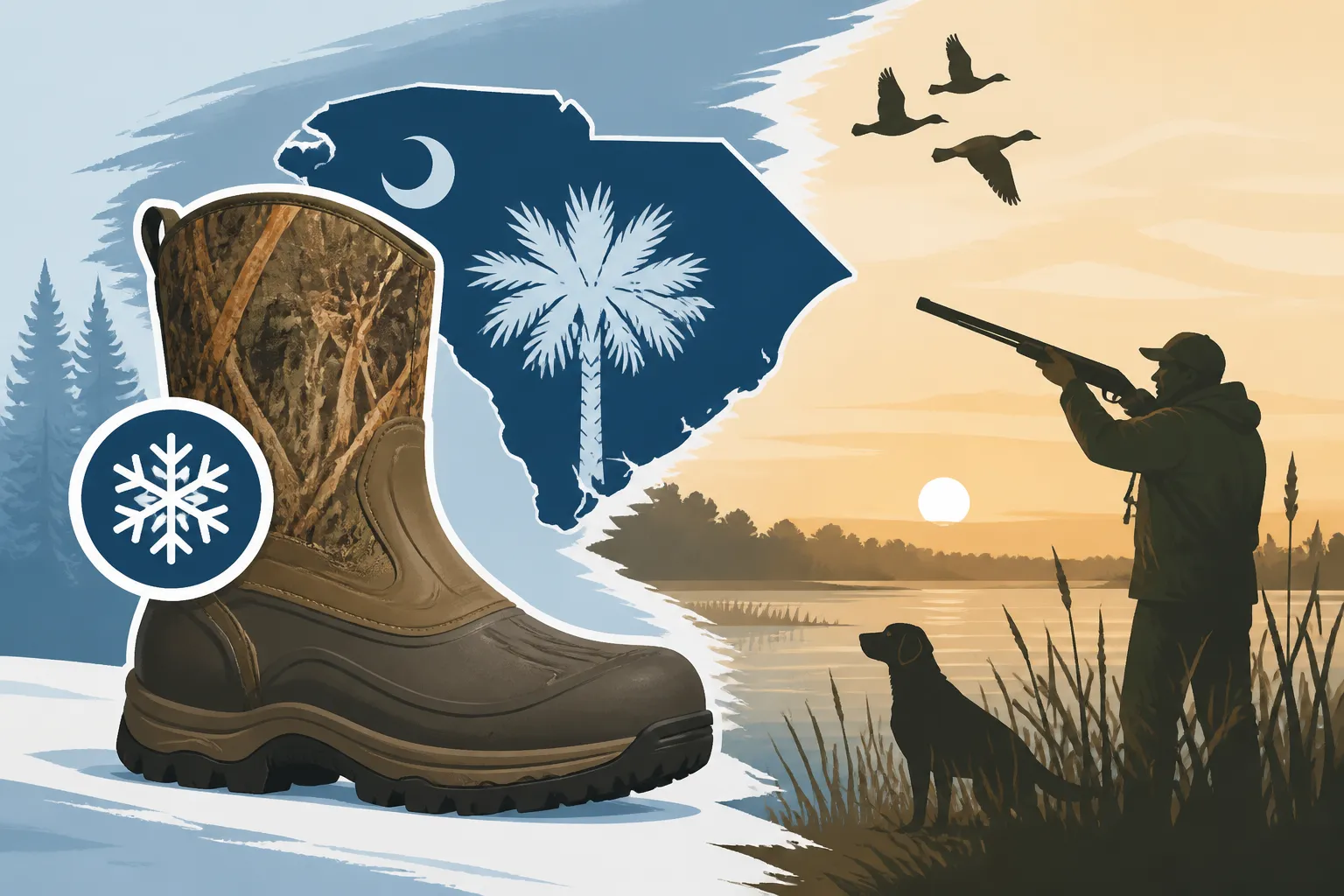
Alright, let's talk about January hunting in South Carolina. Many folks from out of state, and even some natives, might think our winters are perpetually mild, a gentle breeze and sunshine all day long. But anyone who's actually sat in a deer stand during a January dawn in the Upstate or tried to still-hunt a Lowcountry swamp after a good cold front knows the brutal truth: it can get downright cold. And there's almost nothing worse than cold feet to ruin an otherwise perfect hunt. This guide is all about helping you pick out the right insulated boots to keep your toes toasty, your focus sharp, and your January hunts productive, not painfully short.
The January Chill: Why Insulated Boots Matter (Even in South Carolina)
Let’s be honest, South Carolina isn’t Alaska. We don’t typically face blizzards or weeks of sub-zero temperatures. However, that mild reputation can be misleading, especially when you’re talking about hunting during the final stretch of deer season or pursuing small game. January often brings our coldest temperatures of the year, and while the mercury might climb into the 50s or 60s by midday, those pre-dawn hours, when you're slipping into your stand or walking to your spot, can plunge into the 20s or even teens. Add a bit of wind chill, and suddenly, you're looking at conditions that demand serious foot protection.
Think about it: you're sitting relatively still for hours, perhaps waiting for that buck to step out of the pine thicket, or glassing a powerline cut at last light. Your core might be warm with proper layering, but your feet, particularly when exposed to damp ground or an uninsulated treestand platform, are working against convection and conduction to stay warm. The ground is often cold, sometimes frozen, and even if it's not, the lingering moisture from dew or recent rain pulls heat away from your body with surprising efficiency. That nagging chill in your toes quickly escalates into outright pain, making it impossible to concentrate on anything but getting back to the truck and a warm cup of coffee. You don't want to cut short a prime hunting window because you neglected one crucial piece of gear.
Key Considerations for Insulated Boots in South Carolina's January
Choosing the right insulated boot for South Carolina's varied January conditions isn't just about throwing on the thickest pair you can find. It's a delicate balance of features that need to work together to keep you comfortable and effective in the field. From the dampness of our lowlands to the occasional frosty ridges of the mountains, your boots are your primary defense against the elements from the ground up.
Waterproofing is Non-Negotiable
This is perhaps the most critical factor for any South Carolina hunting boot, regardless of the season, but it becomes absolutely paramount in January. Our state, particularly in the Lowcountry and coastal regions, is notorious for its dampness. Even on a clear, cold January morning, the ground will be soaked with dew, and a slight overnight rain can leave significant puddles and muddy trails. If you're Hunting Lowcountry Swamp Deer or navigating the river bottoms of the Pee Dee, you're almost guaranteed to encounter standing water or saturated soil.
The moment your feet get wet, all the insulation in the world becomes far less effective. Water is a fantastic conductor of heat, and it will wick warmth away from your feet at an alarming rate, leading to cold, miserable, and potentially dangerous conditions like frostbite in extreme cases. Look for boots that explicitly state they are waterproof and feature reliable, breathable membranes. These membranes are designed to block external water from entering while allowing internal moisture (sweat) to escape, preventing that clammy feeling that can also make your feet cold. Rubber boots, often insulated, are also a fantastic option for truly wet environments, offering complete waterproof protection up to their height.
Finding the Right Insulation Level
Once you’ve got waterproofing locked down, you need to think about the actual warmth. Boot insulation is usually measured in grams, typically referring to the weight of the synthetic insulating material (like Thinsulate) packed into the boot. The higher the gram count, the more warmth the boot provides. However, more insulation also means more bulk and, crucially, less breathability. This is where South Carolina's unique winter climate really comes into play. You might be walking a good distance to your stand in the Francis Marion National Forest, generating body heat, only to sit still for hours.
The challenge is preventing your feet from getting too warm and sweating profusely while you're active, only for that sweat to turn cold the moment you stop moving. Damp socks combined with cold temperatures are a recipe for discomfort, canceling out the benefit of the insulation. So, you need to consider your activity level. Are you still-hunting slowly through the pines, covering ground? Or are you planning an all-day sit in a treestand, barely moving? Your typical hunt style and the specific January conditions you expect will dictate the ideal insulation weight.
Weight and Support for Long Hauls
January hunts in South Carolina, especially on public lands like the Sumter National Forest, can involve a fair bit of walking. You might be covering ground to get to a remote treestand, or Still-Hunting Sumter Forest Ridges for a late-season buck. A heavy, bulky boot with excessive insulation might keep your feet warm during a stationary sit, but it can quickly become a lead weight on your feet during a long trek, leading to fatigue and discomfort.
Look for a balance between warmth and a manageable weight. The boot should offer sufficient ankle support, especially if you’re navigating uneven terrain, climbing hills, or stepping over fallen timber. Good arch support and a comfortable footbed are also crucial to prevent foot pain during extended periods in the woods. While ultralight boots might seem appealing for the walk in, ensure they don't compromise the insulation or support you'll need once you settle in for your hunt.
Traction and Tread Patterns
South Carolina's January landscapes can be surprisingly slick. You'll encounter wet leaves, muddy creek banks, frost-covered ground, and damp pine straw. A secure footing is not just about comfort; it's a critical safety factor, particularly if you're carrying gear, navigating steep banks, or climbing into a treestand. A slip could lead to injury or, at the very least, an unwelcome splash.
Examine the outsole and tread pattern of any prospective boot. You want an aggressive, multi-directional lug pattern that can shed mud and provide grip on various surfaces. Deeper lugs generally offer better traction in soft, slippery conditions, while a well-defined heel can aid in downhill braking. Some boot designs also feature specific patterns or compounds designed for stability on slick, wet surfaces. Remember, whether you're climbing up to your perch or stalking quietly through the woods, reliable traction keeps you safe and silent.
The All-Important Fit
You can buy the most expensive, technically advanced, perfectly insulated and waterproof boots on the market, but if they don't fit correctly, they're practically worthless. A proper fit is essential not only for comfort but also for warmth. Boots that are too tight will restrict blood flow to your feet, which is your body's natural way of keeping them warm. This makes your feet colder, faster, regardless of how much insulation is packed in. Conversely, boots that are too loose can cause friction, leading to blisters, and also allow for too much air movement, making it harder to retain warmth.
Always try on boots with the type of socks you intend to wear while hunting – ideally, good quality wool or synthetic hunting socks. There should be enough room to wiggle your toes comfortably, but your heel should not slip excessively. Walk around in them, go up and down some stairs, and even try climbing on a small stool if the store allows, to simulate treestand climbing. Don't rush this process; a good fit is the foundation of a comfortable hunt. Many hunters, when planning their gear lineup, consult resources like GoHunt to compare specific boot models and read user reviews, paying close attention to comments on sizing and fit before trying them on in person.
Choosing the Right Insulation Level for South Carolina's Winter
Now that we understand the various features, let's dive into the practical application: matching insulation levels to typical South Carolina January conditions. This isn't an exact science, as everyone's tolerance for cold varies, and your activity level plays a huge role. However, we can break it down into general categories to help you make an informed decision.
Light Insulation (200-400 grams)
Boots in this range are designed for cooler, not bitterly cold, conditions or for hunters who are consistently active. If you're planning on Still-Hunting Sumter Forest Ridges all day, moving slowly but steadily, or doing a lot of walking to get to and from your stand, 200 to 400 grams of insulation might be just right. This level offers some warmth without leading to excessive sweating, which can be just as detrimental as not enough insulation.
Think of it for those January days where the morning starts in the low 30s but quickly rises into the upper 40s or low 50s. You'll have enough protection for the chilly morning entry, and as you warm up with activity, your feet won't overheat. This insulation level is often found in more flexible, lighter-weight boots, which can be a huge benefit when you're covering miles on foot. It’s a versatile choice for those milder winter days that are common in many parts of South Carolina, particularly the coastal plain, and especially if you tend to "run warm."
Mid-Range Insulation (600-800 grams)
For many South Carolina January hunters, boots with 600 to 800 grams of insulation hit the sweet spot. This is your workhorse insulation level that provides ample warmth for prolonged stationary periods, like an all-day sit in a treestand, but still allows for some moderate activity without turning your feet into a sweatbox. It’s a fantastic all-around choice for our typical winter conditions, especially when those morning temperatures dip into the 20s and stay there for a while.
If you're Hunting the Rut in the Coastal Zones during January or focusing on Late-Season Food Sources for South Carolina Whitetails where you expect to be sitting for hours, this level offers a reliable defense against the cold. It’s generally a good choice for those colder starts where the temperature might only reach the low 40s by midday. You get the benefit of significant warmth without the extreme bulk that can sometimes hinder mobility. Many hunters find that this range offers the best compromise for the unpredictable temperature swings that can characterize a South Carolina January.
Heavy Insulation (1000+ grams)
When the mercury truly plummets, or if you plan on long, motionless sits in exposed positions, boots with 1000 grams or more of insulation are what you need. These are the serious cold-weather contenders, designed for keeping feet warm in genuinely frigid conditions. While less common for the average South Carolina January hunt, there are certainly days, especially in the Upstate mountains or after a particularly brutal cold front sweeps through, when these boots become invaluable.
If you're planning an all-day sit in a treestand during a day where temperatures struggle to get out of the 20s, or when a piercing wind chill is present, this level of insulation will provide the maximum warmth. The trade-off, however, is increased bulk and weight, which can make walking longer distances more challenging. They also have a higher potential for causing your feet to sweat if you're even moderately active, so these are best reserved for those true "park and sit" hunts on the coldest days. Always consider pairing these with excellent moisture-wicking socks to manage any internal dampness. Scouting reports and weather forecasts, often found on comprehensive platforms like GoHunt, can really help you decide if a heavily insulated boot is truly necessary for your planned outing.
Here's a quick comparison of insulation levels:
| Insulation Level (grams) | Typical SC Jan Temp Range (F) | Recommended Activity Level | Primary Benefit | Potential Drawback |
|---|---|---|---|---|
| 200-400 | 30s-50s | High (Active Hunting) | Lightweight, breathable | Less warmth for static sits |
| 600-800 | 20s-40s | Moderate (Mixed Sitting/Walking) | Versatile, good balance | Can be warm if very active |
| 1000+ | Teens-30s | Low (Stationary Sitting) | Maximum warmth for extreme cold | Heavy, bulky, sweat potential |
Beyond the Boots: Other Gear for January Comfort
While insulated boots are undeniably the hero of a cold-weather hunt, they aren't a standalone solution. To truly maximize your comfort and effectiveness in the field during a South Carolina January, you need to think about a holistic approach to warmth, starting with your feet and extending to your entire body.
The Right Socks Are Crucial
Even the best insulated boots can't do their job if your socks are sabotaging their efforts. This is a common mistake: wearing cotton socks. Cotton absorbs moisture and holds it against your skin, and when that moisture gets cold, it's game over for warmth. You'll end up with cold, clammy feet even if your boots are packed with insulation.
Instead, invest in high-quality wool or synthetic socks designed for hunting. Merino wool is a fantastic option because it provides warmth even when damp, wicks moisture away from your skin, and is naturally odor-resistant. Synthetic blends also offer excellent moisture-wicking properties. You might even consider a layering system: a thin, moisture-wicking liner sock directly against your skin, followed by a thicker wool or synthetic outer sock. This creates an air barrier for added warmth and helps move moisture away from your foot more effectively.
Staying Dry from the Ground Up
Beyond just your boots, preventing water from getting into your boots or soaking your lower clothing is paramount. South Carolina's January often brings heavy dew, and if there's any recent rain, low-lying brush will be saturated. If your pant legs get soaked, that moisture can wick down into your boot tops, rendering your expensive waterproof footwear much less effective.
Consider wearing waterproof gaiters, especially if you anticipate walking through tall, wet grass, dense brush, or shallow puddles. These extend from the top of your boot up your lower leg, creating a barrier against moisture. Additionally, ensure your hunting pants are at least water-resistant, or better yet, wear appropriate Rain Gear for Lowcountry Downpours if precipitation is expected. Keeping everything from your knees down dry dramatically increases your overall comfort and helps your boots perform as intended.
Layering for Overall Warmth
Your feet are just one part of your body. If your core isn't warm, your body will naturally constrict blood flow to your extremities (hands and feet) to prioritize keeping your vital organs warm. This means cold feet can often be a symptom of not enough overall body warmth. Therefore, a proper layering system for your entire body is just as important as good boots.
Start with a moisture-wicking base layer against your skin. Add insulating mid-layers like fleece or down vests, and top it off with a windproof and water-resistant outer shell. This allows you to adjust your clothing as temperatures change throughout the day or as your activity level fluctuates. For contrasting advice, if you're interested in warmer times of the year, check out our guide on Warm-Weather Sitting Strategy in South Carolina. A comprehensive approach to dressing for the conditions, including adhering to South Carolina Blaze Orange Requirements if applicable, ensures that your entire body stays comfortable, allowing your insulated boots to do their job without fighting an uphill battle against a cold core.
Foot Warmers and Supplemental Heat
Sometimes, even with the best boots and socks, extreme cold, or very long, motionless sits can still challenge your warmth. This is where supplemental heat can be a game-changer. Chemical foot warmers are readily available, inexpensive, and can provide hours of warmth. Simply activate them and slip them into your boots, either on top of your toes or under your footbed. There are also rechargeable electric foot warmers available, often with adjustable heat settings, which can be a more sustainable option for frequent use.
Another simple trick is to pre-warm your boots before you even put them on. Store them inside your house, or if possible, in a heated garage or vehicle before heading out. Starting with warm boots gives you a significant advantage in maintaining comfort throughout your hunt. Don't underestimate these small additions; they can make the difference between a miserable experience and a successful, comfortable day in the South Carolina winter woods. When preparing for those long days afield, don't forget other essential gear like a good backpack for your layers and supplies; you can read more about Packs for a Sumter Forest Day Hunt.
Disclaimer
This article is for general informational purposes only and does not constitute professional advice. Laws, prices and regulations vary by location and change over time. Consult a qualified professional for guidance on your specific situation.