Dragging a Deer Out of a Swamp
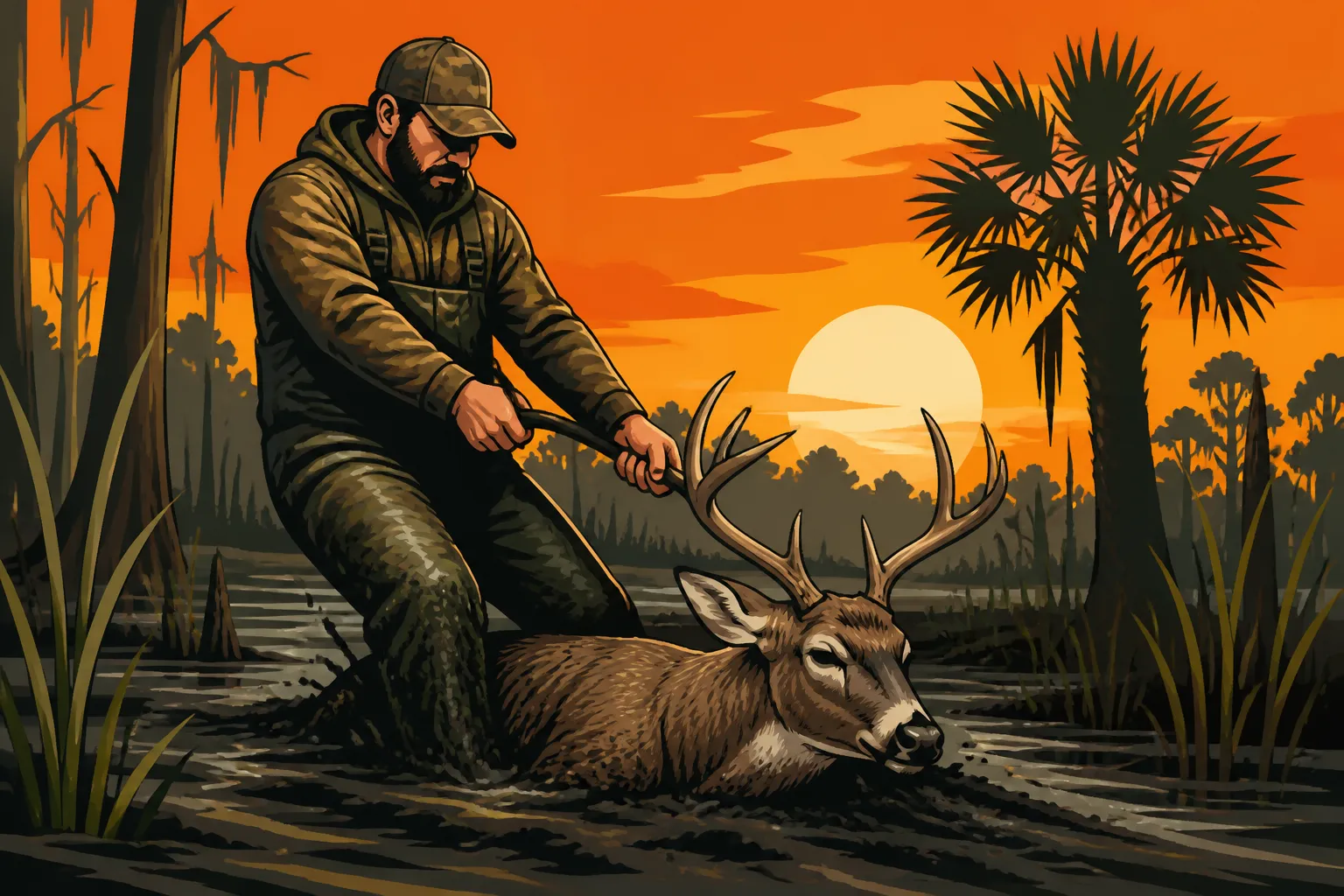
You’ve made a great shot, but your deer just took its last breath in the middle of a gnarly South Carolina swamp. The euphoria of the harvest quickly gives way to the daunting reality of recovery. Pulling a mature whitetail through boggy ground, thick palmettos, and over cypress knees is one of the toughest challenges a hunter faces. This guide will walk you through practical strategies, essential gear, and ethical considerations to help you successfully retrieve your prize from the Lowcountry’s unforgiving terrain.
Preparing for the Inevitable Swamp Recovery
It’s easy to get caught up in the thrill of the hunt, but savvy South Carolina hunters know that preparation for extraction begins long before the shot is fired. When you're Hunting Lowcountry Swamp Deer, you're signing up for a potential swamp recovery. Thinking ahead can save you hours of back-breaking labor and a lot of frustration. The dense cover and waterlogged soil of our Lowcountry swamps present unique challenges, making it crucial to have a plan in place.
Scouting for Extraction Routes
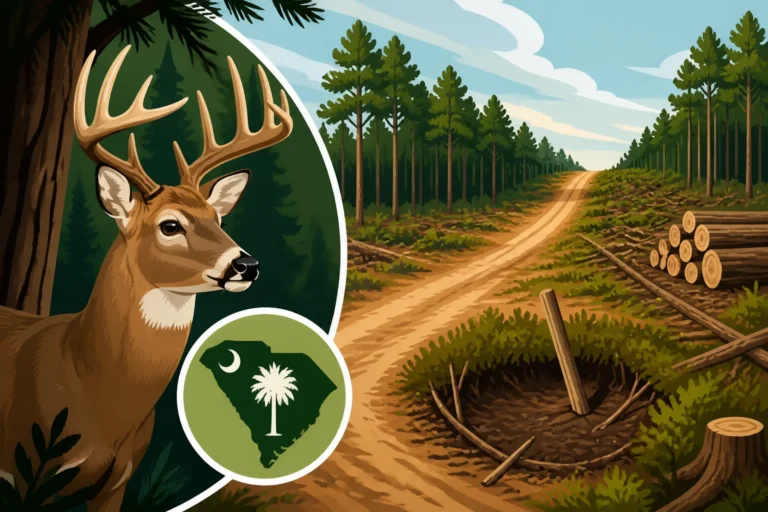
Before you even climb into your stand or start a still-hunt, take some time to really look at your immediate surroundings with an eye for potential recovery. Where are the high spots? Are there any old logging roads or ATV trails that cut through the muck? If you're setting up near a creek or river, is there a boat launch or an easy bank access point downstream? I've spent countless hours with my GoHunt app open, not just finding deer sign, but also identifying the least painful paths to drag a deer out. Sometimes, a long, winding route on slightly higher ground is far better than a direct, short slog through knee-deep water and impenetrable brush. Mark these mental escape routes. They're just as important as your entry routes.
Consider the terrain's composition. Is it mostly soft, mucky peat that will suck your boots off with every step, or is there a firmer, sandy bottom hidden beneath a few inches of water? Understanding these nuances during daylight, when you're not under the pressure of a downed animal, can be a game-changer. I remember one hunt near Hunting the ACE Basin for Deer where I specifically chose a stand because I’d scouted a faint deer trail that led directly to a dry ridge. Sure enough, when I dropped a nice buck, that faint trail became my lifeline. Without that prior reconnaissance, it would have been a nightmare trying to find a path in the fading light.
Understanding Swamp Dynamics
South Carolina swamps aren't static; they change with the weather. Heavy rains can turn a navigable cypress stand into a chest-deep lake, while a prolonged dry spell might expose firmer ground. Always check recent rainfall and tidal charts, especially if you're hunting coastal areas. A low tide can reveal crucial strips of dry land, making recovery significantly easier. Conversely, a rising tide might cut off your escape route or make an already challenging drag impossible. This is part of why a Warm-Weather Sitting Strategy in South Carolina often involves careful consideration of water levels.
Another critical dynamic is the vegetation itself. Palmetto thickets, dense briar patches, and fallen timber create formidable barriers. Sometimes, the path of least resistance isn't a straight line, but a zigzag around these natural obstacles. Pay attention to the type of cover. Can you push through it, or will you need to cut your way? This foresight helps you anticipate what tools you might need. I've often seen hunters underestimate the sheer physicality required, only to find themselves utterly exhausted a hundred yards into the swamp with a deer that feels like it weighs twice its actual mass. Knowing what kind of swamp you're getting into, by Reading South Carolina Mud for Fresh Deer Movement or observing water levels, is half the battle.
Essential Gear for a Successful Swamp Extraction
When you're dealing with a South Carolina swamp, you can't just rely on your wits and a deer drag rope. You need specialized gear to ensure both your safety and the successful retrieval of your animal. The right equipment won't make the job easy, but it will make it possible.
Personal Safety and Comfort Items
First and foremost, prioritize personal safety. Snake Boots for South Carolina Swamp Ground are non-negotiable. Our swamps are home to venomous snakes like cottonmouths and rattlesnakes, and you don't want to encounter one unexpectedly while dragging a deer. Beyond snake protection, sturdy, waterproof boots that offer good ankle support are crucial. You'll be traversing uneven, slippery ground, and a twisted ankle out in the middle of a swamp is a serious emergency.
Always carry a headlamp or a powerful flashlight, even if you plan to be out before dark. Recoveries often take longer than expected, and navigating a swamp in the dark without adequate light is incredibly dangerous. A fully charged cell phone (in a waterproof case!) and a portable charger are also vital for communication or if you need to consult your GoHunt map for navigation. Don't forget bug repellent, especially during early season hunts in August and September. Mosquitos and gnats can be relentless and distracting, making an already tough job even harder. A good multi-tool or a sharp knife, a small first-aid kit, and plenty of water are also must-haves. You'll be exerting a lot of energy, and dehydration is a real risk.
Specialized Deer Extraction Tools
Forget that flimsy piece of rope you use for camp chores; you need robust tools designed for hauling. A quality deer drag, whether it's a simple drag rope with a comfortable handle or a more elaborate harness system, is essential. These distribute the weight better and give you a more ergonomic pulling position. For those truly challenging swamps, a game cart can be a godsend, but only if the terrain allows. While a two-wheeled cart is fantastic for fields and logging roads, it often becomes a liability in deep mud and thick brush. Consider a single-wheeled game cart or even a heavy-duty sled, which can sometimes glide over obstacles more easily than wheels can roll.
Another invaluable tool is a sturdy pair of bypass pruners or even a small, folding saw. These are indispensable for clearing small branches, briars, and palmetto fronds that constantly snag your deer or your drag rope. I once spent an extra hour trying to disentangle a deer from a thorny thicket simply because I hadn't brought my pruners. Don't make that mistake. Lastly, if you anticipate water crossings, a strong piece of rope, perhaps 50 feet long, can be used to pull the deer across deeper sections or to secure it while you navigate ahead. Sometimes, two people and a longer rope are all it takes to float a deer across a small creek where a traditional drag would be impossible. If you need more options, check out specialized Game Carriers for Swamp Terrain designed for these exact conditions.
Table: Essential Swamp Deer Recovery Gear
| Category | Item | Purpose |
|---|---|---|
| Personal Safety | Snake Boots | Protection from venomous snakes and ankle support. |
| Headlamp/Flashlight | Illumination for dark conditions. | |
| Waterproof Phone Case | Protects communication device. | |
| Portable Charger | Ensures phone battery life. | |
| Bug Repellent | Deters mosquitoes and gnats. | |
| First-Aid Kit | Addresses minor injuries. | |
| Water | Prevents dehydration during strenuous activity. | |
| Extraction Tools | Heavy-Duty Deer Drag | Ergonomic pulling, distributes weight. |
| Game Cart (single-wheel) | Facilitates hauling over slightly firmer, less obstructed ground. | |
| Heavy-Duty Sled | Glides over mud and small obstacles. | |
| Bypass Pruners/Folding Saw | Clears vegetation obstructing the path. | |
| Long Rope (50ft+) | Aids in water crossings or team pulling. |
Strategies for Extracting a Deer from Difficult Terrain
Okay, you've got your deer down, you're mentally prepared, and your gear is ready. Now comes the hard part: actually moving that animal. This isn't a simple drag across an open field; this is a strategic operation in challenging South Carolina swamps.
Solo Recovery Strategies
Let's be real, a lot of us hunt solo, and sometimes a swamp recovery means you're flying solo too. If you find yourself in this situation, patience and smart planning are your best friends. The gutless method of Field Dressing a Deer in Warm Weather can be a huge advantage here. By removing the entrails, and potentially quartering the deer, you significantly reduce the weight and bulk you have to contend with. This makes it much easier to move, especially if you're making multiple trips with game bags. I prefer to use sturdy game bags and make two trips if possible, especially for larger bucks. It’s better to make two manageable trips than one impossible one that leaves you exhausted and possibly injured.
When dragging, always try to use the most efficient path you scouted. If there's any elevation change, try to go downhill. Use natural contours of the land, even if it means a slightly longer route. Don't fight every obstacle. If a log is too big to drag over, try to go around it, even if it adds a few extra yards. The goal is to conserve energy. A quality deer drag harness can make a significant difference, allowing you to use your core and legs rather than just your arms and back. Remember, if you're struggling, take breaks. Hydrate, rest, and reassess your strategy. Pushing too hard can lead to injury or abandonment of your hard-earned trophy.
Team-Based Extraction Methods
If you're lucky enough to have hunting partners or friends nearby, a team-based recovery is infinitely easier. The old adage, "many hands make light work," certainly applies here. The first step is clear communication. Everyone needs to know the plan. One person can lead, clearing the path with pruners, while two or more handle the drag. If you have enough people, rotating positions can help prevent any one person from burning out.
For really tough spots, like deep mud or thick quicksand-like areas, having multiple people with ropes can turn a stalled drag into forward momentum. One person might pull from the front, while others push from the rear or use additional ropes attached to the deer’s hind legs to help steer and lift over obstacles. I've even seen makeshift stretchers fashioned from saplings and hunting jackets to carry deer through areas where dragging was simply not an option. When Deer Drives With Three or Four Hunters, you naturally have more hands on deck, making recoveries from tough spots much more feasible. The collective strength and problem-solving abilities of a team can overcome almost any swamp challenge. Remember, keep your voices low, even during recovery, as you might spook other game in the vicinity.
Navigating Obstacles and Water Crossings
South Carolina swamps are full of surprises. You might encounter deep water, quicksand-like mud, hidden stumps, or dense tangles of roots. For water crossings, if it's shallow enough, you can often float the deer across. Secure a rope to the deer's antlers or neck, wade across, and pull it from the other side. Make sure you check the depth and current first! If the water is too deep or the current too strong, you might need to find an alternative route or consider quartering the animal and packing it out. If you're Hunting a Funnel Between Two Swamps, you'll likely face these challenges regularly.
When encountering extremely mucky areas, try to stay on any visible high ground or solid bottom. If you must go through deep mud, move slowly and deliberately. Sometimes, laying down small logs or branches can create a temporary, albeit unstable, pathway. For areas with thick vegetation, your pruners or saw will be invaluable. Don't be afraid to cut a clear path, especially if it's going to save you significant effort and prevent snags. Use your GoHunt app to double-check your position and ensure you're heading in the right direction, especially if you get turned around while navigating dense cover. It’s easy to become disoriented in the homogenous environment of a swamp. Always be mindful of South Carolina Trespass and Permission Law if your recovery takes you near private land boundaries.
Post-Recovery Care and Ethical Considerations
Once you've finally wrestled your deer out of the swamp, the job isn't quite done. There are still critical steps to ensure your harvest is properly handled and that you comply with all South Carolina hunting regulations.
Field Dressing Considerations in the Swamp
Ideally, you would field dress your deer as soon as possible after the shot to begin cooling the meat, especially during the warmer early season hunts. However, the realities of a swamp recovery sometimes make this impractical. If the deer went down in deep water or thick, mucky ground, immediate field dressing might contaminate the meat. In such cases, prioritize getting the deer to a cleaner, higher spot before attempting to field dress. As mentioned earlier, the gutless method can be a game-changer when you're dealing with a swamp kill. It allows you to remove the valuable meat portions while leaving the entrails and hide, which can be done on drier ground.
If you must field dress in a swampy area, try to elevate the deer on a log or a small mound of dirt to keep the cavity out of the standing water and mud. Be meticulously clean, using plenty of water to rinse out the cavity if available. This is where having a good cooler and Game Bags for Warm September Days on standby back at the truck becomes crucial. The faster you can get that meat cooled, the better the quality will be. Remember, the goal is not just to recover the animal, but to recover it in a condition suitable for consumption.
Reporting and Transporting Your Harvest
Once your deer is out of the swamp and field-dressed, you still need to adhere to South Carolina's reporting requirements. All harvested deer in South Carolina must be reported to the SCDNR through the Game Check system. You can do this via the Go Outdoors SC website or mobile app. Make sure you have all the necessary information readily available, including your hunting license number, the date and time of harvest, the county, and the sex of the deer. This is a critical step that ensures the SCDNR can accurately track harvest numbers and manage the deer population effectively. You can find more details on South Carolina Deer Reporting Requirements through the SCDNR website.
When it comes to transporting your deer, ensure it is properly tagged according to state regulations. The tag must be securely attached to the deer before moving it from the kill site. If you’ve quartered the deer, make sure all parts of the carcass remain together until you reach your final destination. For those longer hauls back to camp or home, especially in warm South Carolina weather, investing in a good quality cooler and ice is paramount. Coolers for a Warm August Kill are a necessity, not a luxury. Keeping the meat cool prevents spoilage, which is a real concern in our mild climate. Finally, remember to clean up your recovery site as best as possible, leaving no trash or unnecessary disturbance behind. Ethical hunting extends beyond the shot and includes a responsible recovery and clean-up.
Disclaimer
The information provided in this article is for general guidance and informational purposes only. Hunting regulations and conditions can change, and hunters are responsible for knowing and adhering to all current South Carolina Department of Natural Resources (SCDNR) laws and local regulations. Always prioritize safety and exercise good judgment in the field.