Lightweight Layering for Warm-Weather Sits
Oh, the joy of hunting in South Carolina! Or, more accurately, the challenge of it, especially when that early season sun starts beating down, and the humidity hangs heavy like a wet blanket. So many of us have experienced that miserable feeling of sweating through our clothes on the walk in, only to shiver once we hit the stand, soaked in our own perspiration. It makes focusing on the hunt nearly impossible and frankly, just ruins the experience. This guide is all about tackling that exact problem, showing you how smart layering, even in warm weather, can keep you comfortable, scent-controlled, and in the game longer.
The Unique Challenge of South Carolina's Heat and Humidity
Let's be real, South Carolina's weather can be a beast. While we dream of crisp fall mornings, a good chunk of our deer and even early turkey seasons fall squarely into what feels like a tropical sauna. It's a unique environment that demands a specific approach to what you wear, and just throwing on some camo shorts and a t-shirt often isn't enough.
Early Season Misery: Sweat, Bugs, and Discomfort
Think about that late August or early September archery opener. You’ve been scouting all summer, you've found that perfect pinch point, and you slip out of the truck before dawn. The air is already thick, and by the time you've walked a quarter-mile to your stand, you're already drenched in sweat. That dampness sticks to you, creating a breeding ground for mosquitos and gnats, and making every itch feel amplified. Not only does this ruin your comfort, but it also creates a significant scent problem. Deer have an incredible nose, and a sweaty hunter broadcasting their presence isn't going to have a good day. Plus, who can stay still and focused for hours when they're sticky and itchy? It's a genuine struggle, and one many hunters face every single year. You need Warm-Weather Sitting Strategy in South Carolina to stay effective.
Unexpected Cold Fronts and Afternoon Storms
Here's the kicker: even in the dog days of summer or early fall, South Carolina weather can throw a curveball. We might have a cool snap that drops morning temperatures into the 50s, only to rebound into the 80s by noon. Or, more commonly, those pop-up afternoon thunderstorms can roll in, dumping buckets of rain and quickly dropping the "feels like" temperature. Getting soaked and then having the temperature plummet is a recipe for hypothermia, even if it's brief, and certainly for misery. Being prepared for these sudden shifts without lugging a full winter wardrobe is critical for staying safe and effective in the woods.
The Metabolism Factor: Your Body's Own Thermostat
Your body is constantly generating heat, especially when you're moving. A walk to your stand, especially through thick lowcountry palmetto or up an upstate ridge, can feel like a workout. You're building up a lot of internal heat. The moment you settle into your Treestands and Saddles on Public Land or ground blind, your activity level drops dramatically, and your body starts to cool down. If you're wearing layers that trap that moisture, the cooling effect accelerates, leaving you clammy and uncomfortable. Understanding this internal thermostat—how you heat up and cool down—is the very foundation of effective layering, even when it's warm outside. You want to shed heat and moisture when you're moving, and retain just enough when you're still.
Understanding the Principles of Warm-Weather Layering
When we talk about "layering," most hunters immediately think of extreme cold weather, piling on insulated jackets and heavy base layers. But the principles of layering are just as, if not more, important for warm-weather hunting in places like South Carolina. It’s not about adding bulk; it's about adding versatility and managing moisture.
Wicking Away Moisture: The Base Layer's Primary Job
This is arguably the most crucial aspect of warm-weather layering. Your skin sweats to cool you down, but if that sweat just sits on your skin or soaks into your clothes, it becomes a problem. Cotton, for instance, absorbs moisture and holds onto it, making you feel wet, clammy, and ultimately, colder once you stop moving. A good base layer, like those offered by GoHunt, is designed to "wick" moisture away from your skin and spread it across the fabric's surface, allowing it to evaporate more quickly. This process helps regulate your body temperature, keeping you drier and more comfortable. When you're dry, you're warmer when it's cool and cooler when it's warm because your body can regulate itself more efficiently. Plus, less moisture means less smell.
Regulating Temperature on the Fly
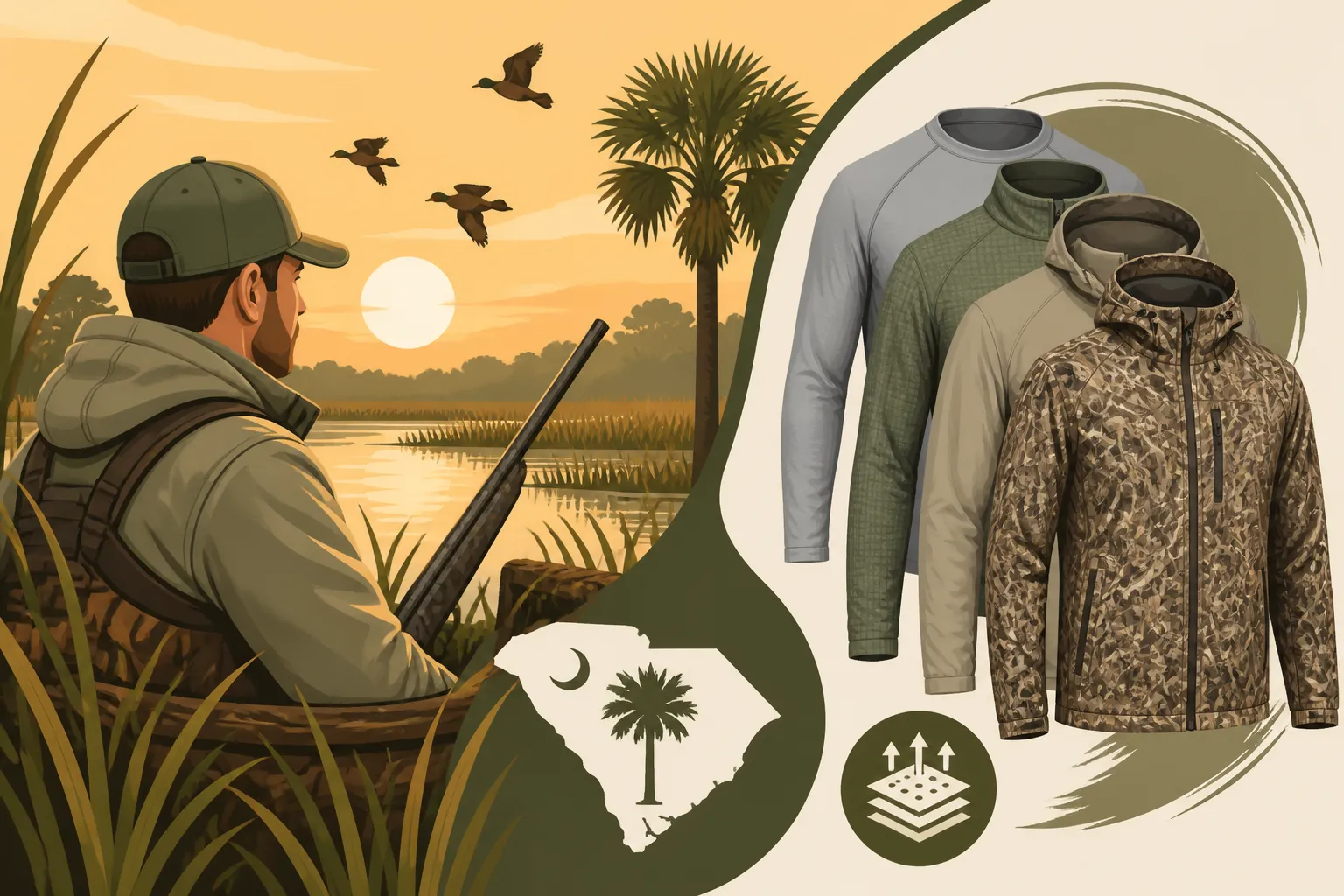
The beauty of layering is its adaptability. You can start your walk in with a minimal setup, perhaps just a lightweight base layer, and then, as you slow down and cool off in your stand, add a light mid-layer or jacket from your pack. Conversely, if the day heats up unexpectedly, you can shed layers as needed. This allows you to fine-tune your comfort level as conditions change, or as your activity level fluctuates throughout the hunt. It's about having options to adjust your personal climate control without having to leave your hunting spot. This kind of flexibility is essential for any hunter navigating the varied weather of a typical South Carolina Deer Season Structure Explained.
Scent Control Considerations in Humid Conditions
Humidity amplifies everything, and that includes your human scent. When you sweat, and that sweat has nowhere to go, it lingers and creates a scent beacon for deer. Effective layering, starting with a good moisture-wicking base layer, is your first line of defense against odor. By pulling sweat away from your skin, it reduces the amount of odor-causing bacteria that can thrive. Many modern base layers, including those from GoHunt, are also treated with antimicrobial properties to further inhibit scent. Combine this with proper hygiene and scent-free storage, and you're giving yourself a much better chance at remaining undetected. For more on this, check out Scent Control Gear for South Carolina Humidity.
Essential Base Layers for South Carolina's Climate
Your base layer is the foundation of your entire clothing system, especially in warm, humid conditions. It’s what directly touches your skin, and its performance directly impacts your comfort and, ultimately, your success. This isn't where you want to cut corners.
Lightweight Short-Sleeve and Long-Sleeve Options
For South Carolina, lightweight is the name of the game. A good short-sleeve base layer is perfect for those sweltering walks in, providing immediate moisture wicking and a little bit of sun protection. However, don't overlook the utility of a lightweight long-sleeve base layer, even when it's hot. The thin fabric provides excellent sun protection, which is crucial for those long hours under the Southern sun, and can also act as a physical barrier against mosquitos and other biting insects. Brands like GoHunt often offer long-sleeve options with thumb loops to ensure full arm coverage. Look for synthetics (like polyester or nylon blends) or lightweight merino wool, both of which excel at wicking and odor resistance.
Bottoms: Managing Lower Body Sweat
Just like your top half, your legs generate a surprising amount of heat and sweat, especially when you're walking through thick brush or climbing into a stand. Wearing heavy denim jeans is a common mistake that will leave you feeling soggy and weighed down. Instead, opt for lightweight hunting pants made from quick-drying synthetic materials. Many have vents or articulated knees for improved air circulation and mobility. Some hunters even prefer convertible pants that can zip off into shorts if conditions become truly unbearable, though for serious hunting, full-length protection from briars and bugs is usually preferred. The key is a fabric that sheds moisture and dries fast.
Undergarments: Often Overlooked, Always Important
We rarely talk about them, but your underwear choices are just as vital as your outer layers. Cotton boxers are a surefire way to invite chafing and discomfort in the heat and humidity. Instead, invest in performance underwear made from moisture-wicking synthetics or merino wool. These materials will pull sweat away from sensitive areas, preventing irritation and keeping you much more comfortable. Preventing chafing on a long walk or an all-day sit can make or break your hunt, so don't skimp here. A dry, comfortable foundation is key to a successful warm-weather hunt.
Mid-Layers and Outer Shells for Transitional Weather
While the focus for warm weather is often on light base layers, South Carolina's unpredictable climate means you still need options for when temperatures dip or the skies open up. These layers should be easily packable, lightweight, and offer specific functions without adding unnecessary bulk.
The Role of a Packable Fleece or Light Jacket
Even during the warmest months, those pre-dawn walks can be surprisingly cool, or a sudden gust of wind can send a shiver down your spine once you're settled in. A lightweight, packable fleece or a very thin synthetic jacket is perfect for this. It provides just enough insulation to take the chill off without causing you to overheat during your trek or making you feel suffocated when the sun comes up. It should be easy to roll up and stuff into your Choosing a Daypack for a Coastal Hunt when not needed. Brands like GoHunt offer minimalist jackets designed for layering, providing warmth without bulk, so you're not wrestling with excessive material in your stand.
Rain Gear: Essential for South Carolina's Unpredictable Skies
You simply cannot hunt in South Carolina without reliable rain gear. Pop-up showers are a way of life, and getting completely soaked not only makes you miserable but can also lead to dangerous situations if the temperature drops. Your rain gear needs to be truly waterproof, but also breathable. Trapping all your body heat and moisture inside a non-breathable shell is just as bad as getting wet from the rain. Look for jackets and pants made with waterproof/breathable membranes. They might cost a bit more, but they are worth every penny for staying dry and comfortable when the skies inevitably open up. A good set of Rain Gear for Lowcountry Downpours will save your hunt more times than you can count.
Camouflage Patterns and Visibility
While layering, don't forget the importance of your camouflage. Even your base layers should blend into the environment. South Carolina offers a diverse range of habitats, from dense coastal swamps to pine plantations and hardwood ridges in the Upstate. Choose patterns that match the vegetation you'll be hunting. However, always be mindful of legal requirements. During certain seasons or on specific public lands, you might need to wear Blaze Orange Jackets Versus Vests over your camo. Ensure your layering system allows for this, keeping a blaze orange vest or hat easily accessible to throw on when required for safety and compliance.
Accessorizing for Warmth and Protection
It's easy to focus on the big pieces of clothing, but the small accessories can make a huge difference in your comfort, especially when dealing with the unique challenges of South Carolina's warm, humid hunting conditions. These items protect vulnerable areas and help manage microclimates around your body.
Headwear for Sun, Sweat, and Bugs
Your head is a major point of heat loss and gain, and it's also a prime target for sun and bugs. A wide-brimmed hat is excellent for sun protection on those bright, exposed field edges, while a simple baseball cap can shade your eyes and keep sweat out of them. During those early archery seasons, when gnats and mosquitos are relentless, a lightweight mesh headnet can be a lifesaver, allowing you to focus on the hunt instead of swatting bugs away from your face. Some hunters even swear by a damp bandana wrapped around the neck to help cool them down during a strenuous walk.
Gloves and Hand Protection
Just like headwear, gloves serve multiple purposes in warm weather. Thin, breathable gloves can provide valuable protection against insect bites, especially if you're holding still for long periods. They also offer a degree of sun protection for the back of your hands. For archery hunters, a light glove can improve grip on your bow and protect your fingers from brush or rough climbing sticks. In a pinch, they can also provide a tiny bit of warmth on an unexpectedly cool morning, but their primary role in warm weather is protection and concealment.
Socks: The Foundation of Foot Comfort
Your feet are often the most abused part of your body during a hunt, and in South Carolina's warm, often damp environments, they are particularly vulnerable. Cotton socks are a definite no-go; they absorb sweat and stay wet, leading to blisters and discomfort. Instead, invest in high-quality, moisture-wicking socks made from merino wool or synthetic blends. These socks will pull sweat away from your feet, helping to prevent hot spots and blisters. Carry an extra pair in your pack, especially if you anticipate crossing wet areas or hunting in the swamp. Nothing feels better than dry socks on tired feet! Also, consider the benefit of Snake Boots for South Carolina Swamp Ground in conjunction with good socks.
Materials Matter: Fabric Choices for South Carolina Hunters
Choosing the right fabric is just as important as choosing the right garment when it comes to effective warm-weather layering. The material directly dictates how well a piece of clothing will manage moisture, control odor, and perform in the field.
Synthetics: Polyester and Nylon Blends
Synthetic fabrics like polyester and nylon blends are workhorses for warm-weather hunting. They are engineered to be incredibly effective at wicking moisture away from your skin and drying rapidly. This quick-drying capability is a game-changer in humid South Carolina, where everything seems to stay damp. Many synthetics are also treated with antimicrobial agents, which help to fight odor-causing bacteria – a huge plus when you're sweating profusely. They tend to be durable, resist abrasion, and are often more budget-friendly than natural fibers. GoHunt, for example, features many garments made with advanced synthetic blends designed for high performance in challenging conditions. Look for Lightweight Base Layers for August Sits made of these materials.
Merino Wool: Nature's Performance Fabric
While often associated with cold weather, lightweight merino wool is an exceptional choice for warm-weather layering. It shares many of the performance benefits of synthetics: it wicks moisture efficiently, is incredibly soft against the skin, and breathes well. Where merino truly shines, however, is its natural odor resistance. Unlike synthetics, which rely on treatments, merino's fibers naturally resist the growth of odor-causing bacteria, meaning you can wear it for longer periods without smelling. It also has a remarkable ability to regulate temperature, keeping you cool when it's hot and providing warmth even when damp. The trade-off is often a higher price point, but many hunters find the comfort and performance worth the investment.
Avoiding Cotton at All Costs
This is a non-negotiable rule for hunting in South Carolina, especially in warm or transitional weather: avoid cotton. The old adage "cotton kills" might sound dramatic, but it's rooted in truth. Cotton absorbs moisture like a sponge and holds onto it. When it's hot, this means you'll feel clammy and heavy with sweat, and when that inevitable temperature drop or rain shower hits, that wet cotton will rapidly sap your body heat. It takes forever to dry, making you uncomfortable and creating a potent scent trap. While a cotton t-shirt might seem comfortable for a casual stroll, it has no place in a serious South Carolina hunting setup. Stick to performance fabrics for a better, safer, and more successful hunt.
No matter your hunt, from Bowhunting South Carolina's Long Archery Season to Hunting the ACE Basin for Waterfowl, proper gear is key. Getting your layering right is foundational to success and comfort afield.
| Layer Type | Purpose | Best Materials | Worst Materials | Key Benefit in SC Heat |
|---|---|---|---|---|
| Base Layer | Wicks sweat from skin, regulates temp | Polyester, Nylon Blends, Merino Wool | Cotton | Moisture Management |
| Mid-Layer | Adds warmth if needed, easily removed | Lightweight Fleece, Synthetic Puffy | Heavy Wool, Bulky Cotton | Adaptability |
| Outer Shell | Wind/Rain protection | Waterproof/Breathable Synthetics | Non-breathable Plastic Rain Gear, Denim | Dryness/Protection |
| Socks | Wicks foot sweat, prevents blisters | Merino Wool, Synthetic Blends | Cotton | Foot Comfort |
| Headwear | Sun/Bug protection, minor warmth/cooling | Mesh, Light Synthetics, Wide-Brimmed Hats | Heavy Wool Caps | Head Protection |
Disclaimer
This article is for general informational purposes only and does not constitute professional advice. Laws, prices and regulations vary by location and change over time. Consult a qualified professional for guidance on your specific situation.