Packs Built for a Sumter Forest Day Hunt
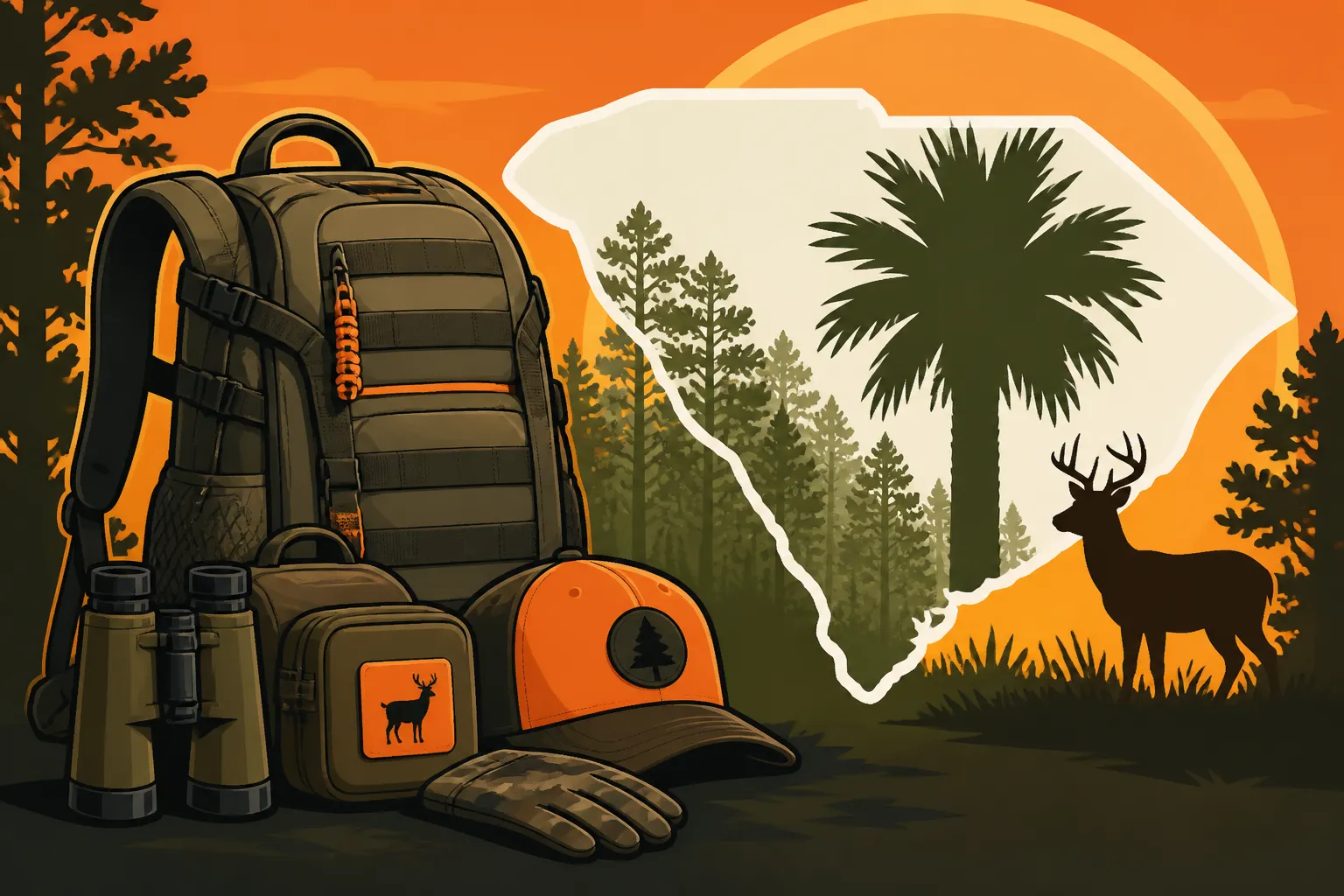
There's nothing quite like the anticipation of a day hunt in South Carolina's Sumter National Forest. You've scouted, you've planned, and now it's time to hit the timber. But one frustration I hear time and again is the struggle to find that perfect pack – one that isn't too bulky but still holds everything you need, stands up to our unpredictable weather, and feels comfortable whether you're climbing a ridge or still-hunting a bottomland. This guide is all about helping you sort through the options and pick a day pack that makes your Sumter Forest hunts more efficient and enjoyable.
The Unique Demands of a Sumter Forest Day Hunt
Hunting in Sumter National Forest isn't like hunting in wide-open Western landscapes or flat Midwestern farm fields. It comes with its own set of challenges, from the terrain to the climate, and your pack needs to be up to the task.
Navigating the Terrain and Cover
Sumter National Forest, spread across the Upstate and Midlands, offers a really diverse landscape. You might be still-hunting Sumter Forest ridges with steep climbs and descents, pushing through dense pine thickets, or navigating creek bottoms choked with briars and laurel. This isn't always easy walking. You're constantly pushing through brush, climbing over fallen timber, and sometimes just plain crawling. A pack that's too wide can snag. One that's poorly balanced can throw you off. And if it's not comfortable, every step on uneven ground becomes a chore, making you think more about your aching shoulders than the deer sign in front of you.
You're likely covering several miles on foot, especially if you're trying to get away from the more accessible areas. This means your pack needs to move with you, stay secure, and not become an impediment. Imagine trying to sneak through a dense patch of regenerating timber, only to have a loose strap on your pack catch on every branch. It's frustrating, and it compromises your stealth, making it harder to get close to game.
The Weather Wildcard and What It Means for Your Pack
South Carolina weather is, shall we say, colorful. You can start a crisp October morning with temperatures in the 40s, only for it to climb into the high 70s by noon. Then, out of nowhere, a pop-up thunderstorm can roll through, dumping rain for an hour before the sun breaks out again, turning the forest floor into a steamy sauna. This means layering is essential, and your pack needs space for those layers you'll shed or put back on throughout the day.
More importantly, your gear absolutely needs protection from the elements. A sudden downpour can soak electronics, calls, and extra clothing if your pack isn't weather-resistant. Nothing ruins a hunt faster than shivering in wet clothes or having a valuable piece of gear short out. Having an integrated rain cover or a pack made of highly water-resistant material isn't just a nice-to-have; it's a necessity for those long South Carolina days in the woods. You also need to consider Warm-Weather Clothing for South Carolina Hunters, even in what might seem like cooler seasons, because that midday sun can really beat down.
Essential Gear for a Full Day in the Woods
So, what exactly are you hauling around in your day pack for a Sumter hunt? The list can vary, but generally, you'll need:
- Water: Dehydration is a real concern, especially in warmer weather or after a strenuous climb. At least 2-3 liters is a good starting point.
- Snacks: Fuel for those long hours. Energy bars, nuts, maybe a sandwich.
- First-Aid Kit: Blisters, cuts, snake bites (unfortunately, a possibility) – you need to be prepared.
- Calls: Deer calls, turkey calls, whatever game you're after.
- Knife: Essential for field dressing or general utility.
- Navigation: GPS unit or a phone with a mapping app like GoHunt's outstanding mapping tools, plus a physical map and compass as backup.
- Headlamp/Flashlight: For walking in before dawn or out after dusk, especially important if you're not planning on being back at the truck before South Carolina Public Land Hunting Hours end.
- Rain Gear: A lightweight jacket and pants can be a lifesaver.
- Extra Layers: A fleece or puffy jacket for when temperatures drop.
- Game Bags: If you're lucky enough to punch a tag, you'll need something to protect your meat on the hike out. This is a crucial item often overlooked by newer hunters.
- Small Repair Kit: Zip ties, electrical tape, maybe a small multi-tool for quick fixes.
- Blaze Orange: If it's a gun season, you need to meet South Carolina Blaze Orange Requirements. You might carry a vest to put on once you're settled, or wear a full blaze orange jacket.
Considering this list, your pack needs enough volume and smart organization to keep everything accessible but secure. It's a fine balance between carrying too much and not having what you need when it counts.
Key Features to Look for in a Sumter Forest Day Pack
Choosing the right pack can feel overwhelming with all the options out there. But by focusing on a few core features tailored to Sumter's challenges, you can narrow it down significantly.
Comfort and Fit for Long Hauls
This is probably the most critical factor. A day pack that's uncomfortable will wear on you physically and mentally, turning a potentially enjoyable hunt into a miserable slog. Look for a pack with a robust suspension system. This includes well-padded shoulder straps that distribute weight evenly without digging in, and a sturdy hip belt that transfers a significant portion of the pack's weight to your hips, relieving your shoulders. A good hip belt also stabilizes the pack, preventing it from swaying when you're traversing uneven ground or climbing over obstacles.
Adjustability is key. Make sure the pack's torso length can be adjusted to fit your frame. Compression straps on the sides and bottom of the pack are also incredibly useful. They cinch down the load, keeping it tight against your back and preventing items from shifting, which can throw off your balance and make the pack feel heavier than it is. When trying on a pack, load it up with some weight to get a realistic feel. Walk around, bend over, simulate movements you'd make while hunting. You should feel the weight primarily on your hips, with your shoulders carrying a lighter, secondary load.
Durability and Weather Resistance
Hunting in Sumter National Forest means your pack is going to take a beating. It'll get scraped by briars, rubbed against tree bark, and possibly dropped in the mud. So, materials matter. Look for packs made from tough, high-denier nylon or ripstop fabrics that can withstand abuse. Reinforced stitching at stress points – like where straps attach to the main body – is a sign of quality and longevity.
As mentioned earlier, weather resistance is non-negotiable in South Carolina. Many quality packs come with a Durable Water Repellent (DWR) coating that helps shed light rain. Even better are packs that include an integrated rain cover, usually tucked away in a small pocket, that you can quickly deploy when the skies open up. For essential electronics or sensitive items, consider also using dry bags or waterproof stuff sacks inside your pack for an extra layer of protection. Don't underestimate the humidity either; even without rain, a pack that breathes poorly can lead to a sweaty back, which in cooler temps can lead to a chill.
Organization and Accessibility
When you need that grunt tube, a specific call, or your rangefinder, you don't want to be rummaging through a cavernous main compartment, making noise and wasting precious time. A well-organized pack allows you to access your gear quickly and quietly. Look for:
- Multiple Pockets: Both internal and external pockets are beneficial. Internal pockets are great for keeping smaller, less-used items secure. External pockets, especially those on the hip belt or sides, are perfect for things you need on the fly, like a wind checker, a small snack, or a GPS unit.
- Dedicated Water Storage: A hydration sleeve for a water bladder is fantastic for hands-free hydration. External water bottle pockets are also useful, allowing you to quickly grab a drink without taking off your pack.
- Tool Loops/Attachments: If you carry a hunting knife, saw, or axe, loops or straps to secure them externally can be very handy.
- Quiet Zippers and Pulls: This might seem minor, but noisy zippers can betray your position at the worst possible moment. Some packs feature quiet pulls or silent zipper designs.
Think about your personal hunting style and the gear you carry. Do you like everything compartmentalized, or do you prefer a more open design? Consider how you can best organize your load to avoid fumbling when a deer steps out. A company like GoHunt, which designs gear with the hunter in mind, often incorporates these thoughtful organizational features.
Capacity Considerations: Not Too Big, Not Too Small
Finding the "Goldilocks" capacity for a Sumter Forest day pack is crucial. Too small, and you'll be leaving essential gear behind. Too large, and you're carrying unnecessary bulk and weight, which can make you sluggish and snag on every branch. For a typical day hunt, most hunters find a pack in the 1,500 to 2,500 cubic inch (roughly 25-40 liter) range to be ideal.
This size allows you to comfortably carry all your essentials, extra layers, water, food, and even a small game bag for successful field dressing. If you're planning on doing a lot of still-hunting or running and gunning for turkeys, you might lean towards the smaller end. If you're sitting a stand all day and bringing more comfort items or heavier optics, you might prefer something on the larger side.
Here's a general guide to help you think about capacity:
| Pack Capacity (Cubic Inches / Liters) | Best Use Case | What it Holds (Generally) |
|---|---|---|
| 1000-1500 ci / 16-25 L | Minimalist, short hunts, early season, bowhunting | Water, snacks, calls, knife, small first-aid, light rain jacket, maybe a few shed layers. Minimal space for meat. |
| 1500-2500 ci / 25-40 L | Standard day hunt, varied weather, stand hunting | All essentials, extra layers, rain gear, more water/food, bigger first-aid, space for game bags, small optics. Good for Scouting South Carolina Public Land Before Season. |
| 2500-3500 ci / 40-55 L | Longer day hunt, cold weather, heavier gear, multi-species | All standard day hunt gear, plus a warmer puffy jacket, more food, maybe specialized gear for a specific hunt, some extra space for a recovered animal. |
Remember, these are general guidelines. Your personal gear list and comfort level will ultimately determine what's right for you. Always err slightly on the side of having a little extra space rather than trying to cram everything in.
Types of Packs Best Suited for Sumter National Forest
Once you understand the features, it's time to consider the different categories of packs and how they align with a Sumter hunt.
Standard Daypacks and Their Advantages
A standard daypack is what most people picture when they think of a backpack. These are often simpler in design, without highly specialized hunting features, but can be incredibly effective. Many outdoor gear companies make excellent daypacks that cross over well into hunting.
Advantages:
- Lightweight: Often made with lighter materials, these packs reduce overall carry weight, which is a huge bonus on long hikes.
- Versatile: They're great for general hiking, scouting, or even everyday use, so you get more bang for your buck.
- Less Expensive: Generally, a quality standard daypack will be more affordable than a highly specialized hunting pack.
- Streamlined: Their often-simpler design means fewer external straps and pockets to snag on brush, which is a real plus when you're pushing through thick South Carolina cover.
However, they might lack specific hunting-focused features like blood-proof meat compartments or dedicated weapon carry systems. But for many hunters, especially those who prefer Bowhunting South Carolina's Long Archery Season and keep their setup light, a durable and well-fitting standard daypack is more than sufficient.
Specialized Hunting Packs and Their Benefits
These packs are designed from the ground up with hunters in mind. They often incorporate features that address specific hunting needs, which can be a significant advantage.
Advantages:
- Weapon Carry Systems: Many specialized hunting packs include integrated straps or pockets to securely carry a rifle, bow, or crossbow, freeing up your hands for climbing or navigating difficult terrain. This is fantastic when you're headed to a stand in the dark and need your hands free for a flashlight or to carry Climbing Sticks for South Carolina Hardwoods.
- Quiet Materials: Fabrics are often chosen for their silence, reducing rustling noises that could spook game.
- Load Shelf/Meat Hauling: Some hunting daypacks are designed with an expandable load shelf or specific compartments that can handle the weight and mess of packing out meat after a successful harvest. While a "day pack" isn't typically for boning out an entire deer, having the capability for a quarter or two for a shorter haul is a game-changer.
- Durability: These packs are typically built to withstand the rigors of hunting environments, often featuring tougher fabrics and reinforced stress points.
Disadvantages:
- Higher Cost: Due to their specialized design and materials, hunting-specific packs usually come with a higher price tag.
- Potentially Heavier: The extra features and rugged construction can add a bit of weight.
- Less Versatile: While they excel at hunting, their specialized features might make them less ideal for general outdoor activities.
Brands like GoHunt often lead the way in designing innovative hunting packs that blend these specialized features with ergonomic comfort, making them excellent choices for serious hunters.
Frame Packs vs. Frameless for Day Hunts
When talking about day packs, you'll generally encounter two main types regarding their internal structure:
-
Frameless Packs: These packs have no rigid internal or external frame. They rely on the stiffness of the fabric and the way you pack them to hold their shape.
- Pros: Extremely lightweight, pack down small when empty, very flexible.
- Cons: Can become uncomfortable if overloaded or packed poorly, as the weight can sag and create pressure points. Less effective at transferring heavy loads to the hips.
- Best for: Light loads, short hunts, situations where you prioritize minimal weight and bulk, like some forms of Run-and-Gun Turkey Tactics on Public Land.
-
Internal Frame Packs: Most modern day hunting packs fall into this category. They have a lightweight internal frame (often aluminum stays or a plastic sheet) that helps distribute the load, transfer weight to the hip belt, and maintain the pack's shape.
- Pros: Much better at distributing weight evenly and comfortably, especially with heavier loads. Maintains shape even when not fully packed.
- Cons: Heavier than frameless packs, can be slightly less flexible.
- Best for: Most Sumter Forest day hunts where you're carrying a reasonable amount of gear and potentially need to pack out some meat. This is generally the sweet spot for comfort and utility for all-day endeavors.
External frame packs, while still available, are less common for day hunts. They're typically used for very heavy, awkward loads over long distances, more like a pack for packing out an entire elk rather than a deer quarter from a short distance. For a Sumter day hunt, an internal frame pack is almost always the superior choice for comfort and capability.
Packing Strategies for Efficiency and Success
Once you've got your ideal pack, how you load it up is just as important as the pack itself. A smartly packed bag can save you time, energy, and even make the difference between success and a missed opportunity.
The "Go-To" Items: Quick Access is Key
Think about the items you might need at a moment's notice. These are your "go-to" items and should be placed in external pockets, hip belt pouches, or the top lid of your pack for immediate access.
- Rangefinder: Critical for accurate shot placement, especially in varying terrain or across clearings.
- Calls: Whether it's a grunt tube, a slate call, or an owl hooter, you need to be able to grab it and use it without excessive movement.
- Wind Checker: A small squeeze bottle of powder or thread can tell you instantly how the wind is swirling, which is vital in a treestand or when approaching a bedding area.
- Water Bottle/Hydration Hose: Staying hydrated is paramount. You shouldn't have to take off your pack to get a drink.
- Small Snacks: A quick energy boost can keep you sharp when you're still-hunting Sumter Forest ridges.
- GPS/Phone: For quick navigation checks or marking a waypoint.
Having these items easily accessible prevents fumbling, noise, and unnecessary movement. Imagine a buck steps out, and you have to dig for your rangefinder – by the time you find it, he might be gone. Strategic placement of these critical items is a habit every successful hunter develops.
Distributing Weight for All-Day Comfort
Proper weight distribution is paramount for comfort and balance, especially on those longer hikes or when traversing uneven ground.
- Heavier Items: Place your heaviest items (like extra water, optics, or a heavier camera) close to your back and roughly between your shoulder blades and your lower back. This keeps the center of gravity close to your body, making the pack feel lighter and more stable.
- Medium Weight Items: These can go further away from your back, towards the outside of the pack, or at the bottom.
- Lighter Items: Pack softer, lighter items like extra clothing or a sleeping pad (if you brought one for cushioning) towards the top or bottom, and along the periphery of the pack.
- Use Compression Straps: Cinch down all external and internal compression straps once your pack is loaded. This secures the load, prevents it from shifting, and makes the pack feel more compact and stable.
- Balance the Load: Try to distribute weight evenly side-to-side. An unbalanced pack will pull you to one side, leading to fatigue and discomfort.
A good practice is to pack your bag a few times before your hunt and even take it for a short walk. This helps you identify any uncomfortable pressure points or areas where the load shifts, allowing you to make adjustments before you're deep in the woods. This is especially true if you plan to Hanging a Stand on a Sumter Forest Ridge and are carrying your treestand in.
Preparing for the Unpredictable: Rain, Cold, and Success
South Carolina hunting, particularly in Sumter, is a dance with Mother Nature. You need to be ready for whatever she throws your way.
- Rain Protection: Even with a water-resistant pack, I always use lightweight dry bags or heavy-duty Ziploc bags for electronics (GPS, phone, headlamp batteries), extra clothes, and anything that absolutely cannot get wet. An integrated rain cover is a fantastic feature, but that extra layer of protection internally brings peace of mind.
- Layers: Pack clothing strategically. You might start a cool morning with a base layer, a mid-layer, and a jacket. As the day warms, those mid-layers will come off. Ensure you have space for them, and easily accessible. Conversely, if a cold front pushes through or you're out past dark, having a warm, packable puffy jacket can prevent a miserable situation.
- Emergency Supplies: Beyond your basic first-aid, consider a small fire-starting kit (lighter, tinder), a whistle, and perhaps a Mylar emergency blanket. You hope you never need them, but if you get turned around or have an unexpected overnight, they could be crucial.
- The Best Kind of Unpredictable: Success! Don't forget to pack game bags! Seriously, the last thing you want is to drop a nice Sumter buck and realize you have no way to protect the meat from flies or dirt on the way out. Even if you're only planning to quarter it for a short haul, having a sturdy game bag or two means your hard-earned venison stays clean and cool. This is also where Meat Care Gear for South Carolina Hunters becomes super important, especially if it's an early season kill when temperatures are still high. Preparing for success is half the battle!
Choosing and packing the right day pack for your Sumter National Forest hunt is about more than just carrying stuff; it's about extending your comfort, ensuring your preparedness, and ultimately increasing your chances of success. By investing in a quality pack that fits well and is thoughtfully loaded, you can focus on the hunt, not your discomfort.
Disclaimer
This article is for general informational purposes only and does not constitute professional advice. Laws, prices and regulations vary by location and change over time. Consult a qualified professional for guidance on your specific situation.