Lightweight Base Layers for August Sits
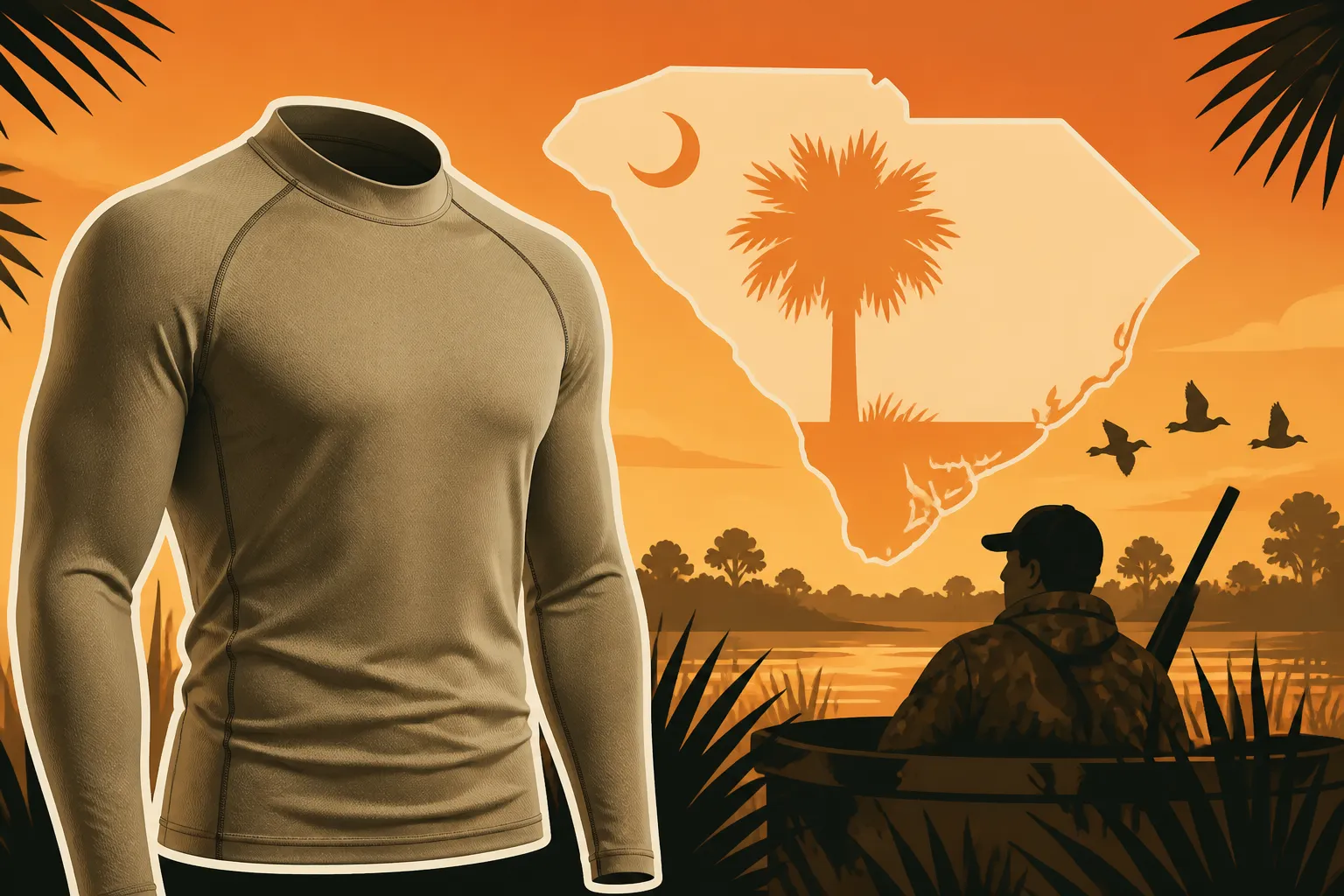
August in South Carolina, especially when you're sitting in a treestand or ground blind, can feel like stepping into a warm, wet blanket that never quite lifts. The oppressive heat and stifling humidity are notorious for making even the most dedicated hunter sweat buckets before the sun is fully up, not to mention the challenge of managing human scent when you're dripping wet. This guide is all about tackling that exact problem head-on, focusing on how choosing the right lightweight base layers can make a world of difference in your comfort, scent control, and overall success during those steamy early-season hunts.
Why Lightweight Base Layers Matter for August Sits
When you picture hunting gear, often heavy camo jackets and insulated bibs come to mind. But for a South Carolina August, that image couldn't be further from the truth. The real heroes for early-season comfort aren't about adding warmth; they're about managing heat, moisture, and scent, and that's precisely where lightweight base layers shine. Ignoring this critical piece of gear can lead to a miserable, short-lived hunt, and potentially spooking that buck you've been after all summer.
Battling the Heat and Humidity
Let's be real, South Carolina's August heat isn't just "warm," it's a suffocating, energy-draining force. You start sweating the moment you step out the door, and by the time you've walked a hundred yards to your stand, you feel like you've already run a marathon. This isn't just uncomfortable; it's detrimental to your hunt. Excessive heat can lead to fatigue, reduce your focus, and even put your health at risk if you're not careful about hydration.
The humidity compounds this problem, making it nearly impossible for sweat to evaporate naturally from your skin. When sweat just sits there, clinging to your skin and clothing, it does nothing to cool you down. Instead, it becomes a breeding ground for bacteria, leading to that tell-tale human odor that whitetails pick up on instantly. A good base layer actively works against these factors, creating a microclimate next to your skin that helps you feel cooler and drier.
Think about those mornings in the lowcountry where the air is so thick you can almost chew it. You're trying to slip into a Hunting Lowcountry Swamp Deer setup, and every movement generates more heat. Without the right base layer, you're not just uncomfortable; you're essentially radiating your presence to every deer within sniffing distance.
Wicking Away the Sweat
The primary job of a lightweight base layer in warm weather is moisture management. Cotton is the absolute enemy here; it absorbs sweat and holds it against your skin, making you feel clammy, heavy, and hot. This is precisely what we want to avoid. Instead, a proper base layer uses specialized fibers to pull—or "wick"—sweat away from your skin and transfer it to the outer surface of the fabric.
Once the sweat is on the outer surface, it has a much better chance of evaporating, even in high humidity. This process of evaporation is what actually cools your body down. It’s like having a personal, breathable second skin that’s constantly working to keep you dry. This constant wicking action means you spend less time feeling sticky and uncomfortable, allowing you to focus on the hunt, not on how much you're sweating.
Imagine you're trying to stay motionless on a Treestand Setups in Francis Marion National Forest perch, waiting for first light. If your shirt is soaked with sweat and clinging to you, every slight breeze feels either chilling or just plain muggy. A good wicking layer, however, keeps that moisture moving, allowing you to maintain a more stable body temperature and reduce discomfort, even when the thermometer is pushing into the 90s.
Odor Control and Scent Management
This is arguably one of the most critical aspects for any hunter, especially in warm weather. Human scent is a deer's primary defense mechanism, and in the heat, our bodies produce more sweat, which means more opportunities for scent-causing bacteria to thrive. A traditional cotton shirt quickly becomes a stinky mess, broadcasting your presence to every wary whitetail.
High-quality lightweight base layers are often treated with antimicrobial agents or made from materials that naturally resist bacterial growth, like merino wool. These features help to neutralize odor-causing bacteria before they can even get started, drastically reducing your human scent signature. This doesn't mean you can skip your scent-elimination sprays or proper hygiene, but it's a crucial first line of defense.
Combine these layers with a solid scent-control regimen, including scent-free washes for your Breathable Camo for Warm-Weather Hunts, and you dramatically increase your chances of getting close to an animal. On an early South Carolina Zone 4 Archery Opening Day hunt, where bucks are still in their summer patterns and relatively undisturbed, every edge you can gain in scent control is invaluable. Many hunters using tools like GoHunt for scouting their routes and stand locations also integrate scent strategies into their planning, recognizing the importance of mitigating odor, especially when the weather is not on your side.
Choosing the Right Materials for Your August Hunt
The material of your base layer is paramount, as it dictates how well it will manage moisture, control odor, and perform in the relentless South Carolina heat. Forget anything that holds moisture; we're looking for performance fabrics designed for active use in challenging conditions.
Synthetic Fabrics
Synthetic base layers, typically made from polyester or nylon, are the workhorses of warm-weather hunting. They are engineered specifically for moisture-wicking and quick-drying properties. Polyester, in particular, is excellent at moving sweat away from your skin. Many synthetic options also incorporate silver or other antimicrobial treatments directly into the fibers to actively kill bacteria and reduce odor.
The pros are significant: they're incredibly quick to dry, often durable, and generally more affordable than natural alternatives. They can be found in a huge range of weights and weaves, making it easy to find an ultra-light option. However, some hunters find that synthetics, even with antimicrobial treatments, can still retain odors after multiple wears or washes, especially if not cared for properly. They also tend to feel a bit "slicker" against the skin, which some people don't prefer. If you're planning a multi-day hunt and need to wash and dry your layers overnight, the quick-drying nature of synthetics is a huge advantage.
When you're packing your Packs for a Sumter Forest Day Hunt, having a spare synthetic base layer can be a game-changer if you get drenched in a sudden afternoon shower or sweat through your first layer. The ability to swap into something dry and know it will air-dry quickly is invaluable.
Merino Wool
Now, I know what you might be thinking: wool in August? Are you crazy? But hear me out. Merino wool isn't your grandma's scratchy sweater wool. This superfine wool is incredibly soft, lightweight, and surprisingly effective in warm weather. Its natural crimp creates tiny air pockets that regulate temperature, keeping you cool when it's hot and warm when it's cool.
The biggest advantage of merino wool for warm-weather hunting is its unparalleled natural odor resistance. Merino fibers have a complex structure that traps odor molecules and releases them only when washed, meaning you can wear a merino base layer for multiple days without it smelling like a locker room. This is a huge benefit for extended trips or when you're limited on laundry. It also continues to insulate when wet, though that's less of a concern for cooling in August. On the downside, merino is generally more expensive than synthetics, and while durable for wool, it can be more prone to snags and tears in thick South Carolina brush. It also takes longer to dry than synthetics.
For hunters who prioritize natural materials and multi-day scent control above all else, merino wool is an excellent choice. Many hunters who are particular about their scent regimen, especially when planning a Warm-Weather Sitting Strategy in South Carolina, will lean towards merino, even with its higher price point, because its natural properties are so effective.
Blended Fabrics
Some manufacturers offer blended fabrics that combine the best aspects of synthetics and merino wool. These blends aim to achieve the quick-drying durability of synthetics with some of the natural odor resistance and soft feel of merino. You might find blends that are mostly polyester with a percentage of merino, or vice-versa, to fine-tune performance characteristics.
These blends can offer a fantastic middle ground, providing good moisture-wicking, decent odor control, and a comfortable feel without breaking the bank or sacrificing too much durability. They can be a great option for hunters who are looking for a versatile base layer that performs well across a range of conditions and might be a good starting point if you're unsure whether to commit fully to synthetic or merino. The best way to evaluate them is to check the specific fabric composition and read reviews from other hunters in similar climates, especially on platforms like GoHunt that often feature detailed gear discussions.
Here's a quick comparison of the two main types for August hunting:
| Feature | Synthetic (Polyester/Nylon) | Merino Wool (Lightweight) |
|---|---|---|
| Moisture Wicking | Excellent, engineered for rapid transfer | Very Good, natural capillary action |
| Drying Time | Fastest, often dries in minutes in sunlight | Moderate, takes longer than synthetics |
| Odor Control | Good, often relies on antimicrobial treatments | Excellent, naturally resistant to bacterial growth |
| Comfort (Feel) | Smooth, sometimes "slick," can feel warm if not wicking | Soft, breathable, comfortable against skin |
| Durability | Very good, resistant to snags and abrasion | Good, but can be more delicate than synthetics |
| Price Point | Generally more affordable | Higher, premium material |
| Wet Performance | Wicks well, but can feel clammy | Continues to provide some temperature regulation wet |
Key Features to Look for in Summer Base Layers
Beyond the material itself, several design and functional features can significantly impact the performance and comfort of your lightweight base layers during those sweltering August hunts in South Carolina. Paying attention to these details can elevate your hunting experience from tolerable to truly comfortable.
Fit and Design
The fit of your base layer is crucial for its performance. For warm-weather hunting, you generally want something that is "next-to-skin" but not constricting. An athletic, close fit ensures that the fabric is in constant contact with your skin, allowing it to effectively wick away moisture. If the base layer is too loose, it won't be able to do its job as efficiently, leaving sweat on your skin. However, you also don't want it so tight that it restricts movement or feels uncomfortable during long sits.
Look for features like flatlock seams, which are designed to lie flat against the skin, preventing chafing and irritation, especially important when you're carrying a pack or sitting for extended periods. Raglan sleeves, where the sleeve extends in one piece to the collar, also offer better range of motion and reduce bulk under straps. Some shirts might even incorporate mesh panels in high-sweat areas like the armpits or back to enhance ventilation, which is a fantastic addition for South Carolina's relentless heat.
Consider the length too. A slightly longer torso helps keep the shirt tucked in, preventing it from riding up and exposing skin, which is important for both sun protection and scent containment. For those Hunting the Earliest Coastal Zone Opener, where you might be bending, stretching, and navigating tough terrain, the right fit makes all the difference.
UPF Protection
While we're often focused on staying cool, the August sun in South Carolina is brutal, and sun protection is a serious concern, especially if you're hunting in open areas like power lines, field edges, or a clear-cut where you're Hunting a Clear-Cut Regrowth Edge. Many lightweight base layers now come with UPF (Ultraviolet Protection Factor) ratings, similar to SPF for sunscreen. A UPF rating of 30 or higher means the fabric blocks 97% or more of harmful UV rays.
This feature is incredibly important for preventing sunburn and reducing your risk of skin damage over time. Even if you're mostly in dense timber, you'll likely have periods of exposure, such as walking to and from your stand, or if you end up still-hunting through a more open canopy. Combining a UPF-rated base layer with a good wide-brimmed hat and sunscreen on exposed skin is your best defense against the sun. Don't underestimate the power of the sun to drain your energy and make you uncomfortable, even when you're primarily concerned with heat and humidity.
Being able to focus on the game without worrying about getting scorched is a huge mental boost, and having that built-in sun protection in your base layer means one less thing to think about when you're trying to stay focused on the task at hand.
Quick-Drying Capabilities
We've touched on this with materials, but it's worth emphasizing as a standalone feature. In a climate like South Carolina's, you're going to get wet. Whether it's sweat, a sudden afternoon thunderstorm, or just the heavy morning dew, your clothes will encounter moisture. The ability of your base layer to dry quickly is paramount, not just for comfort but for practicality.
A fast-drying base layer means that if you get caught in a shower, you won't be sitting in cold, wet clothes for hours, which can lead to chafing and discomfort. If you're on a multi-day hunt, or even just leaving your gear in camp overnight, a quick-drying shirt can be washed (even if just rinsed) and hung to dry, often ready to wear again by morning. This reduces the amount of gear you need to pack and keeps you fresher.
This feature is particularly valuable when you're looking at extended periods afield, or if you're hunting in areas where you might need to recover a deer in wet conditions. Imagine having to Recovering a Deer From a Lowcountry Swamp – you're going to get soaked. Having gear that dries quickly afterward helps mitigate the misery. When checking conditions with a platform like GoHunt, you might even consider forecasted rain when making your gear selections for the day.
Practical Tips for Wearing and Caring for Your Base Layers
Having the right gear is only half the battle; knowing how to use and care for it effectively ensures maximum performance and longevity. Especially when hunting in challenging conditions like South Carolina's August heat, a few smart practices can make all the difference.
Layering (Even in August!)
It might sound counterintuitive to talk about layering for an August hunt, but even in the deep South, there's a method to it. Your lightweight base layer is the foundation, directly against your skin. On top of that, you might add an extremely light, breathable long-sleeve outer layer, perhaps a technical hunting shirt with more robust camouflage patterns. The key here is not warmth, but versatility and additional protection.
This outer layer can provide extra sun protection if your base layer lacks a high UPF rating, or if you find yourself in unexpectedly exposed areas. It can also offer a bit of protection from thorns, briars, and insects when you're pushing through thick cover. The idea is to have layers you can easily shed or put back on as the temperature changes slightly throughout the morning, or as your activity level fluctuates. For instance, you might wear just the base layer during a strenuous walk to the stand, then slip on the outer layer once you're settled and cooling down. This strategy is also useful for managing scent; if you sweat profusely during the walk, you can remove the outer layer before entering your stand, leaving a less compromised layer to hunt in.
Consider this dynamic when planning your Warm-Weather Sitting Strategy in South Carolina. You want to minimize sweat on the walk in, get settled, then be comfortable enough to stay put for a few hours as the heat builds. A light, breathable outer shirt can be tossed in your pack until needed.
Pre-Hunt Preparation
The effectiveness of your base layers, particularly for scent control, starts long before you head into the woods. Always wash your hunting clothes, including base layers, in scent-free detergent. This strips away any lingering human odors, fabric softener scents, or laundry detergent perfumes that would immediately alert a deer. It's not just about what you can smell; it's about what a deer can.
After washing, air dry your base layers outdoors if possible, or in a scent-free environment. Avoid using dryer sheets or any products that add fragrance. Store your clean, dry base layers in airtight scent-free bags or containers until the morning of your hunt. Some hunters even keep a dedicated hunting bag or tote in their vehicle or at camp where all their clean gear stays isolated from daily smells.
This diligent pre-hunt ritual is especially important during early archery season when deer haven't been pressured much yet and are less tolerant of human presence. If you're utilizing tools like GoHunt for advanced weather forecasting and pinpointing your optimal hunt times, ensuring your gear is perfectly prepped just adds another layer to your strategic advantage. Don't let a freshly washed shirt that still smells like your home laundry detergent be the reason your hunt is busted.
Post-Hunt Care
Proper care after the hunt is just as important for maintaining the performance and extending the life of your expensive base layers. As soon as possible after your hunt, either wash your base layers in scent-free detergent or at least rinse them thoroughly. Allowing sweat and grime to sit in the fabric for extended periods can break down the fibers, especially in merino wool, and can lead to permanent odor retention in synthetics.
Always follow the care instructions on the garment label. Most synthetics and merino blends can be machine washed on a gentle cycle with cold water. Avoid harsh bleaches or fabric softeners, as these can clog the wicking fibers and reduce the effectiveness of antimicrobial treatments. For merino wool, avoid high heat in the dryer; air drying or tumble drying on low is best to prevent shrinkage and fiber damage.
By taking good care of your base layers, you ensure they perform at their best hunt after hunt, season after season. This investment in proper care saves you money in the long run by extending the life of your gear. It's a small effort that yields big returns in comfort and hunting success, especially when you're navigating the challenges of Bug Repellent That Holds Up in a Tree Stand and other early-season considerations that come with hunting in South Carolina.
Disclaimer
This article is for general informational purposes only and does not constitute professional advice. Laws, prices and regulations vary by location and change over time. Consult a qualified professional for guidance on your specific situation.