Dog Vests for Warm Water Retrieves
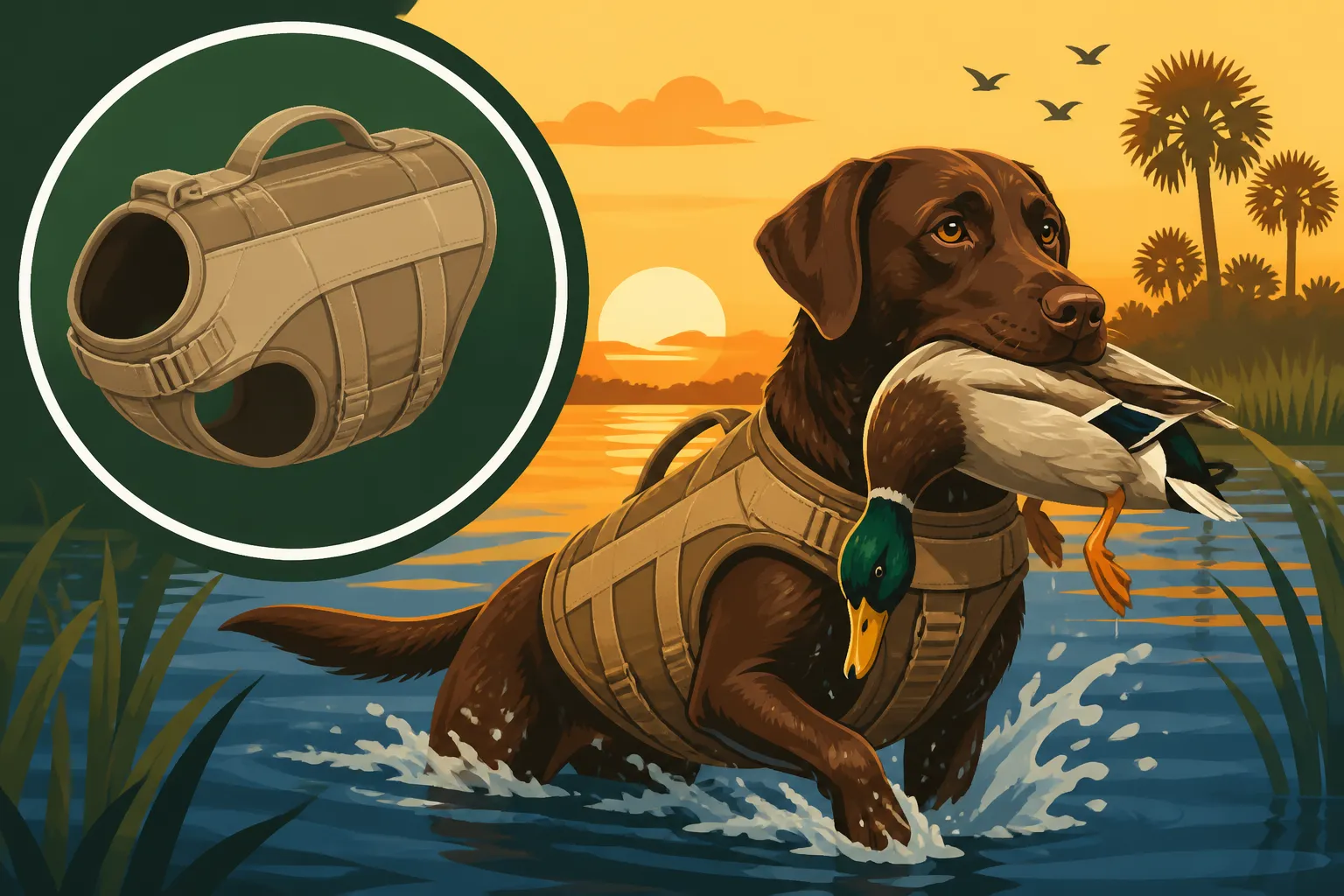
Hunting in South Carolina often means dealing with warm, humid conditions, and nowhere is this more critical than when your best canine companion is making retrieves from the water. Whether it's the tail end of duck season, an early goose hunt, or even Running Dogs on South Carolina Feral Hogs through a cypress pond, the combination of warm water, air temperatures, and exertion puts a tremendous strain on our dogs. Choosing the right dog vest for these conditions isn't just about buoyancy; it's about protecting your dog from heat stress, submerged hazards, and fatigue, ensuring they stay safe and can perform at their best.
Understanding the Challenges of Warm Water Retrieves in South Carolina
South Carolina's unique environment, particularly the coastal plain and river systems, presents specific challenges for hunting dogs working in water. The heat, the terrain, and the wildlife all conspire to make a simple retrieve a potentially dangerous undertaking without the right precautions and gear.
The Dangers of Heat Stress and Overexertion
Our hunting dogs are athletes, but they're also wearing a permanent fur coat, and they don't cool down the way we do. They pant, which is far less efficient than sweating. When you combine high ambient temperatures with warm water, the dog's core temperature can rise rapidly, leading to heat stress or even life-threatening heatstroke. Imagine your dog making multiple long retrieves in a cypress swamp during a September Hunting the Earliest Coastal Zone Opener. The air might be 80 degrees, the water even warmer, and each splash and swim builds internal heat. Their desire to please us means they'll push themselves beyond safe limits, often without showing clear signs of distress until it's too late.
This isn't just a concern for early season duck hunts. Even during what we consider "winter," a sunny afternoon in the Lowcountry can push temperatures into the 60s or 70s. A dog working hard for geese or ducks could still be at risk. The vest needs to offer protection without adding excessive insulation, allowing for some heat dissipation while still performing its primary functions. It’s a delicate balance, and ignoring it can have devastating consequences for your hunting partner. Owners often overlook this because they feel cool in the water, forgetting their dog's physiology is entirely different.
Hazards Beyond Temperature: Cover and Critters
Beyond the heat, South Carolina's waterways are full of hidden dangers. Submerged hazards like cypress knees, fallen timber, and sharp branches are common in almost any river or swamp. Picture a dog swimming hard into a dense stand of tules or smartweed to retrieve a downed bird; they're pushing through thick vegetation that can snag, scratch, or even impale them. In the saltwater marshes of the ACE Basin National Wildlife Refuge Hunting, oyster rakes can be razor-sharp and cause severe cuts to an unprotected belly or chest. These aren't just minor scrapes; deep lacerations can lead to serious infection, especially in warm, brackish water.
Then there's the wildlife. South Carolina is home to a healthy population of alligators, particularly in the coastal plain and major river systems. While a good dog is usually aware of its surroundings, a vest offers a crucial layer of protection, particularly around the vulnerable chest and belly areas, against a snap or a scrape. Snakes, too, are common, and while most avoid confrontation, a surprised water moccasin or copperhead can still deliver a nasty bite. A durable vest, while not impenetrable, can offer a measure of defense against these unwelcome encounters, providing peace of mind as your dog powers through the water. This added layer of defense can make all the difference when your dog is focused on a retrieve, oblivious to what might be lurking just below the surface.
Key Features to Look For in a Warm Water Retrieve Dog Vest
When you're choosing a vest for your South Carolina hunting dog, it’s about more than just a piece of fabric. You need something that actively contributes to their safety and performance in challenging conditions. Every feature plays a role, from the material to the fit.
Material and Buoyancy: Balancing Protection and Comfort
For warm water retrieves, the material of the vest is paramount. While traditional neoprene vests offer excellent insulation and buoyancy, they can be too warm for prolonged use in South Carolina's temperate climate, especially during early seasons or mild winter days. Look for vests made from lighter, yet still durable, synthetic materials that resist water absorption and dry quickly. Some modern vests use a thin, flexible neoprene or other closed-cell foam for buoyancy, but with strategic cut-outs or lighter fabric panels on the back to allow heat to escape. This hybrid approach gives you the flotation benefits without turning the vest into a heat trap.
The primary role of buoyancy in a vest is to help your dog conserve energy. When a dog doesn't have to work as hard to stay afloat, they can focus their energy on swimming efficiently and locating the bird. This is especially vital when making multiple retrieves, or when fetching a bird from a fast-moving current in a river. Look for vests with well-placed flotation panels that support your dog in a natural swimming position, keeping their head and shoulders above water without forcing an awkward posture. A good vest should feel like an extension of their body, not a hindrance, allowing for full range of motion. This balance is something brands like GoHunt often prioritize, understanding the rigorous demands placed on hunting dogs.
Durability, Fit, and Visibility
A dog vest for South Carolina hunting needs to be tough. We're talking about dense brush, submerged snags, and abrasive surfaces. Look for vests constructed from heavy-duty, abrasion-resistant outer fabrics like Cordura or ballistic nylon, with reinforced stitching at stress points. Pay close attention to the chest and belly panels, as these areas take the most abuse when a dog pushes through cover or encounters submerged obstacles. A flimsy vest won't last a single season, let alone provide the protection your dog deserves.
The fit is just as crucial as durability. A poorly fitting vest can cause chafing, restrict movement, or even get snagged on branches. It should be snug enough to prevent shifting and rubbing, but not so tight that it impedes breathing or natural movement. Many vests feature adjustable straps and buckles to achieve a custom fit, and some even come in various lengths and girths for different breeds. Test the fit dry and then ideally in the water to see how it moves with your dog. Finally, visibility is a non-negotiable safety feature, especially when Hunting Coastal Marsh Waterfowl or in busy public hunting areas. Bright orange, yellow, or even blaze pink panels ensure your dog is easily seen by you and other hunters, reducing the risk of accidental injury. GoHunt, for example, often incorporates high-visibility elements and robust adjustability into their designs.
Strategic Protection: Chest, Belly, and Flotation Pads
Beyond general coverage, specific areas of protection are vital. The chest and belly are particularly vulnerable to underwater hazards. Think about your dog plunging into an unseen oyster bed or hitting a submerged stump at speed. A vest with robust, thick padding or reinforced material over these areas can prevent serious injury. Some vests feature molded chest plates or extra layers of material to offer additional impact protection, which is invaluable when working in unpredictable environments like tidal creeks or flooded timber.
Consider the placement and density of the flotation pads. While all vests offer some buoyancy, the best ones strategically place these pads to support natural swimming mechanics. Pads along the back and sides can help keep the dog buoyant, while those on the chest can act as a natural keel, preventing them from overturning. Some designs even include a "grab handle" on the back, which is incredibly useful for lifting your dog back into a boat, over an obstacle, or quickly pulling them out of a precarious situation. This feature is particularly valuable when working out of layout blinds in Layout Blind Hunting Lowcountry Rice Fields or dealing with strong currents.
Practical Considerations for South Carolina Hunters
Having the right vest is one thing, but knowing how to use it effectively and integrate it into your hunting routine is another. It’s about more than just slipping it on; it’s about preparation, maintenance, and understanding your dog's capabilities.
Acclimation and Training with a Vest
You wouldn't expect your dog to retrieve perfectly the first time they hear a shotgun, so don't expect them to perform flawlessly with a brand-new vest on opening day. Acclimation is key. Start by letting your dog wear the vest for short periods around the house or yard. This helps them get used to the feel and weight. Gradually increase the duration, and then introduce it during training sessions on dry land. The goal is for the vest to become a normal, comfortable part of their gear.
Once they're comfortable on land, introduce the vest during water retrieves in controlled environments. Start in shallow, calm water where they can easily stand or swim without much effort. Observe how they move, swim, and retrieve. The vest will slightly alter their balance and buoyancy, so they need time to adjust their swimming stroke and body mechanics. Use positive reinforcement, treats, and praise to associate the vest with good experiences. You want them excited to put it on, not resistant. Brands like GoHunt often suggest these gradual introductions to ensure optimal performance and comfort for your dog. A well-acclimated dog will be more confident and effective in the field, making the vest a true asset rather than a distraction.
Post-Hunt Care and Maintenance
After a long day of Hunting Coastal Marsh Waterfowl or making multiple retrieves in a murky river, your dog's vest will be covered in mud, salt, grime, and potentially other unsavory things. Proper post-hunt care is essential to prolong the life of the vest and maintain its effectiveness. Always rinse the vest thoroughly with fresh water immediately after use, especially if you've been in saltwater or brackish environments. This removes corrosive salts and prevents mildew buildup. Pay attention to buckles and straps, as mud and debris can get lodged in them.
Once rinsed, hang the vest to air dry completely. Never store a damp vest in a bag or confined space, as this is a breeding ground for mildew, which can degrade the material and create unpleasant odors. Periodically, you might want to give it a deeper cleaning with a mild soap and water solution, following the manufacturer's recommendations. While drying, inspect the vest for any signs of wear and tear: frayed stitching, tears in the fabric, or damaged buckles. Catching small issues early can prevent them from becoming major problems down the line. A well-maintained vest is a reliable vest, ready for the next hunting adventure alongside your other Waterfowl Gear for the ACE Basin.
Integrating Vests into Your Hunting Strategy
A dog vest isn't a magical solution to all water retrieve challenges; it's a vital component of a comprehensive safety and performance strategy. Understanding your dog's limits is paramount, even with the best gear. On particularly hot days, make sure your dog has plenty of fresh water to drink, and take frequent breaks, especially between multiple retrieves. The vest helps them conserve energy, but it doesn't make them immune to fatigue or dehydration.
Consider the vest as part of your overall scouting. If you know you'll be Jump-Shooting South Carolina Creeks for Wood Ducks that are choked with snags, a vest with superior chest protection becomes even more critical. If you're targeting a South Carolina Duck Daily Bag Limit from open water, buoyancy and visibility might be higher priorities. Discussing these specific needs with a reputable brand or outfitter, perhaps one that carries products from GoHunt, can help tailor your choice. The goal is to maximize your dog's safety and effectiveness, allowing them to do what they love without undue risk. By integrating the vest into your pre-hunt planning, in-hunt execution, and post-hunt care, you ensure your loyal hunting companion remains a healthy and happy partner in the field for years to come.
| Feature | Benefits for Warm Water Retrieves | Considerations for South Carolina |
|---|---|---|
| Material | Lightweight, quick-drying, abrasion-resistant | Avoid excessive insulation; prioritize breathability. |
| Buoyancy | Energy conservation, safer swimming posture | Sufficient flotation without bulk for agility in tight cover. |
| Durability | Resists snags, tears, and oyster shell cuts | Reinforced stitching, tough outer fabric crucial for varied terrains. |
| Fit & Adjustability | Prevents chafing, allows full range of motion | Snug but not restrictive, accommodating dog's build. |
| Visibility | High-vis colors (orange, yellow) for safety | Essential for busy public lands or low-light conditions. |
| Chest/Belly Protect | Shields against submerged hazards (stumps, shells) | Must cover vulnerable areas well against common SC dangers. |
| Grab Handle | Easy retrieval, assistance over obstacles | Invaluable for getting dogs into boats or over natural barriers. |
Disclaimer
This article is for general informational purposes only and does not constitute professional advice. Laws, prices and regulations vary by location and change over time. Consult a qualified professional for guidance on your specific situation.