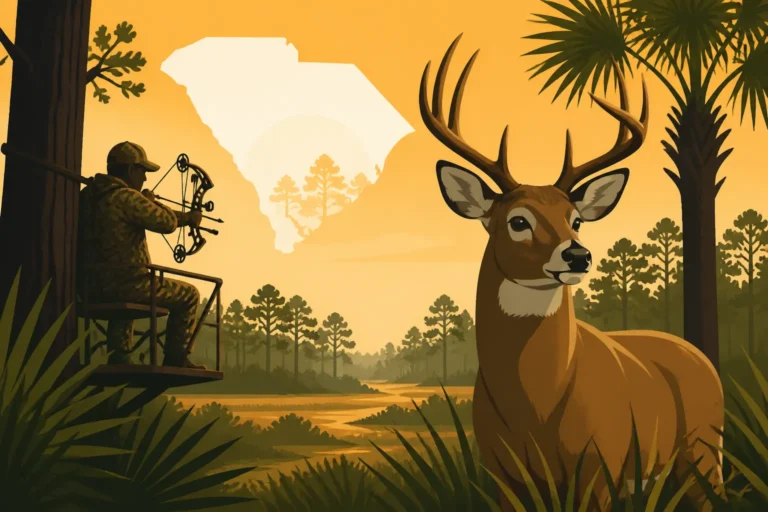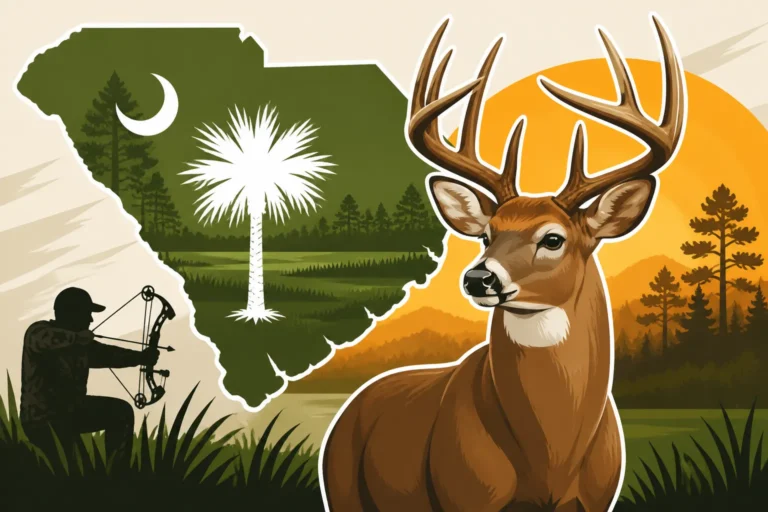
Hunting the South Carolina Lowcountry
Hunting the South Carolina Lowcountry can be an absolute adventure, but let's be honest, it comes with its own unique set of challenges. The thick cover, the oppressive humidity, the ever-present bugs, and the vastness of the swampy terrain can be incredibly frustrating for those accustomed to different landscapes. This guide is going to dive deep into what makes hunting the Lowcountry so distinct, offering realistic strategies and insights to help you navigate its beautiful, yet often daunting, wilderness and find success.
Understanding the Lowcountry Ecosystem
When you talk about the South Carolina Lowcountry, you're not just talking about a region; you're talking about an entire feeling, a way of life, and a distinct ecological fingerprint that profoundly impacts hunting. This isn't your average rolling hills or wide-open plains. This is a land shaped by water, heat, and dense vegetation, all of which dictate where game lives and how you can pursue it.
Topography and Vegetation
The Lowcountry's topography is defined by its flatness and its proximity to the Atlantic Ocean. We're talking about elevations that barely rise above sea level, giving way to an intricate network of rivers, creeks, estuaries, and vast stretches of freshwater and brackish swamps. Think cypress and tupelo forests with water often standing year-round, giving way to dense bottomland hardwoods like oak and gum, and then transitioning into pine forests, often interspersed with agricultural fields. This mosaic habitat is what makes the Lowcountry so diverse and, at times, so difficult to navigate.
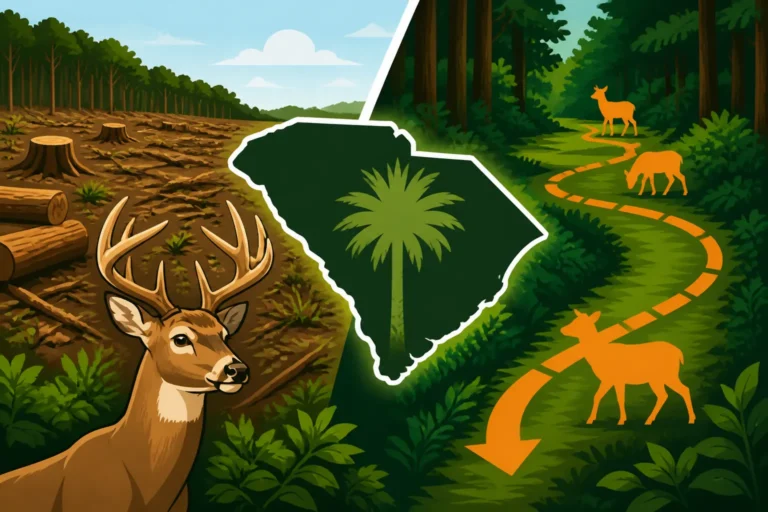
The vegetation here is incredibly thick and varied. You'll encounter dense undergrowth of palmetto, briars, and various swamp grasses that can make walking a challenge and visibility almost non-existent beyond a few yards. Then there are the stands of majestic live oaks draped in Spanish moss, providing crucial cover and food. Moving inland slightly, you'll find extensive pine plantations, often with clear-cuts in different stages of regrowth, which can be deer magnets but also incredibly tough to push through. The agricultural fields – corn, soybeans, cotton – scattered throughout this landscape act as vital food sources, drawing deer and hogs out of the thick cover, particularly in the late afternoon. This complexity means that understanding the specific micro-habitats within your hunting area is absolutely critical.
Climate Challenges
The Lowcountry climate is, simply put, a beast for hunters. The heat and humidity, especially during the early archery season, are no joke. Imagine sitting in a stand in late August, with temperatures still hovering in the 90s and humidity so thick it feels like you're breathing water. This isn't just uncomfortable; it significantly impacts deer movement, scent control, and even your own physical endurance. Deer often become largely nocturnal during these periods, moving mostly at dawn and dusk, and sometimes not even then if the heat is truly oppressive. Your scent, too, hangs heavy and travels far in the humid air, making it harder to stay concealed.
Beyond the heat, the Lowcountry is infamous for its insect populations. Mosquitoes, gnats, and various biting flies are a constant companion from early season through late fall, and sometimes even into winter if it stays mild. They can be distracting, frustrating, and even a health concern, carrying diseases. Managing these bugs is not just about comfort; it's about maintaining focus and stillness in the stand. Then there's the rain – pop-up afternoon thunderstorms are common, especially in summer and early fall, turning low-lying areas into muddy quagmires and making access difficult. You really need to be prepared for all of it if you want to be successful here.
Key Game Species in the Lowcountry
The Lowcountry is teeming with wildlife, offering a rich tapestry of hunting opportunities. However, the specific characteristics of the region dictate which species thrive and how best to pursue them. Understanding these game animals and their habits within the Lowcountry context is fundamental to a successful hunt.
Whitetail Deer in the Coastal Plain
South Carolina's Lowcountry is renowned for its high deer densities. While the deer here might not typically reach the massive body weights or antler scores seen in some Midwestern states, what they lack in individual size, they often make up for in sheer numbers. The abundance of food, from agricultural crops to various browse and acorns in bottomland hardwoods, coupled with vast stretches of thick cover, allows deer populations to flourish. The challenge, of course, is that these deer have an incredible amount of cover to hide in, making them elusive despite their numbers.
One of the most defining characteristics of Lowcountry deer, especially in Game Zone 4, is their early rut. While the exact timing can vary, it often peaks in late September and early October, considerably earlier than in the Upstate zones. This early rut means your tactics need to align with this schedule; rattling and grunting can be highly effective during this window, but almost useless later in the season. Hunting the Rut in the Coastal Zones offers more detailed insights into this critical period. You'll often find deer movement concentrated around the edges of swamps, agricultural fields, and new clear-cuts. Don't expect long-range shots; most encounters are up close and personal in the dense cover.
Feral Hogs: A Year-Round Pursuit
If there's one animal that epitomizes the Lowcountry, it might just be the feral hog. These intelligent, destructive, and rapidly reproducing animals are absolutely everywhere, making them both a nuisance and an incredible hunting opportunity. Their populations are so prolific that in South Carolina, you can hunt feral hogs year-round on private land with no bag limit, a testament to the challenge they pose to agriculture and native ecosystems. South Carolina's Year-Round Hog Rule on Private Land explains this further. Hogs thrive in the Lowcountry's swamps, thickets, and bottomlands, where they find abundant food and cover.
Hunting hogs in the Lowcountry can be done in a variety of ways. Still-hunting along creek bottoms or swamp edges, especially in the cooler months, can be productive, as can sitting over active feeders or wallows. They are creatures of habit but can also be incredibly wary. Their rooting behavior is highly visible, often leaving large patches of disturbed earth in their wake. While they might not be everyone's primary target, encountering a sounder of hogs can add an unexpected thrill to a deer hunt, and their meat is fantastic table fare. Just be ready for a tough track if you don't drop them on the spot, as they can disappear into the thickest cover imaginable.
Waterfowl and Migratory Birds
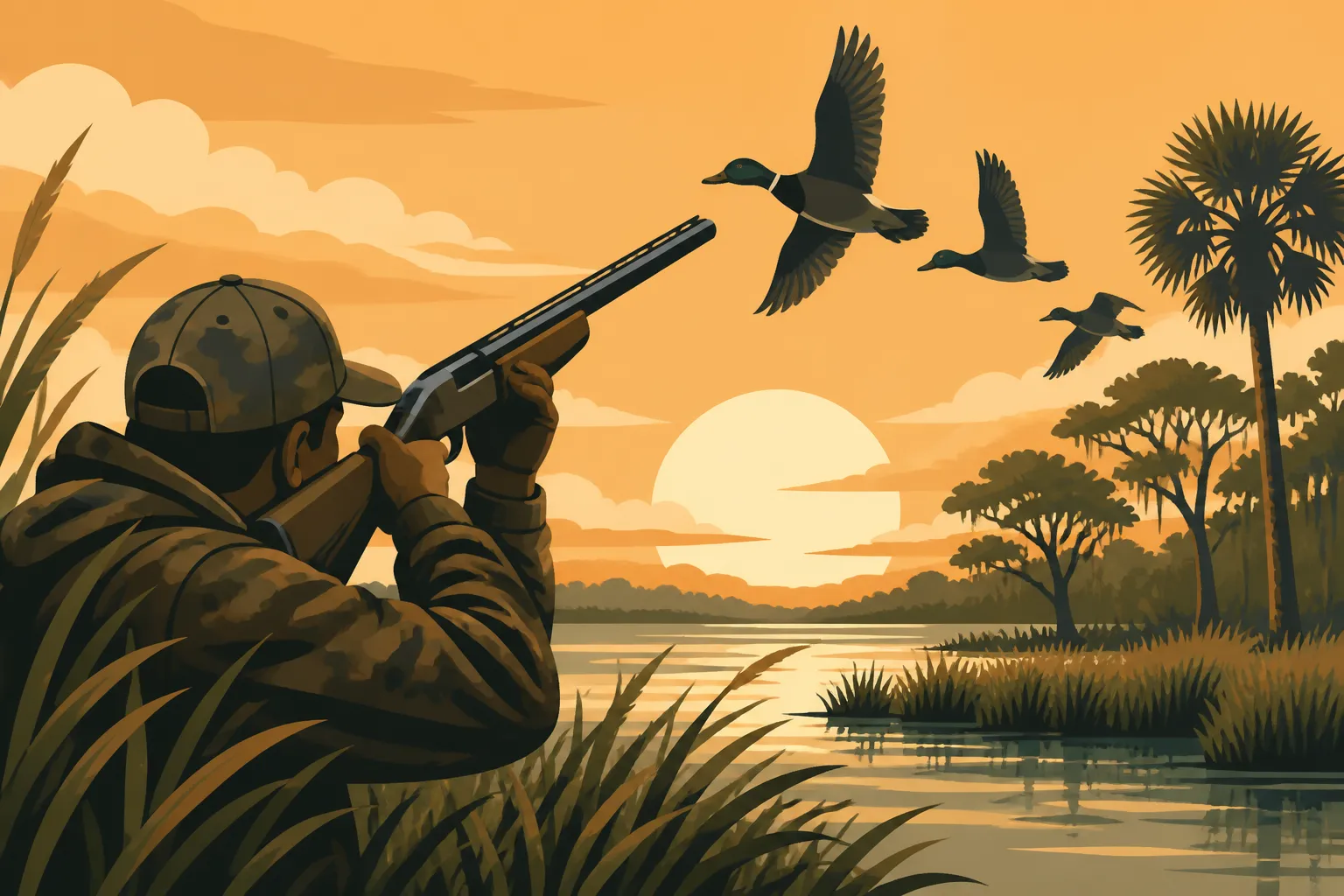
The Lowcountry is a critical wintering ground for a vast array of waterfowl, making it a duck and goose hunter's paradise. Situated along the Atlantic Flyway, areas like the ACE Basin and numerous tidal marshes and managed impoundments draw in incredible numbers of mallards, wood ducks, green-winged teal, pintails, and various diving ducks. The intricate network of tidal creeks, rice fields, and freshwater impoundments provides ideal feeding and resting habitats. Hunting Coastal Marsh Waterfowl provides excellent detail on how to approach these hunts.
Beyond ducks and geese, the Lowcountry also offers fantastic opportunities for other migratory birds. Mourning doves are abundant, especially around agricultural fields in the fall, providing fast-paced wingshooting action. There are often designated public dove fields, but private land access to cut corn or sunflower fields is golden. Woodcock also migrate through the dense, moist cover of the Lowcountry, offering a unique upland bird hunting experience for those willing to walk the thick stuff. The sheer diversity of bird life makes the Lowcountry a highly attractive destination for wing-shooters.
Public Land Opportunities in the Lowcountry
While much of the Lowcountry is privately owned, South Carolina offers some truly incredible public hunting lands. These areas provide invaluable access for hunters and are often managed specifically for wildlife habitat. However, hunting public land here means understanding where to go, what the rules are, and how to effectively navigate the crowds and the terrain.
Famous WMAs and National Forests
The Lowcountry is home to several well-known Wildlife Management Areas (WMAs) and portions of the Francis Marion National Forest that offer significant hunting opportunities. These include the famous ACE Basin, which encompasses multiple public hunting opportunities like the ACE Basin National Wildlife Refuge and various WMAs within its broader conservation area. Places like Donnelley WMA, Webb WMA, and Bear Island WMA are also crown jewels, meticulously managed for deer, turkey, and especially waterfowl. Hunting the ACE Basin is a fantastic resource if you're planning a trip there.
Then there's the Francis Marion National Forest, a vast expanse of bottomland hardwoods, pine forests, and swamps just northeast of Charleston. It's a challenging place to hunt due to its size and dense cover, but it holds a healthy deer population, along with hogs and even a coastal bear population. Expect to put in serious scouting and legwork on these public lands. They are not manicured parks; they are wild, rugged, and demand respect and preparation. Using tools like onX Hunt can be incredibly helpful for deciphering property boundaries, identifying terrain features, and even tracking your movements within these vast areas, helping you understand where you are relative to WMA boundaries and private property lines.
Navigating Public Access and Regulations
Hunting public land in South Carolina, especially the WMAs, comes with specific rules and regulations that differ from private land. It's not enough to just have your state hunting license and big game permit; many WMAs require an additional WMA permit. Always check the current SCDNR regulations booklet or the Go Outdoors SC website for the most up-to-date information on specific area rules, season dates, and bag limits, as these can change. South Carolina WMA Permit Requirements explains what you'll need. Some WMAs, particularly those offering high-quality deer or turkey hunts, operate on a quota hunt system, requiring applications and draws well in advance.
Access points can be limited, and navigating the vastness of these public lands often requires good mapping tools. While a physical map is always recommended, digital apps like onX Hunt have revolutionized public land hunting. They allow you to see WMA boundaries, forest service roads, and topographical features right on your phone, even marking your stand locations and tracking your walking routes. Always be mindful of other hunters, especially during opening weekends or peak rut periods. Public lands can get crowded, so practicing courtesy and safety is paramount. Scouting before the season is absolutely critical to finding those overlooked pockets of cover and identifying travel corridors that other hunters might miss. Scouting South Carolina Public Land Before Season delves into this more deeply.
Private Land Hunting: Leases and Permissions
While public lands offer great opportunities, securing private land access in the Lowcountry can unlock some of the best hunting experiences, often with less pressure and more consistent game movement. The vast agricultural lands and timber tracts, usually managed with wildlife in mind, can be incredibly productive.
Securing Hunting Leases
Hunting leases are a common way to gain private land access in the Lowcountry, especially for groups or clubs. These leases can range from smaller parcels of timberland to vast tracts incorporating agricultural fields, swamps, and pine plantations. The cost of leases varies significantly based on acreage, location, game density, and amenities like cabins or food plots. Often, a group of hunters will band together to share the expense and the management responsibilities, forming a hunting club. These clubs typically establish their own internal rules regarding guest policies, stand placement, and harvest quotas, which can often be more liberal than public land regulations.
When looking for a lease, it's wise to consider not just the monetary cost but also the quality of the habitat and the history of game on the property. What kind of timber management is in place? Are there active agricultural fields nearby? Is there access to water for ducks? A good lease offers consistent access and, ideally, a landowner who is cooperative and interested in wildlife management. Be prepared to sign a formal agreement and understand the terms regarding liability, property maintenance, and length of the lease.
Knocking on Doors: Building Relationships with Landowners
For many, especially those who don't want to join a club or pay lease fees, "door knocking" is the traditional route to private land access. This involves politely approaching landowners and asking for permission to hunt. It's a strategy that requires patience, respect, and a willingness to build trust. In the Lowcountry, where hunting is a deeply ingrained part of the culture, a friendly, respectful approach can often open doors, particularly with farmers dealing with crop damage from deer and hogs.
When approaching a landowner, always be impeccably polite, dress neatly, and offer to help with chores or nuisance animal control. Explicitly offer to help manage their feral hog problem. Emphasize your commitment to safety, ethical hunting, and respecting their property. Having references from other landowners or demonstrating your hunter education credentials can also help. Some landowners may be hesitant at first, but offering to retrieve game only, or help with hog control, can be a foot in the door. Building a long-term relationship based on trust and mutual respect is key; a small gesture like sharing some venison or offering to mend a fence can go a long way in securing continued access. Remember, you're not just asking to hunt; you're asking to be a good steward of their land.
Effective Lowcountry Hunting Tactics
Hunting the Lowcountry successfully requires specific tactics tailored to its unique terrain and game behavior. What works in an Upstate hardwood ridge might be utterly useless in a coastal swamp. Adapting your approach to the dense cover, water, and climate is paramount.
Stand Hunting Near Water and Food Sources
Given the thick cover and often limited visibility in the Lowcountry, stand hunting is a primary tactic, especially for deer. The key is to position your stand in high-traffic areas where deer are funneled or drawn to specific resources. This often means focusing on the edges of swamps and agricultural fields. Deer will utilize the dense cover of a swamp for bedding and security during the day, emerging at dusk to feed in nearby fields or browse along the edges. Setting up a stand on a field edge or along a main travel corridor leading out of a swamp can be incredibly productive. Setting Up on a Lowcountry Field Edge offers specific advice on this.
Water sources are also crucial. Even though the Lowcountry is wet, deer still need accessible drinking water, especially during dry spells or in areas where salt intrusion is a factor. Look for pinch points where deer have to cross a narrow strip of dry land between two wet areas, or where a well-used trail parallels a creek. Old logging roads and clear-cut edges that offer fresh browse are also prime locations. Scent control is vital, even more so with the high humidity, so always consider wind direction when choosing your stand site. Patience is your best friend when stand hunting, as deer might move slowly through the dense vegetation.
Deer Drives in Swamps and Thick Cover
While not always applicable on smaller private tracts, deer drives are a traditional and highly effective tactic in the vast, dense swamps and thickets of the Lowcountry, particularly on larger leases or public lands where they are permitted. The objective is to push deer out of heavy cover towards "standers" positioned along escape routes. This is a tactic that thrives on teamwork, safety, and a thorough understanding of the terrain. Drives can be especially productive when deer are holed up in almost impenetrable areas that are difficult to still-hunt or stand over.
A successful drive requires careful planning. You need enough "drivers" to effectively cover the area and enough "standers" to cover the anticipated escape routes. Safety is paramount: all participants must know the boundaries, the location of fellow hunters, and strict shooting lanes. Often, standers are positioned on elevated ground, logging roads, or clear-cut lines where visibility is better. The drivers move slowly and deliberately through the swamp, making noise to push deer forward. Deer, rather than running wildly, will often try to slip out the sides or circle back, so understanding their escape tendencies is crucial. Deer Drives With Three or Four Hunters offers insights into coordinating smaller drives.
Still-Hunting and Scouting in Bottomlands
Still-hunting – moving slowly and deliberately through the woods, stopping frequently to observe – can be incredibly effective in the Lowcountry's bottomlands, especially when combined with diligent scouting. This isn't about covering a lot of ground quickly; it's about moving at a snail's pace, pausing for minutes at a time, and letting your eyes do the work. Look for subtle movements, flicking ears, or the horizontal lines of a deer's back against the vertical trees. The key is to blend in and become part of the environment, relying on stealth and acute observation.
Scouting is an ongoing process, not just something you do before the season. As you still-hunt, constantly look for fresh sign: rubs, scrapes, tracks, and droppings. Pay close attention to subtle changes in elevation, old logging road beds, or breaks in dense palmetto thickets that might indicate a deer trail. In bottomlands, reading the mud for fresh tracks can tell you a lot about recent deer movement. Look for areas where different habitat types converge – a pine ridge meeting a swamp edge, or a hardwood bottom bordering a young clear-cut. These transition zones are often high-traffic areas. Utilizing mapping apps like onX Hunt during your scouting excursions allows you to mark sign, trails, and potential stand locations, creating a detailed picture of deer movement over time.
Essential Gear for Lowcountry Conditions
Hunting the Lowcountry isn't just about strategy; it's about having the right gear to endure and succeed in its unique environment. Your equipment choices need to reflect the heat, humidity, water, bugs, and dense cover you'll encounter.
Clothing and Footwear for Heat, Bugs, and Water
The Lowcountry demands specialized clothing. Forget heavy layers for most of the season. Your primary focus should be on lightweight, breathable, moisture-wicking fabrics that help you stay cool and dry, even when temperatures soar. Early season hunts in August and September mean wearing as little as possible while still maintaining adequate camouflage. Long sleeves and pants, even in scorching heat, are often a necessary compromise for protection against sun, briars, and insects. Warm-Weather Clothing for South Carolina Hunters details these choices.
Footwear is arguably the most critical gear item. Given the prevalence of swamps, standing water, and mud, waterproof boots are non-negotiable. Rubber boots are often preferred as they offer superior waterproofing and are easier to clean after slogging through mud. Furthermore, the Lowcountry is home to venomous snakes, particularly cottonmouths in aquatic environments and rattlesnakes in drier areas. Therefore, investing in high-quality snake boots or snake gaiters is not just recommended, it's a vital safety precaution. Snake Boots for South Carolina Swamp Ground is an absolute must-read for any Lowcountry hunter. Beyond just waterproofing, look for comfort, as you'll be doing a lot of walking.
Optics and Navigation
Visibility in the Lowcountry's thick cover can be severely limited, making high-powered optics less useful than in open country. Instead, focus on binoculars with excellent low-light performance (8x or 10x magnification is usually sufficient) to pick out details in the dim light of swamp bottoms or deep timber. A good rangefinder is also important for confirming distances, especially in areas where perceived distances can be distorted by dense vegetation, ensuring ethical shots.
Navigation is paramount. While following well-worn trails might work sometimes, getting truly deep into the woods requires reliable navigation tools. A handheld GPS unit is a solid choice, known for its durability and battery life. However, modern smartphone apps, particularly those designed for hunters like onX Hunt or GoHunt, have become indispensable. These apps offer detailed satellite imagery, topographical maps, public/private land boundary overlays, and the ability to mark waypoints for stands, trails, and recovered game. They are invaluable for scouting, finding your way to and from a stand in the dark, and staying within legal boundaries. Always carry a portable charger for your phone, as battery life can be an issue, especially in areas with poor cell service.
Weapons and Ammunition
The dense nature of Lowcountry hunting often dictates weapon choice. For rifle hunters, shots are typically close-range, often under 100 yards, sometimes even within 50. Therefore, calibers that deliver good energy at close range and can penetrate thick hide and bone, even if they aren't flat-shooting at 300 yards, are ideal. Many hunters favor brush guns or traditional lever actions in calibers like .30-30, or modern rifles chambered in .308 Winchester or 6.5 Creedmoor. A reliable optic with lower magnification (1-4x or 2-7x) is often more practical than a high-power scope, allowing for quick target acquisition in tight quarters.
For archery hunters, the dense cover means you need dependable broadheads that can punch through brush and deliver maximum impact. Both fixed-blade and mechanical broadheads can be effective, but ensure they are tuned to your bow for accuracy. Crossbows are a popular choice in South Carolina and are legal during the archery season, offering a more rifle-like sight picture and often making it easier for new or physically challenged hunters to participate. Crossbow Rules During South Carolina Archery Season provides the details. Shotguns, particularly those choked for slugs, are also a viable option in many areas, especially during primitive weapons season or in dense cover where a rifle shot might be too much.
Overcoming Unique Lowcountry Challenges
The Lowcountry is a land of beauty and bounty, but it presents some very specific challenges that hunters must be prepared for. Ignoring these can lead to discomfort, frustration, or even safety issues. Proactive planning is key to mitigating these unique hurdles.
Battling Bugs and Dehydration
The bug situation in the Lowcountry, especially from late summer through fall, is legendary. Mosquitoes and gnats can make an otherwise perfect sit miserable, driving you crazy and potentially pushing game away with your fidgeting. You absolutely need a multi-pronged approach. Strong insect repellents containing DEET or picaridin are a good start. Permethrin-treated clothing can offer an additional layer of protection. For stand hunting, a Thermacell unit is an absolute game-changer; it creates a bug-free zone that can make the difference between an enjoyable hunt and a miserable one.
Dehydration is another silent but serious threat, particularly during those early season hunts when temperatures can remain high even at dawn and dusk. You'll be sweating more than you realize, even when sitting still. Always carry more water than you think you'll need. A hydration pack integrated into your hunting pack is an excellent idea, allowing you to sip water easily and consistently without making unnecessary movements. Electrolyte supplements can also be beneficial, helping your body retain fluids and prevent cramping. Start hydrating well before your hunt, and continue to do so throughout the day.
Dealing with Water and Mud
Water is an intrinsic part of the Lowcountry landscape, and you'll inevitably encounter it in various forms: standing water in swamps, tidal creeks, flooded timber, and thick, sticky mud. This can present significant challenges for access and game recovery. Vehicle access can be limited on many public lands or private tracts with poor infrastructure, often requiring you to park and walk a considerable distance through wet terrain. Rubber boots or waders are essential for navigating these areas, keeping you dry and comfortable.
Game recovery in a Lowcountry swamp can be a nightmare. A deer or hog that runs into thick, watery cover after the shot can be incredibly difficult to find, even with a good blood trail. The water dilutes the blood, and the dense vegetation obscures vision. Having a reliable flashlight or headlamp (even for daytime hunts, just in case) is critical. Consider a game cart or even a small inflatable raft if you anticipate hunting areas with extensive water. Sometimes, leaving the animal overnight is not an option due to the heat and the risk of spoilage, so having a plan for immediate, efficient recovery is vital. Recovering a Deer From a Lowcountry Swamp offers crucial advice on this tough scenario.
Managing Game Meat in Warm Weather
One of the biggest concerns for Lowcountry hunters, especially early in the season, is meat care. The warm, humid climate means that game meat can spoil rapidly if not properly handled. Unlike colder climates where you might have hours to retrieve and process an animal, in the Lowcountry, time is of the essence. You need to get the animal field dressed and cooled down as quickly as possible.
Carrying a sharp field dressing knife and knowing how to efficiently gut an animal is a non-negotiable skill. For larger animals like deer or hogs, consider bringing game bags to protect the meat from flies and dirt. If you're a long way from your vehicle, learning the "gutless method" (boning out the animal in the field) can lighten the load and allow you to get the meat cooled faster. Always have large coolers filled with ice in your vehicle, ready to receive quartered meat. Getting the meat on ice within a couple of hours of harvest is ideal to prevent spoilage and ensure quality table fare. Coolers and Game Bags for a South Carolina August provides excellent tips for preserving your harvest in the heat.
Conservation and Responsible Hunting in the Lowcountry
Hunting in the Lowcountry is a privilege, and with that comes the responsibility to be a good steward of the land and its wildlife. Ethical practices and an understanding of local conservation efforts are not just rules to follow, but a way to ensure future generations can enjoy the same rich hunting traditions.
Understanding Local Game Management
South Carolina's wildlife management is guided by science, with specific regulations tailored to each of its four game zones. The Lowcountry primarily falls within Game Zone 4, which has its own unique season dates, particularly for deer, reflecting local biological factors like the earlier rut and high deer densities. Understanding South Carolina's Four Game Zones and their individual rules is critical. The South Carolina Department of Natural Resources (SCDNR) regularly conducts surveys and research to monitor game populations, set bag limits, and address conservation challenges.
For instance, the year-round, no-limit regulations on feral hogs reflect their status as an invasive species that causes significant ecological and agricultural damage. Conversely, deer bag limits are set to maintain healthy populations while providing ample opportunity for hunters. Staying informed about these regulations, which can change annually, is not just about staying legal; it's about contributing to sound wildlife management. Participating in hunter surveys or reporting observations to SCDNR can also help contribute to better data and management decisions.
Respecting Private Land and Fellow Hunters
The mosaic of public and private land in the Lowcountry means that respecting property boundaries and the rights of others is absolutely paramount. Always know exactly where you are, using reliable mapping tools to avoid accidental trespass. South Carolina Posted Land Rules makes it clear that marked land is off-limits without permission. If retrieving a wounded animal onto private property, South Carolina law generally requires you to notify the landowner before doing so. Always prioritize this communication to maintain good relationships.
When hunting on public lands, courtesy towards fellow hunters is essential. This means maintaining safe distances from other parties, avoiding "sky-lining" yourself on ridges, and respecting established hunting spots. Avoid making excessive noise or interfering with another hunter's setup. Whether on public or private ground, ethical hunting also extends to proper game recovery, leaving no litter, and being mindful of your impact on the environment. Ultimately, being a responsible hunter means being a good ambassador for our sport, ensuring that others perceive hunters as thoughtful, respectful, and committed conservationists. By upholding these values, we help preserve hunting opportunities and access for everyone.
| Public Land Area | Primary Game Species | Typical Habitat | Key Hunting Challenges |
|---|---|---|---|
| Francis Marion National Forest | Deer, Hogs, Turkey, Small Game, Coastal Bear | Extensive pine, bottomland hardwood, cypress swamps | Vastness, dense cover, heat/humidity, limited access |
| ACE Basin WMAs | Deer, Waterfowl (ducks, geese), Turkey, Hogs | Managed impoundments, tidal marsh, bottomland hardwood | Quota hunts, boat access, high competition, heat/bugs |
| Donnelley WMA | Deer, Turkey, Hogs, Waterfowl | Upland pine, hardwood bottoms, managed wetlands, old fields | Quota hunts, regulations, pressure, mud |
| Webb WMA | Deer, Turkey, Hogs, Waterfowl | Diverse- pine, hardwood, managed openings, wetlands | Quota hunts, limited access, seasonal closures |
| Bear Island WMA | Waterfowl (primary), Deer, Hogs | Tidal marsh, managed impoundments, rice fields | Water access only, boat required, strong tides, limited dry land |
Disclaimer
This article is for general informational purposes only and does not constitute professional advice. Laws, prices and regulations vary by location and change over time. Consult a qualified professional for guidance on your specific situation.